
The Unparalleled Power of Home Interior 3D Visualization in Modern Design
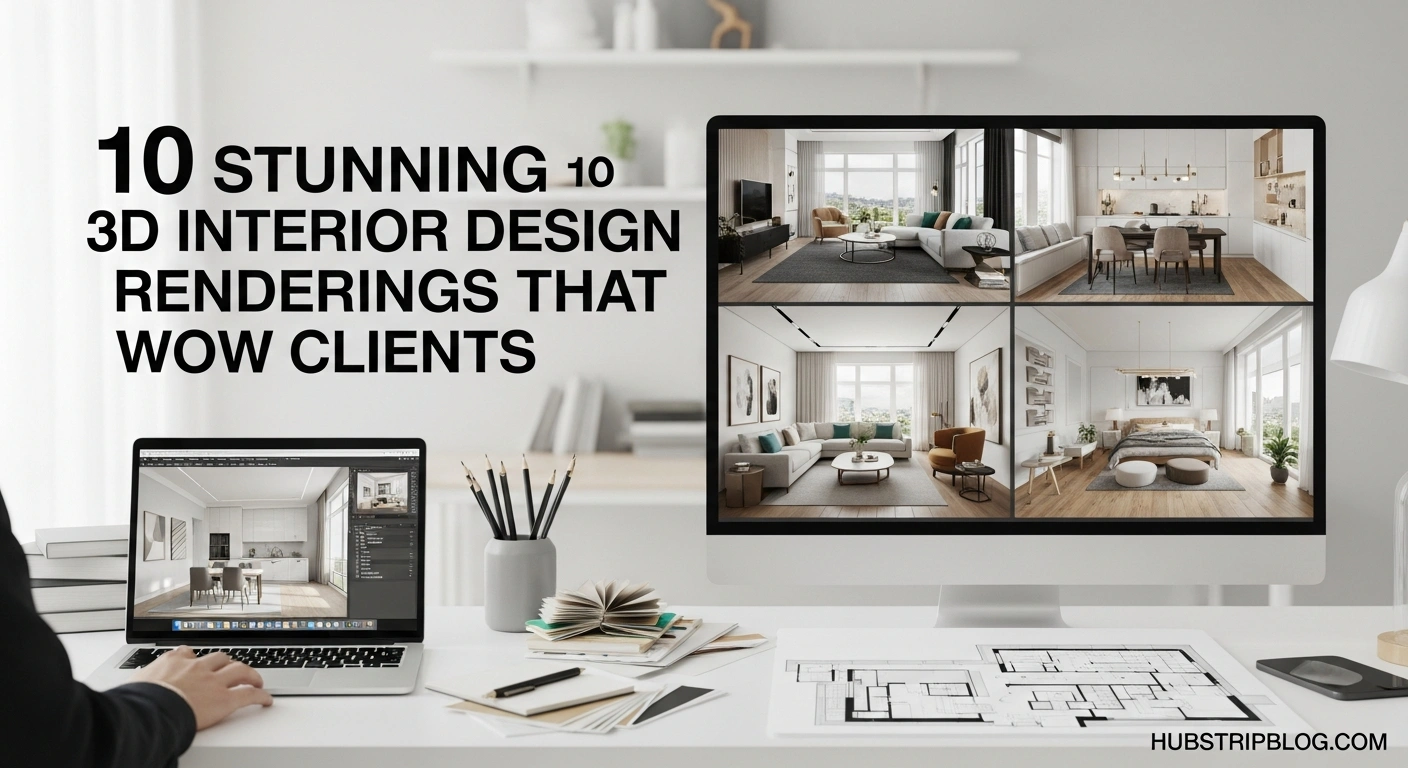
3D Interior Design – The evolution of technology has profoundly reshaped the landscape of interior design. At the forefront of this transformation is home interior 3D visualization, a tool that has elevated client presentations from abstract discussions to tangible, emotionally engaging experiences. No longer are clients asked to simply “imagine” their dream space; instead, they are invited to step inside it, long before any construction begins.
This unparalleled power lies in the ability of 3D renderings to provide absolute clarity. Every material, every texture, every lighting effect is rendered with photorealistic precision, eliminating guesswork and preventing costly misinterpretations down the line. For clients contemplating significant investments in their homes, seeing their envisioned future through high-quality home interior 3D visuals instills a profound sense of confidence and excitement, making the design approval process smoother and more enjoyable. Designers leveraging this technology are not just selling designs; they’re selling experiences and certainty.
Beyond Blueprints: The Art and Science of Crafting Stunning 3D Renderings
Creating a truly stunning home interior 3D rendering is a sophisticated blend of technical mastery and artistic sensibility. It’s a journey from raw data to a captivating visual narrative, demanding precision, creativity, and a deep understanding of how light, materials, and composition interact to evoke emotion and realism. This intricate process transforms basic design concepts into lifelike environments that emotionally connect with clients.
The art lies in capturing the intended mood and atmosphere, translating an abstract vision into a vivid, tangible experience. The science, conversely, ensures that every detail, from the reflectivity of a surface to the warmth of ambient light, adheres to the principles of physical realism. Together, these elements enable the creation of home interior 3D visuals that are not just accurate, but also incredibly persuasive and inspiring.
The Meticulous Process Behind Every Masterpiece
The journey of a home interior 3D rendering begins with the architectural plans and interior design concepts. Designers first create a detailed 3D model of the space using specialized software like Autodesk Revit, SketchUp, or 3ds Max. This digital blueprint serves as the foundation upon which all subsequent layers of detail will be built, ensuring accurate dimensions and spatial relationships essential for a realistic depiction.
Once the basic structure is modeled, the true artistry unfolds. Materials and textures are meticulously applied, simulating everything from the grain of hardwood flooring to the subtle sheen of silk curtains. Lighting setups are then painstakingly crafted, mimicking natural daylight, artificial lamps, and their intricate interplay to establish the desired ambiance and highlight specific design features. Finally, cameras are positioned to capture the most impactful views, often resembling professional photography, before the rendering process itself synthesizes all these elements into a high-resolution image.
Key Elements That Elevate a Rendering from Good to ‘Wow’
What distinguishes a merely good home interior 3D rendering from one that truly wows clients? It’s often found in the mastery of several critical elements that collectively breathe life and authenticity into a digital scene. These elements are meticulously finessed to create an immersive experience that feels indistinguishable from reality, making the proposed design feel tangible and aspirational.
- Photorealistic Lighting: This is paramount. Expert renderers understand how light interacts with surfaces, reflections, and shadows, creating depth, mood, and realism. Natural light sources (sunlight streaming through windows) combined with artificial light (lamps, recessed lighting) must be balanced to evoke the perfect time of day and atmosphere.
- Material Fidelity: The accurate representation of textures and materials is crucial. Whether it’s the subtle imperfections in natural wood, the cool smoothness of marble, or the soft drape of fabric, each material needs to look and feel authentic. High-resolution textures, physically-based rendering (PBR) materials, and precise material properties are essential.
- Impeccable Composition: Just like in photography, the layout and framing of the rendering play a significant role. Strategic camera angles, leading lines, and the rule of thirds can guide the viewer’s eye, emphasizing key design elements and creating a harmonious visual flow.
- Staging and Props: A truly stunning home interior 3D rendering isn’t just an empty room; it’s a living space. Thoughtful staging with realistic furniture placement, decorative accessories, plants, and even subtle signs of life (e.g., a magazine on a coffee table) adds warmth, personality, and scale, making the space feel inhabited and inviting.
- Attention to Detail: From the subtle reflections in a window pane to the crispness of a pillow seam, minute details collectively contribute to realism. Small imperfections, environmental details (like dust particles in a sunbeam), and accurate physics can elevate a rendering from digital to believable.
- Emotional Resonance: Ultimately, the best renderings evoke an emotional response. They tell a story, conveying not just what the space looks like, but how it feels to be in it. This requires a deep understanding of the client’s aspirations and translating them into a visually compelling narrative.
By diligently finessing these elements, designers can transcend the limitations of digital imagery, creating home interior 3D renderings that are not just representations, but profound evocations of future living.
The Client’s Journey: From Concept to Reality
For a client, the journey of building or renovating a home is often fraught with uncertainty and apprehension. They pour their dreams, hopes, and significant financial resources into a vision they can only describe verbally. This is where home interior 3D renderings become an invaluable guide, transforming a leap of faith into a confident step towards their ideal home. They bridge the communication gap, turning abstract discussions into concrete, aspirational imagery.
When presented with a high-quality rendering, clients don’t just see a picture; they experience a preview of their future. They can visualize themselves living, relaxing, or working within that space, fostering an immediate emotional connection. This immediate recognition and appreciation of the design vision significantly streamline the feedback and approval process, minimizing revisions and accelerating decision-making. The rendering effectively becomes a shared reality, ensuring everyone is on the same page and excited about the final outcome of their home interior 3D project.
Unveiling 10 Categories of Home Interior 3D Renderings That Captivate Clients
To truly illustrate the power of home interior 3D visualization, let’s explore ten distinct categories of renderings that consistently impress and delight clients. These aren’t just singular images, but rather representations of design approaches and visual storytelling techniques that highlight different facets of interior design, each designed to evoke a specific emotional response and secure client approval. Each category emphasizes how a well-executed rendering can bring a specific design concept to life with remarkable precision and persuasive power.
1. The Ultra-Realistic Living Room: A Glimpse into Future Comfort
Imagine a home interior 3D rendering of a living room so vivid, you can almost feel the plushness of the velvet sofa and smell the faint aroma of freshly brewed coffee. This category excels in presenting a space that feels utterly “lived-in” and inviting, rich with meticulously rendered textures and believable lighting. Clients are instantly transported, envisioning cozy evenings by the fireplace or lively gatherings with friends, making a powerful emotional connection to their future home.
Every detail, from the soft throw blankets draped casually over an armchair to the subtle reflections in a polished coffee table, is rendered with painstaking accuracy. The play of natural light filtering through sheer curtains and the warm glow of strategically placed lamps creates an ambiance of unparalleled comfort and sophistication. This level of realism in a home interior 3D visualization removes all doubt, allowing clients to confidently embrace the proposed design as their own.
2. The Serene Scandinavian Bedroom: Minimalism Meets Warmth
A stunning home interior 3D rendering of a Scandinavian bedroom embodies tranquility and functional elegance. It showcases clean lines, light wood tones, minimalist furniture, and abundant natural light, creating a calm and airy sanctuary. Clients are drawn to the peaceful simplicity, imagining undisturbed sleep and a relaxed start to their day in a clutter-free environment. This style appeals to those seeking a serene escape within their own homes.
The rendering emphasizes natural textures like linen and wool, alongside subtle plants, to inject warmth into the minimalist aesthetic. The strategic use of shadows and soft ambient lighting further enhances the feeling of calm, presenting a perfectly balanced space where form and function coexist beautifully. This particular home interior 3D visualization effectively communicates a lifestyle of quiet comfort and thoughtful design.
3. The Industrial Chic Kitchen: Where Function Meets Edgy Style
For clients with a taste for the bold and unconventional, an industrial chic kitchen rendering can be incredibly impactful. This home interior 3D visualization fearlessly showcases raw materials like exposed brick, concrete countertops, and unfinished metal accents, balanced by sleek, modern appliances and carefully considered lighting. It conveys a robust, stylish, and highly functional space that stands out.
The rendering highlights strong contrasts: the ruggedness of the structural elements against the polished gleam of stainless steel, and the warmth of wooden accents against cooler tones. Task lighting under cabinets and sculptural pendant lights above an island are rendered to emphasize both utility and aesthetic appeal. This direct and confident presentation of an industrial kitchen design in home interior 3D captures the imagination of clients seeking a distinctive and contemporary culinary hub.
4. The Luxurious Master Bathroom: Spa-Like Indulgence
Nothing says “wow” quite like a home interior 3D rendering that evokes the opulence and serenity of a high-end spa. This category features lavish materials such as large-format marble tiles, custom-built vanities, freestanding tubs, and sophisticated lighting schemes. The goal is to create a private retreat where clients can envision unwinding and indulging in luxurious self-care.
The rendering focuses on exquisite details: the gleam of polished chrome, the soft glow from hidden LED strips creating an ethereal ambiance, and the dramatic play of reflections in oversized mirrors. Steam rising from a shower, or water gently cascading into a tub, can further enhance the experiential quality. This aspirational home interior 3D visualization powerfully demonstrates how an everyday space can be transformed into a personal sanctuary of comfort and elegance.
5. The Vibrant Kids’ Playroom: A Burst of Imagination
A home interior 3D rendering for a kids’ playroom needs to be bursting with color, creativity, and thoughtful functionality. This type of visualization focuses on durability, safety, and endless possibilities for play and learning. It showcases cleverly integrated storage solutions, themed decor, and engaging activity zones designed to spark a child’s imagination. Clients, especially parents, are instantly reassured by the practical yet enchanting design.
The rendering effectively highlights durable, child-friendly finishes and materials, alongside playful elements like climbing walls, built-in reading nooks, or vibrant murals. The lighting is bright and cheerful, designed to create an energetic yet safe environment. This home interior 3D interpretation ensures that parents can visualize a space where their children will thrive, growing and exploring in comfort and security.
6. The Sophisticated Home Office: Productivity in Style
With the rise of remote work, the home office has become a crucial element of modern living. A stunning home interior 3D rendering of this space showcases a harmonious blend of productivity and personalized style. It emphasizes ergonomic design, ample storage, a comfortable yet professional atmosphere, and often incorporates views or biophilic design elements to enhance well-being.
The rendering would feature bespoke cabinetry, a comfortable yet visually appealing desk setup, and task-specific lighting that minimizes eye strain. Details such as curated artwork, professional accessories, and subtle organizational systems convey a highly functional and inspiring workspace. This home interior 3D visualization helps clients see their home office not just as a room, but as a dedicated environment conducive to focus, creativity, and professional success.
7. The Expansive Open-Plan Living Space: Seamless Flow and Light
Open-plan living is highly sought after for its sense of grandeur and social connectivity. A powerful home interior 3D rendering effectively conveys the seamless flow between different functional zones – living, dining, and kitchen – within a single, expansive area. The emphasis is on natural light, spatial relationships, and visual continuity, demonstrating how various elements come together to create a cohesive and inviting environment.
This rendering meticulously illustrates how furniture placement defines zones without creating barriers, and how consistent material palettes or color schemes maintain visual harmony across the large space. The impact of large windows and strategic lighting on the overall brightness and openness of the area is critically important. A well-executed home interior 3D rendering of an open-plan space provides clients with a clear understanding of its potential for both everyday living and entertaining, showcasing its versatility and modern appeal.
8. The Cozy Reading Nook: An Inviting Personal Sanctuary
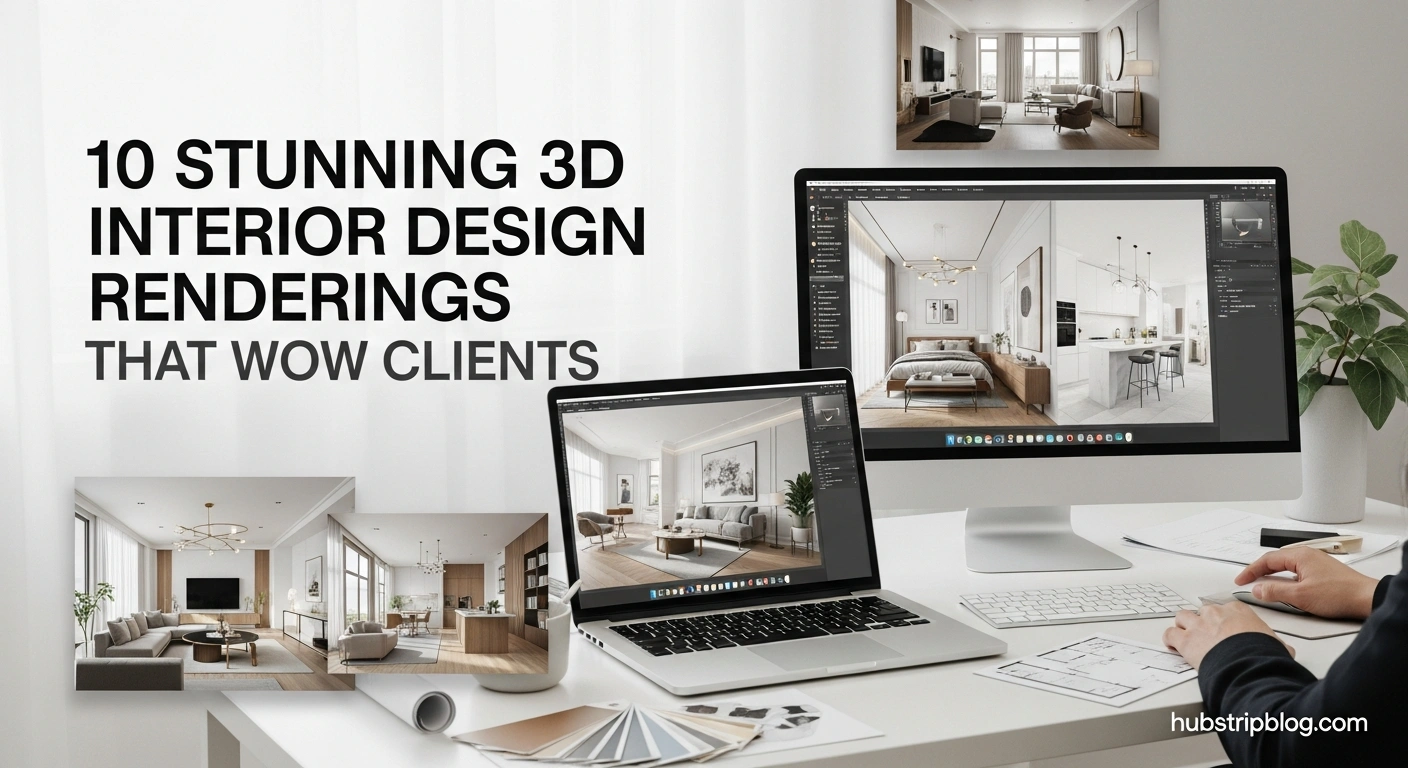
Even within larger designs, a small, perfectly rendered home interior 3D nook can capture a client’s heart. A cozy reading nook rendering evokes a sense of intimacy and personal refuge. It showcases soft furnishings, warm, directional lighting, built-in shelving filled with books, and perhaps a window view. The goal is to illustrate a charming, private corner where one can escape and relax.
This rendering carefully depicts the textures of comfortable cushions and throws, the subtle glow of a floor lamp, and the meticulous arrangement of books and personal effects. The confined yet inviting nature of the space is meticulously conveyed, demonstrating how even a small area can be transformed into a beloved spot within the home. This kind of detailed home interior 3D visualization highlights the designer’s ability to create personal sanctuaries, no matter the scale.
9. The Dynamic Multi-Functional Basement: Maximizing Underutilized Space
Basements are often underutilized but hold immense potential for adding significant value and functionality to a home. A stunning home interior 3D rendering of a multi-functional basement transforms this often-overlooked space into a vibrant hub. It can showcase a media room, a home gym, a guest suite, a bar, or a combination of these, effectively maximizing every square foot. Clients are often amazed by the possibilities presented for transforming their lower levels.
The rendering skillfully addresses challenges common to basements, such as limited natural light, by cleverly integrating artificial lighting and lighter material palettes. It highlights spatial planning that allows for seamless transitions between different zones and demonstrates innovative storage solutions. This detailed home interior 3D visualization becomes an inspiring blueprint for homeowners looking to unlock the full potential of their entire property.
10. The Elegant Dining Room: Setting the Stage for Memorable Gatherings
The dining room is often the heart of social gatherings and family celebrations. A beautiful home interior 3D rendering of an elegant dining room sets the stage for memorable moments. It focuses on the grandeur of the dining table, the styling of the chairs, the impact of a statement lighting fixture, and sophisticated wall treatments or artwork. The rendering conveys a sense of occasion and refined hospitality.
The rendering emphasizes the atmospheric lighting, often from a chandelier or strategic sconces, creating a warm and inviting glow for entertaining. The arrangement of table settings, the choice of dinnerware, and subtle floral arrangements add a layer of realism and aspiration. This particular home interior 3D visualization instills confidence in clients that their dining space will be both beautiful and perfectly suited for hosting friends and family with style and grace.
Maximizing Client Impact with Your Home Interior 3D Renderings
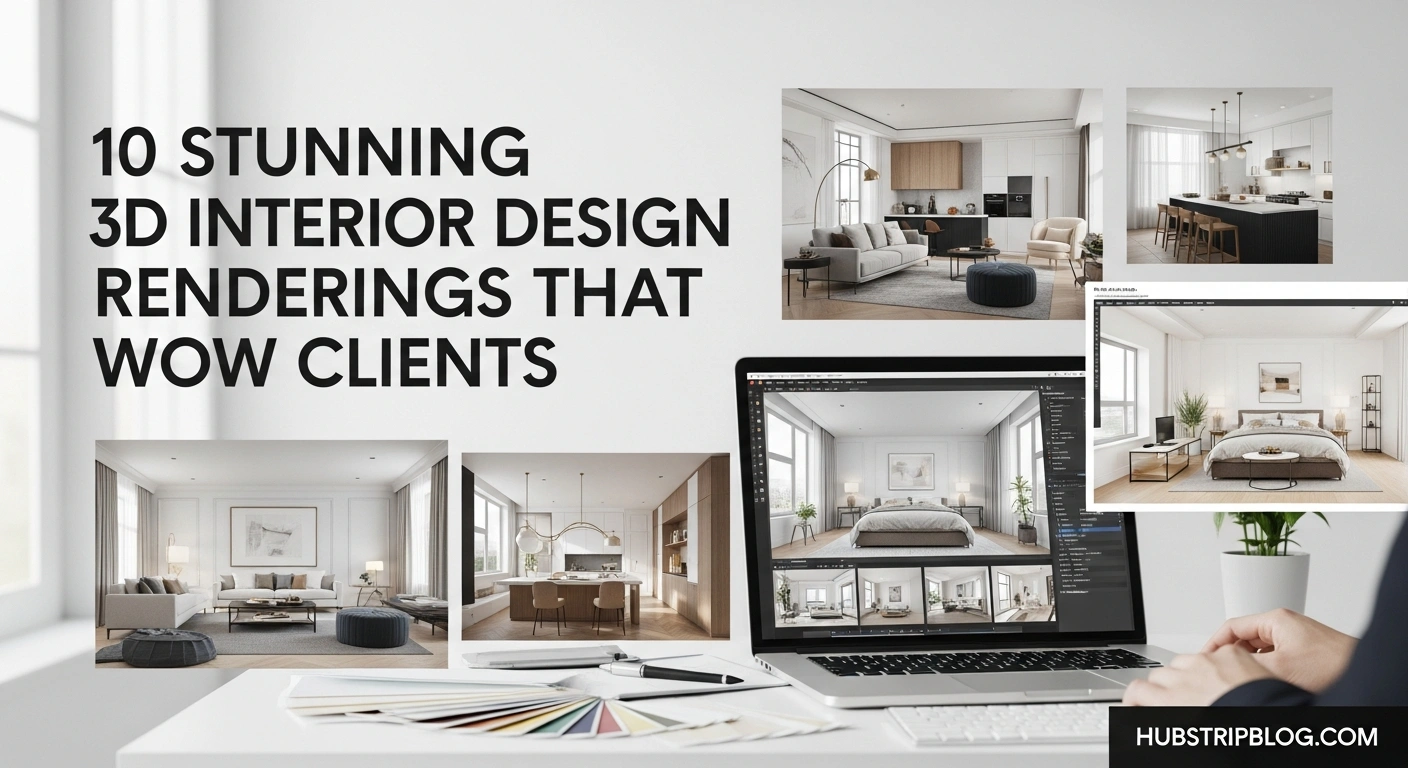
Creating a series of visually stunning home interior 3D renderings is undoubtedly a powerful step, but truly maximizing their impact requires strategic presentation and thoughtful integration. It’s about transforming these beautiful images into compelling narratives and immersive experiences that not only showcase design but also deeply engage the client on an emotional level. The goal is to foster an undeniable sense of ownership and excitement for the proposed design.
Storytelling Through Visualization
Exceptional home interior 3D renderings tell a story. They don’t just present a collection of rooms; they illustrate a lifestyle, an experience, and a future. Designers should use their renderings to guide clients through a visual narrative, explaining the thought process behind each design choice and how it contributes to the overall function and aesthetic of the home. This emotional connection makes the design feel personal and highly desirable.
By sequentially presenting views that move from the entrance to different areas of the home, or by highlighting specific daily scenarios (e.g., morning coffee in the kitchen, evening relaxation in the living room), designers can create a coherent and engaging story. This narrative approach allows clients to envision themselves within the space, living out their aspirations within their future home interior 3D environment, fostering a deeper connection than isolated images ever could.
The Role of Virtual Reality and Animation
While static home interior 3D renderings are incredibly effective, the frontiers of visualization extend even further, offering truly immersive experiences that redefine client engagement. Virtual Reality (VR) and animated walkthroughs represent the cutting edge, allowing clients to not just see their future home, but to truly experience it, pushing the boundaries of what is possible in design presentation.
Immersive Walkthroughs: Stepping Inside the Dream
Virtual Reality (VR) headsets have revolutionized how clients interact with proposed designs. With a VR headset, a client can literally “step inside” their future home, walking through rooms, looking around corners, and experiencing the space in a fully immersive 360-degree environment. This level of interaction offers an unparalleled understanding of scale, flow, and volumetric perception that even the most stunning flat home interior 3D rendering cannot replicate.
VR walkthroughs build an incredible emotional connection, allowing clients to virtually “test drive” their home before it’s built. They can spot potential issues or confirm design preferences with absolute certainty, making the design approval process incredibly efficient and enjoyable. For designers, offering VR experiences for home interior 3D projects establishes them as innovative leaders in the field.
Animated Renderings: Bringing Spaces to Life
Animated renderings, or architectural fly-throughs, offer a dynamic way to showcase a home interior 3D design. These short videos guide clients on a pre-determined path through the proposed space, highlighting key features, transitions between rooms, and the overall flow of the design. They can incorporate effects like changing daylight, turning lights on/off, or even subtle movements of objects, adding a layer of realism and liveliness.
Animated renderings are particularly effective for showcasing complex layouts, demonstrating spatial relationships in open-plan areas, or illustrating the functionality of custom features. They are highly engaging and shareable, providing clients with a captivating overview that captures attention and generates excitement. This dynamic presentation of a home interior 3D design ensures that all elements are seen in context and understood cohesively.
The Future is Now: Evolving Trends in Home Interior 3D Visualization
The landscape of home interior 3D visualization is continuously evolving, driven by advancements in technology and changing client expectations. What was cutting-edge yesterday often becomes standard practice tomorrow, pushing designers and visualizers to constantly innovate and refine their techniques. Emerging trends promise even more immersive, efficient, and intelligent ways to bring design visions to life.
One significant trend is the increasing integration of Artificial Intelligence (AI) and machine learning into the rendering process. AI can assist in tasks such as optimizing lighting setups, generating realistic textures, and even suggesting design variations, significantly accelerating workflow and enhancing realism. Another area of rapid development is real-time rendering, which allows for instant adjustments and interactive exploration of a home interior 3D scene without lengthy rendering times, making collaborative design even more dynamic.
Furthermore, there’s a growing emphasis on incorporating sustainable materials and smart home technology into renderings, aligning with client demands for eco-conscious and future-proof designs. These innovations ensure that home interior 3D visualization remains at the vanguard of design communication, continuously redefining how we envision and create our living spaces.
Conclusion
In the competitive world of interior design, standing out and truly connecting with clients is paramount. Home interior 3D renderings are no longer a luxury but an essential tool, transforming abstract plans into emotionally resonant, hyper-realistic experiences. From capturing the serene beauty of a Scandinavian bedroom to showcasing the bold functionality of an industrial kitchen, these digital masterpieces allow clients to not just see, but truly feel and experience their future home before a single brick is laid.
The ability to present a design with such clarity and evocative power not only streamlines the design process and minimizes revisions but also builds an unparalleled level of trust and excitement. By embracing the art and science of home interior 3D visualization, designers can consistently deliver those “wow” moments that secure projects, delight clients, and ultimately, bring dream homes to vivid, breathtaking reality. The future of interior design is visually immersive, and 3D rendering is leading the way.
