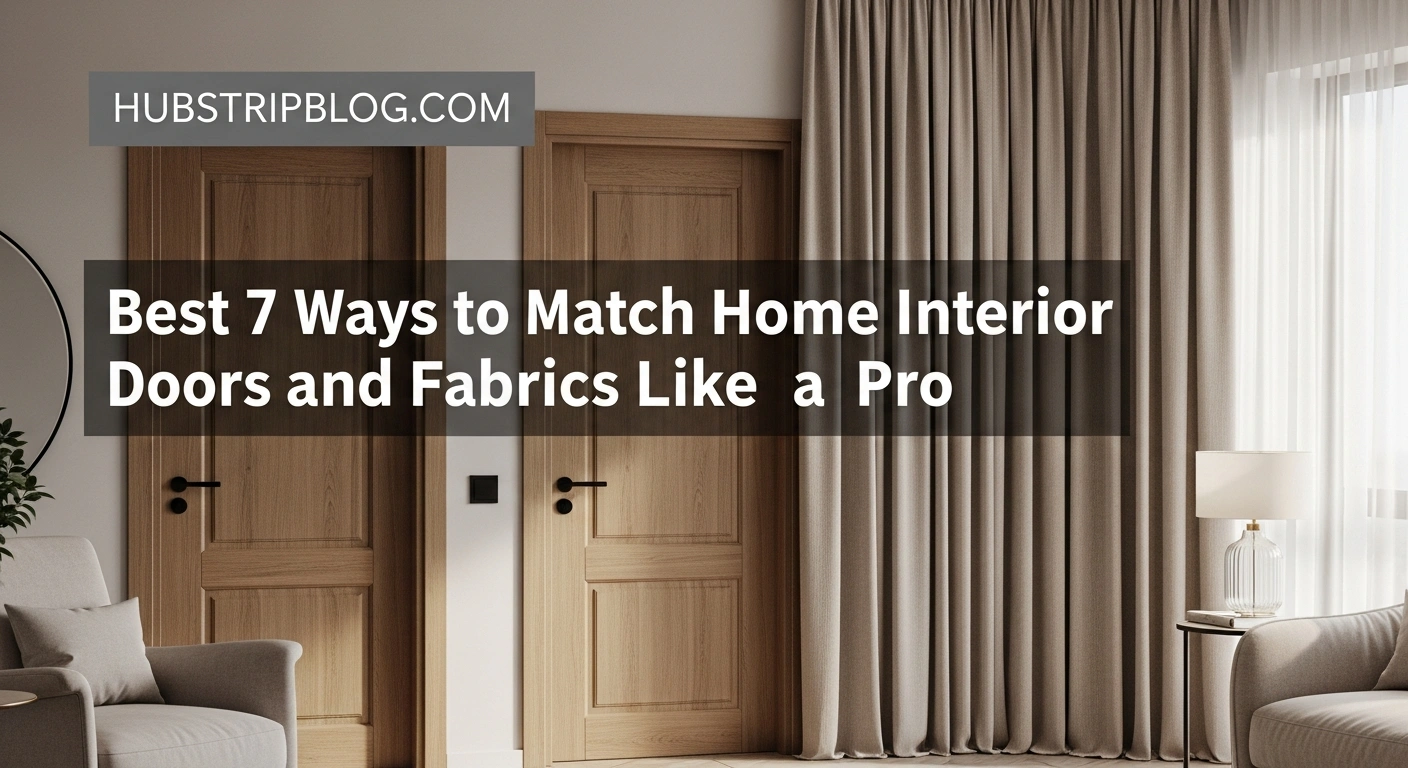
Unlocking Cohesion: Why This Detail Transforms Your Entire Home
Ways to Match Home Interior Doors and Fabrics – Before we dive into the “how,” it’s crucial to understand the “why.” Why should you spend time thinking about the relationship between a door and a throw pillow? The answer is simple: cohesion. A cohesive design is one where the whole is greater than the sum of its parts. It creates a tranquil, inviting atmosphere that feels both intentional and effortlessly chic.
When doors and fabrics are in discord, they create visual noise. A rustic barn door paired with sleek, metallic-sheen curtains can feel jarring, pulling the eye in two different stylistic directions. Conversely, when that same barn door is paired with natural linen or a soft, chunky wool, the elements support each other. They tell the same story. This is the foundational principle of matching home interior doors and fabrics for style—it’s about making sure every element in your room is speaking the same design language.
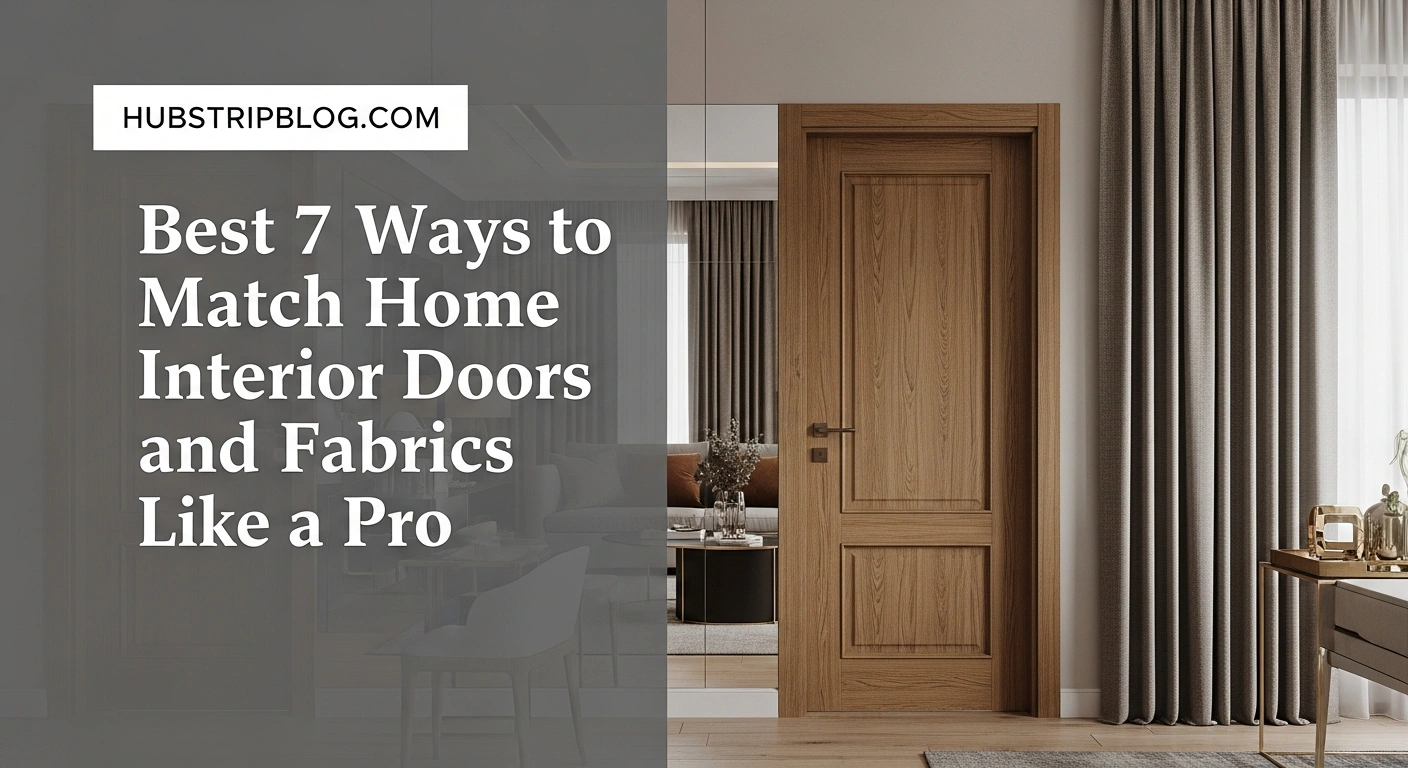
The Designer’s Toolkit: Understanding Your Core Materials
To match any two items effectively, you must first understand them individually. Interior doors and fabrics are incredibly diverse, each with their own unique characteristics that contribute to the overall feel of a space. Thinking of a door as just “a door” or fabric as just “curtains” is the first mistake. Let’s break down the DNA of each. Ways to Match Home Interior Doors and Fabrics
The Anatomy of an Interior Door: Beyond a Simple Barrier
Your interior doors are one of the most hardworking and visually prominent features in your home. They are not just passageways; they are large, vertical planes that can act as accent walls, style statements, or quiet, unifying backdrops.
Key door characteristics to consider include:
- Style: Is it a panel door (classic, traditional), a flush door (flat, modern), a barn door (rustic, industrial), or a French door (elegant, light-enhancing)? The inherent style of the door is your primary starting point.
- Material: Solid wood doors exude warmth and tradition. MDF or composite doors offer a smooth, paintable surface perfect for modern aesthetics. Doors with glass inserts play with light and transparency.
- Finish: The finish drastically alters a door’s personality. A high-gloss paint feels contemporary and glamorous. A matte or eggshell finish is understated and sophisticated. A wood stain highlights natural grain and adds organic texture.
The Expressive Language of Fabrics
Fabrics are the soul of a room. They bring softness, color, pattern, and texture, providing the comfort and personality that hard surfaces lack. From window treatments to upholstery and accent pieces, their influence is immense.
Key fabric characteristics to consider include:
- Material & Weave: The material dictates the fabric’s feel and drape. Linen is airy and relaxed. Cotton is versatile and crisp. Velvet is luxurious and dramatic. Silk is delicate and lustrous. The weave, whether a simple plain weave or a complex jacquard, adds another layer of subtle texture.
- Pattern: Patterns range from bold geometrics and delicate florals to subtle stripes and abstract motifs. The scale and color of the pattern are crucial.
- Opacity: A sheer curtain filters light beautifully and feels ethereal. An opaque, heavy drapery provides privacy, insulation, and a sense of gravitas.
The Golden Rule: Creating Harmony Through Contrast and Complementation
Before exploring specific techniques, it’s vital to grasp the core concept of contrast vs. complement. This is the fundamental choice you will make when pairing any two design elements.
- Complementing: This approach involves choosing elements that share similar qualities. Think of a dark walnut wood door paired with rich, brown velvet curtains. The shared warm, deep tones create a cozy, unified, and harmonious feel.
- Contrasting: This is about creating visual interest by pairing opposites. Imagine a sleek, matte black flush door dramatically set against light, airy, white linen curtains. The sharp difference in color, weight, and texture makes both elements “pop” and feel more intentional.
Neither approach is better than the other; they simply create different moods. A complementary strategy is often calming and traditional, while a contrasting one is dynamic and modern. The key is to choose one path and commit to it within a single space for maximum impact. Successful matching home interior doors and fabrics for style depends on making this decision early.
The 7 Best Ways to Match Home Interior Doors and Fabrics Like a Pro
Now, let’s move from theory to actionable strategy. These seven techniques are the go-to methods used by interior designers to create flawlessly coordinated spaces. By mastering them, you can elevate your home with confidence and precision.
1. Master the Universal Language of Color
Color is the most powerful and immediate tool in your design arsenal. It’s the first thing the eye registers and it instantly sets a mood. When it comes to doors and fabrics, color can be your strongest unifying thread.
There are three professional color strategies to employ:
- Monochromatic Harmony: This involves using different shades, tones, and tints of a single color. For example, if you have a door painted in a medium gray (like Benjamin Moore’s “Coventry Gray”), you can pair it with charcoal gray velvet upholstery, light silver-gray sheer curtains, and a throw blanket with a subtle gray pattern. This creates an incredibly sophisticated and serene look.
- Analogous Calm: This strategy uses colors that sit next to each other on the color wheel. It’s slightly more dynamic than monochromatic but still very harmonious. If your door is painted a deep navy blue, consider fabrics in shades of teal, slate blue, and even soft sage green. The gentle transition between colors is pleasing to the eye.
- Complementary Drama: For a bold, high-energy look, use colors that are opposite each other on the color wheel. A door painted a striking deep blue would be electrified by accents of burnt orange or rust in your fabrics. The key here is balance—use the bolder complementary color as an accent in pillows or a single armchair, rather than on large drapes, to avoid overwhelming the space.
2. Weave a Story with Texture and Material
Beyond color, texture is the secret weapon for adding depth, warmth, and interest to a room. It’s the tactile quality of a surface. Thoughtfully mixing textures between your doors and fabrics prevents a room from feeling flat or one-dimensional.
Consider these textural pairings:
- Smooth with Nubby: A sleek, high-gloss painted door feels incredibly modern and clean. To balance this, introduce fabrics with a rich, nubby texture, like a bouclé armchair or a chunky knit throw. The contrast is both visually and tactilely satisfying.
- Rough with Smooth: A rustic, reclaimed wood barn door is full of natural, rough-hewn texture. To prevent the look from becoming too rugged, pair it with smooth, simple fabrics like crisp cotton or flowing silk. The smoothness of the fabric highlights the character of the wood.
- Matte with Sheen: A door with a flat, matte finish has a soft, light-absorbing quality. Juxtapose this by incorporating fabrics with a subtle sheen, such as sateen, silk, or a velvet with a slight shimmer. This interplay with light adds a layer of quiet luxury.
The goal is to create a sensory experience. Good matching home interior doors and fabrics for style considers not just how the room looks, but how it feels.
3. Unify Everything Under a Consistent Design Style
Every interior design style has its own signature combination of materials, shapes, and finishes. Aligning your door and fabric choices with a single, overarching style is the most effective way to ensure they look like they belong together.
Pick your aesthetic and let it guide every decision.
Case Study: The Modern Minimalist Sanctuary
In a modern or minimalist home, the mantra is “less is more.” The focus is on clean lines, simple forms, and a neutral color palette.
- The Door: A flush door (completely flat) or a simple one-panel shaker door is ideal. Finishes should be sleek—a crisp white, a deep black, or a cool gray in a matte or satin finish. Hardware should be minimal and geometric, like a simple lever in a chrome or matte black finish.
- The Fabrics: Fabrics should mirror this simplicity. Think solid colors or very subtle, large-scale geometric patterns. Materials like linen, smooth cotton, or a tight-weave wool are perfect. For window treatments, simple roller shades or unadorned, straight-hanging curtain panels work best.
Case Study: The Cozy Farmhouse Retreat
The modern farmhouse style is all about warmth, comfort, and character. It blends rustic charm with modern-day practicality.
- The Door: The quintessential choice is a Z-brace or X-brace barn door, often in a natural or lightly distressed wood finish. Classic paneled doors painted in soft whites, muted greens, or gentle blues also fit perfectly. Hardware is typically robust and utilitarian, like matte black iron.
- The Fabrics: This style calls for natural, hardworking, and comfortable textiles. Gingham, plaid, ticking stripes, and simple floral prints are classic choices. Materials like burlap, canvas, soft cotton duck, and cozy flannel or wool enhance the inviting, lived-in feel. Layering these textures on pillows, throws, and simple café curtains is key.
By committing to a specific style, the process of matching home interior doors and fabrics for style becomes intuitive. The style itself provides the roadmap.
4. Create Visual Balance with Pattern and Scale
Pattern introduces personality and rhythm into a space, but it must be managed carefully to avoid visual chaos. The key is to balance the scale of the “pattern” on your door with the patterns on your fabrics.
Think of the door’s design as its pattern. A multi-panel door has a complex, traditional “pattern.” A flat, flush door has almost no pattern at all.
- Busy Door, Calm Fabrics: If you have an ornate door with intricate molding, multiple panels, or detailed glasswork, opt for fabrics in solid colors or with very subtle, small-scale patterns. This allows the door to be the star and prevents the two elements from competing for attention.
- Simple Door, Bold Fabrics: A simple flush or single-panel door is the perfect canvas. It provides a quiet backdrop for a show-stopping fabric. This is your opportunity to use a large-scale floral print on an armchair, a bold geometric pattern on your curtains, or a vibrant, colorful rug.
- The Rule of Three: A classic design principle is to use patterns in three different scales. Your door could be the “large scale” element (as a solid block of color). Your curtains could feature a “medium scale” pattern (e.g., a wide stripe). An accent pillow could feature a “small scale” pattern (e.g., a tight herringbone). This creates layers of interest that feel balanced and intentional.
5. Intentionally Create a Focal Point
Not every element in a room can shout for attention. A great design has a clear hierarchy—some items are stars, and others are supporting actors. You can use your door and fabric combination to deliberately establish a focal point.
Decide which element you want to be the hero:
- The Statement Door: Paint your interior door a bold, unexpected color—a vibrant yellow, a deep emerald green, or a sophisticated navy. When you do this, the door becomes a piece of art. The corresponding fabrics should then take a step back. Choose curtains, rugs, and upholstery in neutral tones like cream, beige, or gray that complement the door’s undertones without stealing the spotlight.
- The Statement Fabric: Conversely, you can let your fabrics do the talking. Invest in a sofa upholstered in a luxurious, jewel-toned velvet or curtains with a breathtaking, large-scale pattern. In this scenario, the door should be a quiet supporter. Paint it the same color as the walls to help it blend in, or choose a simple, neutral white or wood tone. This allows the fabric to be the undisputed star of the room.
6. Use a “Bridge Element” to Tie Everything Together
Sometimes, the most effective way to connect two seemingly different elements is with a third “bridge” element. This is a subtle, pro-level technique that creates a sophisticated, multi-layered look. The bridge shares a characteristic with both the door and the fabric, creating a subconscious link.
The most common bridge element is hardware and metal finishes.
Imagine you have a classic white, five-panel door. You fall in love with a beautiful navy blue and cream patterned fabric for your armchair. To connect them, focus on the hardware.
- Install an elegant brushed brass or gold doorknob on the white door.
- Hang your curtains on a matching brushed brass curtain rod.
- Place a floor lamp with a brass base next to the armchair.
- Find accent pillows for the chair that have a subtle metallic gold thread in the pattern.
Suddenly, the crisp white door and the navy fabric are linked by this consistent metallic accent. It’s an almost invisible thread that weaves the entire design together. This is the essence of meticulous and high-end matching home interior doors and fabrics for style.
7. Consider the Triumvirate: Light, Space, and Mood
Finally, a truly professional design considers how the door and fabric choices will interact with the room’s light and overall volume to create a specific mood. This goes beyond simple aesthetics to the psychology of the space.
Ask yourself what feeling you want to evoke:
- To Create a Bright, Airy Space: If your goal is a room that feels larger and more open, choose a door with a light, reflective finish, such as a semi-gloss or high-gloss white. Pair this with lightweight, sheer, or semi-sheer fabrics like linen or voile. The glossy door will bounce light around the room, and the sheer fabrics will allow maximum natural light to filter through, creating an ethereal, expansive feeling.
- To Cultivate a Cozy, Intimate Atmosphere: For a den, library, or bedroom where you want to feel enveloped and relaxed, a darker, light-absorbing finish is ideal. A door in a matte charcoal gray, a deep navy, or a rich wood stain sets a cozy tone. Pair this with heavy, plush fabrics like velvet, corduroy, or wool. These materials absorb sound and light, enhancing the sense of intimacy and creating a perfect sanctuary.
Advanced Tactics: Elevating Your Design From Great to Unforgettable
Once you’ve mastered the seven core techniques, you can begin to layer them and introduce more nuanced strategies. This is where you truly start thinking like a designer. Don’t be afraid to break the rules once you understand them. For instance, you might use a primarily complementary color scheme but introduce one small, contrasting accent pillow for a pop of energy. Or, you could pair a rustic door with a surprisingly luxurious silk fabric in an eclectic space, using a shared color to tie the two disparate textures together. The key is intention. Every choice should be a conscious one, aimed at achieving a specific look and feel.
Conclusion: Your Blueprint for a Perfectly Harmonized Home
Creating a home that feels professionally designed is not about having an unlimited budget; it’s about having a clear vision and understanding the principles of harmony. The relationship between your interior doors and your fabrics is a microcosm of this principle. By seeing them as a design duo, you unlock a new level of sophistication and intentionality in your decor.
From mastering color theory and playing with texture to aligning with a core style and using hardware as a bridge, you now possess the seven essential strategies for matching home interior doors and fabrics for style. Begin by looking at one room. Assess your door, evaluate your fabrics, and decide on the mood you want to create. By applying these techniques with confidence, you can methodically transform your space from a simple collection of objects into a cohesive, beautiful, and deeply personal sanctuary.