Mastering Kitchen Harmony: The Synergy of Tiles and Rugs
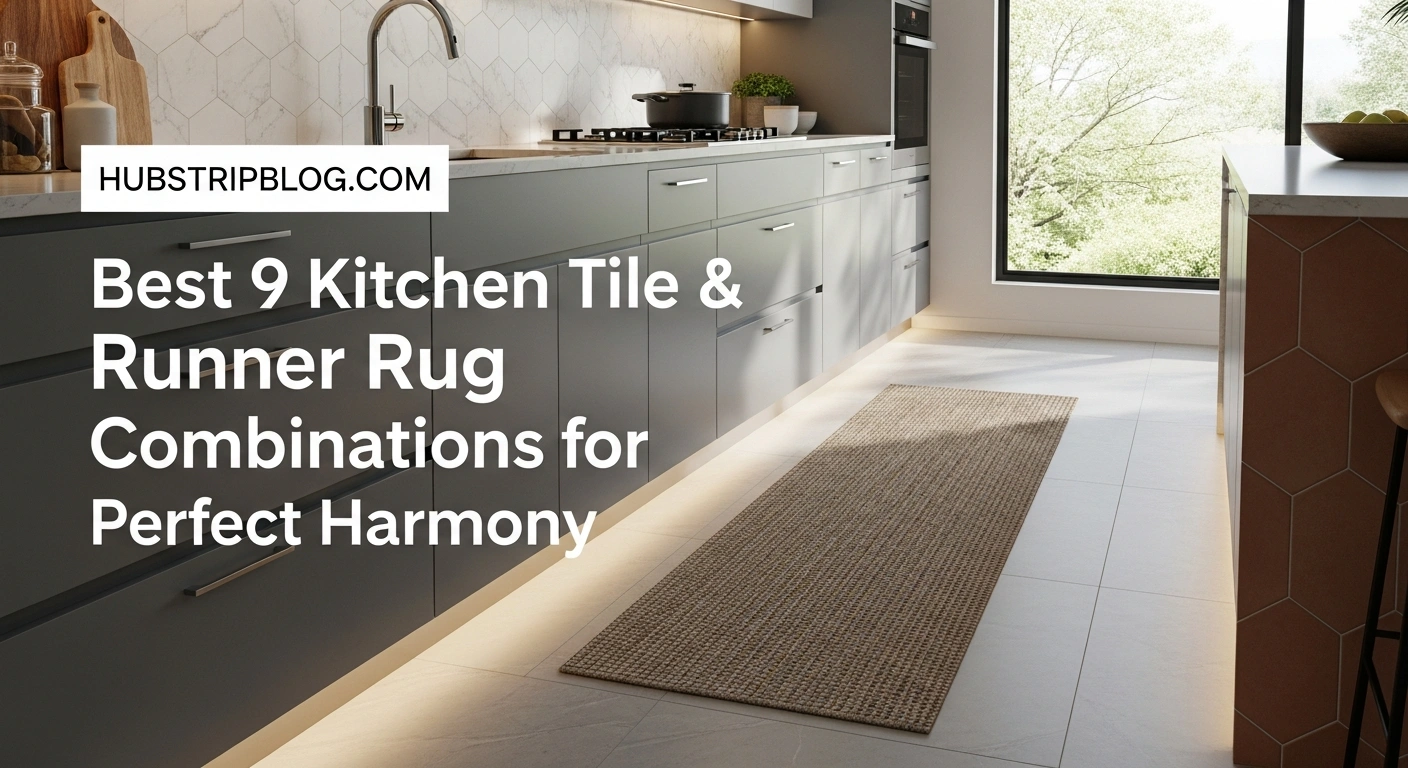
Kitchen Tile & Runner Rug Combinations – Creating a truly cohesive kitchen environment transcends mere decor; it involves a deep understanding of how different elements interact to form a unified aesthetic. The relationship between your kitchen tiles and your chosen runner rug is perhaps the most fundamental of these interactions, serving as the bedrock upon which your entire kitchen’s design identity is built. Ignoring this crucial pairing can lead to a disjointed space, while a thoughtful combination can transform your kitchen into a masterpiece of design. The quest for the best coordinated kitchen tiles and runner rugs is about more than just visual appeal; it’s about crafting a space that functions beautifully and feels intuitively right.
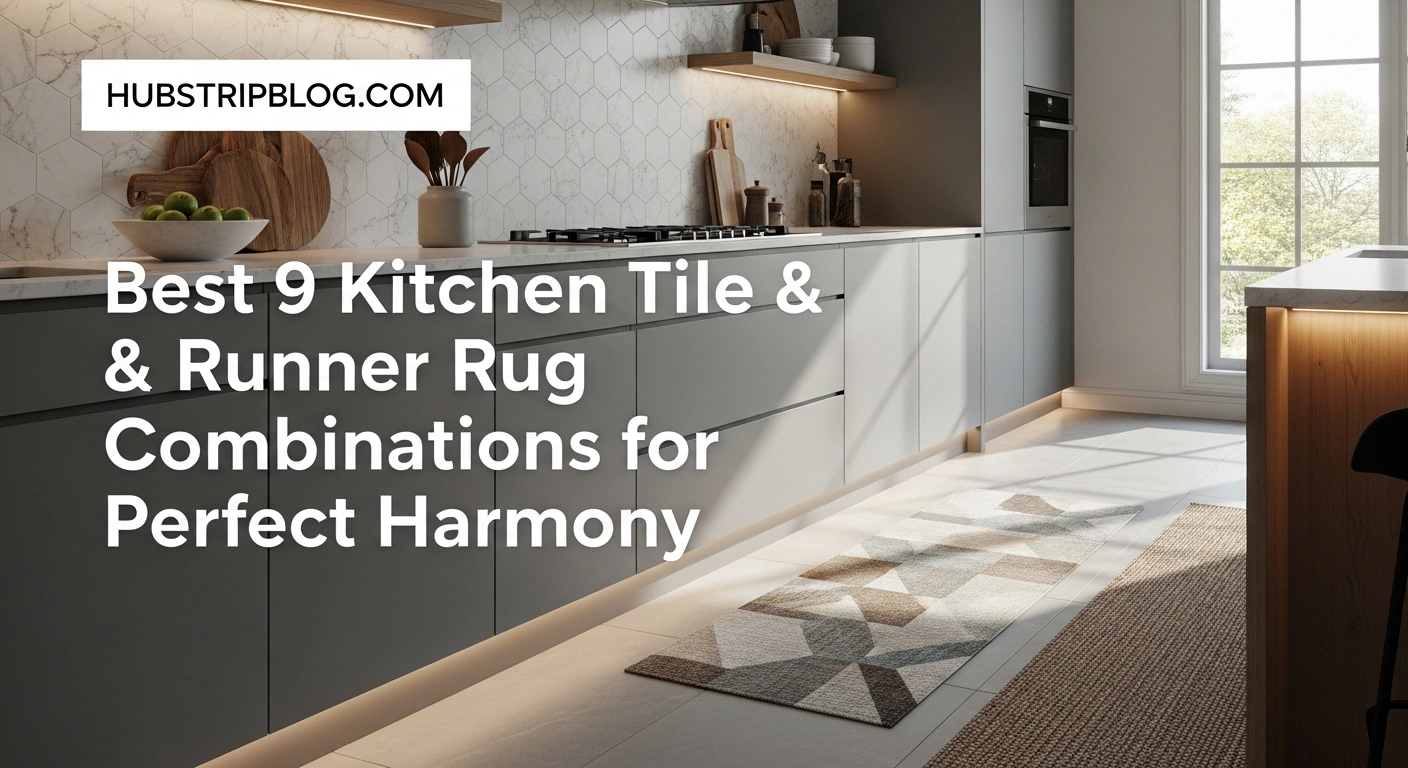
The Dynamic Duo: Tiles and Runner Rugs as Design Cornerstones
Think of your kitchen tiles as the steadfast foundation and your runner rug as the vibrant soul of the space. Tiles provide the durable, easy-to-clean surface essential for a kitchen, while rugs introduce softness, warmth, and an opportunity for bold pattern or color. When these two elements are expertly paired, they don’t just coexist; they elevate each other, creating a dynamic visual dialogue that enhances both comfort and style. The right combination can expand a small kitchen, define zones in an open-plan layout, or inject much-needed personality into a neutral palette. It’s an investment in the overall feel and functionality of your most active living space.
Decoding Your Kitchen’s Unique Style DNA
Before embarking on the exciting journey of selecting the best coordinated kitchen tiles and runner rugs, it’s paramount to understand the inherent style of your kitchen. Is it sleek and modern, embracing clean lines and minimalist aesthetics? Perhaps it leans towards a rustic farmhouse charm with natural textures and a cozy feel? Or maybe it’s a timeless classic, elegant and traditional? Identifying your kitchen’s core style will act as your compass, guiding your choices to ensure every element, especially your tiles and rugs, contributes to a harmonious and authentic narrative. This foundational understanding prevents disparate elements from clashing and instead promotes a sense of unity throughout the space.
The Art of Color Theory in Kitchen Design
Color is more than just a visual attribute; it’s a powerful tool that dictates mood, perception of space, and overall aesthetic. When aiming for the best coordinated kitchen tiles and runner rugs, a fundamental grasp of color theory becomes indispensable. Consider whether you want a monochromatic scheme for a serene, cohesive look, or complementary colors to introduce vibrant contrast and energy.
Analogous colors can create a flowing, harmonious feel, while a pop of accent color can draw attention to a specific area. Understanding the undertones of your chosen tile color—warm yellows and reds, or cool blues and grays—will help you select a runner rug that either matches those undertones for seamless integration or contrasts them intentionally for a striking effect. This thoughtful application of color principles ensures that your tile and rug choices resonate with each other and the broader kitchen palette.
Achieving Perfection: Crafting the Best Coordinated Kitchen Tiles and Runner Rugs
The pursuit of design excellence in a kitchen often culminates in the subtle yet impactful choices that tie the room together. The meticulous art of pairing tiles with a runner rug goes beyond aesthetic appeal; it’s about creating a living space that feels both inviting and instinctively right. It requires a thoughtful approach that considers various design principles, ensuring that the final outcome reflects a sophisticated understanding of form and function. This section delves into the intricate details and expert strategies that lead to the best coordinated kitchen tiles and runner rugs, transforming your kitchen into a model of interior design.
Balancing Texture and Pattern: A Visual Symphony
One of the most compelling aspects of design lies in the interplay of texture and pattern. When selecting the best coordinated kitchen tiles and runner rugs, considering these elements is crucial for adding depth and visual interest without overwhelming the space. If your kitchen tiles feature an intricate pattern, a solid or subtly textured runner rug can provide a calming counterpoint, allowing the tiles to be the focal point.
Conversely, if your tiles are minimalistic and uniform, a runner with a bold pattern, geometric design, or rich texture (like a Moroccan shag or a chunky knit) can introduce personality and warmth. The goal is to create a dynamic balance, ensuring neither element competes aggressively with the other but rather complements and enhances its counterpart. This thoughtful combination is key to achieving a sophisticated and layered look that truly distinguishes your kitchen.
Material Matters: Where Durability Meets Distinctive Design
The selection of materials for both your kitchen tiles and runner rug is a critical decision, influencing not only the aesthetic but also the longevity and maintenance requirements of your kitchen. For tiles, options range from the enduring strength of porcelain and ceramic, ideal for high-traffic areas and spills, to the natural elegance of stone (marble, slate, travertine), or the unique character of cement and terracotta. Each material offers distinct visual qualities and performance characteristics.
When it comes to runner rugs, material choices abound:
- Natural fibers like wool, cotton, jute, and sisal offer organic texture, warmth, and varying degrees of durability. Wool is renowned for its resilience and softness, while jute provides a more rustic, textured feel.
- Synthetic fibers such as polypropylene, nylon, and polyester are celebrated for their stain resistance, durability, and affordability, making them excellent choices for busy kitchens prone to spills.
The material choices should align with your lifestyle and the overall desired aesthetic. A highly durable porcelain tile paired with a washable synthetic runner makes practical sense for a bustling family kitchen. Meanwhile, the rich patina of natural stone tiles might find its perfect match in a luxurious wool runner, creating an aura of refined elegance. Striking the right balance between robust functionality and captivating design through material selection is fundamental to achieving the best coordinated kitchen tiles and runner rugs.
Illuminating Harmony: The Pivotal Role of Lighting
The power of lighting in dictating the perception of color, texture, and overall atmosphere cannot be overstated when aiming for the best coordinated kitchen tiles and runner rugs. Natural light, with its ever-changing intensity throughout the day, can dramatically alter how colors appear, making a warm-toned tile shift from sunny yellow in the morning to a deeper amber by evening. Artificial lighting, whether cool-toned LEDs or warm incandescent bulbs, also plays a significant role.
Before finalizing your tile and rug selections, observe samples in your kitchen under different lighting conditions—daylight, evening, and with your typical artificial lights on. A runner rug that looks perfectly complementary in a brightly lit showroom might appear dull or mismatched in a kitchen with dimmer, warmer lighting. Similarly, the subtle nuances of your tile’s pattern or finish can be brought to life or muted depending on the light source. Strategic lighting can highlight the intricate details of a patterned tile or emphasize the rich texture of a rug, ensuring that the carefully selected pairing always looks its absolute best. By considering how light interacts with your chosen materials, you ensure that your coordinated choices truly shine.
Discovering the 9 Perfect Combinations for Your Kitchen Sanctuary
Embark on a captivating journey through nine expertly curated pairings, each designed to inspire and guide you toward creating a kitchen that embodies perfect harmony. These combinations of kitchen tiles and runner rugs are not merely aesthetically pleasing; they represent thoughtful design principles that consider style, durability, and the overall ambiance of your kitchen space. Each pairing highlights strategies for achieving the best coordinated kitchen tiles and runner rugs, offering a blueprint for transforming your culinary area into a true design statement.
1. Classic Meets Contemporary: Subway Tile & Geometric Runner
This combination marries the timeless appeal of subway tiles with the modern vibrancy of a geometric runner rug, creating a kitchen that feels both familiar and refreshingly current. It’s a testament to how classic elements can be reinterpreted to achieve a contemporary edge without sacrificing enduring style.
Tile Selection Deep Dive: The Enduring Charm of Subway Tile
Subway tiles are a perennial favorite for good reason. Their clean lines, rectangular shape (typically 3×6 inches), and glossy finish reflect light beautifully, making kitchens feel brighter and more spacious. While classic white is popular, subway tiles now come in a myriad of colors, from soft grays and blues to bold greens and blacks. For this combination, consider a classic white, soft gray, or a subtly textured beige subway tile. The beauty of subway tile lies in its versatility, offering a subdued backdrop that allows other elements to shine while maintaining a polished, coherent look. Their durability and ease of cleaning make them an ideal choice for high-traffic kitchen floors.
Runner Rug Spotlight: Geometric Precision
To infuse contemporary flair, select a runner rug featuring a crisp geometric pattern. Think bold chevrons, interlinking hexagons, abstract lines, or simple repeating squares. The key is to choose a rug where the pattern is distinct and modern, offering a visual contrast to the straightforward nature of the subway tile. Colors in the rug can range from high-contrast black and white, to sophisticated navy and gray, or even a vibrant pop of color like mustard yellow or emerald green if you want to make a statement. Look for synthetic blends or low-pile wool for durability and easy cleaning, essential for a kitchen environment.
Why This Combination Works
The classic subway tile provides a clean, understated base, allowing the bold geometric pattern of the runner rug to take center stage. This pairing thrives on contrast: the tile’s simplicity against the rug’s complexity, the smooth tile texture contrasting with the rug’s soft pile. It creates a dynamic tension that results in a highly sophisticated yet approachable aesthetic. The geometry introduces a modern edge, preventing the space from feeling too traditional, while the subway tile grounds the design in timelessness. This specific strategy helps achieve the best coordinated kitchen tiles and runner rugs by balancing old and new.
Design Tips & Considerations
- Grout Choice: Consider a contrasting grout color for your subway tiles (e.g., dark gray with white tiles) to enhance the linear pattern and add depth, subtly mirroring the rug’s graphic quality.
- Anchor Colors: Pull one or two colors from the geometric rug pattern and subtly echo them in kitchen accessories like dish towels, pottery, or window treatments for a more integrated feel.
- Size Matters: Ensure the runner rug is appropriately sized for your kitchen pathway, leaving adequate tile visible on either side to maintain the expansive look.
2. Rustic Charm: Terracotta & Braided Jute
Embrace the warmth and undeniable character of a rustic kitchen with this earthy pairing. Terracotta tiles evoke Mediterranean villas and sun-drenched farmhouses, while a braided jute runner brings in natural texture and a homespun feel. This combination excels in creating an inviting, comfort-driven space.
Tile Selection Deep Dive: The Warmth of Terracotta
Terracotta tiles, made from natural clay, are celebrated for their rich, earthy hues ranging from soft oranges and creams to deep reds and browns. Their porous nature often means they require sealing, but this also contributes to their beautiful, lived-in patina over time. Choose unglazed terracotta for a truly authentic, matte look, or a subtly glazed version for easier maintenance. The irregular edges and variations in color inherent to terracotta add unparalleled character, making each floor unique. They provide a grounding, natural foundation that instantly makes a kitchen feel cozy and welcoming.
Runner Rug Spotlight: Braided Jute’s Natural Beauty
A braided jute runner rug is the perfect complement to terracotta. Jute, a natural fiber, offers incredible texture and a beautiful golden-beige to light brown coloration that harmonizes effortlessly with terracotta’s warm tones. The braided construction adds a tactile, artisanal quality, reinforcing the rustic theme. Jute is durable and renewable, making it a sustainable and practical choice for a kitchen runner. Its relatively flat profile makes it easy to vacuum and less prone to tripping, while its natural look brings an organic sense of calm to the space.
Why This Combination Works
This pairing is a celebration of natural materials and tactile qualities. The soft, sun-baked tones of terracotta are perfectly echoed and softened by the natural hues and robust texture of jute. Both materials possess an inherent organic quality that speaks to craftsmanship and an unpretentious beauty. This combination eschews synthetic perfection for a more authentic, lived-in feel, making it one of the best coordinated kitchen tiles and runner rugs for country, farmhouse, or Mediterranean-inspired spaces. It creates a connection to nature and a sense of enduring charm.
Design Tips & Considerations
- Sealant: Properly seal terracotta tiles to protect them from stains and moisture, especially in a kitchen.
- Complementary Wood Tones: This pairing works exceptionally well with natural wood cabinetry and open shelving, further enhancing the rustic ambiance.
- Layering Textures: Introduce other natural textures like linen, woven baskets, and stoneware to build upon the rustic theme and create a deeply layered look.
3. Coastal Calm: White Penny Tile & Striped Blue Rug
Channel the serene and refreshing atmosphere of the coast with this light and airy combination. White penny tiles evoke classic seaside charm and cleanliness, while a striped blue runner brings in the invigorating feel of ocean waves and nautical influences.
Tile Selection Deep Dive: The Playful Elegance of Penny Tile
White penny tiles—small, round mosaic tiles typically about ¾ inch in diameter—offer a timeless and subtly playful aesthetic. Their high density and numerous grout lines provide excellent slip resistance, a practical advantage in a kitchen. While white is the quintessential choice for a coastal look, the high contrast of dark grout can make the penny pattern more pronounced. For a truly serene coastal vibe, opt for white penny tiles with light gray or white grout to create a seamless, soft-focus effect. This tile choice establishes a clean, bright foundation that instantly opens up the kitchen space.
Runner Rug Spotlight: Classic Striped Blue
A striped runner rug, particularly one featuring shades of blue and white, is the quintessential coastal accent. Think crisp navy and white stripes, lighter aqua and cream, or even a multi-tonal stripe incorporating various ocean blues. The stripes can be thin and orderly or bolder and more abstract, but their inherent linearity evokes the horizon line or the gentle ebb and flow of waves. Materials like cotton or washable synthetic blends are ideal for easy care and a relaxed, comfortable feel. This choice instantly anchors the coastal theme with its recognizable nautical charm.
Why This Combination Works
The brightness of the white penny tile creates a pristine, expansive feel, much like a sandy beach or a sun-drenched deck. The striped blue rug then introduces the quintessential colors and patterns of the ocean. This pairing relies on freshness, clarity, and a sense of breezy openness. The small, repetitive pattern of the penny tiles provides subtle texture, allowing the bolder, more dynamic pattern of the stripes to become a striking visual anchor. It’s an effortlessly chic combination, perfect for achieving the best coordinated kitchen tiles and runner rugs in a coastal-inspired kitchen.
Design Tips & Considerations
- Accessorize: Enhance the coastal theme with natural bleached wood accents, glass elements, woven baskets, and touches of rope or seashell decor.
- Natural Light: This combination flourishes in kitchens with abundant natural light, amplifying the bright and airy atmosphere.
- Material Softness: Opt for a soft, comfortable rug material that encourages bare feet, further enhancing the relaxed, vacation-like feel.
4. Modern Minimalist: Large Format Porcelain & Solid Wool
For the devotee of sleek lines and understated elegance, this combination offers a refined and uncluttered aesthetic. Large format porcelain tiles create a seamless, expansive base, while a solid wool runner adds warmth and luxurious texture without introducing visual noise.
Tile Selection Deep Dive: The Seamlessness of Large Format Porcelain
Large format porcelain tiles (typically 24×24 inches or larger, often in rectangular slabs) are the epitome of modern minimalism. Their sheer size minimizes grout lines, creating an almost seamless, expansive surface that makes a kitchen feel larger and more open. Opt for neutral colors like sophisticated grays, whites, creams, or even concrete-look porcelain for an industrial touch. Finishes such as matte or subtly textured options prevent glare and provide a contemporary, sophisticated feel. Porcelain is incredibly durable, water-resistant, and easy to maintain, making it a practical yet stylish choice for a modern kitchen.
Runner Rug Spotlight: The Purity of Solid Wool
To complement the minimalist tiles, select a solid-colored wool runner rug. The beauty of this rug lies in its simplicity and the inherent luxuriousness of the material. Choose a color that either closely matches the tile for a monochromatic, muted effect (e.g., a charcoal rug with dark gray tiles) or introduces a subtle, contrasting tone (e.g., a warm cream rug with cool gray tiles). The texture of wool, whether a soft cut-pile or a slightly more textured loop, provides warmth and comfort underfoot, a welcome softness against the hard tile surface. Its natural fibers are also resilient and somewhat stain-resistant.
Why This Combination Works
This pairing is a masterclass in understated elegance. The large format tiles create an uncluttered, expansive foundation, while the solid wool rug introduces warmth and a touch of luxury without disrupting the minimalist aesthetic. It’s about achieving sophistication through simplicity, where quality materials and subtle textures speak volumes. The lack of pattern allows the focus to remain on the clean lines and spaciousness of the kitchen. This thoughtful layering of quiet elements crafts the best coordinated kitchen tiles and runner rugs for a truly modern, refined space.
Design Tips & Considerations
- Monochromatic Palette: Lean into a monochromatic or limited color palette for the rest of the kitchen (cabinetry, countertops) to reinforce the minimalist theme.
- Subtle Textures: While the rug is solid, consider its texture. A very subtle fleck or heathered effect in the wool can add depth without introducing patterns.
- Artful Accessories: With such a clean backdrop, carefully chosen statement kitchen accessories or a single piece of wall art can become powerful focal points.
5. Scandinavian Serenity: Light Wood-Look Tile & Faded Oushak Runner
Embrace the hallmark characteristics of Scandinavian design—lightness, functionality, and hygge—with this inviting combination. Light wood-look tiles replicate the warmth of natural wood while offering superior performance, perfectly complemented by the understated elegance of a faded Oushak runner.
Tile Selection Deep Dive: The Practicality of Light Wood-Look Tile
Wood-look porcelain tiles are a brilliant innovation, offering the aesthetic appeal of hardwood floors with the durability and water resistance essential for a kitchen. For Scandinavian serenity, opt for very light, almost bleached, or whitewashed wood-look tiles. Look for planks with minimal grain variation and a matte finish to mimic natural, untreated wood. The pale tones contribute to the bright, airy feel characteristic of Nordic design, making the kitchen feel more expansive and open. These tiles provide a fantastic, low-maintenance foundation for a high-traffic area.
Runner Rug Spotlight: Faded Oushak’s Timeless Grace
A faded Oushak runner rug introduces a touch of vintage charm and sophisticated pattern without overpowering the minimalist aesthetic. Oushak rugs, traditionally from Turkey, are known for their softer color palettes, often featuring muted blues, creams, pale golds, and grays, with stylized floral or medallion patterns. The “faded” aspect is crucial here; it means the colors are softened and gently worn, giving the rug an heirloom quality that adds warmth and character without vibrant contrast. This rug offers intricate detail in an understated manner, perfectly aligning with the Scandinavian principle of subtle beauty.
Why This Combination Works
This pairing achieves a delicate balance between modern practicality and vintage warmth. The light wood-look tile provides a clean, bright, and resilient base that anchors the space in contemporary functionality. The faded Oushak rug then introduces softness, history, and a touch of artistic pattern without breaking the serene color palette or overwhelming the minimalist lines. It’s an artful blend of old and new, and easily counts among the best coordinated kitchen tiles and runner rugs for those seeking a tranquil, comfortable, and stylish kitchen environment.
Design Tips & Considerations
- Natural Elements: Continue the Scandinavian theme with real wood accents, clean-lined furniture, and plenty of natural light. Incorporate subtle greenery through potted plants.
- Simple Palette: Keep the overall kitchen palette simple, using whites, grays, and natural wood tones, allowing the subtle patterns and rich textures to shine.
- Comfort First: Choose an Oushak rug made from wool for its softness, durability, and natural insulating properties, enhancing the ‘hygge’ factor.
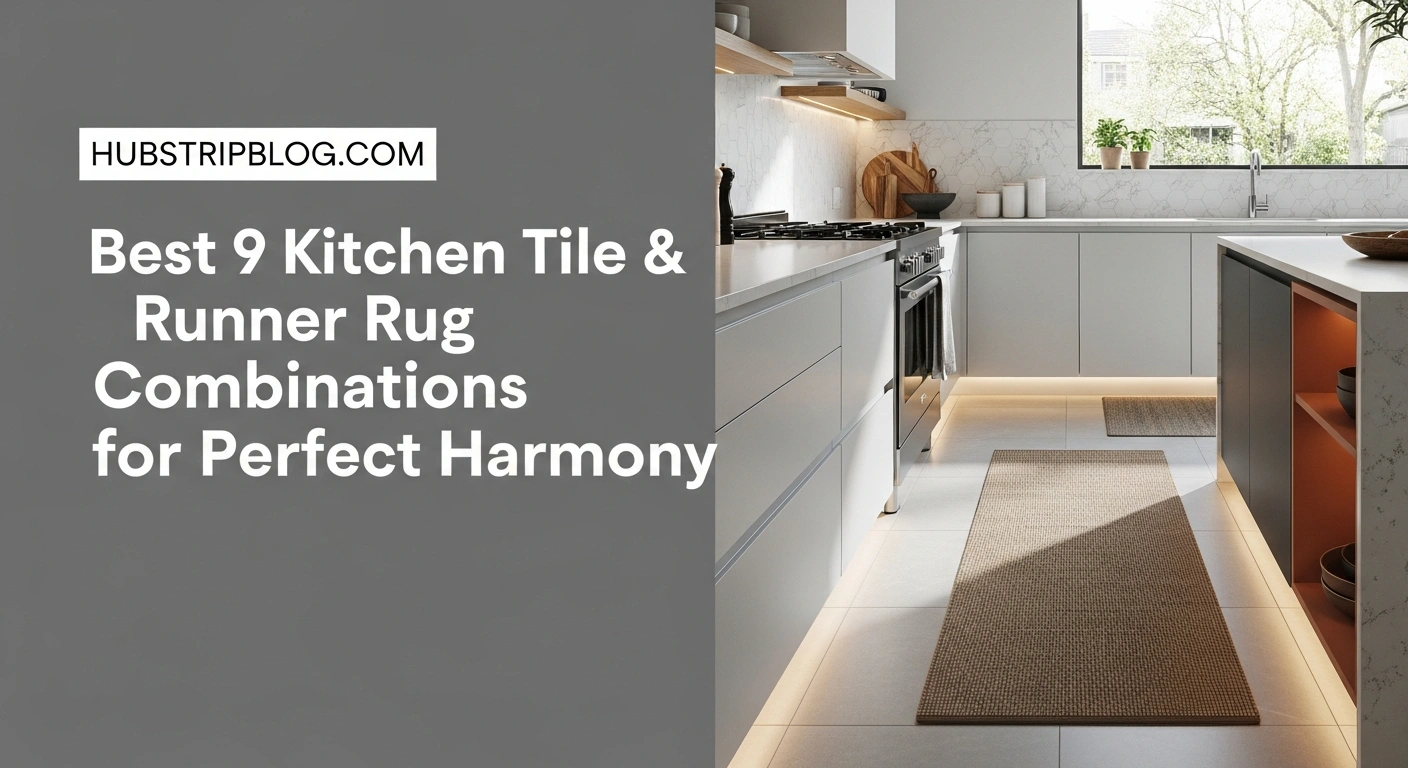
6. Industrial Chic: Concrete-Look Tile & Distressed Persian
Embrace the raw beauty and urban edge of industrial design with this sophisticated combination. Concrete-look tiles provide a robust, utilitarian foundation, while a distressed Persian runner introduces a touch of elegant history and softness, creating a compelling contrast.
Tile Selection Deep Dive: The Strength of Concrete-Look Tile
Concrete-look porcelain tiles are the cornerstone of industrial chic, delivering the aesthetic of poured concrete without the sealing and maintenance complexities. Choose large format tiles in shades of cool gray, from light silver to deep charcoal. A matte or slightly textured finish enhances the realistic concrete effect, adding an authentic, unpolished feel. These tiles are incredibly durable, stain-resistant, and perfect for high-traffic kitchens. They create a strong, minimalist base that exudes urban sophistication and pairs beautifully with other industrial elements like exposed brick or metal accents.
Runner Rug Spotlight: The Elegance of Distressed Persian
To soften the industrial edge and inject a dose of curated elegance, pair the concrete-look tiles with a distressed Persian runner rug. “Distressed” means the rug has a faded, worn appearance, either naturally over time or through intentional treatment. This gives the rug a rich history and character without being overly vibrant or pristine. Classic Persian patterns, often featuring intricate medallions and floral motifs, are timeless. The muted colors—faded reds, blues, creams, and greens—will provide a lush, textural counterpoint to the starkness of the concrete. Wool or synthetic versions designed to mimic wool are ideal for wear and tear.
Why This Combination Works
This pairing thrives on sophisticated contrast. The cool, hard, and uniform nature of the concrete-look tile provides a stark, modern backdrop. The distressed Persian rug then introduces warmth, intricate pattern, rich history, and softness, creating a captivating visual tension. It’s the meeting of two worlds – industrial raw power and old-world artistry – resulting in a kitchen that is daring, refined, and deeply interesting. This blend firmly establishes it as one of the best coordinated kitchen tiles and runner rugs for an industrial aesthetic with a refined twist.
Design Tips & Considerations
- Metal Accents: Incorporate industrial elements like black metal hardware, stainless steel appliances, and perhaps exposed ductwork or open shelving with metal brackets to reinforce the theme.
- Warm Woods: Introduce warm wood elements (e.g., a rustic dining table, butcher block countertops, or a cutting board) to balance the coolness of the tile and metal and tie into the rug’s warmth.
- Lighting: Consider industrial-style pendant lighting with metal shades to enhance the overall aesthetic.
7. Victorian Elegance: Checkerboard Tile & Ornate Floral
Step back in time to an era of grandeur and meticulous detail with this opulent combination. The classic checkerboard tile lays a foundation of structured formality, while an ornate floral runner rug layers on lavish patterns and rich colors, embodying true Victorian extravagance.
Tile Selection Deep Dive: The Timelessness of Checkerboard Tile
Checkerboard tile, traditionally black and white, is a quintessential Victorian flooring choice. The alternating pattern creates a striking visual impact, conveying a sense of order, history, and formal elegance. While black and white is classic, variations using cream and black, or even two shades of gray, can offer a softer interpretation. Small to medium-sized squares (4×4 to 8×8 inches) are typically used for this pattern. The ceramic or porcelain tiles themselves are durable and easy to clean, providing a robust base for a kitchen that exudes historical charm.
Runner Rug Spotlight: The Grandeur of Ornate Floral
To fully capture Victorian elegance, select an ornate floral runner rug. Think richly detailed patterns featuring intertwined roses, acanthus leaves, intricate scrolls, and delicate blossoms. The color palette should be deep and luxurious—burgundies, emerald greens, navy blues, gold, and cream are often found in authentic Victorian textiles. The dense patterning and often velvety texture of such a rug provide a luxurious counterpoint to the structured geometry of the checkerboard. Wool or high-quality synthetic blends that mimic wool are suitable for their rich appearance and durability.
Why This Combination Works
This pairing is a celebration of pattern, depth, and historical beauty. The crisp, geometric lines of the checkerboard tile provide a formal and historic framework, while the elaborate, organic flow of the floral runner introduces softness, romance, and a sense of plush luxury. The contrast between the linear base and the fluid pattern creates a dynamic visual experience that is unmistakably Victorian. This specific blend of elements truly creates the best coordinated kitchen tiles and runner rugs for an era-appropriate and lavish kitchen.
Design Tips & Considerations
- Period Details: Incorporate other Victorian elements such as dark wood cabinetry, intricate moulding, brass hardware, and perhaps a clawfoot table or elaborate light fixtures.
- Rich Colors: Echo the deep, jeweled tones of the rug in other kitchen accents, such as painted cabinetry or decorative plates.
- Balance: While ornate, ensure the rug doesn’t completely overwhelm the checkerboard pattern; allow enough tile to show on either side.
8. Mediterranean Vibes: Patterned Cement Tile & Kilim Runner
Transport your kitchen to the sun-drenched coasts of the Mediterranean with this vibrant and richly textured combination. Patterned cement tiles bring an artisanal flair and bold design, perfectly complemented by the earthy, geometric charm of a Kilim runner rug.
Tile Selection Deep Dive: The Artistry of Patterned Cement Tile
Patterned cement tiles are renowned for their stunning, intricate designs and vibrant colors, offering an immediate focal point. Handmade and incredibly durable, these tiles feature repeating geometric, floral, or abstract patterns often inspired by Moorish and European aesthetics. For a Mediterranean vibe, opt for tiles with patterns in blues, greens, ochres, terracottas, and creams. The matte finish and slight variations inherent to hand-pressed cement tiles add to their authentic, artistic appeal. They create a floor that feels like a handcrafted work of art, full of warmth and character.
Runner Rug Spotlight: The Earthy Beauty of Kilim
A Kilim runner rug is the ideal partner for patterned cement tiles. Kilims are flat-woven rugs, typically from Turkey or Persia, known for their bold geometric patterns, stripes, and rich color palettes derived from natural dyes. Unlike pile rugs, their flat weave makes them extremely durable and easy to clean, perfect for a kitchen. Choose a Kilim with colors that either complement or pick up subtle tones within your patterned cement tiles (e.g., a blue and terracotta Kilim with tiles featuring the same hues). Its graphic simplicity and earthy texture balance the more elaborate tile patterns beautifully.
Why This Combination Works
This pairing is a celebration of craftsmanship, vibrant patterns, and natural textures. The intricate, colorful patterns of the cement tiles lay down a strong artistic foundation, while the Kilim runner, with its equally distinctive but often simpler geometric patterns and flat weave, introduces another layer of cultural richness and texture. The interplay of two strong patterns works because of their shared artisanal quality and often complementary color schemes. This creates an authentically soulful and visually rich kitchen, emblematic of the best coordinated kitchen tiles and runner rugs for a Mediterranean aesthetic.
Design Tips & Considerations
- Warm Lighting: Use warm-toned lighting to enhance the richness of the colors and materials.
- Natural Materials: Incorporate other natural materials like terracotta pottery, hand-blown glass, and natural wood to further evoke the Mediterranean feel.
- Ventilation: Ensure good ventilation, especially since cement tiles can be porous and Kilims are flat-woven.
9. Farmhouse Fresh: Hexagon Tile & Buffalo Check
Capture the inviting charm and relaxed elegance of a modern farmhouse kitchen with this delightful combination. Hexagon tiles offer a classic, yet fresh geometric pattern, while a buffalo check runner instantly evokes country comfort and timeless style.
Tile Selection Deep Dive: The Versatility of Hexagon Tile
Hexagon tiles bring a touch of playful geometrics and vintage charm to a kitchen floor. For a farmhouse aesthetic, opt for classic white, cream, or light gray hexagons, often with a matte finish. You might choose small, traditional hexagons (1-2 inches) for a more vintage look, or larger ones (3-6 inches) for a contemporary farmhouse feel. Consider using a contrasting grout color (e.g., light gray grout with white hexagons) to make the hexagonal pattern more pronounced, adding subtle visual interest without being overly busy. These tiles offer excellent durability and a unique visual texture that subtly elevates a simple floor.
Runner Rug Spotlight: The Iconic Buffalo Check
The buffalo check pattern on a runner rug is synonymous with farmhouse style. This bold, large-scale plaid, typically in high-contrast colors like black and white, or red and white, immediately brings a sense of cozy familiarity and graphic appeal. The simplicity and clarity of the buffalo check pattern make it incredibly versatile. Choose a cotton or synthetic blend rug for washability and durability, qualities essential for a hardworking kitchen. The distinct pattern provides a strong visual anchor that grounds the space in comfort and traditional charm.
Why This Combination Works
This pairing is a celebration of accessible elegance and comforting familiarity. The geometric nature of the hexagon tiles offers a subtly playful yet clean backdrop, providing a touch of modern farmhouse sophistication. The buffalo check runner then layers on a classic and comforting pattern that instantly reads as “farmhouse.” The two patterns — the small, intricate hexagon and the large, bold check — work beautifully together due to their differing scales and the way they both contribute to a layered, inviting aesthetic. This makes it a prime example of the best coordinated kitchen tiles and runner rugs for a fresh and welcoming farmhouse kitchen.
Design Tips & Considerations
- Wood Accents: Pair with rustic wood elements like a farmhouse table, reclaimed wood shelving, or a butcher block island to reinforce the theme.
- Neutral Palette: Stick to a largely neutral palette for the rest of the kitchen, allowing the buffalo check to be a distinctive, yet warm, focal point.
- Textile Layering: Introduce other complementary textiles like linen dish towels, simple woven placemats, or gingham curtains to build a cohesive farmhouse feel.
Elevating Your Kitchen: Beyond the Basics
Achieving the best coordinated kitchen tiles and runner rugs is an art form that transforms a functional space into a personal statement. However, the journey doesn’t end with selection. To truly master kitchen design and ensure your choices endure, it’s vital to consider the practicalities of maintenance, the power of personalization, and the long-term value of your design investment. These considerations ensure that your beautiful pairings remain stunning and continue to bring joy for years to come.
Longevity and Ease of Maintenance: A Practical Imperative
In a high-traffic, spill-prone environment like a kitchen, the longevity and ease of maintenance for both your tiles and runner rug are non-negotiable. When selecting your tiles, consider materials renowned for their durability, stain resistance, and ease of cleaning, such as porcelain or ceramic. Grout color and sealant application can also significantly impact how well your tiled floor withstands the rigors of daily life.
For your runner rug, prioritize materials that are washable, stain-resistant, and can withstand frequent foot traffic. Synthetic rugs (like polypropylene or nylon) are often excellent choices for resilience and easy spot cleaning. Natural fibers like wool offer natural stain resistance but might require professional cleaning. Regularly vacuuming your rug and promptly addressing spills on both surfaces will extend their life and preserve their beauty. A truly harmonious kitchen is one that not only looks exceptional but effortlessly withstands the test of time and activity.
The Art of Personalizing Your Perfect Pairing
While these nine combinations offer expertly curated blueprints, the ultimate goal is to personalize your kitchen to reflect your unique taste and lifestyle. The “best coordinated” approach is subjective and deeply personal. Don’t be afraid to add your own twist to these pairings. Perhaps it’s a unique grout color for your subway tiles, an unexpected and vibrant accent color in a Kilim rug, or a specific finish that speaks to your personality.
Consider elements beyond the tiles and rug. How do your cabinet choices, countertop material, backsplash, and even small decorative items interact with your chosen pairing? Think about how the light enters your kitchen at different times of the day and how it influences the perceived colors and textures. Personalization can come through incorporating heirloom pieces, showcasing unique artwork, or integrating smart kitchen technologies that enhance efficiency. Your kitchen should be a reflection of who you are, a space where every element, from the largest tile to the smallest rug fiber, resonates with your individual style.
The Investment in Design Excellence
Choosing the best coordinated kitchen tiles and runner rugs is more than just a decorative decision; it’s an investment in the overall value, functionality, and aesthetic pleasure of your home. A well-designed kitchen not only enhances your daily living experience but also significantly contributes to your home’s resale value. Thoughtful design, durable materials, and cohesive aesthetics signal quality and attention to detail to potential buyers.
Beyond monetary value, there’s the invaluable investment in your quality of life. A kitchen that is beautiful, comfortable, and functional encourages gathering, cooking, and creating cherished memories. It transforms a utilitarian space into a true sanctuary. By meticulously planning and selecting your tile and runner rug combinations, you are laying the groundwork for a kitchen that is not just physically appealing, but emotionally enriching, a testament to the enduring power of exceptional design.
Conclusion
The pursuit of the best coordinated kitchen tiles and runner rugs is a rewarding journey that culminates in a space of undeniable beauty and functionality. We’ve explored how mastering color theory, balancing textures, and understanding your kitchen’s unique style are foundational to creating harmony. Our deep dive into nine distinct combinations has showcased the incredible diversity of design possibilities, from classic elegance to rustic charm, and modern minimalism to vibrant Mediterranean flair. Each pairing, meticulously crafted, offers a pathway to a kitchen that is not only visually stunning but also deeply reflective of your personal aesthetic.
Remember, the true magic lies in the details—the grout choice that subtly enhances your subway tiles, the faded patina that gives your Oushak rug its soul, or the durable fiber that keeps your synthetic runner looking fresh. These choices, when made with intention and an eye toward overall cohesion, transform your kitchen from a mere collection of elements into a unified, inviting sanctuary. Let these insights empower you to select the perfect tile and rug pairing, creating a kitchen that not only functions flawlessly but also radiates a warmth and style that welcomes everyone who enters. Step forward with confidence, and craft the kitchen of your dreams.