Why Slip-Resistant Kitchen Floor Tiles are a Non-Negotiable Priority
Slip-Resistant Kitchen Floor Tiles – In a space where spills, splashes, and hurried movements are common occurrences, the risk of accidents is inherently higher. Investing in slip-resistant kitchen floor tiles isn’t merely an upgrade; it’s a fundamental decision that impacts the well-being of everyone who steps into your culinary sanctuary. This crucial choice moves beyond superficial beauty, delving into the core of practicality and preventive care.
Beyond Aesthetics: The Paramount Importance of Safety
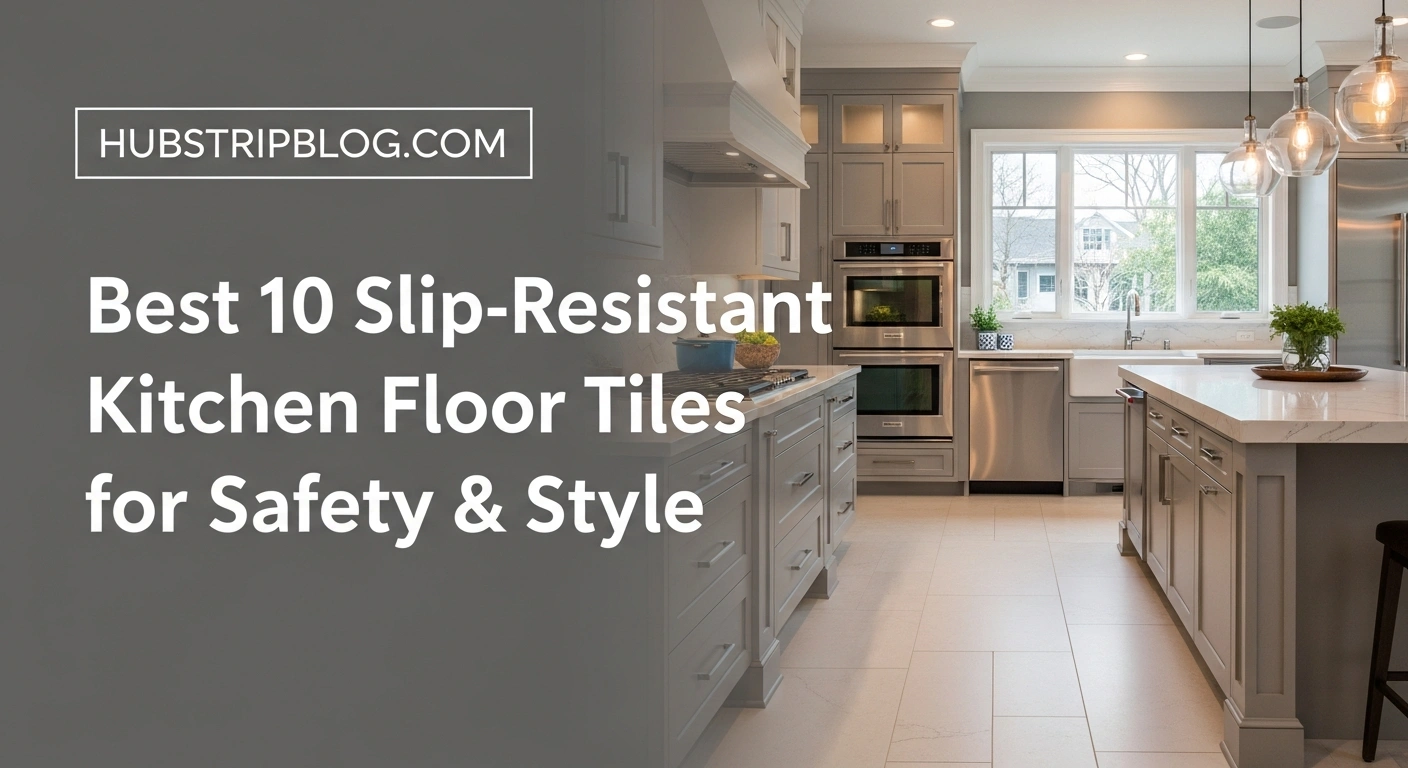
While the visual appeal of your kitchen flooring is undoubtedly important, safety must always take precedence. Slip-resistant kitchen floor tiles are engineered to provide enhanced traction, significantly reducing the likelihood of slips and falls, especially when floors become wet or greasy. This gives you unparalleled peace of mind, knowing that your loved ones and guests are protected in the busiest room of the house. It allows you to focus on cooking and entertaining, rather than constantly worrying about potential hazards underfoot.
The Hidden Costs of Slipping: Injuries and Liabilities
A simple slip can have far-reaching consequences, extending beyond immediate pain and embarrassment. Injuries can range from minor bruises and sprains to more severe fractures or head trauma, often requiring costly medical attention and prolonged recovery periods. For homeowners, this translates to medical bills and lost productivity; for commercial kitchens, it can mean workers’ compensation claims, increased insurance premiums, and potential legal liabilities that can severely damage a business’s reputation and bottom line. Properly chosen slip-resistant kitchen floor tiles act as your primary defense against these unforeseen and often expensive outcomes.
Elevating Your Kitchen’s Functionality and Value
A safe kitchen is an efficient kitchen. When there’s less concern about slipping, movement becomes more fluid, and tasks can be performed with greater confidence and speed. This enhanced functionality contributes significantly to the overall enjoyment and usability of the space. Furthermore, a kitchen equipped with high-quality, slip-resistant kitchen floor tiles subtly communicates attention to detail and a commitment to quality, ultimately boosting your home’s market value and appeal to potential buyers who prioritize both style and safety.
Decoding Slip Resistance: Understanding R-Ratings and COF
To confidently select the best slip-resistant kitchen floor tiles, it’s essential to understand the scientific measures used to quantify their grip. These ratings provide an objective standard, allowing you to make informed decisions that genuinely enhance your kitchen’s safety. Don’t let technical jargon intimidate you; understanding these concepts is key to a truly secure floor.
The R-Rating System: A Universal Measure for Slip Resistance
The “R-rating,” or Ramp Test Value, is an internationally recognized standard (DIN 51130) that measures a tile’s slip resistance when walking on an inclined surface with oil-lubricated footwear. This test classifies tiles from R9 (lowest slip resistance) to R13 (highest slip resistance). For residential kitchens, an R9 or R10 rating is generally considered adequate, but an R11 is highly recommended for optimal safety against common spills, making it an excellent choice for truly slip-resistant kitchen floor tiles. Commercial kitchens often require R12 or R13 due to more extreme conditions.
Coefficient of Friction (COF): Another Key Indicator
The Coefficient of Friction (COF) is another critical metric, measuring the resistance between two surfaces. Specifically, two types are relevant for flooring:
- Static Coefficient of Friction (SCOF): Measures the force needed to get a stationary object moving across a surface.
- Dynamic Coefficient of Friction (DCOF): Measures the force needed to keep an object moving across a surface.
Current industry standards increasingly focus on DCOF, as it better simulates real-world walking conditions. For slip-resistant kitchen floor tiles, a DCOF of 0.42 or higher is generally recommended for wet areas by organizations like the Tile Council of North America (TCNA). Always check the manufacturer’s specified DCOF rating.
Beyond Ratings: Other Factors Influencing Slip-Resistance
While R-ratings and COF provide crucial data, other factors significantly contribute to a tile’s real-world slip resistance. Texture is paramount; tiles with a slightly abrasive or textured surface naturally offer more grip than smooth, highly polished options, even when dry. The size and spacing of grout lines also play a role, as wider or more numerous grout lines can add to the overall traction of the floor. Finally, the tile’s finish – matte or unglazed versus glossy – directly impacts its slipperiness, with matte finishes consistently offering superior grip for slip-resistant kitchen floor tiles.
The Core Selection: Top 10 Slip-Resistant Kitchen Floor Tiles for Every Home
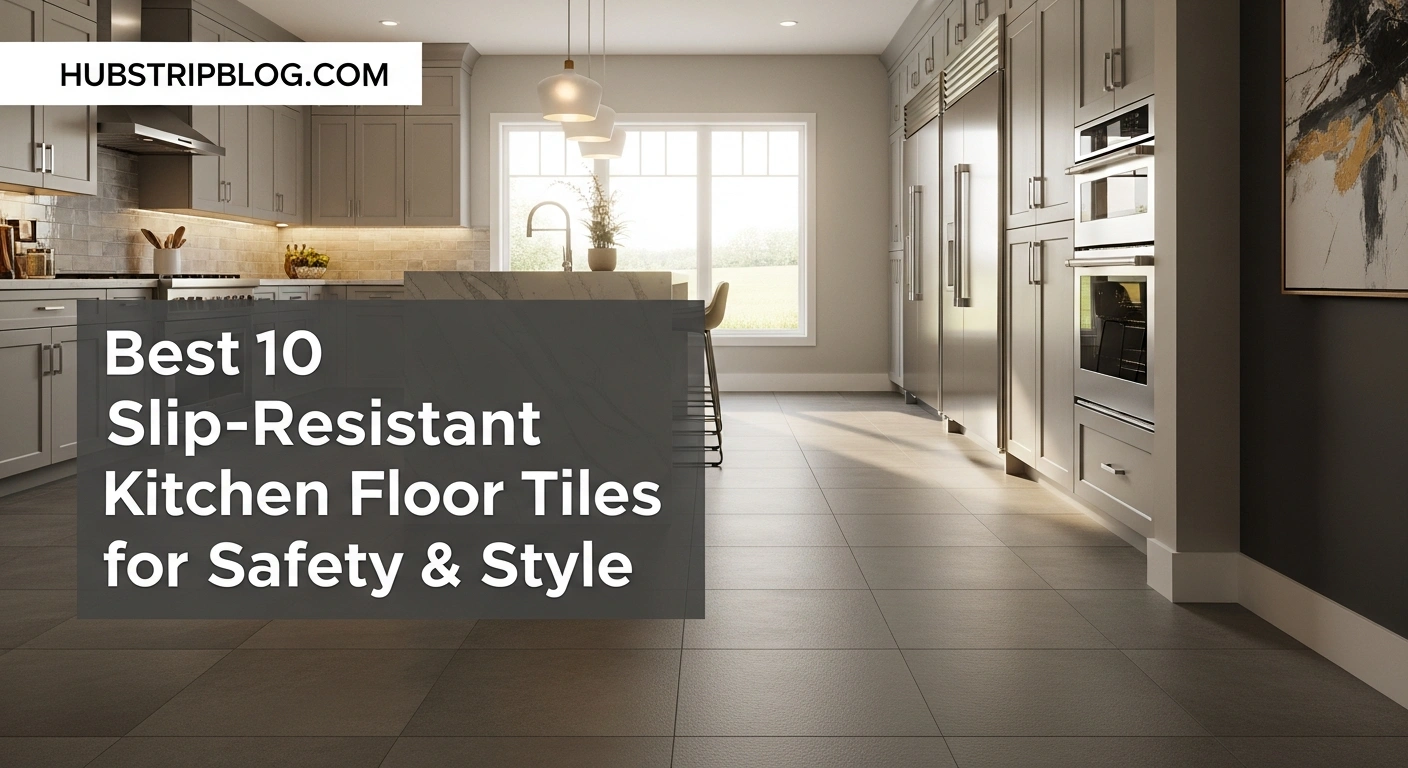
Choosing the best slip-resistant kitchen floor tiles means balancing superior grip with aesthetic appeal and durability. This curated list highlights ten outstanding options, each offering a unique blend of safety features, style, and practical benefits to create the perfect foundation for your culinary adventures. From rustic charm to modern minimalism, there’s a slip-resistant solution for every kitchen design.
1. Porcelain Tiles (Textured/Matte Finish): The Unrivaled Champion for Kitchens
When it comes to the ultimate blend of style, durability, and a high degree of slip resistance, especially in a kitchen setting, textured or matte finish porcelain tiles reign supreme. These incredibly dense and low-porosity tiles are renowned for their resistance to moisture, stains, and heavy foot traffic, making them an ideal choice for the demanding environment of a kitchen. The secret to their slip-resistant capability lies in their surface treatment; opting for finishes that are unpolished, textured, or have a slight grain significantly increases their COF and R-rating, often achieving R10 or R11
.
Beyond their safety features, porcelain offers an astonishing array of design possibilities. You can find porcelain tiles that beautifully mimic the look of natural wood, stone, concrete, or even luxurious marble, all while providing superior grip and enduring performance. This versatility ensures that you don’t have to compromise on your aesthetic vision to achieve a safe floor. Easy to clean and incredibly hard-wearing, these slip-resistant kitchen floor tiles represent a smart, long-term investment for any home.
2. Quarry Tiles: Rustic Charm Meets Industrial Durability
Quarry tiles evoke a sense of timeless strength and robustness, making them an excellent choice for a kitchen floor where both durability and slip resistance are paramount. Made from unglazed, extruded natural clay, shale, and other minerals, these tiles are fired at high temperatures, resulting in dense, hard-wearing surfaces. Their inherent unglazed nature means they typically possess a naturally rougher, more textured surface than many glazed alternatives, providing an excellent grip even when wet.
They often come in warm, earthy tones like reds, browns, oranges, and grays, contributing a cozy, rustic, or even industrial aesthetic to your kitchen space. Quarry tiles are incredibly resistant to impacts, scratches, and moisture, which is vital in a busy kitchen. While they may require sealing to enhance stain resistance, their natural texture consistently delivers reliable slip protection, solidifying their position as a top contender for slip-resistant kitchen floor tiles. Their durability ensures they can withstand the rigors of daily kitchen life for decades.
3. Ceramic Tiles (Unglazed/Textured): Versatility and Tried-and-True Grip
While often grouped with porcelain, traditional ceramic tiles, particularly those that are unglazed or feature a textured surface, offer a fantastic combination of versatility and essential slip resistance for kitchen environments. Ceramic tiles are made from clay, feldspar, and quartz, fired at high temperatures. The key to their slip-resistance lies in avoiding highly polished or smooth glazed options. Unglazed ceramic tiles absorb less water and retain a natural grit that enhances traction.
Textured versions, which might have raised patterns, subtle undulations, or a matte finish, further boost their COF and R-rating. These tiles are available in a vast spectrum of colors, patterns, and sizes, allowing for immense design flexibility to match any kitchen décor. They are generally more economical than porcelain, making them an accessible option for many homeowners seeking reliable slip-resistant kitchen floor tiles without breaking the bank. With proper installation and maintenance, textured ceramic tiles offer a durable and safe flooring solution that can withstand the demands of a busy kitchen.
4. Vinyl Tiles (Luxury Vinyl Plank/Tile – LVP/LVT): Modern Resilience with Seamless Safety
Luxury Vinyl Plank (LVP) and Luxury Vinyl Tile (LVT) have rapidly ascended in popularity due to their remarkable ability to mimic natural materials like wood and stone, combined with exceptional practical benefits. Most LVP/LVT products are inherently water-resistant or even waterproof, making them a fantastic choice for kitchens where spills are inevitable. Beyond their moisture resistance, modern vinyl flooring is typically engineered with a slightly textured surface and a durable wear layer that offers excellent grip.
Many manufacturers specifically design their LVP/LVT products to have high DCOF ratings, making them genuinely slip-resistant kitchen floor tiles. Unlike hard tiles, vinyl also provides a softer feel underfoot, which can be more comfortable for standing during long cooking sessions and may offer a slight cushioning effect in the event of a fall. They are incredibly easy to clean and maintain, resisting scratches and dents well. This combination of style, comfort, water resistance, and robust slip-resistance makes LVP/LVT a top-tier modern option for the modern kitchen.
5. Rubber Flooring Tiles: The Ultimate in Cushion and Non-Slip Performance
For those prioritizing maximum comfort, shock absorption, and unparalleled slip resistance, rubber flooring tiles are an excellent, albeit less conventional, choice for kitchen areas. Commonly found in commercial kitchens, gyms, and play areas, rubber tiles offer an outstanding level of grip due to their inherently high coefficient of friction, especially when wet. Their elastic nature provides superior cushioning underfoot, reducing fatigue during long periods of standing and offering a significant degree of impact absorption, which can greatly minimize injury severity in case of a fall.
Rubber tiles are also incredibly durable, resistant to heavy traffic, and have excellent sound-absorbing properties, contributing to a quieter kitchen environment. They come in a variety of colors and textures, from smooth to studded, allowing for some customization. While the aesthetic might be more industrial or utilitarian, advancements in design offer more residential-friendly options now. For a kitchen where safety and ergonomic comfort are the absolute top priorities, these slip-resistant kitchen floor tiles are an unbeatable choice.
6. Cork Tiles: Sustainable Comfort with Natural Resistance
Cork flooring offers a unique blend of natural beauty, remarkable comfort, and inherent slip resistance, positioning it as an increasingly popular choice for eco-conscious homeowners. Made from the bark of the cork oak tree, cork tiles are naturally soft and elastic, providing a comfortable, resilient surface that’s easy on joints and helps absorb sound. Their cellular structure gives them a natural texture, which, when properly sealed, provides a good level of grip, even when slightly damp.
The inherent warmth of cork underfoot is another appealing feature, especially in colder climates. While cork is naturally water-resistant due to its suberin content, it must be properly sealed with a polyurethane finish to protect against spills and moisture in a kitchen environment. This sealing not only enhances its durability but also contributes to its slip-resistant properties. For those seeking a sustainable, comfortable, and naturally slip-resistant kitchen floor tile with distinctive character, cork is a truly compelling option.
7. Slate Tiles: Earthy Elegance and Inherently Textured Safety
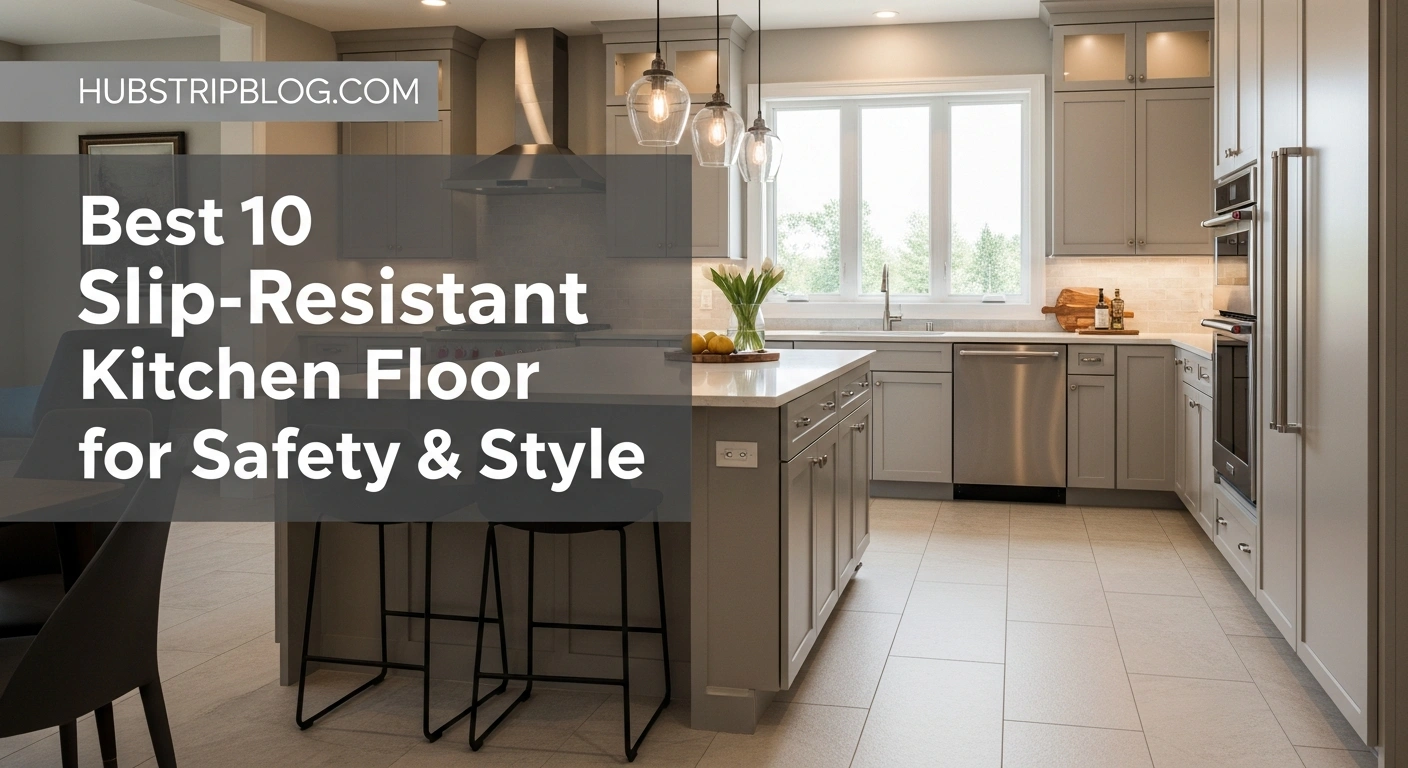
Slate is a natural stone renowned for its distinctive, earthy appearance and rugged durability, making it an excellent candidate for slip-resistant kitchen floor tiles. Unlike highly polished stones, slate naturally forms in layers, creating a subtly textured, cleft surface that inherently offers superior traction. This natural roughness is a key factor in its high slip resistance, even in areas prone to moisture. The characteristic variations in color, ranging from deep grays and blues to greens and rustic browns, ensure that each slate floor is unique and adds a touch of organic elegance to any kitchen design.
Slate is incredibly hard-wearing, resistant to scratches, dents, and heavy foot traffic. While it is naturally porous and requires sealing to protect against stains, this maintenance step does not diminish its slip-resistant qualities. Its robust nature and timeless aesthetic make it a durable and safe choice for a kitchen floor that requires strength and style. For a natural stone look with built-in safety, slate is an exceptional option.
8. Travertine Tiles (Honed/Tumbled): Old-World Beauty, Enhanced Grip
Travertine, a form of limestone, offers a beautiful, old-world aesthetic with distinct veining and natural pitting. While polished travertine can be quite slippery, choosing honed or tumbled finishes can transform it into a wonderfully slip-resistant kitchen floor tile. Honed travertine has a matte, smooth finish that retains some natural texture without the high sheen, providing more grip than a polished surface. Tumbled travertine is even more rustic, with a rougher, more porous surface and softened edges, making it exceptionally slip-resistant.
These finishes enhance the stone’s natural grip, making them suitable for kitchens when properly sealed. Travertine tiles typically come in warm, neutral tones like beige, tan, cream, and rust, infusing kitchens with a calming, luxurious ambiance. Like other natural stones, travertine is porous and requires sealing to protect against stains and moisture. When correctly installed and maintained, honed or tumbled travertine provides a unique blend of classic elegance and robust safety for a truly distinguished kitchen floor.
9. Concrete Tiles (Textured/Sealed): Contemporary Edge with Robust Non-Skid Properties
Concrete tiles offer a cutting-edge, industrial-chic aesthetic that appeals to modern and minimalist designs, and with the right treatment, they can be exceptionally slip-resistant kitchen floor tiles. While polished concrete slabs can be slippery, pre-cast concrete tiles can be manufactured with various textures, aggregates, and patterns that significantly enhance traction. Finishes like brushed, sandblasted, or those incorporating aggregate expose a rougher surface, inherently providing greater grip.
Beyond texture, concrete tiles are incredibly durable, resistant to heavy impacts, and can withstand the rigors of a busy kitchen environment. They can be colored and stained to achieve a wide range of looks, from subtle grays to vibrant hues. Importantly, concrete tiles need to be properly sealed to protect against stains and moisture infiltration, especially in a kitchen. This sealing process, ideally with a non-slip additive, will maintain their integrity and boost their slip-resistant characteristics, making them a contemporary and robust choice for safety.
10. Terrazzo Tiles (Abrasive Additives): Timeless Artistry, Modern Safety Innovation
Terrazzo, a composite material made of chips of marble, quartz, granite, or glass set in a binder and then ground and polished, is known for its stunning, speckled appearance and immense durability. Traditionally, terrazzo can be quite smooth. However, modern terrazzo tiles are ingeniously engineered to incorporate abrasive additives or fine anti-slip aggregates within the mix or on the surface layer, specifically designed to deliver superior slip resistance. This makes them a sophisticated and highly effective option for slip-resistant kitchen floor tiles.
The unique beauty of terrazzo lies in its customizable matrix and chip combinations, allowing for an incredibly versatile aesthetic from retro to ultra-modern. It’s exceptionally hard-wearing, resistant to stains (when sealed), and retains its beauty for decades, often outlasting the building itself. When specified with those crucial anti-slip enhancements, terrazzo tiles combine artistic flair with high-performance safety, making them an excellent choice for a kitchen floor that demands both visual impact and unwavering protection.
Beyond the Tile: Ensuring Long-Term Slip Resistance & Maintenance
Selecting the right slip-resistant kitchen floor tiles is the first, crucial step, but ensuring their continued safety and longevity requires attention to installation, cleaning, and ongoing maintenance. Even the most slip-resistant tile can become hazardous if neglected. Holistic care ensures your investment truly protects your home for years to come.
Proper Installation Techniques for Maximum Grip
The efficacy of your slip-resistant kitchen floor tiles hinges significantly on professional and meticulous installation. Correct preparatory steps, such as ensuring a perfectly level and clean subfloor, are vital for stability. Adequate space for grout lines, typically between 1/8 to 1/4 inch, contributes to additional traction, as the grout itself offers some grip. Furthermore, it’s paramount that tiles are laid perfectly flat; any lippage (uneven edges between tiles) can create trip hazards, negating the slip-resistant properties and potentially leading to accidents. Investing in professional installation is not just about aesthetics, but about guaranteeing the functional safety of your floor.
Smart Cleaning & Maintenance Practices
To preserve the slip resistance of your kitchen tiles, establishing a consistent and appropriate cleaning routine is essential. Regular sweeping or vacuuming removes loose dirt and grit that can diminish traction. When mopping, always use a pH-neutral cleaner specifically designed for your tile type, avoiding harsh chemicals or oil-based solutions that can leave a slippery residue. Ensure the floor is thoroughly rinsed and dried quickly, as standing water and lingering cleaning product films can increase slipperiness. For heavily textured slip-resistant kitchen floor tiles, an occasional deep scrub with a brush might be necessary to remove dirt trapped in the crevices.
Enhancing Existing Slip Resistance: Treatments & Mats
Sometimes, even with the best tiles and maintenance, an extra layer of protection might be desired or necessary. Fortunately, there are effective solutions to further enhance slip resistance.
Anti-Slip Coatings and Sealants
For tiles that might not inherently possess the highest slip resistance, or for added peace of mind, specialized anti-slip coatings and sealants can be applied. These products typically contain microscopic aggregates or create a microscopic texture on the surface without altering the appearance of the tile. They effectively increase the COF, making the floor significantly less slippery, especially when wet. These treatments are durable and can be reapplied as needed, offering a cost-effective way to boost the safety profile of existing or new slip-resistant kitchen floor tiles. Always ensure the product is suitable for kitchen use and follow manufacturer instructions carefully.
Strategically Placed Anti-Fatigue Mats
In areas of your kitchen where you spend the most time standing – such as in front of the sink, stove, or mainprep area – anti-fatigue mats are an excellent addition. Beyond providing an extra layer of cushioning for comfort, these mats significantly boost localized slip resistance. Look for mats with non-slip backings specifically designed for wet areas. They effectively capture spills and provide a high-traction surface, making crucial work zones even safer. These mats are particularly beneficial on any type of kitchen flooring, serving as an additional safeguard and ergonomic aid.
Making the Right Choice: Factors to Consider When Selecting Your Slip-Resistant Kitchen Floor Tiles
Choosing the perfect slip-resistant kitchen floor tiles is a multifaceted decision that involves more than just picking a design you like. It requires a thoughtful evaluation of how the flooring will perform, endure, and integrate into your lifestyle and budget. By weighing these key factors, you can ensure your final selection is one you’ll love and trust for years to come.
Design Aesthetics vs. Functional Imperatives
While the primary goal is safety, you shouldn’t have to sacrifice style. With the vast array of options available today, you can find slip-resistant kitchen floor tiles that perfectly complement your kitchen’s aesthetic. However, always prioritize the R-rating and DCOF over a slick, polished look that may compromise safety. Consider how the texture and finish of the tile will interact with your overall design vision, ensuring it enhances, rather than detracts from, your kitchen’s appeal while remaining fundamentally safe. A balanced approach ensures both beauty and crucial safety.
Durability and Longevity: A Smart Investment
Your kitchen floor endures heavy foot traffic, constant spills, and the occasional dropped pot. Therefore, the durability and longevity of your chosen slip-resistant kitchen floor tiles are critical. Look for tiles that are dense, scratch-resistant, and can withstand the daily rigors of kitchen life without signs of wear. Materials like porcelain, quarry tile, and high-quality LVT are excellent long-term investments. A durable floor not only saves you money on replacements and repairs but also maintains its slip-resistant properties over time, continuing to protect your family effectively.
Budgetary Considerations: Quality Doesn’t Always Mean Costly
The cost of slip-resistant kitchen floor tiles can vary widely based on material, brand, and finish. While it’s tempting to opt for the cheapest option, remember that your floor is a long-term investment in both convenience and safety. Budget for quality, factoring in not just the tile cost but also installation and any necessary sealing or anti-slip treatments. There are excellent slip-resistant options across all price points, from affordable textured ceramic to premium natural stone. Prioritize value – a tile that offers superior safety and durability at a reasonable price – over just the lowest upfront cost, as it yields significant long-term benefits.
Installation Complexity and DIY Potential
Before making your final selection, consider the complexity of installation. Some slip-resistant kitchen floor tiles, such as LVP, can be relatively straightforward to install for a competent DIYer, potentially saving on labor costs. Others, like large format natural stone or intricate patterns, demand specialized tools, expertise, and precision, making professional installation almost a necessity. Factor in the time, effort, and potential costs associated with installation. A poorly installed floor, regardless of tile quality, can lead to premature wear, aesthetic flaws, and even safety hazards, undermining your investment.
Conclusion
The kitchen is the heart of your home, and it deserves a foundation that prioritizes both safety and style. Embracing the power of slip-resistant kitchen floor tiles is a transformative decision, moving beyond mere aesthetics to provide an unwavering commitment to the well-being of everyone who gathers in your culinary space. From the everyday spills to the energetic hustle of family life, these specialized tiles offer unparalleled peace of mind, ensuring every step is secure.
We’ve explored the crucial science behind slip resistance, understood the value of R-ratings and DCOF, and unveiled a world of ten exceptional tile types – from the hard-wearing elegance of textured porcelain to the earthy grip of slate and the modern resilience of LVT. Each option presents a unique blend of durability, design versatility, and, most importantly, enhanced traction. Remember, ensuring long-term safety extends beyond the initial choice; proper installation, diligent cleaning, and strategic enhancements like anti-slip coatings or mats all play a vital role.
Don’t let the fear of slips and falls dampen the joy of your kitchen. By thoughtfully considering design, durability, budget, and installation, you can confidently select the perfect slip-resistant kitchen floor tiles that not only elevate your home’s aesthetic appeal but also provide an enduring sanctuary of comfort and security. Invest in safety, invest in style, and unlock the full potential of your kitchen – a beautiful, functional, and undeniably safe space for all your cherished moments.