The Evolving Landscape of Home Security with Interior Cameras
The concept of home security has broadened dramatically over the past decade. It’s no longer just about protecting against burglars; it encompasses monitoring pets, checking on children or elderly relatives, and even identifying package deliveries at your doorstep from inside your home. Home interior cameras are at the forefront of this evolution, offering versatile solutions that cater to a wide range of needs. Their integration into the smart home ecosystem allows for seamless interaction with other devices, creating a truly interconnected security network.
Beyond Traditional Security: Modern Needs
Traditional security systems often focused on perimeter defense, such as door and window sensors. While effective, they offered limited visibility into the actual events occurring inside the home once an intrusion was detected. Modern homeowners desire more. They want to see, hear, and even speak through their security systems. This is where home interior cameras excel. They provide direct visual confirmation of events, enabling prompt action and providing crucial evidence for authorities. For many, these cameras also serve as valuable tools for monitoring everyday activities, ensuring the well-being of family members, and even keeping an eye on mischievous pets.
Key Benefits of Integrating Interior Surveillance
Integrating home interior cameras into your security strategy offers a multitude of benefits. Firstly, they act as a potent deterrent, as visible cameras can discourage potential intruders. Secondly, they provide invaluable real-time monitoring capabilities, accessible from anywhere via a smartphone or tablet. This means you can check in on your home from work, vacation, or even while running errands. Thirdly, in the unfortunate event of a break-in, these cameras capture high-definition footage, often complete with timestamps, which is critical for law enforcement investigations and insurance claims. Furthermore, many modern home interior cameras feature two-way audio, allowing you to communicate with family members, delivery personnel, or even scare off an intruder remotely.
Understanding Smart Home Interior Camera Features
The effectiveness of home interior cameras largely depends on their integrated features. High-definition video resolution (1080p, 2K, or even 4K) is crucial for clear identification. Night vision, powered by infrared LEDs, ensures visibility in low-light or complete darkness. Motion detection with customizable zones and sensitivity settings helps minimize false alarms and focuses recording on relevant events. Two-way audio facilitates communication, while cloud storage or local storage options dictate how footage is saved and accessed. Privacy features, such as physical shutters or privacy modes, are also increasingly important, addressing concerns about continuous surveillance.
How to Choose the Best Home Interior Camera
Selecting the right home interior camera can seem daunting given the vast array of options available. It’s crucial to consider your specific needs, budget, and existing smart home ecosystem. A thoughtful approach ensures you invest in a solution that truly enhances your security and peace of mind. Every aspect, from video quality to privacy concerns, plays a role in the overall effectiveness and user satisfaction with your chosen home interior cameras.
Essential Features to Look For
When evaluating home interior cameras, certain features stand out as non-negotiable for comprehensive security:
- Video Resolution: Aim for at least 1080p Full HD for clear images. Higher resolutions like 2K or 4K offer even greater detail, which can be critical for identification.
- Night Vision: Infrared (IR) night vision is standard. Look for cameras that offer a good range and clear black-and-white (or even color night vision in some advanced models) footage in complete darkness.
- Motion Detection & Alerts: Advanced motion detection with person, animal, or package detection can drastically reduce false alarms. Real-time alerts to your smartphone are vital for immediate response.
- Two-Way Audio: This feature allows you to hear what’s happening and speak through the camera, which is excellent for communicating with family or deterring intruders.
- Storage Options:
- Cloud Storage: Offers off-site backup, secure access, and usually requires a subscription.
- Local Storage: Typically via a microSD card, offering cost-free recording and privacy, though susceptible to loss if the camera is stolen.
- Field of View (FOV): A wider FOV means the camera covers more area. Pan and tilt functionality can extend this even further, reducing the need for multiple cameras.
- Privacy Features: Consider cameras with physical privacy shutters, custom privacy zones, or “home/away” modes that automatically disable recording when you’re home.
Connectivity and Ecosystem Compatibility
A smart home interior camera should seamlessly integrate with your existing smart home setup. Most cameras connect via Wi-Fi. Ensure your home network is robust enough to handle the increased bandwidth, especially if you plan to install multiple high-resolution cameras. Compatibility with smart home platforms like Amazon Alexa, Google Assistant, or Apple HomeKit is also a significant factor. This allows for voice control, automation routines (e.g., turning on lights when motion is detected), and a unified control interface. Before purchasing, verify that the camera you choose will work well with your smart hub or other smart devices.
Budget, Installation, and Aesthetics
The cost of home interior cameras varies widely, from budget-friendly options under $50 to premium models exceeding $200. Consider the long-term costs, including potential subscription fees for cloud storage and advanced features. Installation can range from simple plug-and-play setups to more complex wired installations that might require professional help. Finally, aesthetics matter, especially for easily visible home interior cameras. Many brands now design cameras to blend discreetly into home decor, offering various colors and sleek forms. Choose a camera that not only performs well but also fits harmoniously into your living space.
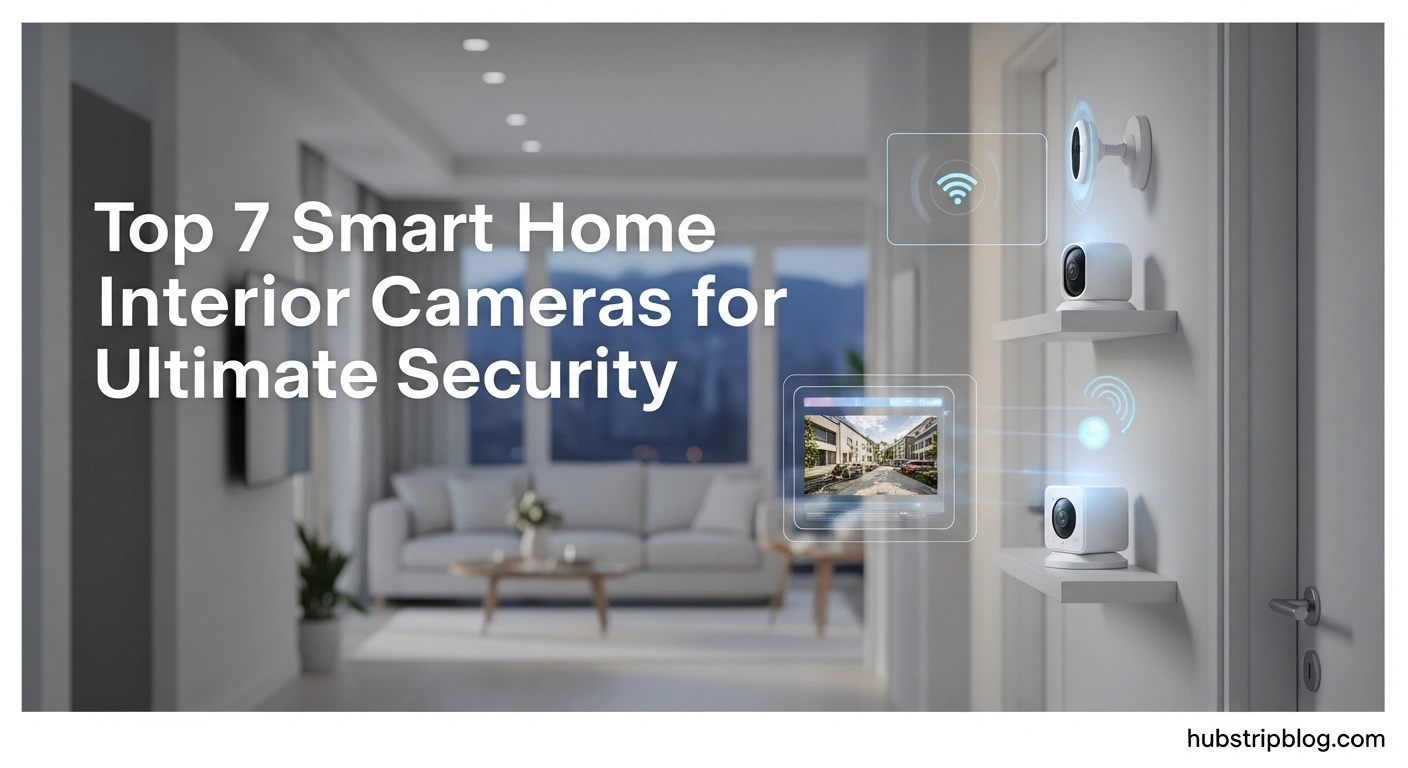
Top 7 Smart Home Interior Cameras for Ultimate Security
When it comes to safeguarding your home, choosing the right home interior camera is paramount. These seven cameras represent some of the best on the market, each offering a unique blend of features, reliability, and security-enhancing capabilities tailored for different needs and budgets.
1. Arlo Pro 4 Spotlight Camera
The Arlo Pro 4 Spotlight Camera stands out as a premium choice, offering unparalleled versatility and robust security features for both indoor and outdoor use, making it an excellent choice for prominent interior placement. Its wire-free design allows for flexible placement without being constrained by power outlets.
- Key Security Features:
- 2K HDR Video: Delivers crisp, detailed footage with improved image quality in bright and dark areas.
- Integrated Spotlight: Illuminates the area when motion is detected, providing color night vision and acting as a deterrent.
- 160-Degree View: A wide field of view minimizes blind spots.
- Two-Way Audio: Clear communication with visitors or intruders.
- Smart Object Detection: Differentiates between people, vehicles, animals, and packages (with Arlo Secure subscription).
- Wire-Free Setup: Battery-powered, offering extreme flexibility in placement.
The Arlo Pro 4 excels in systems where users want consistent security features across their entire property, bridging the gap between interior and exterior surveillance. Its advanced features and integration with the Arlo ecosystem make it a top contender for ultimate security.
2. Google Nest Cam (wired)
The Google Nest Cam (wired) is a sophisticated interior camera designed for continuous power and constant monitoring, seamlessly integrating with the Google Home ecosystem. It’s perfect for users who prioritize seamless smart home integration and advanced AI features.
- Key Security Features:
- 1080p HD Video with HDR: Provides clear video quality even in challenging lighting conditions.
- Person, Animal, and Vehicle Alerts (Built-in): Offers smart alerts right out of the box, reducing false alarms without a subscription.
- Activity Zones: Customize areas where you want to receive alerts.
- Two-Way Audio with Noise Cancellation: Enables clearer conversations.
- 3 Hours of Event Video History (Free): A generous amount of free cloud storage for reviewed events.
- Seamless Google Home Integration: Works effortlessly with Google Assistant and other Nest products.
This Nest Cam is ideal for continuous monitoring of key indoor areas. Its intelligent alerts and strong ecosystem integration make it a smart choice for a proactive security setup with home interior cameras.
3. Ring Indoor Cam
The Ring Indoor Cam offers an affordable yet reliable security solution, perfect for those already invested in the Ring ecosystem or looking for a straightforward, budget-friendly option. It’s designed specifically for indoor use, making it compact and discreet.
- Key Security Features:
- 1080p HD Video: Delivers clear, standard definition footage.
- Two-Way Talk: Allows you to speak to anyone on camera from your phone or tablet.
- Motion Detection with Customizable Zones: Focuses alerts on specific areas.
- Live View: Check on your home anytime through the Ring app.
- Night Vision: Ensures visibility in low-light conditions.
- Compact Design: Small footprint for discreet placement.
For those seeking basic yet effective indoor surveillance and wanting to expand their Ring network with dedicated home interior cameras, the Ring Indoor Cam is an excellent and cost-effective choice.
4. Wyze Cam v3
The Wyze Cam v3 has disrupted the market with its incredibly low price point without compromising essential security features. It offers exceptional value and includes features often found in much pricier cameras, making it a popular choice.
- Key Security Features:
- 1080p HD Video: Clear video resolution.
- Starlight Night Vision: Provides remarkably clear full-color night vision in extremely dark conditions, a standout feature.
- Motion and Sound Detection: Alerts you to movement and unusual sounds.
- Two-Way Audio: Standard communication feature.
- Local Storage (microSD) & Optional Cloud: Offers flexibility for storing footage.
- IP65 Weather Resistance: While primarily an indoor camera, its moderate weather resistance adds durability.
The Wyze Cam v3 is an undisputed winner in terms of affordability and feature set among home interior cameras. Its color night vision alone makes it a formidable contender for detailed low-light surveillance.
5. Eufy Security Indoor Cam 2K Pan & Tilt
Eufy’s Indoor Cam 2K Pan & Tilt is a privacy-focused champion that doesn’t skimp on features or performance. Its ability to pan, tilt, and zoom gives it a significant edge in covering larger indoor spaces.
- Key Security Features:
- 2K Resolution: Offers highly detailed and crisp video footage.
- Pan & Tilt Functionality: A 360° horizontal and 96° vertical range allows you to monitor an entire room with one camera.
- AI Human and Pet Detection: Intelligently identifies people and pets, reducing false alarms.
- Two-Way Audio: For communication.
- On-Device AI Processing: Ensures privacy and faster alerts by processing data locally.
- Local Storage (MicroSD) & Cloud Option: Offers both privacy-centric local storage and convenient cloud backup.
- Privacy Mode: The lens can physically rotate to face away from the room, ensuring complete privacy when desired.
For those prioritizing privacy and needing expansive coverage from a single device, the Eufy Security Indoor Cam 2K Pan & Tilt is an outstanding example of advanced home interior cameras.
6. Blink Mini
The Blink Mini is Amazon’s ultra-compact and highly affordable home interior camera, ideal for simple, no-frills monitoring within the Alexa ecosystem. It’s perfect for adding multiple surveillance points without breaking the bank.
- Key Security Features:
- 1080p HD Video: Delivers clear, standard-definition video.
- Motion Detection: Triggers recording and sends alerts.
- Two-Way Audio: Allows for communication.
- Infrared Night Vision: Provides visibility in the dark.
- Compact and Discreet: Designed to be unobtrusive and easily placed anywhere.
- Integration with Alexa: Seamless voice control and viewing on Echo devices.
The Blink Mini is an excellent choice for basic, cost-effective indoor monitoring, especially if you’re already using other Blink or Amazon devices. It exemplifies the simplicity and accessibility of modern home interior cameras.
7. TP-Link Kasa Spot Pan Tilt 2K (KC410S)
The TP-Link Kasa Spot Pan Tilt 2K (KC410S) offers an impressive blend of high-resolution video, expansive coverage, and smart features, all at a competitive price. It’s a strong contender for those seeking comprehensive monitoring without premium costs.
- Key Security Features:
- 2K HD Video: Provides crisp, detailed footage.
- Pan & Tilt Functionality: Offers 360° horizontal and 113° vertical views, allowing single-camera coverage of a large room.
- Activity Zones: Define specific areas for motion detection.
- Motion Tracking: Automatically follows moving subjects within its field of view.
- Two-Way Audio: Facilitates real-time communication.
- Night Vision: Clear vision up to 30 feet in total darkness.
- Local Storage (microSD) & Cloud Option: Provides flexible storage solutions.
The Kasa Spot Pan Tilt 2K is a fantastic all-around option for thorough indoor surveillance. Its pan-and-tilt capabilities combined with intelligent tracking make it a highly effective home interior camera for keeping a watchful eye on sprawling spaces.
Maximizing Security: Beyond the Camera Itself
Having top-of-the-line home interior cameras is only part of the equation for ultimate security. Their effectiveness is profoundly amplified by how they are deployed, managed, and integrated within your broader home security strategy. Strategic placement and a keen understanding of privacy implications are just as vital as the camera’s technical specifications.
Strategic Placement of Home Interior Cameras
The positioning of your home interior cameras is crucial for maximizing their effectiveness. Carefully consider choke points, entryways, and valuable areas.
- Entry Points: Place cameras near main doors and windows to capture anyone entering or exiting.
- High-Traffic Areas: Living rooms, hallways, and staircases are often good spots to monitor general activity.
- Valuables: Position cameras to overlook areas where valuable items are kept.
- Avoid Direct Light Sources: Don’t point cameras directly at windows or strong light sources, as this can cause glare and obscure images.
- Eye Level or Higher: For best facial recognition, place cameras at or slightly above eye level. For wider coverage, a higher corner might be better, especially for pan-and-tilt models.
- Multiple Angles: Utilize multiple cameras to cover different angles of a room or property, eliminating potential blind spots. Remember, an intruder might find ways to avoid one camera but will struggle with multiple vantage points.
Privacy Concerns and Best Practices
While home interior cameras offer immense security benefits, they also introduce significant privacy considerations. It’s essential to strike a balance between surveillance and personal space.
Data Encryption and Cloud Security:
Always choose cameras from reputable brands that prioritize data security. Look for features like end-to-end encryption for video streams and robust cloud server security if you opt for cloud storage. Understand how your data is stored, who has access to it, and for how long. Trustworthy companies provide transparent privacy policies detailing their data handling practices. This ensures your private footage remains private.
Physical Privacy Shutters and Features:
For absolute peace of mind, consider home interior cameras that offer physical privacy shutters or “privacy modes.” Many modern cameras have mechanical shutters that slide over the lens when you’re home or don’t want to record, providing a visible assurance that the camera isn’t watching. Software-based privacy zones, which exclude certain areas from recording, are another valuable feature, allowing you to monitor public areas of a room while safeguarding private spaces. Make sure family members and guests are aware of the cameras’ presence and their operational modes.
The Future of Home Interior Camera Security
The evolution of home interior cameras is far from over. Future innovations promise even more intelligent, integrated, and predictive security solutions. We can expect to see further advancements in AI and machine learning, leading to more accurate object recognition, enhanced behavioral analysis, and even predictive capabilities that might anticipate potential threats. Biometric identification, such as facial recognition, will become increasingly sophisticated, allowing cameras to differentiate between family members, known visitors, and strangers with greater precision.
Integration with other smart home devices will become even more seamless, creating truly autonomous security ecosystems where cameras, smart locks, lighting, and environmental sensors work in perfect concert. Imagine a camera detecting an unfamiliar face, triggering a smart lock to reinforce, and simultaneously activating a siren and flashing lights – all before you’ve even received a notification. Edge computing, which processes data directly on the device rather than in the cloud, will also enhance privacy and speed, making these home interior cameras even more responsive and secure. These advancements promise a future where our homes are not just monitored, but intelligently protected from within.
Conclusion
The landscape of home security has been irrevocably transformed by the advent of smart home interior cameras. These devices offer an unparalleled level of surveillance, peace of mind, and control over our most sacred spaces. From providing real-time visual confirmation of events to offering two-way communication and intelligent alerts, the benefits are clear. The top 7 cameras discussed – Arlo Pro 4, Google Nest Cam, Ring Indoor Cam, Wyze Cam v3, Eufy Indoor Cam 2K Pan & Tilt, Blink Mini, and TP-Link Kasa Spot Pan Tilt 2K – each bring unique strengths to the table, catering to diverse needs, budgets, and smart home ecosystems.
Choosing the right home interior camera involves careful consideration of features, connectivity, and most importantly, your personal security priorities and privacy preferences. By strategically placing these devices, understanding their capabilities, and maintaining best practices for data security, homeowners can achieve an ultimate level of indoor security. As technology continues to evolve, our home interior cameras will only become smarter, more intuitive, and more integral to creating a safe and secure living environment for everyone. Investing in these advanced surveillance tools is not just about protection; it’s about empowering yourself with constant awareness and unwavering control over your home’s integrity.