Why Choose Bathroom Vinyl Flooring?
Bathroom vinyl flooring has become a popular choice for many reasons. Its water resistance is a major selling point, making it ideal for a moisture-prone environment like a bathroom. Unlike hardwood or some laminates, vinyl won’t warp or buckle when exposed to splashes or spills.
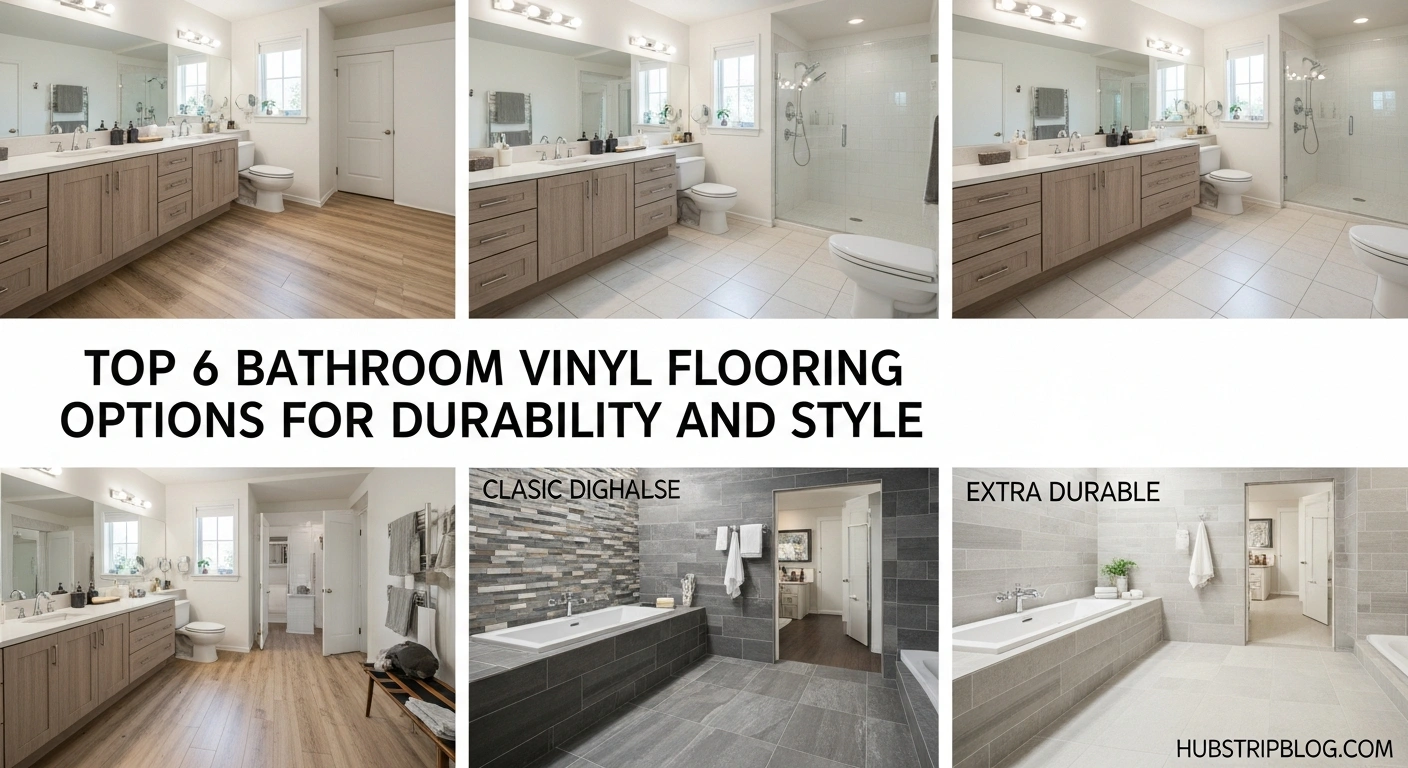
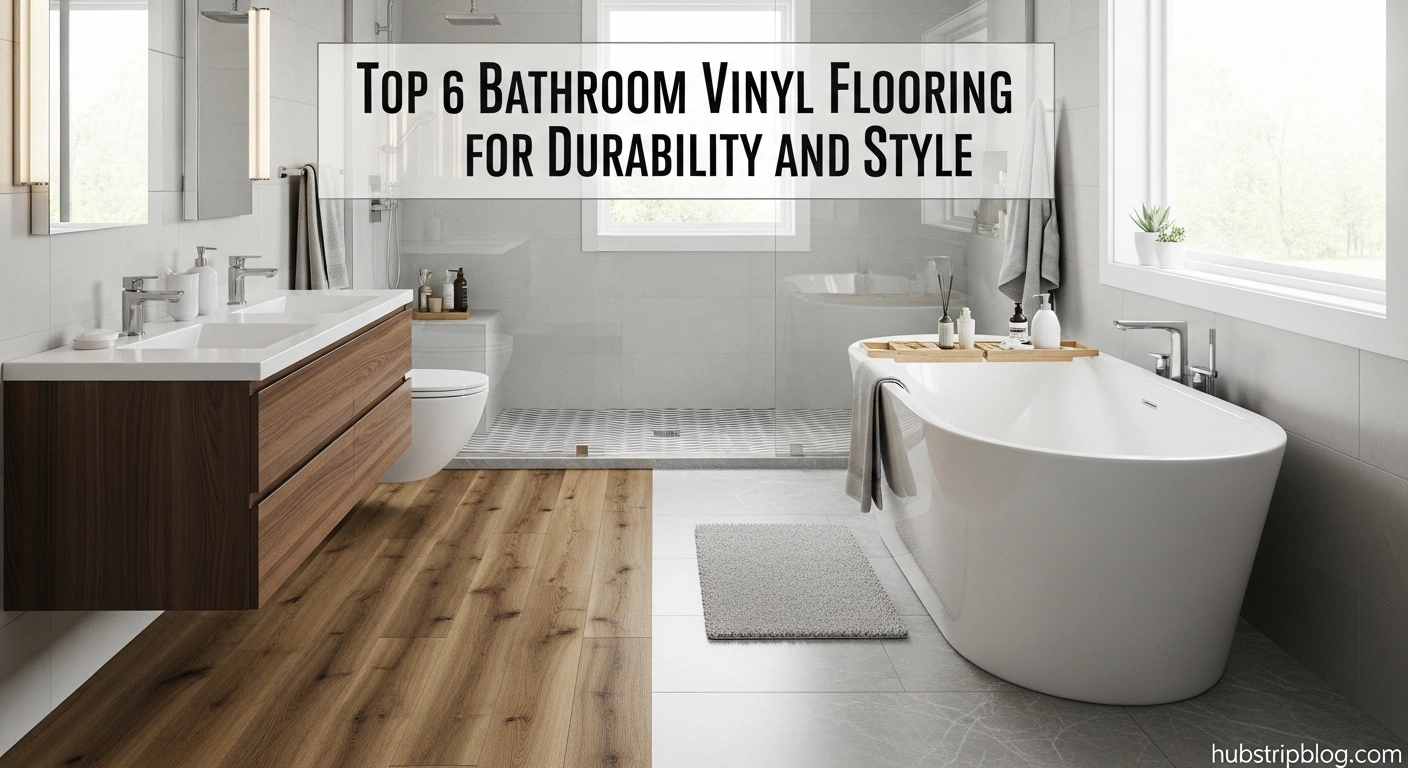
Beyond its practical benefits, vinyl flooring offers a wide range of design possibilities. Thanks to advances in printing technology, it can mimic the look of natural stone, wood, ceramic tile, and even more modern patterns. This versatility allows you to create the perfect aesthetic for your bathroom without the high cost and maintenance often associated with those materials.
Top 6 Bathroom Vinyl Flooring Options
This selection focuses on bathroom vinyl flooring known for its performance and appealing designs. We’ll explore different types, their pros and cons, and suitability for various bathroom styles and budgets.
1. Vinyl Sheet Flooring
Vinyl sheet flooring is a continuous, seamless surface. This seamlessness is a significant advantage in bathrooms, preventing water from seeping through seams and damaging the subfloor. It’s often the most budget-friendly vinyl flooring option.
- Pros: Excellent water resistance due to its seamless nature, affordable, available in a wide array of designs and patterns, easy to clean.
- Cons: Can be difficult to install professionally (requiring precise cutting), less durable than other vinyl options, can be prone to tears or punctures.
2. Luxury Vinyl Tile (LVT)
Luxury Vinyl Tile, or LVT, mimics the look and feel of natural stone, ceramic, or porcelain tiles. It comes in individual tiles, offering more design flexibility than sheet vinyl. LVT is known for its durability and realistic appearance. Often has a thicker wear layer than sheet vinyl.
- Pros: Highly durable, water-resistant, visually appealing (realistic tile or stone look), comfortable underfoot, easy to replace individual tiles if damaged.
- Cons: More expensive than sheet vinyl, installation can be more time-consuming, seams can potentially allow water penetration if not properly sealed.
3. Luxury Vinyl Plank (LVP)
Luxury Vinyl Plank (LVP) replicates the look of hardwood flooring. It’s a popular choice for homeowners who want the warmth and beauty of wood in their bathroom without the risk of water damage. Similar to LVT, it’s durable & comes in individual planks.
- Pros: Water-resistant, durable, realistic wood look, comfortable underfoot, easy to install (click-lock systems are common), warmer feel than tile.
- Cons: More expensive than sheet vinyl, can be less slip-resistant than other options, seams can potentially allow water penetration if not properly sealed.
4. Waterproof Vinyl Flooring (WPC)
Wood Plastic Composite (WPC) is a type of rigid core vinyl flooring specifically engineered to be 100% waterproof. It features a waterproof core that prevents moisture from penetrating, making it an excellent choice for bathrooms. Often has a thicker core and is more stable compared to standard LVT or LVP.
- Pros: Completely waterproof, highly durable, dimensionally stable (resistant to expansion and contraction), often features enhanced textures and visuals.
- Cons: Can be more expensive than standard LVT or LVP, sound dampening properties may vary depending on the underlayment.
5. Stone Plastic Composite (SPC) Vinyl Flooring
Stone Plastic Composite (SPC) vinyl flooring is another type of rigid core vinyl renowned for its extreme durability and stability. It features a core made from a combination of stone powder and plastic, resulting in a very dense and robust material. Highly resistant to dents & scratches. Often more affordable than WPC.
- Pros: Extremely durable, waterproof, dimensionally stable, cost-effective compared to WPC, often features realistic stone or tile visuals.
- Cons: Can feel harder underfoot compared to other options, sound dampening properties may vary depending on the underlayment.
6. Click-Lock Vinyl Flooring
Click-lock vinyl flooring, available in both LVT and LVP formats, uses an interlocking system for easy installation. This makes it a popular DIY option, saving on professional installation costs. The planks or tiles simply snap together, creating a floating floor.
- Pros: Easy to install (DIY-friendly), no glue or adhesive required, can be installed over existing floors (with proper preparation), available in a wide variety of styles.
- Cons: Can be less water-resistant than glue-down options if seams aren’t properly sealed, subfloor imperfections can affect the finished look.
Considerations Before Choosing Bathroom Vinyl Flooring
Before making a final decision on your bathroom vinyl flooring, consider these factors:
Durability and Wear Layer
The wear layer is the top protective coating of the vinyl flooring. A thicker wear layer provides greater resistance to scratches, scuffs, and stains. For high-traffic bathrooms, opt for a wear layer of at least 12 mil (0.3 mm). A wear layer of 20 mil (0.5 mm) or higher is ideal for busy families or commercial settings. This is particularly important for high traffic areas within a bathroom.
Water Resistance vs. Waterproofing
While all bathroom vinyl flooring offers some degree of water resistance, waterproof options provide superior protection. If your bathroom is prone to significant moisture or standing water, consider WPC or SPC vinyl for complete peace of mind.
Installation Method
The installation method can impact the overall cost and complexity of the project. Glue-down vinyl offers superior water resistance but requires professional installation. Click-lock vinyl is a DIY-friendly option but may require careful attention to detail to ensure a watertight seal.
Glue-Down Vinyl Flooring
Glue-down vinyl flooring is adhered directly to the subfloor using a specialized adhesive. This method provides a secure and long-lasting bond, minimizing the risk of movement or shifting. Excellent water resistance when professionally installed.
Floating Vinyl Flooring
Floating vinyl flooring, typically featuring a click-lock system, is not directly attached to the subfloor. Instead, it “floats” over the subfloor, allowing for expansion and contraction. Requires a level and smooth subfloor.
Style and Design
Bathroom vinyl flooring comes in a vast array of styles, colors, and patterns. Consider the overall aesthetic of your bathroom and choose a design that complements your existing fixtures and décor.
Mimicking Natural Materials
Vinyl flooring can beautifully replicate the look of natural materials like wood, stone, and tile. This allows you to achieve a high-end look without the expense and maintenance associated with those materials.
Modern and Contemporary Designs
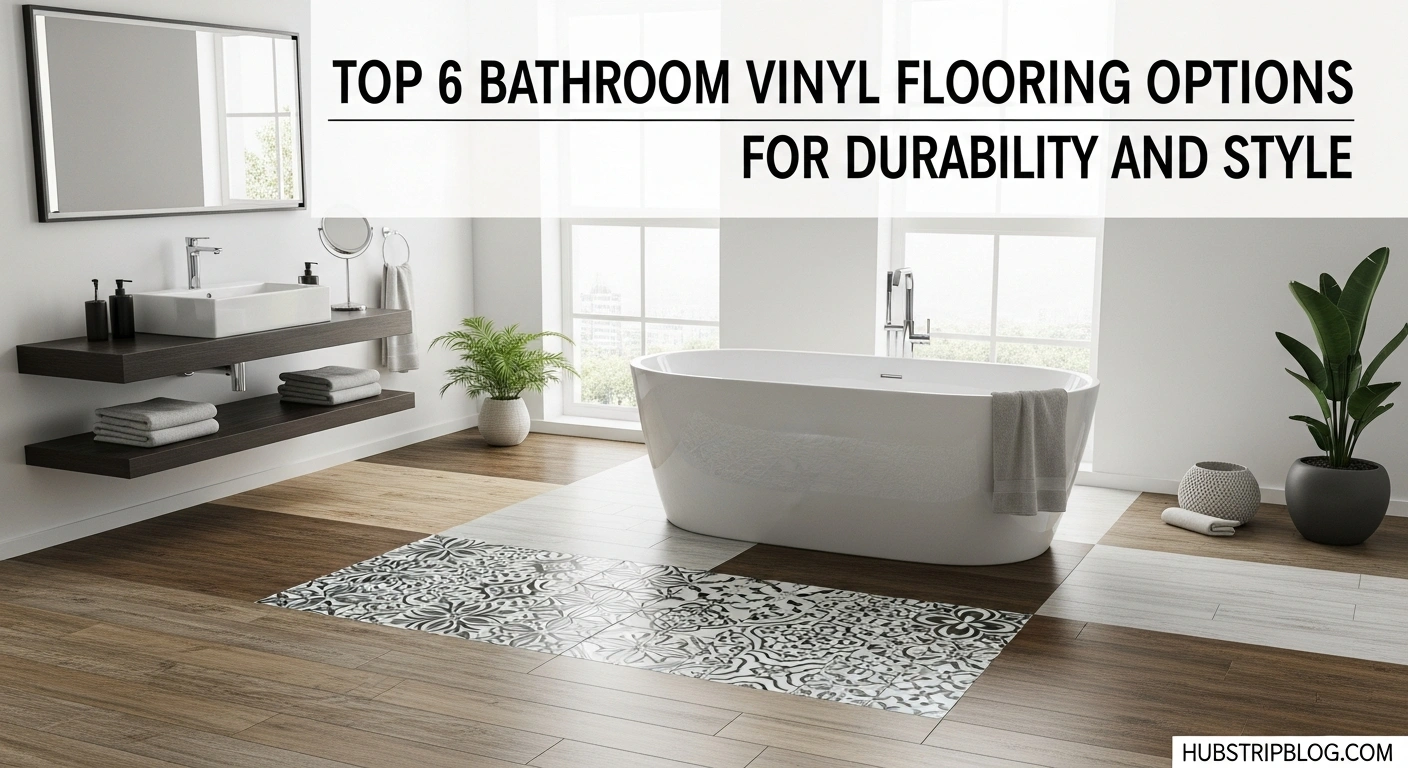
For a more modern look, consider vinyl flooring with geometric patterns, bold colors, or unique textures. These options can add a touch of personality and visual interest to your bathroom.
Maintenance & Cleaning
Vinyl flooring is relatively easy to maintain. Regular sweeping and damp mopping with a mild detergent are typically sufficient to keep it clean. Avoid using abrasive cleaners or scouring pads, as these can damage the wear layer.
Preparing Your Bathroom for Vinyl Flooring Installation
Proper preparation is crucial for a successful bathroom vinyl flooring installation. Follow these steps to ensure a smooth and long-lasting result:
- Remove existing flooring: Carefully remove any existing flooring, including tiles, carpet, or old vinyl.
- Clean the subfloor: Thoroughly clean the subfloor to remove any dirt, debris, or adhesive residue.
- Level the subfloor: Ensure the subfloor is level and free of imperfections. Use a leveling compound to fill any cracks or holes. This step is crucial for floating floors.
- Acclimatize the vinyl flooring: Allow the vinyl flooring to acclimatize to the bathroom’s temperature and humidity for at least 48 hours before installation. This helps prevent expansion or contraction after installation.
Budgeting for Bathroom Vinyl Flooring
The cost of bathroom vinyl flooring can vary depending on the type of vinyl, the quality of the material, and the installation method. Sheet vinyl is generally the most affordable option, while luxury vinyl tile and waterproof vinyl can be more expensive. Get multiple quotes from different suppliers and installers to compare prices. Remember to factor in the cost of underlayment, adhesive (if required), and any necessary subfloor repairs. Don’t forget labor costs if you’re not planning a DIY installation.
Conclusion
Bathroom vinyl flooring offers a winning combination of durability, style, and affordability, making it an excellent choice for any bathroom renovation project. By considering the different types of vinyl, their pros and cons, and your specific needs and preferences, you can select the perfect flooring to transform your bathroom into a beautiful and functional space. Consider wear layer thickness, water resistance, the installation method, and the overall look. Doing so will deliver years of beautiful, durable performance.