10 Minimalist Home Interior Ideas That Redefine Simplicity
These minimalist home interior ideas offer a pathway to creating a tranquil and beautiful living space. They prioritize functionality, aesthetics, and a mindful approach to design, resulting in homes that are both visually appealing and emotionally soothing. Minimalism is not just about removing clutter; it’s about intentionally choosing what truly enhances your environment and supports a peaceful lifestyle. By focusing on clean lines, open spaces, and high-quality materials, you can transform your home into a sanctuary of calm and clarity.
One key principle of minimalist interiors is adopting a “less is more” mindset. Instead of filling your home with decorative items, focus on a few meaningful pieces that bring joy and purpose. Neutral color palettes—such as whites, beiges, grays, and earthy tones—help create an airy atmosphere, making rooms feel more spacious and harmonious. Natural light also plays a crucial role, so allow sunlight to flow freely through sheer curtains or unblocked windows to enhance the calming ambiance.
Furniture in minimalist homes tends to be sleek, functional, and thoughtfully chosen. Opt for multi-functional pieces like storage benches, foldable tables, or modular sofas that help maintain a clutter-free environment. Incorporating natural materials such as wood, stone, linen, and cotton adds warmth and texture, preventing the space from feeling too cold or sterile.
Additionally, strategic use of greenery can breathe life into minimalist spaces. A few well-placed plants bring freshness, improve air quality, and provide a sense of balance with nature. Thoughtful organization is equally important—hidden storage solutions, minimalist shelving, and unobtrusive cabinetry help maintain visual order.
By embracing these minimalist interior ideas, you create a home that promotes well-being, mindfulness, and everyday serenity—truly redefining simplicity in modern living.
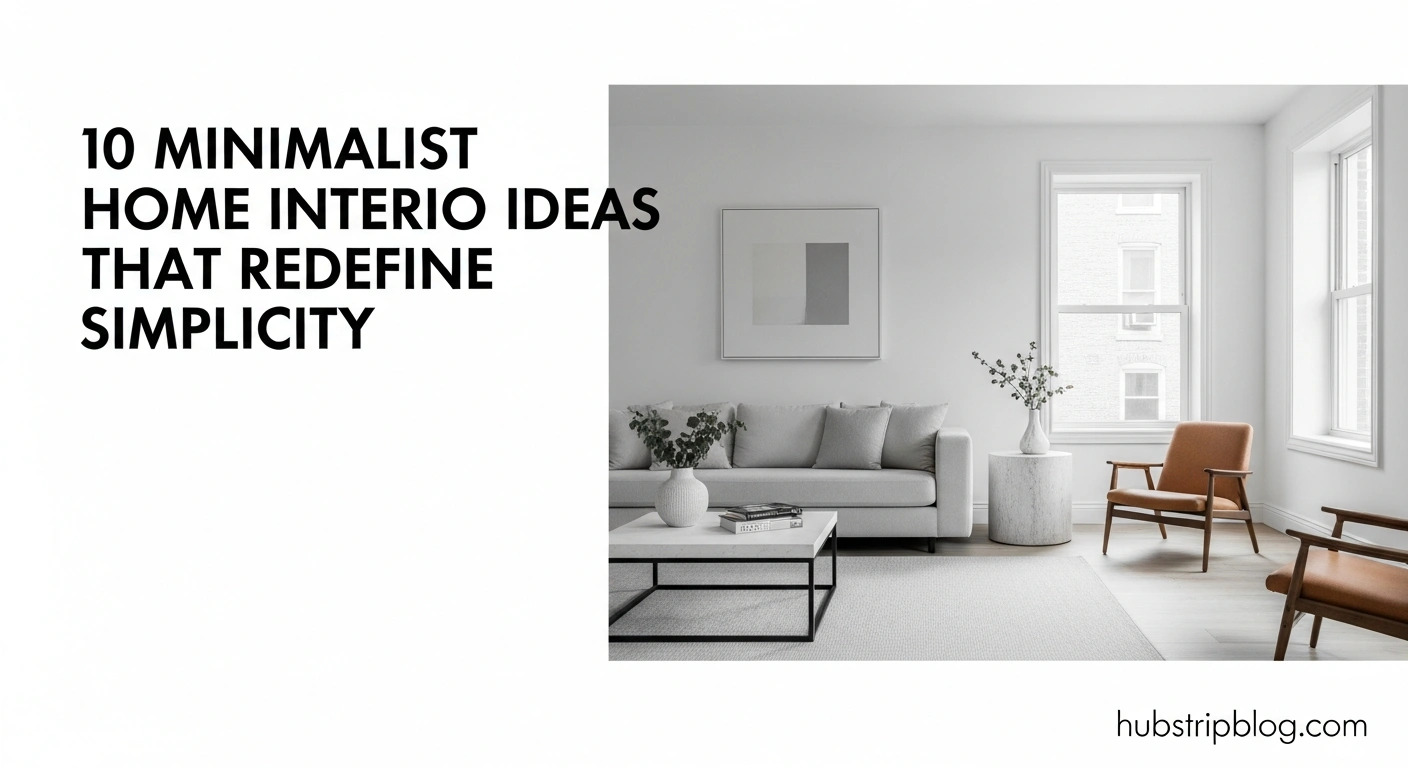
Idea 1: Embrace Neutral Color Palettes
This minimalist home interior idea – A cornerstone of minimalist design is the use of neutral color palettes. Think whites, grays, beiges, and soft earth tones. These colors create a sense of calm and airiness, making spaces feel larger and more open.
- Why it works: Neutral colors are timeless and versatile, providing a blank canvas upon which to layer textures and subtle accents. They promote relaxation and minimize visual stimulation.
- How to implement: Opt for a single neutral color for the walls and then introduce variations of that color through furniture, textiles, and accessories. Consider using different shades of white or gray to create depth and interest.
Idea 2: Prioritize Functional Furniture
Minimalism is about quality over quantity. Choose furniture pieces that serve multiple purposes and are thoughtfully designed. This approach maximizes space and minimizes clutter.
- Multifunctional furniture examples: Sofa beds, storage ottomans, coffee tables with hidden compartments, and wall-mounted desks.
- Focus on Quality Materials: Invest in well-crafted furniture made from durable materials like wood, metal, or leather. These pieces will last longer and contribute to the overall aesthetic.
Idea 3: Maximize Natural Light
Natural light is an essential element of minimalist design. It brightens spaces, enhances well-being, and reduces the need for artificial lighting. Maximize natural light by keeping windows clear and free from heavy curtains.
- Window treatments: Opt for sheer curtains, blinds, or shades that allow light to filter through while providing privacy.
- Mirror placement: Strategically place mirrors to reflect light and create the illusion of more space.
Idea 4: Declutter and Organize ruthlessly
Decluttering is central to minimalist living. Regularly remove items you no longer need or use. This process creates mental clarity and makes your home feel less chaotic.
- The KonMari Method: Consider using the KonMari method, which involves decluttering by category (clothing, books, etc.) and only keeping items that “spark joy.”
- Dedicated Storage Solutions: Implement effective storage solutions to keep belongings organized and out of sight. Use baskets, bins, shelves, and drawers to maintain a tidy and clutter-free environment.
Idea 5: Incorporate Natural Elements
Bring the outdoors in by incorporating natural elements into your minimalist home. Plants, wood, stone, and other natural materials add warmth, texture, and a sense of serenity.
- Plant selection: Choose low-maintenance plants that thrive indoors, such as succulents, snake plants, or ferns.
- Natural materials: Introduce wood accents through furniture or flooring. Use stone countertops or accessories.
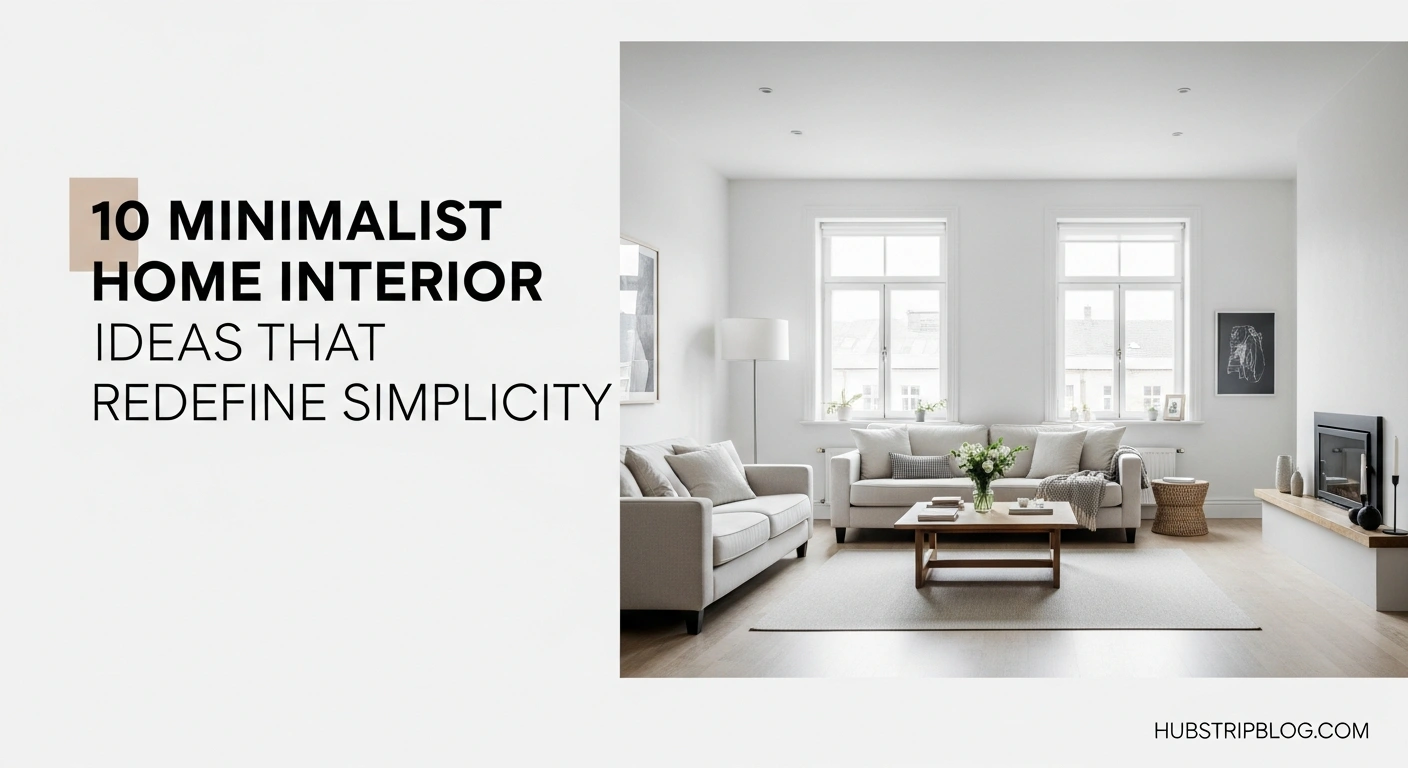
Idea 6: Emphasize Open Space
Minimalist design emphasizes open space. Avoid overcrowding rooms with furniture and decor. Allow for ample room to move around and breathe.
- Strategic Furniture Placement: Carefully consider the placement of furniture to maximize open space. Avoid blocking pathways or creating visual clutter.
- Less is More: Remember the mantra “less is more.” Resist the urge to fill every nook and cranny with unnecessary items.
Idea 7: Focus on Texture and Pattern
While minimalist design often features neutral colors, it doesn’t have to be boring. Add visual interest by incorporating texture and subtle patterns.
- Textured textiles: Use textured throws, cushions, and rugs to add depth and warmth.
- Subtle patterns: Incorporate subtle patterns through wallpaper, artwork, or decorative accessories. Avoid overly busy or distracting patterns.
Idea 8: Create a Focal Point
Each room should have a focal point that draws the eye and anchors the space. This could be a piece of artwork, a fireplace, a large window, or a statement furniture piece.
- Focal point placement: Position the focal point strategically to create a balanced and visually appealing composition.
- Keep it simple: Avoid cluttering the area around the focal point. Allow it to stand out and command attention.
Idea 9: Choose Minimalist Artwork
Artwork can add personality and character to a minimalist home, but it’s important to choose pieces carefully. Opt for minimalist artwork that complements the overall aesthetic and doesn’t overwhelm the space.
- Abstract art: Abstract paintings or prints with simple shapes and colors are a great choice for minimalist homes.
- Black and white photography: Black and white photographs can add a touch of sophistication and elegance.
Idea 10: Be Intentional with Decor
Every item in your minimalist home should serve a purpose or bring you joy. Be intentional about the decor you choose and avoid accumulating unnecessary trinkets or decorative items.
- Curate your collection: Display only items that you truly love and that have meaning to you.
- Rotate your decor: Consider rotating your decor seasonally to keep things fresh and interesting.
Implementing Minimalist Home Interior Ideas: A Step-by-Step Guide
Transitioning to a minimalist home interior isn’t an overnight transformation, but a journey of mindful choices and deliberate actions. Here’s a step-by-step guide to help you integrate these minimalist home interior ideas effectively.
Step 1: Define Your “Why”
Before you start decluttering or redesigning, consider why you want to embrace minimalist design. Understanding your motivations will help you stay focused and committed to the process. Do you seek a more peaceful and calming environment? Are you aiming for a more functional and efficient living space? Are you trying to reduce stress and simplify your life? Defining your “why” will ensure that your minimalist home interior ideas align with your personal goals.
Step 2: Conduct a Home Inventory
Walk through each room of your home and take inventory of everything you own. This may seem like a daunting task, but it’s an essential step in identifying what you truly need and value. Consider each item and ask yourself if it serves a purpose, brings you joy, or fits with your minimalist aesthetic.
Creating a Detailed Inventory List
Divide your inventory into categories like furniture, clothing, books, kitchenware, and decor. For each item, note its condition, how often you use it, and its emotional significance. This detailed inventory will provide a clear picture of your possessions and help you make informed decisions about what to keep, donate, or discard.
Photography as an Aid
Take photographs of each room before you start decluttering. This will serve as a “before” picture and provide visual motivation as you progress. These photos can also help you identify areas that are particularly cluttered or disorganized.
Step 3: Declutter Strategically
Decluttering is a crucial part of achieving a minimalist home interior. Start with one area at a time, such as a drawer, a shelf, or a small corner of a room. This makes the process less overwhelming and allows you to see immediate results. Use the KonMari method or a similar approach to decide what to keep, donate, or discard.
The Four-Box Method
One effective decluttering strategy is the four-box method. Label four boxes: “Keep,” “Donate,” “Sell,” and “Trash.” As you go through your belongings, place each item into the appropriate box. Be honest with yourself about what you truly need and use.
Dealing with Sentimental Items
Sentimental items can be the most challenging to declutter. Consider taking photos of these items to preserve the memories without keeping the physical objects. You can also create a memory box or scrapbook to store a few special sentimental items.
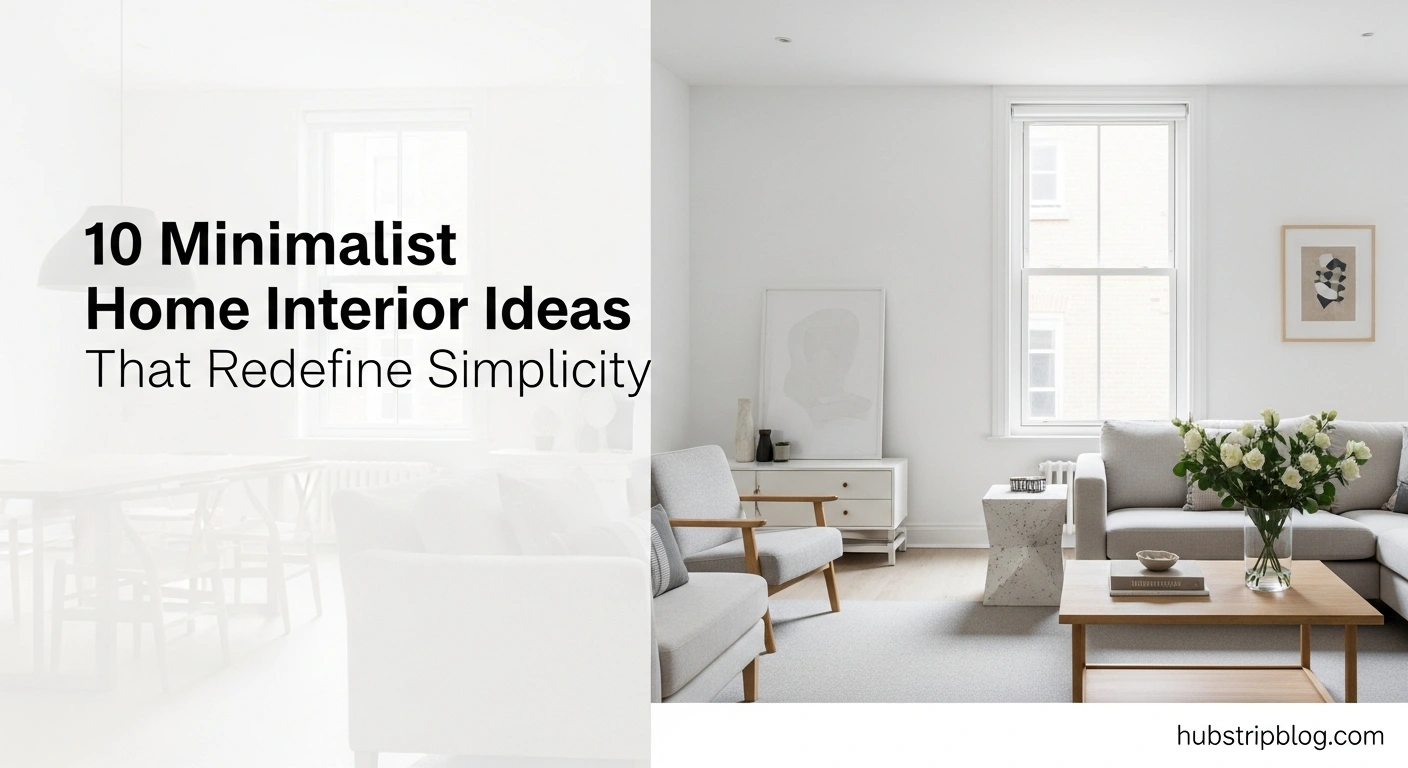
Step 4: Plan Your Minimalist Layout
Once you’ve decluttered, it’s time to plan your minimalist layout. Consider how you use each room and how you can maximize space and functionality. Choose furniture pieces that are versatile and multi-functional. Arrange furniture to create open pathways and avoid overcrowding the space.
Space Planning Tools
Use space planning tools or apps to experiment with different layouts before moving furniture. This can help you visualize the space and avoid making mistakes.
Considering Traffic Flow
Pay attention to traffic flow when planning your layout. Ensure that there are clear pathways between rooms and avoid placing furniture in areas that obstruct movement.
Step 5: Select Minimalist Furniture & Décor
Choose furniture and décor that align with your minimalist aesthetic. Opt for pieces that are simple, functional, and well-made. Consider the color scheme, materials, and overall design of each item.
Focus on Quality over Quantity
Invest in a few high-quality furniture pieces that will last for years, rather than many inexpensive items. Choose furniture made from durable materials such as wood, metal, or leather.
Integrating Plants and Greenery
Incorporate plants and greenery to add a touch of nature and freshness to your minimalist home. Choose low-maintenance plants that thrive indoors, such as succulents or snake plants.
Step 6: Organize & Maintain
Once you’ve implemented your minimalist home interior ideas, it’s important to maintain the order and organization. Develop a system for putting things away immediately after using them. Regularly declutter and remove any items that you no longer need or use.
Establishing Daily Habits
Establish daily habits for organizing and decluttering. Spend a few minutes each day tidying up and putting things back in their place.
Involving Everyone in the Household
If you live with others, involve them in the minimalist process. Encourage them to declutter their belongings and follow the same organizational principles.
Common Mistakes to Avoid When Implementing Minimalist Home Interior Ideas
While minimalist home interior ideas can create a beautiful and tranquil living space, there are some common mistakes to avoid:
- Mistake 1: Confusing minimalism with bareness. Minimalism isn’t about having a completely empty space. It’s about having only the things you need and love.
- Mistake 2: Ignoring functionality. Minimalism should enhance functionality, not sacrifice it. Choose furniture and décor that serve a purpose.
- Mistake 3: Being afraid of color. While neutral colors are common in minimalist design, you can incorporate pops of color through artwork, accessories, or plants.
- Mistake 4: Over-organizing. Too much organization can feel just as cluttered as too little. Focus on creating a functional and visually appealing space, not a perfectly organized one.
- Mistake 5: Forgetting Personal Expression. Your home should reflect your personality. Don’t be afraid to incorporate items that bring you joy and tell your story. Minimalist home interior ideas are a framework, personalize them.
The Benefits of Embracing Minimalist Home Interior Ideas
The advantages of embracing minimalist home interior ideas go beyond aesthetics; they positively impact your overall well-being, fostering a lifestyle of intentionality and simplicity.
- Reduced Stress: A clutter-free home creates a calmer and more peaceful environment, reducing stress and anxiety.
- Increased Productivity: A tidy and organized space can boost productivity and focus.
- Improved Mental Clarity: Minimalism can help you declutter your mind as well as your home, leading to improved mental clarity and focus.
- More Time: Less time spent cleaning and organizing means more time for the things you enjoy.
- Greater Financial Freedom: Minimalism encourages mindful consumption, leading to less spending and greater financial freedom.
- Enhanced Appreciation: By surrounding yourself only with items you truly value, you develop a greater appreciation for the things you own.
Minimalist Home Interior Ideas on a Budget
You don’t need to spend a fortune to embrace minimalist home interior ideas. Here are some tips for creating a minimalist home on a budget:
- Shop Secondhand: Look for furniture and décor at thrift stores, flea markets, and online marketplaces.
- DIY Projects: Create your own minimalist décor using affordable materials.
- Repurpose Items: Find new uses for items you already own.
- Focus on Essentials: Prioritize essential furniture and décor items and skip the unnecessary extras.
- Declutter First: Before buying anything new, declutter your existing belongings to see what you already have and what you truly need.
Conclusion
Embracing minimalist home interior ideas is a journey toward creating a more intentional, peaceful, and functional living space. From embracing neutral color palettes to decluttering ruthlessly and prioritizing functional furniture, these ten minimalist home interior ideas provide a framework for redefining simplicity in your home. Remember that minimalism is not about deprivation but about curating a space that reflects your essential needs, values, and personal style. By implementing these ideas and avoiding common mistakes, you can create a haven that promotes well-being and fosters a more meaningful life. The heart of these minimalist home interior ideas lies in intentionality and mindful choices, creating a sanctuary that you will truly cherish.