Defining Modern Interior Design
Secrets Modern interior design often gets confused with contemporary design, and while they share some similarities, they’re distinct. Modern design refers to a specific period – primarily the early to mid-20th century – and stems from movements like Bauhaus and Mid-Century Modern. It emphasizes functionality, clean lines, and a lack of ornamentation. Think simplicity, natural materials, and a connection to the outdoors.
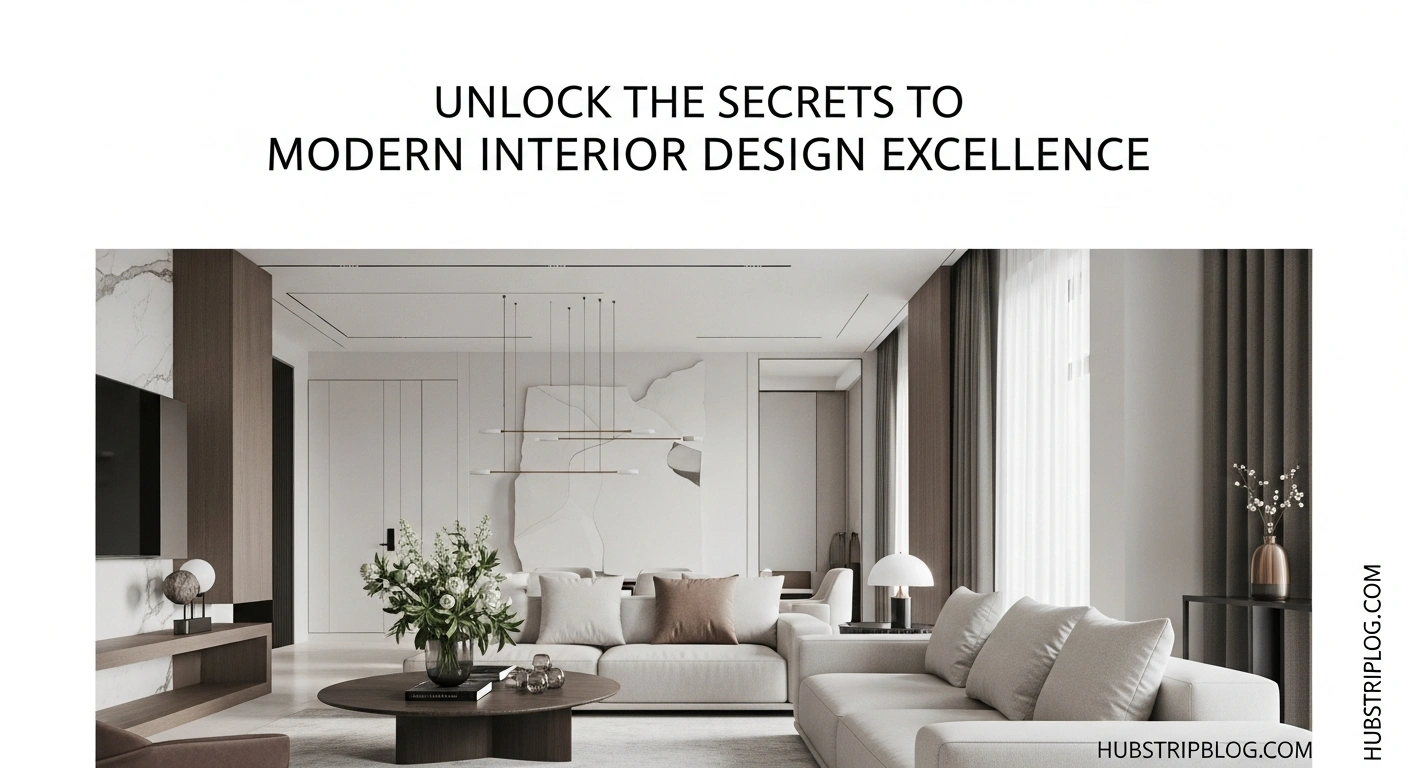
Contemporary design, on the other hand, is constantly evolving and reflects current trends. It borrows from various styles and is fluid, ever-changing. While contemporary design might incorporate elements of modern design, it’s broader and more open to experimentation.
Key Elements of Modern Interior Design
Understanding the core elements of modern interior design is fundamental to replicating its aesthetic. These elements work together to create a cohesive and visually appealing space.
Simplicity and Minimalism
Simplicity is paramount. Clutter is the enemy of modern interior design. Strive for a clean, uncluttered look with only essential furniture and decor. Minimalism doesn’t mean boring; it means carefully selecting pieces that are both functional and beautiful, and avoiding unnecessary accessories. Embrace negative space – allowing areas to remain empty can be just as impactful as filling them with objects.
Clean Lines and Geometric Shapes
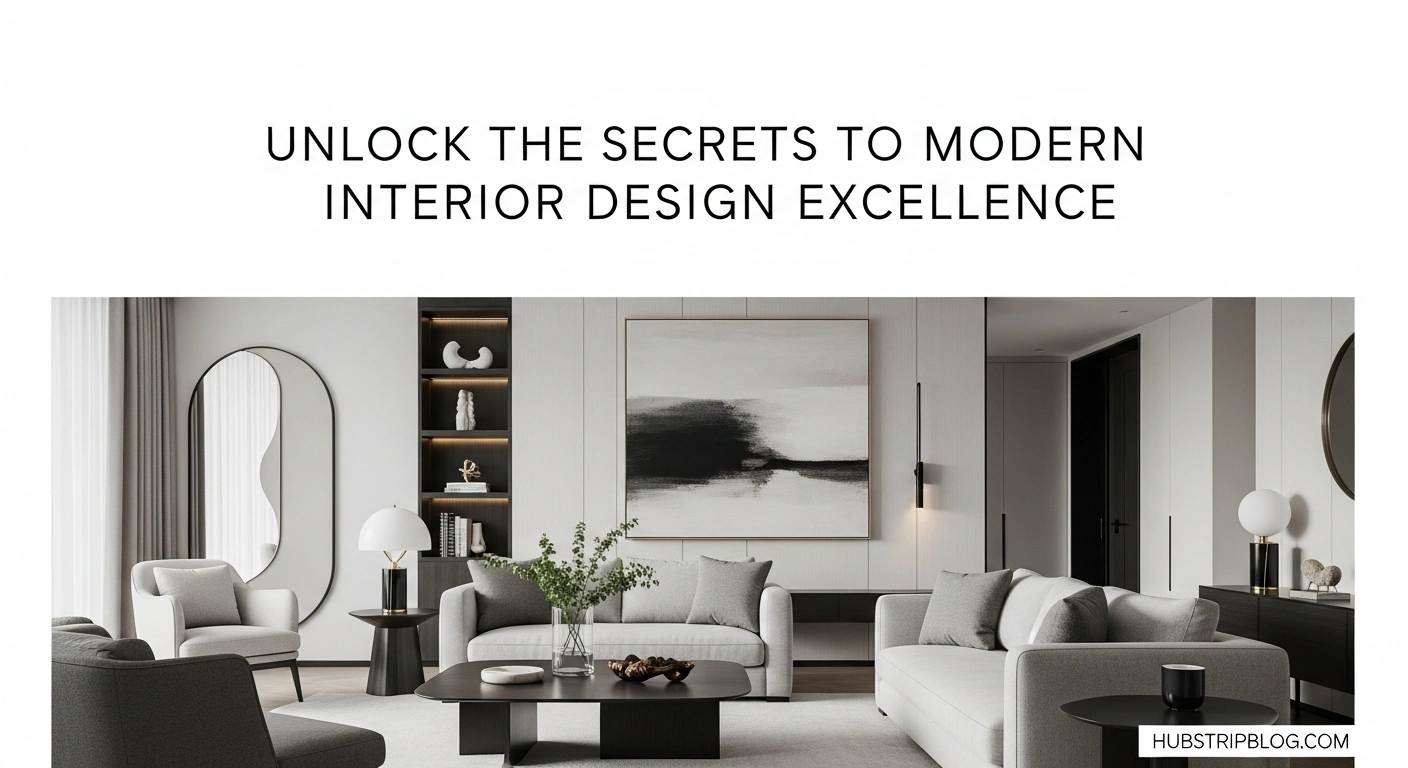
Sharp, clean lines are a hallmark of this style. Furniture often features linear forms and geometric shapes. Think rectangular coffee tables, sleek sofas with straight arms, and simple, uncluttered bookshelves. Curves are used sparingly and generally in a subtle way. Even architectural details, like window frames and doorways, often exhibit clean, angular lines.
Natural Materials and Textures
Modern interior design emphasizes the use of natural materials like wood, leather, stone, and metal. These materials add warmth and texture to the space, creating a more inviting atmosphere. Wood is particularly popular, often used for flooring, furniture, and accent walls. Consider integrating natural textiles like linen, cotton, and wool for upholstery, curtains, and rugs.
Neutral Color Palette with Pops of Color
A neutral color palette forms the foundation of modern interior design. Whites, grays, beiges, and browns are common choices for walls, flooring, and large furniture pieces. However, to prevent the space from feeling sterile, strategic pops of color are essential. These can be introduced through artwork, accent pillows, rugs, or even carefully chosen pieces of furniture. Consider using bold colors like red, yellow, or blue to create visual interest and add personality.
Implementing Modern Interior Design in Your Home
With a solid understanding of the definition and key elements, the next step is applying these principles to your own space. Here are some practical tips for creating a stunning modern interior design.
Start with a Plan
Before you start buying furniture and accessories, take the time to develop a plan. This will help you stay focused and avoid costly mistakes. Consider the functionality of the space and how you intend to use it. Sketch out a floor plan and experiment with different furniture arrangements. Create a mood board to visualize the overall aesthetic and color palette.
Prioritize Functional Furniture
Functionality is a core principle of modern interior design. Choose furniture that is not only stylish but also serves a purpose. Opt for pieces with clean lines, simple shapes, and a focus on practicality. Consider multi-functional furniture, such as a sofa bed or a coffee table with storage, to maximize space and efficiency.
Declutter and Organize
Before introducing any new elements, declutter your space. Get rid of anything that you don’t need or love. Organize your belongings and find storage solutions to keep your home tidy and clutter-free. This will create a sense of calm and order, which is essential for modern interior design.
Embrace Natural Light
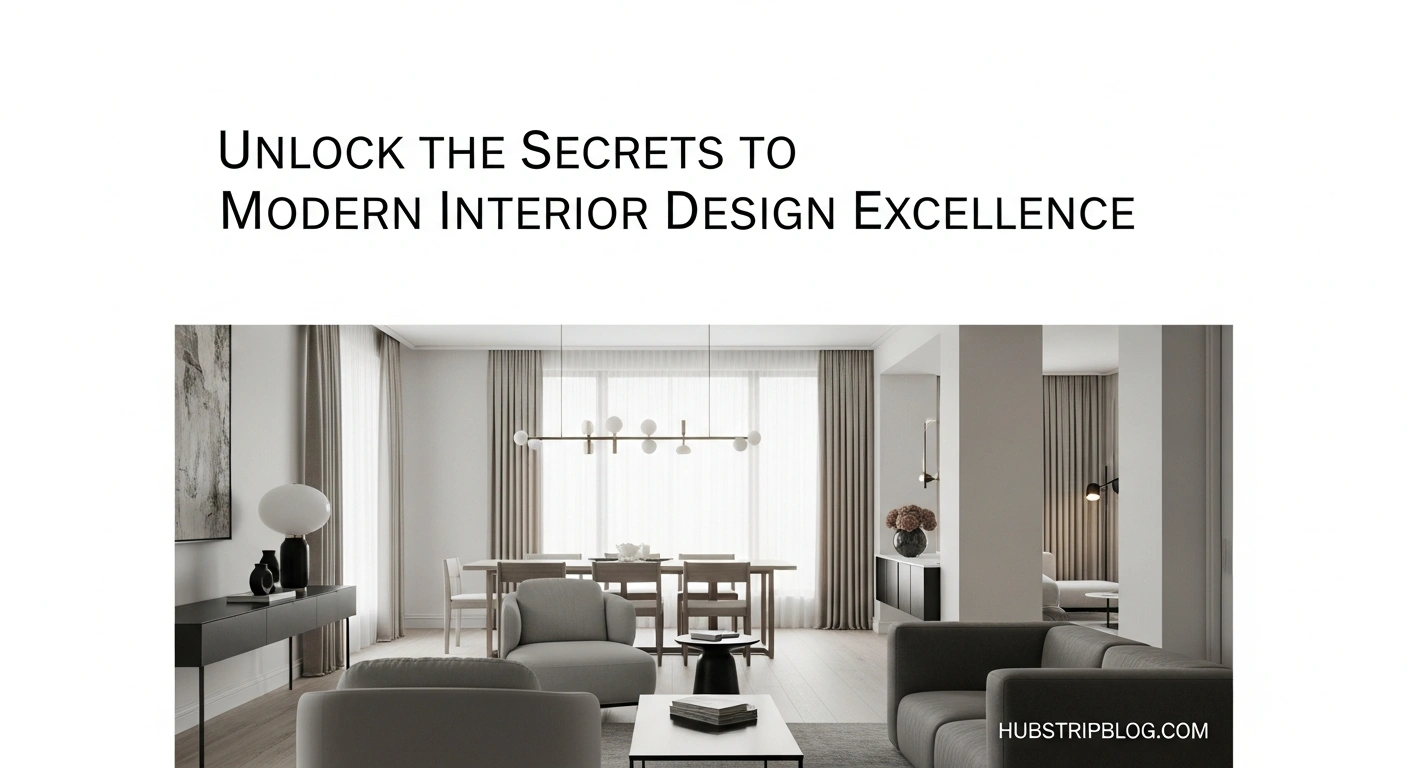
Natural light is a crucial element in modern interior design. Maximize natural light by using sheer curtains or blinds that allow sunlight to filter through. Consider strategically placing mirrors to reflect light and brighten up the space. Avoid blocking windows with furniture or heavy drapery.
Add Greenery
Bring the outdoors in by adding plants to your space. Plants add natural beauty, purify the air, and create a sense of tranquility. Choose plants with simple, clean lines that complement the modern interior design aesthetic. Consider using minimalist planters in neutral colors to maintain the clean look.
Overcoming Common Challenges in Modern Interior Design
While modern interior design aims for simplicity, achieving the perfect balance can be challenging. Here are some common pitfalls and how to avoid them.
Avoiding a Cold and Sterile Look
One of the biggest concerns with modern interior design is the risk of creating a space that feels cold and sterile. To avoid this, focus on adding warmth and texture. Incorporate natural materials like wood, leather, and wool. Use soft lighting and warm color accents. Don’t be afraid to add personal touches, such as artwork, family photos, or travel souvenirs, to make the space feel more lived-in.
Maintaining Functionality Without Sacrificing Style
Functionality is key, but it shouldn’t come at the expense of style. Choose furniture and accessories that are both practical and visually appealing. Look for pieces with clean lines, simple shapes, and a focus on craftsmanship. Consider investing in high-quality materials that will last for years to come.
Finding the Right Balance Between Minimalism and Comfort
Minimalism is a core principle of modern interior design, but it’s important to find the right balance between simplicity and comfort. Avoid creating a space that feels too sparse or uncomfortable. Add cozy elements, such as plush rugs, soft blankets, and comfortable seating, to make the space more inviting.
The Future of Modern Interior Design
Modern interior design continues to evolve, adapting to new trends and technologies. Sustainability is becoming increasingly important, with a focus on eco-friendly materials and energy-efficient solutions. Technology is also playing a larger role, with smart home features and integrated lighting systems becoming more common. Minimalism remains a core principle, but there is a growing emphasis on creating spaces that are both functional and personalized.
Sustainable and Eco-Friendly Materials
The future of modern interior design will prioritize sustainable and eco-friendly materials. This includes using recycled materials, reclaimed wood, and low-VOC paints. Consider choosing furniture made from sustainably sourced wood and textiles made from organic cotton or linen. Look for products that are certified by organizations like the Forest Stewardship Council (FSC) and the Global Organic Textile Standard (GOTS).
Smart Home Technology Integration
Technology plays a significant role in shaping modern living. Consider integrating smart home technology into your modern interior design. This could include smart lighting systems, automated window shades, and voice-controlled thermostats. These technologies can enhance comfort, convenience, and energy efficiency.
Personalization and Customization
While minimalism will remain important, there will be a growing emphasis on personalization and customization in modern interior design. People are increasingly looking for ways to create spaces that reflect their unique personalities and lifestyles. This could involve incorporating custom-made furniture, personalized artwork, or unique accent pieces.
Conclusion
Unlocking the secrets to modern interior design excellence requires a deep understanding of its core principles, a careful selection of materials and furniture, and a commitment to creating functional and beautiful spaces. By embracing simplicity, clean lines, natural materials, and a neutral color palette, you can transform your home into a contemporary haven that reflects your personal style. Don’t be afraid to experiment, personalize your space, and create a modern interior design that you truly love. Remember, the key is to find the perfect balance between minimalism, functionality, and comfort.