The Impact of Office Interior Design on Productivity and Well-being
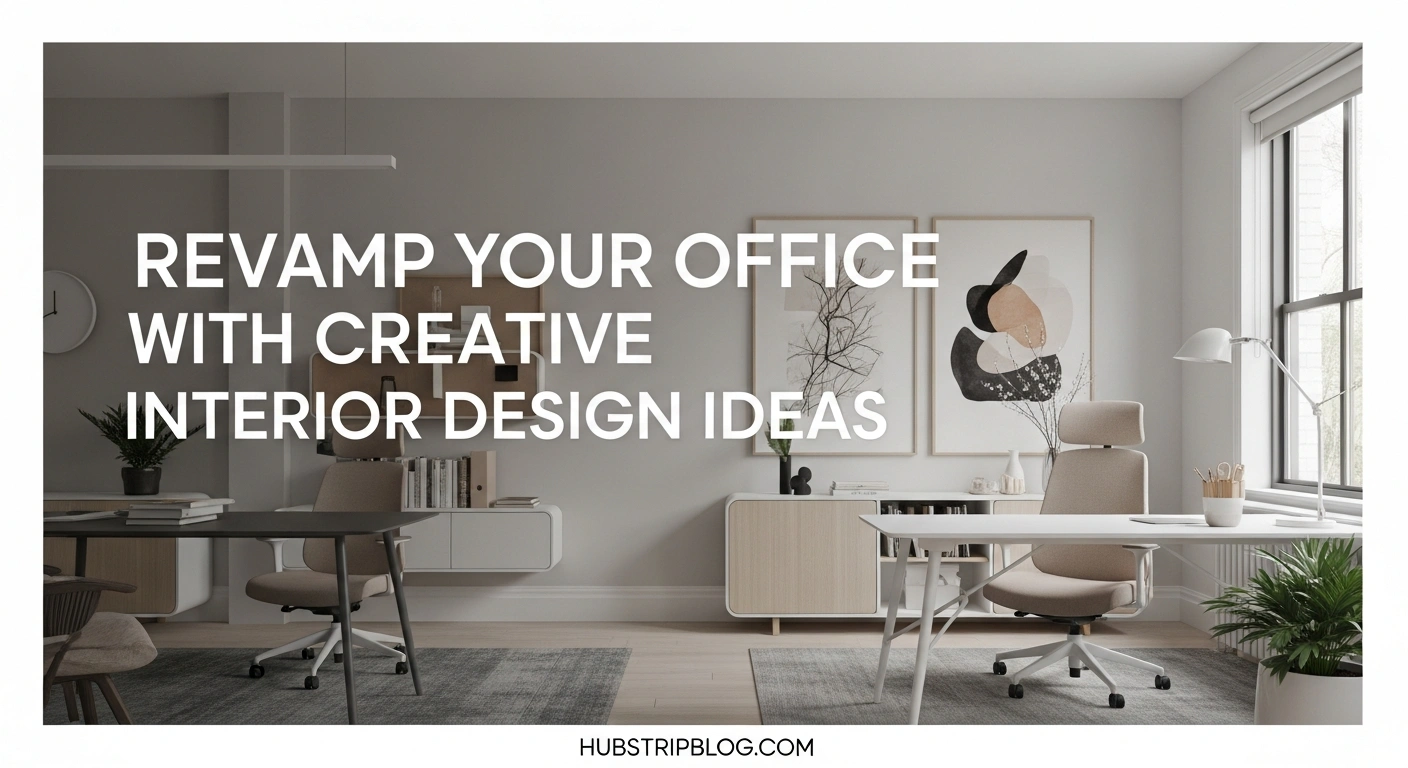
Office Creative Interior Design Ideas – A thoughtfully designed office isn’t just about aesthetics; it’s a strategic investment in your company’s future. Consider the impact of natural light, comfortable seating, and collaborative spaces. These elements directly affect employee focus, creativity, and overall job satisfaction. Investing in Office Interior Design Ideas isn’t an expense; it’s an investment in your most valuable asset: your people. A well-designed office is demonstrably a more productive office.
Neglecting your office creative interior design ideas can lead to a host of problems. Poor lighting can cause eye strain and headaches, cramped spaces can stifle creativity, and lack of comfortable break areas can contribute to burnout. By prioritizing the design of your workspace, you create a supportive environment where employees can thrive.
Key Elements That Shape an Effective and Inspiring Workspace
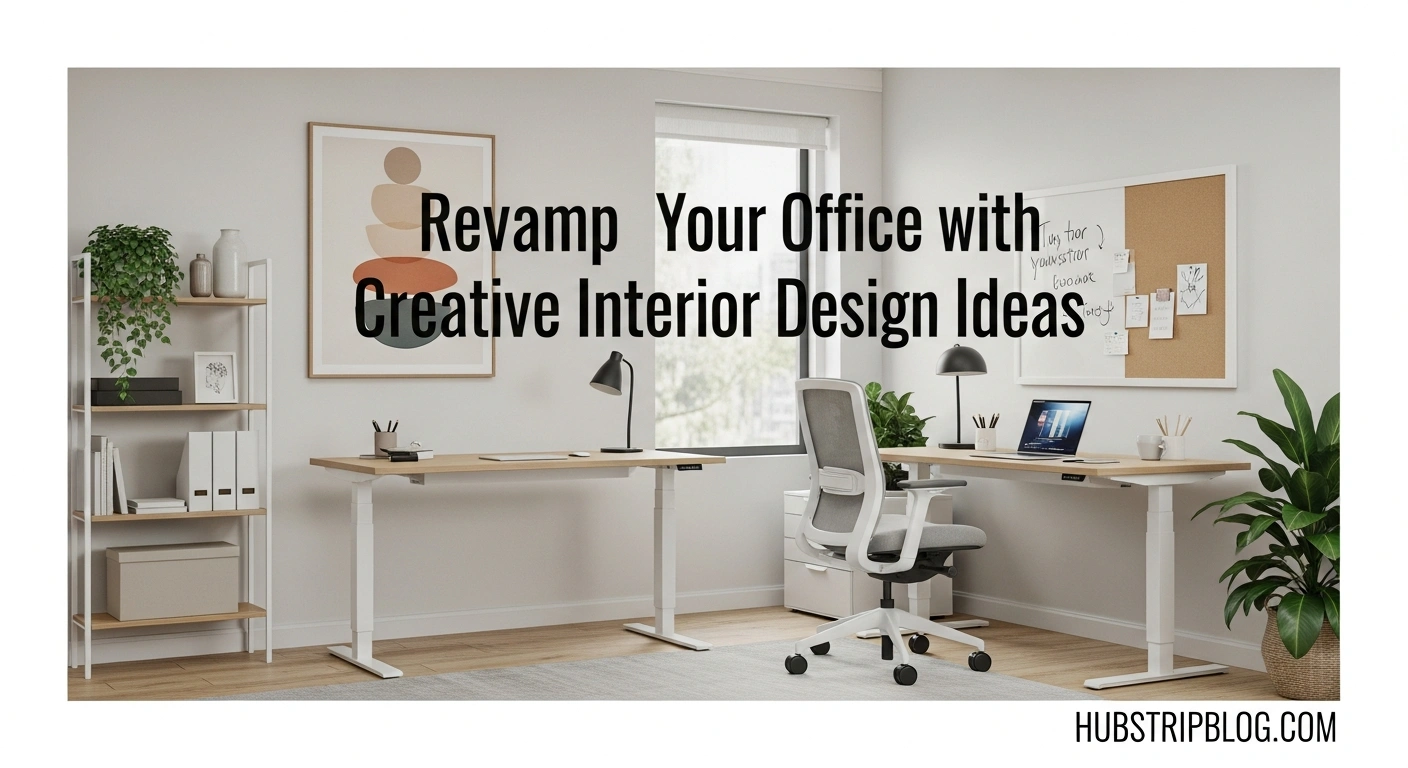
While the overall office interior design Ideas concept influences how employees feel and perform, the specific elements within an office play an equally crucial role in shaping daily experiences. Lighting, for instance, is one of the most impactful components—natural light boosts mood, reduces eye strain, and enhances focus, while poor lighting can lead to fatigue and decreased motivation. Ergonomic furniture is another essential factor, supporting proper posture and minimizing physical discomfort that can disrupt workflow.
Strategic use of color also contributes to the atmosphere: calming tones like blue or green foster concentration, while energizing accents such as yellow stimulate creativity. Additionally, well-planned spatial layouts—whether open, hybrid, or segmented—support better communication, collaboration, and movement throughout the office. Incorporating greenery and natural elements further improves air quality and provides a sense of calm, resulting in a healthier and more balanced environment. By carefully curating these core elements, businesses can create a workspace that is not only visually appealing but also deeply supportive of employee well-being and sustained productivity.
Key Elements of Effective Office Interior Design
Space Planning and Layout Optimization
The layout of your office is the foundation of its functionality and flow. Careful space planning is crucial for ensuring that employees can easily navigate the space and collaborate effectively. Open-plan offices can foster teamwork, while private workspaces can offer focused areas for individual tasks. Consider your company’s specific needs and culture when designing your office interior design.
- Open-Plan vs. Closed-Plan: Weigh the pros and cons of each layout to determine the best fit for your team’s work style.
- Zoning for Different Activities: Create dedicated zones for focused work, collaboration, and relaxation.
- Traffic Flow: Ensure that walkways are clear and easily accessible, minimizing distractions and promoting efficiency.
Color Psychology and Branding
Color plays a significant role in shaping the mood and atmosphere of your office. Understanding color psychology can help you choose palettes that promote productivity, creativity, and well-being. A vibrant color scheme can inject energy into the workplace, while calming hues can create a sense of tranquility. Reflect your company’s brand through your office interior design choices.
- Brand Colors: Incorporate your brand colors into the design to reinforce your brand identity.
- Color Temperature: Use warm colors to create a welcoming and inviting atmosphere, and cool colors to promote focus and concentration.
- Accent Colors: Add pops of color to highlight key areas or elements in the office.
Lighting Design for Productivity and Comfort
Lighting is paramount to a healthy and productive work environment. Natural light is ideal, but when it’s limited, consider layering artificial light sources. A combination of ambient, task, and accent lighting can create a comfortable and functional workspace. Poor lighting, commonly addressed through careful office interior design, is a key contributor to employee fatigue.
- Natural Light Maximization: Position desks near windows to maximize access to natural light.
- Task Lighting: Provide adjustable task lamps for individual workstations to reduce eye strain.
- Ambient Lighting: Use overhead lighting to provide general illumination throughout the office.
Furniture Selection and Ergonomics
Comfortable and ergonomic furniture is essential for employee well-being and productivity. Invest in chairs that provide proper back support, desks that are height-adjustable, and other ergonomic accessories that promote good posture. Ergonomic furniture is a fundamental feature of effective office interior design.
- Ergonomic Chairs: Choose chairs that offer adjustable lumbar support, armrests, and seat height.
- Standing Desks: Consider incorporating standing desks to encourage movement and reduce sedentary behavior.
- Monitor Arms: Use monitor arms to position screens at the optimal height and distance for each employee.
Incorporating Biophilic Design Elements
Biophilic design brings nature into the office, creating a more relaxing and rejuvenating environment. Incorporating plants, natural materials, and nature-inspired patterns can reduce stress, improve air quality, and boost creativity. Integrating biophilic design into your office interior design leads to a happier and healthier workspace.
- Indoor Plants: Add potted plants, vertical gardens, or living walls to bring greenery into the office.
- Natural Materials: Use materials like wood, stone, and bamboo to create a sense of warmth and connection to nature.
- Nature-Inspired Art: Hang artwork or photographs depicting natural landscapes to promote relaxation and inspiration.
Creative Office Interior Design Ideas for Inspiration
The Collaborative Hub
Create a vibrant and inviting space where employees can gather to brainstorm, collaborate, and socialize. This area should be equipped with comfortable seating, whiteboards, and technology that facilitates teamwork. The collaborative hub should be a central feature of your office interior design.
The Quiet Zone
Provide a dedicated space for employees to escape distractions and focus on individual tasks. This area should be quiet, comfortable, and free from interruptions. Consider incorporating noise-canceling headphones, comfortable chairs, and soft lighting. A quiet zone is an invaluable addition to effective office interior design.
The Relaxation Zone
Create a space where employees can relax, recharge, and de-stress. This area should be comfortable and inviting, with elements like comfortable seating, soft lighting, and calming décor. The relaxation zone is a critical investment in employee well-being and contributes significantly to good office interior design.
The Activity-Based Workspace
Design different areas within the office that cater to specific tasks or activities. This could include a standing meeting area, a phone booth for private calls, or a lounge area for casual brainstorming. Activity-based workspaces are a dynamic feature of modern office interior design.
Incorporating Art and Personalized Touches
Art as a Focal Point
Integrating vibrant artwork into your office interior design can significantly enhance the overall aesthetic and atmosphere. Consider displaying paintings, sculptures, or photography that reflect your company’s values and culture. Art can serve as a conversation starter, stimulate creativity, and create a more engaging and inspiring work environment. Rotate the artwork periodically to keep the space fresh and dynamic.
Murals and Wall Art
Murals and large-scale wall art can transform plain walls into visually striking features. Commission an artist to create a custom mural that reflects your company’s brand or choose existing artwork that resonates with your employees. Wall art can also be used to define different zones within the office and add a sense of personality and character.
Employee Art Showcase
Encourage employee participation by showcasing their artistic talents. Create a designated area where employees can display their paintings, photographs, or other artwork. This not only adds a personal touch to the office but also fosters a sense of community and appreciation among colleagues.
Personalized Workspaces
Allow employees to personalize their workspaces to reflect their individual personalities and preferences. This can involve adding personal photos, plants, or decorative items that make them feel more comfortable and connected to their work environment.
Allowing for personalization boosts morale and improves the overall office interior design by adding character.
Employee Input and Design Workshops
Involve employees in the design process by soliciting their input and feedback. Conduct design workshops to gather their ideas and preferences for the new office layout, color schemes, and furniture. This participatory approach ensures that the final design meets the needs and expectations of the people who will be using the space every day.
Practical Considerations and Budgeting for Your Office Revamp
Setting a Realistic Budget
Before embarking on any office interior design project, it’s crucial to establish a realistic budget. This involves assessing your financial resources and prioritizing your design goals. Begin by outlining the scope of the project, including the areas you plan to renovate and the specific changes you want to make.
Factor in the cost of materials, labor, furniture, fixtures, and any professional services you may need, such as architects, interior designers, or contractors. Be sure to allocate a contingency fund for unexpected expenses that may arise during the project.
Prioritizing Essential Investments
Within your budget, prioritize investments that will have the most significant impact on employee productivity and well-being. This may include ergonomic furniture, improved lighting, noise reduction measures, and comfortable break areas.
While aesthetics are important, focus on creating a functional and comfortable workspace that supports the needs of your employees. Consider how each investment will contribute to a more efficient, engaging, and healthy work environment, optimized through strategic office interior design.
Finding Cost-Effective Solutions
Explore cost-effective solutions to maximize your budget without compromising on quality or style. Consider repurposing existing furniture, sourcing materials from local suppliers, and utilizing DIY projects to add personalized touches to the office.
Look for sales, discounts, and clearance items to save money on furniture, fixtures, and décor. Be creative and resourceful in finding ways to transform your office without breaking the bank.
Future-Proofing Your Office Design
Adaptability and Flexibility
Design your office with adaptability and flexibility in mind to accommodate future growth and changing needs. Choose furniture and fixtures that are easily reconfigured or moved to create different layouts.
Incorporate modular furniture systems that can be customized to suit various work styles and team sizes. Consider the long-term impact of your design choices and ensure that your office can evolve to meet the demands of your business.
Technological Integration
Seamlessly integrate technology into your office interior design to enhance productivity and collaboration. Provide ample power outlets and data ports throughout the office to support the use of laptops, tablets, and other devices.
Incorporate wireless charging stations, video conferencing equipment, and smart lighting systems to create a modern and efficient work environment. Consider how technology can be used to improve communication, streamline processes, and enhance the overall employee experience.
Sustainability and Eco-Friendly Practices
Incorporate sustainable design principles and eco-friendly practices into your office interior design to reduce your environmental impact and create a healthier work environment. Choose sustainable materials, such as recycled content flooring, low-VOC paints, and energy-efficient lighting.
Implement recycling and composting programs, and encourage employees to adopt eco-friendly habits. By prioritizing sustainability, you can create a responsible and environmentally conscious workplace that aligns with your company’s values.
Conclusion
Revamping your office with creative office interior design ideas is a powerful way to enhance employee morale, boost productivity, and elevate your company’s brand image. By focusing on key elements such as space planning, color psychology, lighting design, and ergonomic furniture, you can create a workspace that inspires creativity, fosters collaboration, and promotes well-being. Remember to consider practical concerns like budgeting and future-proofing as you embark on your office revamp project. Ultimately, investing in well-designed office interior design is an investment in your people and your company’s success.