Unveiling the Allure of Classic Interior Design
Timeless Elegance Interior Design is more than just furniture and decor; it’s an art form. It represents a commitment to quality, sophistication, and enduring appeal. It blends historical influences with modern sensibilities, creating a living space that is both comfortable and visually stunning. Unlike fleeting trends, classic design stands the test of time, remaining elegant and stylish for years to come.
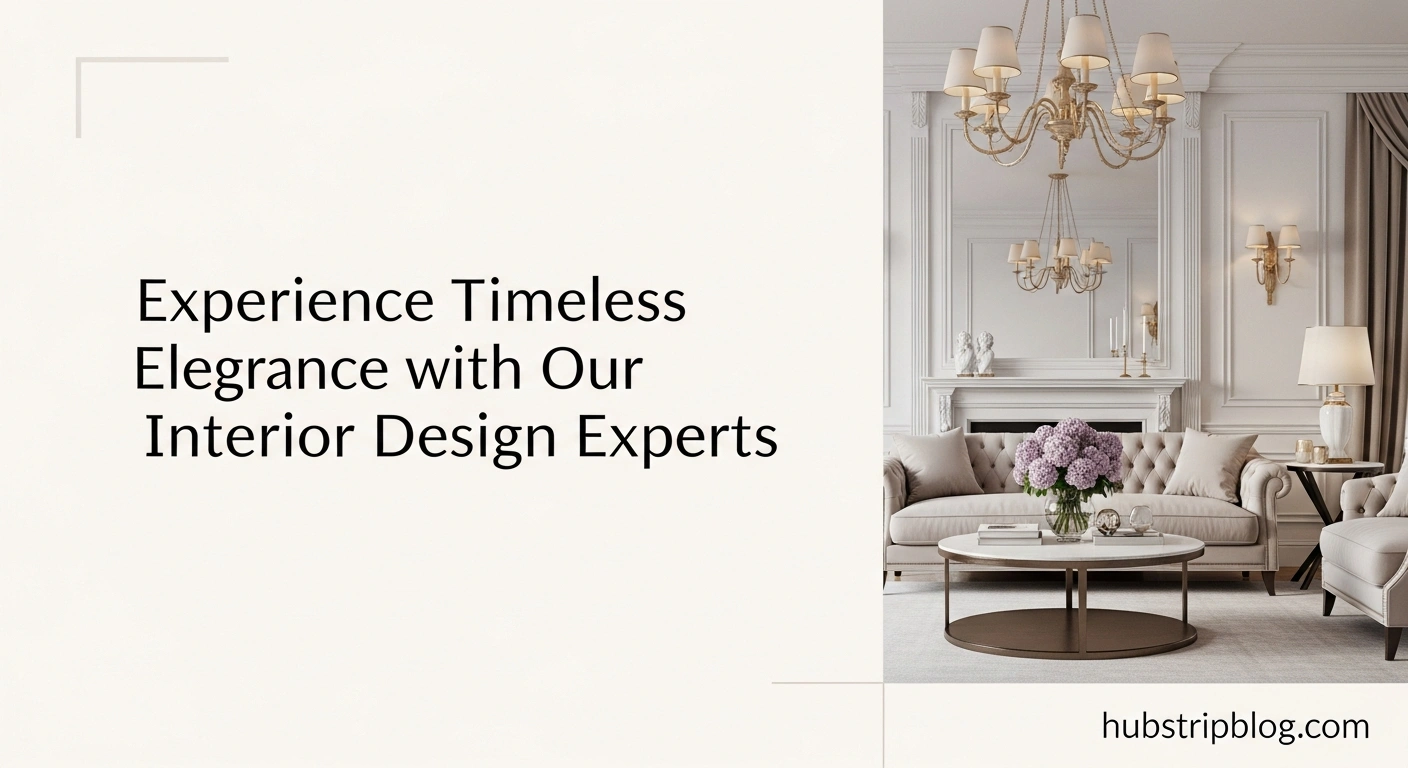
Why Choose Classic Interior Design?
Classic interior design offers a multitude of benefits that make it an attractive choice for discerning homeowners. From its inherent elegance to its lasting value, this design style provides a solid foundation for a beautiful and functional home. Rooted in symmetry, balance, and refined detail, classic interiors create a sense of harmony that feels both sophisticated and inviting. The timeless nature of this style ensures that your home remains relevant and visually appealing for decades, even as trends shift and modern aesthetics evolve.
One of the key reasons homeowners gravitate toward classic design is its versatility. The neutral color palette, rich textures, and high-quality materials allow for easy integration with contemporary or transitional elements. Whether you prefer ornate moldings, luxurious fabrics, or gracefully curved furniture, classic design offers countless opportunities to express elegance without overwhelming the space. Its structured layouts and consistent patterns also create a calm, orderly environment—perfect for families seeking comfort and stability.
Another advantage of classic interior design is its long-term value. Quality craftsmanship, durable materials, and timeless detailing mean your investment holds up over time, both aesthetically and financially. Classic furnishings and architectural elements often age gracefully, reducing the need for frequent updates. This makes the style not only visually enduring but also cost-effective in the long run.
Choosing classic interior design allows you to create a home that blends heritage with modern convenience—a harmonious space that reflects sophistication, comfort, and enduring beauty.
Enduring Elegance and Timeless Appeal
The hallmark of classic interior design is its enduring elegance. By incorporating timeless architectural details, high-quality materials, and refined color palettes, it creates a space that exudes sophistication and grace. This style avoids the pitfalls of following fleeting trends, ensuring that your home remains stylish and appealing for years to come. It’s an investment in lasting beauty, reflecting a refined taste and an appreciation for enduring aesthetics.
Increased Property Value
A well-executed classic interior design can significantly increase the value of your property. Potential buyers are drawn to the timeless appeal and inherent quality associated with this style. Features such as hardwood floors, classic moldings, and thoughtfully curated furnishings convey a sense of luxury and permanence, making your home more desirable in the real estate market.
Enhanced Comfort and Functionality
Classic interior design goes beyond aesthetics; it also prioritizes comfort and functionality. Comfortable seating arrangements, ample storage solutions, and well-planned layouts contribute to a space that is not only beautiful but also practical and livable. This approach seamlessly blends form and function, creating a home that is both visually appealing and perfectly suited to your lifestyle.
Elements of Classic Interior Design: A Deep Dive
Understanding the core elements of classic interior design is crucial for creating a successful and harmonious space. From color palettes to furniture choices, each element plays a vital role in achieving the overall aesthetic.
Neutral Color Palettes and Timeless Hues
Neutral color palettes are the foundation of classic interior design. Shades of beige, cream, gray, and white create a backdrop that is both calming and versatile. These neutral tones allow architectural details and furnishings to take center stage, while also providing a sense of timelessness and sophistication. Accents of richer colors, such as navy blue, emerald green, or deep red, can be incorporated sparingly to add visual interest and depth.
Emphasis on Symmetry and Balance
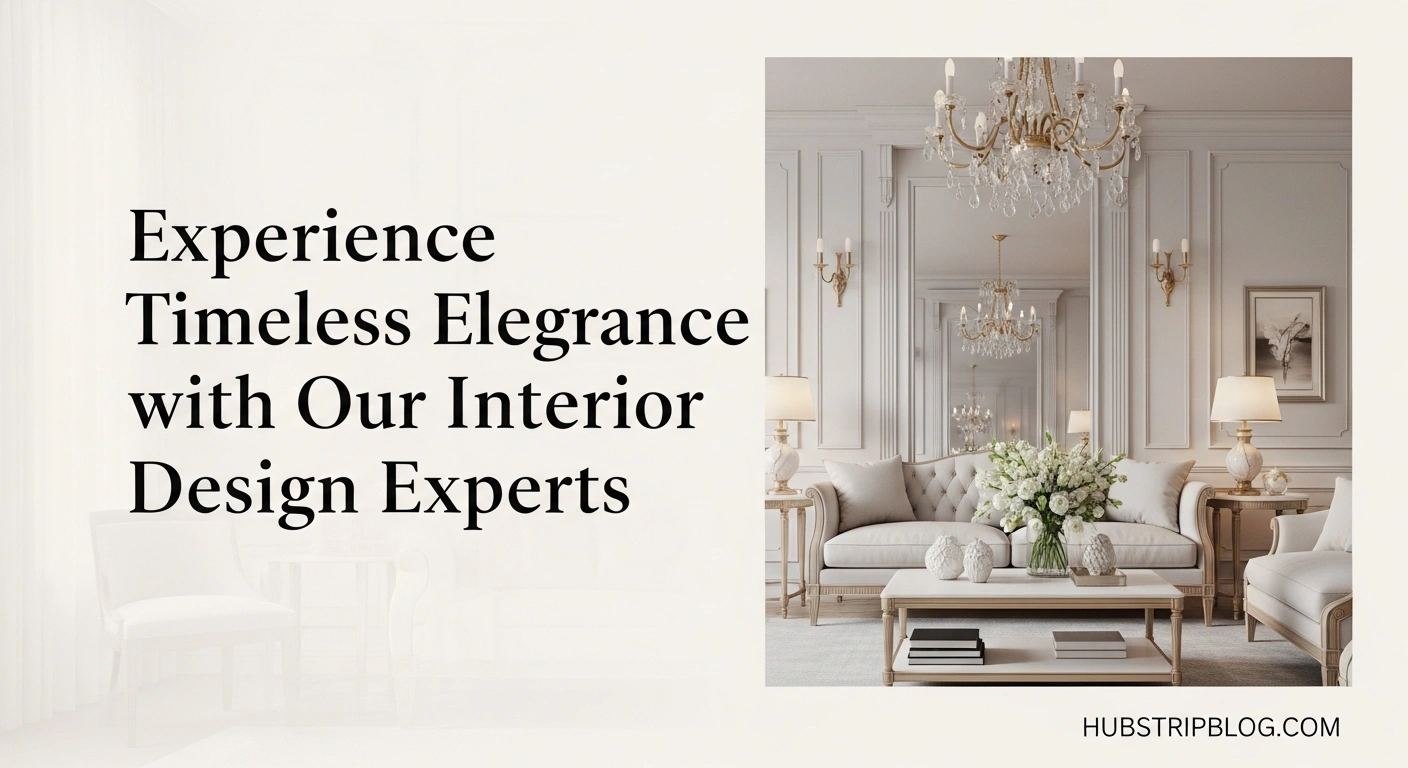
Symmetry and balance are key principles in classic interior design. Furniture arrangements are often mirrored, with matching lamps, chairs, or side tables placed on either side of a focal point, such as a fireplace or a sofa. This sense of balance creates a harmonious and visually pleasing space. Even in asymmetrical arrangements, a sense of visual weight is maintained to ensure a cohesive and balanced composition.
Architectural Details: Molding, Columns, and Fireplaces
Architectural details are integral to classic interior design. Molding, such as crown molding, baseboards, and wainscoting, adds character and sophistication to the walls. Columns, whether structural or decorative, can create a sense of grandeur and elegance. Fireplaces serve as focal points, providing warmth and visual interest. These architectural elements contribute to the overall sense of timelessness and quality that defines classic design.
High-Quality Materials: Wood, Stone, and Luxurious Fabrics
The use of high-quality materials is another hallmark of classic interior design. Hardwood floors, marble countertops, and natural stone accents add a touch of luxury and enduring beauty. Fabrics such as silk, linen, velvet, and leather are used for upholstery, draperies, and bedding, providing both comfort and visual appeal. Investing in quality materials ensures that your classic interior design will stand the test of time and maintain its beauty for years to come.
Classic Furniture Styles: From Chesterfield Sofas to Wingback Chairs
Furniture plays a crucial role in defining the style of a classic interior design. Iconic pieces such as Chesterfield sofas, wingback chairs, and antique dressers are often incorporated to add character and history. These classic furniture styles are characterized by their elegant lines, comfortable proportions, and attention to detail. Upholstery is typically done in luxurious fabrics with classic patterns, such as stripes, damask, or floral motifs.
Accessorizing with Elegance: Mirrors, Artwork, and Lighting
Accessories are the finishing touches that bring a classic interior design together. Mirrors are used to enhance natural light and create a sense of spaciousness. Artwork, such as oil paintings, sculptures, and framed prints, adds personality and visual interest. Lighting fixtures, including chandeliers, sconces, and table lamps, provide both functional illumination and decorative accents. The key to successful accessorizing is to choose pieces that are both beautiful and meaningful, reflecting your personal taste and style.
Finding the Right Interior Design Experts for Your Classic Vision
Choosing the right interior design experts is essential for achieving your vision of a timeless and elegant home. Look for professionals with a proven track record of creating stunning classic interior design projects.
Experience and Expertise in Classic Design
When searching for interior design experts, prioritize those with extensive experience in classic interior design. Look for professionals who have a deep understanding of the historical influences, design principles, and material choices that define this style. Review their portfolio to assess their ability to create cohesive and beautiful classic interior designs.
Understanding Your Personal Style and Preferences
A good interior designer will take the time to understand your personal style and preferences. They will listen to your ideas, ask insightful questions, and collaborate with you to create a classic interior design that reflects your unique personality and lifestyle. This collaborative approach ensures that the final result is both beautiful and functional, perfectly suited to your needs.
Communication and Collaboration
Effective communication and collaboration are crucial for a successful interior design project. Choose experts who are responsive, communicative, and willing to work closely with you throughout the process. They should be able to clearly explain their design ideas, address your concerns, and keep you informed of the project’s progress.
Portfolio and Testimonials
Review the portfolios and testimonials of potential interior design experts to get a sense of their work style and client satisfaction. A well-curated portfolio will showcase their expertise in classic interior design, while positive testimonials will provide insight into their professionalism and customer service.
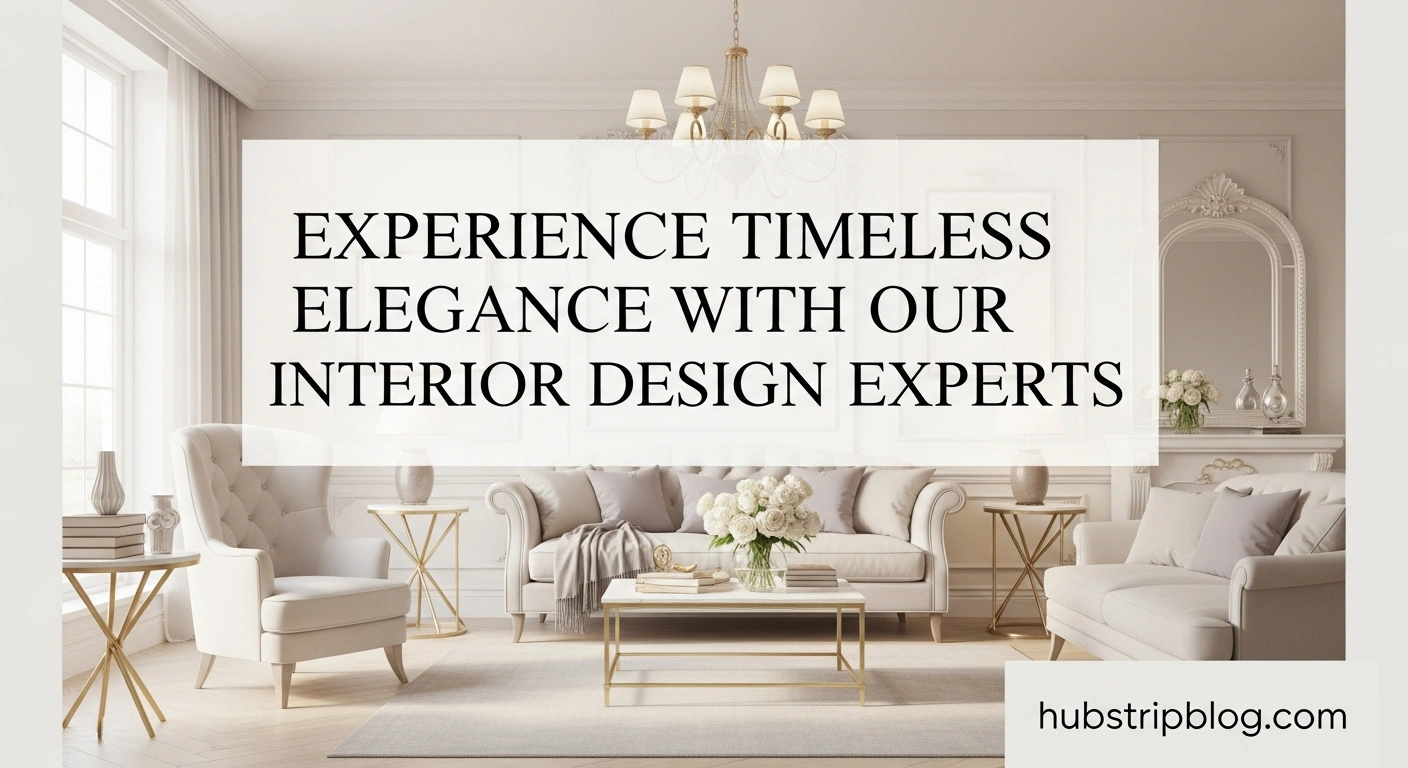
Transforming Your Home with Classic Interior Design: A Step-by-Step Guide
Embarking on a classic interior design project can be an exciting and rewarding experience. By following a step-by-step guide, you can ensure a smooth and successful transformation of your home.
Defining Your Vision and Goals
The first step is to define your vision and goals for the project. Consider what you want to achieve with your classic interior design. Do you want to create a formal living room, a cozy bedroom, or a luxurious bathroom? What are your functional requirements and aesthetic preferences? By clearly defining your vision and goals, you can provide your interior designers with a clear direction for the project.
Creating a Budget and Timeline
Establishing a realistic budget and timeline is essential for managing the project effectively. Determine how much you are willing to spend on the project and allocate funds for different aspects, such as design fees, materials, and labor. Create a timeline that outlines the key milestones, such as design approval, material selection, and installation.
Working with Your Interior Designers
Collaborate closely with your interior designers throughout the process. Share your ideas and preferences, provide feedback on their design proposals, and stay involved in the decision-making process. Regular communication and collaboration will ensure that the final result meets your expectations and reflects your personal style.
Selecting Materials and Furnishings
Carefully select the materials and furnishings for your classic interior design. Choose high-quality materials that are both beautiful and durable, such as hardwood floors, marble countertops, and luxurious fabrics. Select furniture pieces that are timeless and elegant, with comfortable proportions and attention to detail.
Overseeing the Installation and Completion
Oversee the installation and completion of the project to ensure that everything is done according to plan. Monitor the work of the contractors and ensure that the materials are installed correctly. Address any issues or concerns that arise promptly and effectively.
Classic Interior Design for Different Rooms
The principles of classic interior design can be applied to any room in your home, creating a cohesive and harmonious aesthetic throughout.
Living Room: The Heart of the Home
The living room is often the focal point of the home, and classic interior design can create a space that is both elegant and inviting. A classic living room typically features comfortable seating arrangements, a fireplace, and a well-curated collection of artwork and accessories.
Bedroom: A Sanctuary of Comfort and Style
The bedroom should be a sanctuary of comfort and style, and classic interior design can help create a space that is both relaxing and visually appealing. A classic bedroom typically features a comfortable bed, elegant nightstands, and soft lighting.
Dining Room: A Space for Gatherings and Celebrations
The dining room is a space for gatherings and celebrations, and classic interior design can create a space that is both formal and inviting. A classic dining room typically features a large dining table, comfortable seating, and elegant lighting.
Bathroom: A Luxurious Retreat
The bathroom can be transformed into a luxurious retreat with classic interior design. Elegant vanities, marble countertops, and freestanding bathtubs are all hallmarks of a classic bathroom.
Incorporating Modern Elements into Classic Design
While classic interior design is rooted in tradition, it can also be seamlessly blended with modern elements to create a unique and contemporary space. Clean lines, minimalist accents, and modern artwork can be incorporated to add a touch of freshness and innovation.
Avoiding Common Mistakes in Classic Design
Avoid common mistakes in classic interior design by carefully considering the scale and proportion of furniture, avoiding clutter, and ensuring that all elements are cohesive and harmonious. A well-executed classic interior design is a testament to careful planning, attention to detail, and a deep understanding of design principles.
Embracing Timeless Beauty
By embracing the principles of classic interior design, you can transform your home into a haven of timeless beauty and enduring elegance. With the help of experienced interior design experts, you can create a space that is both visually stunning and perfectly suited to your lifestyle.
Conclusion
Investing in professional interior design services to achieve a classic interior design for your home is more than just decorating; it’s an investment in quality of life, property value, and enduring style. By partnering with experts who understand the nuances and enduring appeal of classic design, you can create a living space that reflects your taste, offers unparalleled comfort, and remains timelessly elegant for generations to come. Experience the difference; experience timeless elegance.