The Rise of Sustainable Interior Design in New York
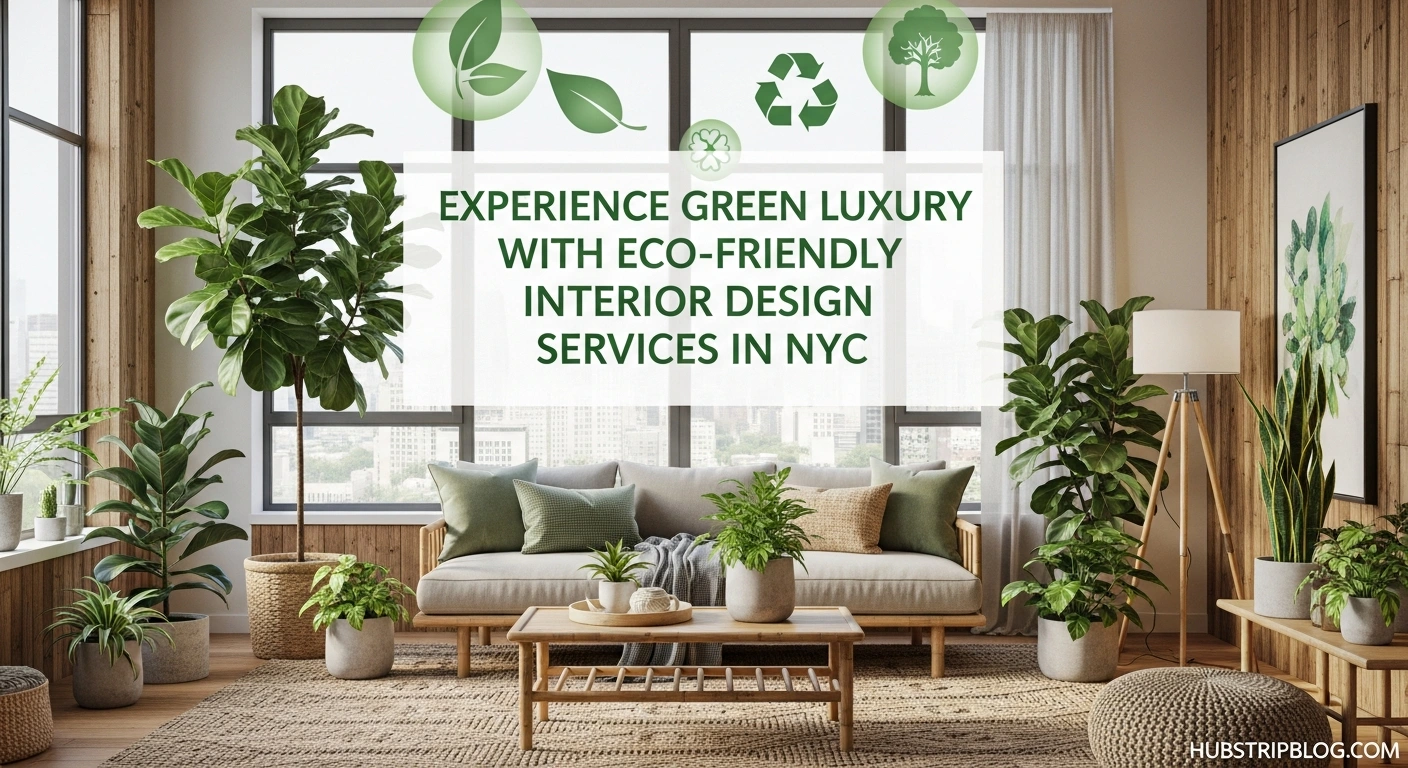
Eco-Friendly Interior Design Services NYC – The demand for sustainable interior design New York stems from a growing awareness of the environmental impact of traditional design practices. From resource depletion to the use of harmful chemicals, the conventional interior design industry has long been a contributor to environmental degradation. However, a new generation of designers is challenging the status quo, prioritizing eco-friendly materials, energy efficiency, and responsible sourcing.
This shift towards sustainability is not only driven by ethical considerations but also by the inherent benefits of green design. Sustainable interior design promotes healthier indoor environments, reduces energy consumption, and enhances overall well-being. In a city like New York, where residents spend a significant amount of time indoors, these benefits are particularly appealing.
Key Principles of Sustainable Interior Design
Sustainable interior design encompasses a wide range of practices, all aimed at minimizing environmental impact and promoting human health. Some of the key principles include:
Eco-Friendly Materials
Choosing materials with a low environmental footprint is paramount. This includes:
- Recycled Materials: Utilizing materials made from recycled content, such as reclaimed wood, recycled glass, and recycled metal, reduces the demand for virgin resources and diverts waste from landfills.
- Renewable Resources: Selecting materials that are rapidly renewable, such as bamboo, cork, and linoleum, ensures the long-term availability of resources without harming ecosystems.
- Sustainable Wood: Opting for wood that is certified by the Forest Stewardship Council (FSC) guarantees that it comes from responsibly managed forests that protect biodiversity and prevent deforestation.
- Low-VOC Materials: Volatile Organic Compounds (VOCs) are emitted by many conventional building materials and can contribute to indoor air pollution. Choosing low-VOC paints, adhesives, and sealants minimizes the risk of health problems and creates a healthier indoor environment.
- Natural Fibers: Selecting natural fibers like organic cotton, hemp, and wool for textiles and upholstery eliminates the need for synthetic materials that are derived from fossil fuels and can release harmful chemicals.
Energy Efficiency
Reducing energy consumption is crucial for minimizing the environmental impact of a home. This can be achieved through:
- Energy-Efficient Lighting: Switching to LED lighting drastically reduces energy consumption compared to traditional incandescent bulbs. LEDs are also longer-lasting, reducing the need for replacements.
- Smart Home Technology: Implementing smart thermostats, lighting controls, and energy monitoring systems allows homeowners to optimize energy usage and reduce waste.
- Proper Insulation: Ensuring adequate insulation in walls, ceilings, and floors minimizes heat loss in winter and heat gain in summer, reducing the need for excessive heating and cooling.
- Energy-Efficient Appliances: Choosing Energy Star-certified appliances ensures that they meet strict energy efficiency standards and consume less energy than conventional models.
- Natural Light Optimization: Designing spaces to maximize natural light reduces the need for artificial lighting during the day. Strategic placement of windows and skylights can significantly brighten a room and lower energy bills.
Water Conservation
Conserving water is an important aspect of sustainable interior design, particularly in urban environments like New York City. This can be accomplished through:
- Low-Flow Fixtures: Installing low-flow toilets, showerheads, and faucets reduces water consumption without sacrificing performance.
- Water-Efficient Appliances: Choosing water-efficient washing machines and dishwashers minimizes water usage and reduces sewer bills.
- Greywater Systems: Implementing a greywater system allows homeowners to reuse wastewater from showers, sinks, and washing machines for toilet flushing and irrigation.
- Native Landscaping: Using native plants in outdoor spaces reduces the need for irrigation and promotes biodiversity.
Responsible Sourcing
Knowing the origins of materials and ensuring they are ethically and sustainably produced is essential. This involves:
- Supporting Local Artisans and Businesses: Sourcing materials and furnishings from local artisans and businesses reduces transportation costs and supports the local economy.
- Fair Trade Practices: Choosing products that are certified by Fair Trade organizations ensures that workers are paid fair wages and work in safe conditions.
- Transparency in Supply Chains: Asking suppliers about their sourcing practices and ensuring they are committed to sustainability and ethical labor standards.
Adaptive Reuse
Repurposing existing structures and materials is a highly effective way to reduce environmental impact. This includes:
- Renovating Existing Buildings: Instead of demolishing buildings and constructing new ones, renovating and repurposing existing structures minimizes waste and preserves cultural heritage.
- Reclaiming Materials: Salvaging materials from demolition sites and incorporating them into new designs reduces the demand for virgin resources and gives materials a second life.
- Upcycling Furniture: Giving old furniture a new lease on life through refinishing, reupholstering, or repurposing reduces waste and adds character to a space.
The Benefits of Sustainable Interior Design in New York
Choosing sustainable interior design for your New York home offers numerous benefits:
- Improved Indoor Air Quality: By using low-VOC materials and promoting natural ventilation, sustainable interior design creates healthier indoor environments that reduce the risk of allergies, asthma, and other respiratory problems.
- Reduced Energy Consumption: Energy-efficient lighting, appliances, and insulation can significantly lower energy bills and reduce your carbon footprint.
- Water Conservation: Low-flow fixtures and water-efficient appliances help conserve water resources and reduce water bills.
- Enhanced Well-being: Natural materials, natural light, and biophilic design principles promote relaxation, reduce stress, and improve overall well-being.
- Increased Property Value: Homes with sustainable interior design features are increasingly desirable to environmentally conscious buyers and can command a higher price on the market.
- Positive Environmental Impact: By choosing sustainable interior design, you can reduce your environmental footprint and contribute to a more sustainable future.
Finding Sustainable Interior Design Services in New York
Navigating the world of sustainable interior design New York can seem daunting, but there are many talented designers and firms specializing in this field. Here are some tips for finding the right team for your project:
Research and Referrals
- Online Directories: Utilize online directories that list sustainable interior design professionals in New York City.
- Industry Organizations: Check with industry organizations like the American Society of Interior Designers (ASID) for referrals to qualified designers specializing in sustainability.
- Ask for Recommendations: Seek recommendations from friends, family, and colleagues who have experience with sustainable interior design.
Evaluating Credentials and Experience
- Certifications: Look for designers who hold certifications in sustainable design, such as LEED AP (Leadership in Energy and Environmental Design Accredited Professional) or WELL AP (WELL Accredited Professional).
- Portfolio Review: Review the designer’s portfolio to assess their experience with sustainable design principles and their aesthetic style.
- Client Testimonials: Read client testimonials to get a sense of the designer’s communication skills, project management abilities, and commitment to sustainability.
Discussing Your Needs and Goals
- Initial Consultation: Schedule an initial consultation with several designers to discuss your project goals, budgetary constraints, and sustainability priorities.
- Detailed Proposals: Request detailed proposals that outline the scope of work, estimated costs, and timeline for the project.
- Material Selection: Inquire about the designer’s approach to material selection and their commitment to using eco-friendly and responsible sourced materials.
Examples of Sustainable Design Elements in NYC Homes
Here are some practical examples of how homeowners in New York City are incorporating sustainable design elements into their homes:
- Reclaimed Wood Flooring: Using reclaimed wood flooring adds character and warmth to a space while reducing the demand for new wood products.
- Bamboo Cabinets: Installing bamboo kitchen cabinets provides a stylish and sustainable alternative to traditional wood cabinets.
- Recycled Glass Countertops: Incorporating recycled glass countertops adds a unique and eco-friendly touch to kitchens and bathrooms.
- Organic Cotton Bedding: Using organic cotton bedding eliminates the need for synthetic materials and reduces the risk of exposure to harmful chemicals.
- Green Walls: Installing a green wall, or vertical garden, improves indoor air quality and adds a touch of nature to the space.
Challenges and Solutions in Sustainable Interior Design New York
While the movement towards sustainable interior design in New York is gaining momentum, there are still challenges to overcome:
Cost Considerations
- Challenge: Sustainable materials can sometimes be more expensive than conventional options.
- Solution: Prioritize sustainable choices in key areas, explore cost-effective alternatives, and consider long-term cost savings through reduced energy and water consumption.
Availability of Materials
- Challenge: Finding specific sustainable materials can be challenging, especially for niche applications.
- Solution: Partner with experienced designers who have established relationships with sustainable material suppliers, and be open to alternative options that meet your sustainability goals.
Education and Awareness
- Challenge: Many homeowners are not fully aware of the benefits of sustainable interior design or how to implement it effectively.
- Solution: Work with designers who are committed to educating clients about the principles of sustainable design, and share information about the environmental and health benefits of green choices.
The Future of Green Luxury in NYC Interiors
The future of interior design in New York City is undeniably green. As awareness of environmental issues continues to grow, the demand for sustainable interior design will only intensify. We can expect to see:
- Increased Innovation: Continued advancements in sustainable materials and technologies will make green design more accessible and affordable.
- Greater Collaboration: Increased collaboration between designers, architects, builders, and suppliers will drive the adoption of sustainable practices across the industry.
- Policy Support: Government policies and incentives will further encourage the use of sustainable building materials and design techniques.
Ultimately, the integration of luxury and sustainability is not just a passing trend, but a fundamental shift in how we design and inhabit our spaces. Sustainable interior design New York is paving the way for a future where homes are not only beautiful and comfortable but also environmentally responsible and beneficial to human health.
Conclusion
Embracing sustainable interior design New York offers a unique opportunity to create luxurious and eco-friendly living spaces that align with your values. By prioritizing eco-friendly materials, energy efficiency, water conservation, and responsible sourcing, you can transform your home into a haven of well-being while minimizing your environmental impact. As the demand for green living continues to grow, investing in sustainable interior design is not only a wise choice for the planet but also a valuable investment in your health, comfort, and the future of your home in New York City.