The Enduring Allure of the Rose in Art
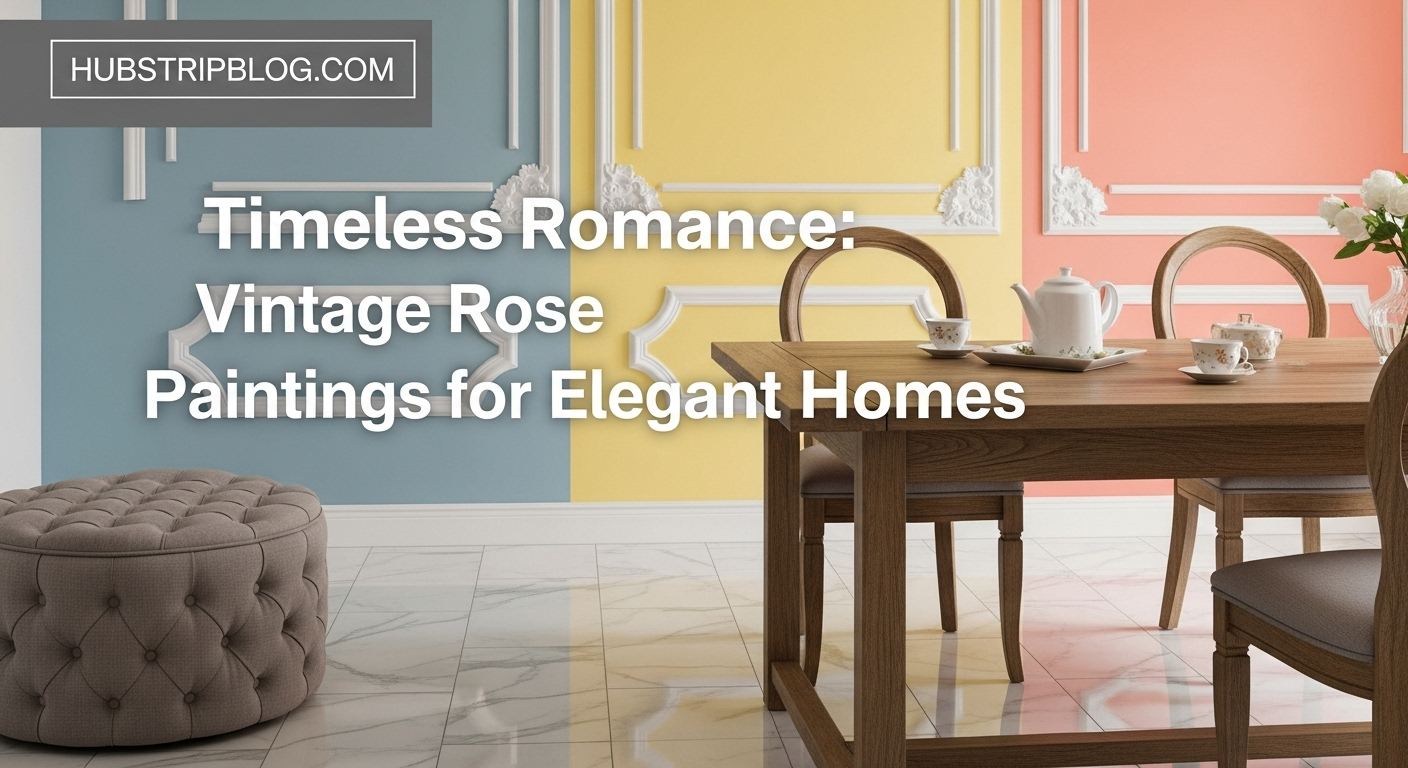
Vintage Rose Paintings for Elegant Homes – The rose, in its multifaceted glory, has historically been more than just a subject for painters; it has been a muse, a symbol, and a narrative in itself. From ancient civilizations to the grand European salons, its presence has been deeply woven into the fabric of human culture and artistic expression.
This rich lineage is precisely what imbues vintage rose paintings for classic interiors with their profound sense of gravity and beauty. They carry echoes of romantic tales, poetic verses, and the quiet dignity of nature’s perfection.
Artists across different epochs have interpreted the rose through their unique lenses, each contributing to a vast and varied visual archive. Whether depicted in lush, dramatic bouquets or as a solitary, contemplative bloom, the rose maintains an iconic status.
This inherent versatility allows vintage rose art to resonate with a wide array of interior design styles, particularly those that lean towards the traditional, the elegant, and the historically rich. It’s this timeless appeal that ensures these paintings never feel out of place, instead enhancing the existing grandeur of a thoughtfully curated home.

Capturing Romance: The Artistic Legacy of Vintage Roses
The allure of vintage rose paintings lies not just in their subject matter, but in the artistry and historical context embedded within each stroke. These works represent a visual language developed over centuries, where artists sought to capture not only the physical attributes of the rose but also its symbolic weight and emotional resonance.
The methods and styles employed by different schools of art contributed to the diverse range of vintage rose paintings for classic interiors we admire today, each piece telling its own silent story of beauty and artistic endeavor.
A Spectrum of Styles and Eras
The interpretation of the rose in art has evolved significantly across different historical periods, resulting in a rich tapestry of styles that collectors and decorators can explore. From the meticulous realism of the Dutch Golden Age to the romantic flourishes of the Rococo and the sentimental depth of the Victorian era, each period offered its unique perspective.
These stylistic variations provide a fascinating journey through art history, impacting how vintage rose paintings for classic interiors are perceived and integrated.
In the 17th-century Dutch paintings, roses often appear as part of opulent still lifes, depicted with astonishing anatomical detail, reflecting a scientific interest in botany combined with a celebration of material wealth.
Artists like Jan van Huysum rendered every petal and dewdrop with precision, creating a feeling of abundant yet fleeting beauty. These pieces often feature a dark, dramatic background that makes the vibrant blooms pop, offering a striking focal point for a formal dining room or a study.
The Rococo period of the 18th century, conversely, brought a lighter, more whimsical approach. Here, roses might be seen in pastel hues, adorning portraits or allegorical scenes, often with a delicate, airy quality. Artists like Jean-Honoré Fragonard used softer brushstrokes and brighter palettes, reflecting the aristocratic pursuit of pleasure and elegance.
A Rococo-inspired vintage rose painting would introduce a touch of playful sophistication to a boudoir or a light-filled drawing-room within a classic interior.
The Victorian era, spanning much of the 19th century, saw a resurgence of floral symbolism, with roses often carrying specific meanings of love, affection, and secret admiration. Paintings from this period can range from highly detailed botanical studies, often used for scientific illustration, to lush, romantic depictions of full blooms, sometimes with a melancholic undertone.
Artists like Fantin-Latour are renowned for their exquisite rose still lifes, characterized by their painterly quality and emotional depth. These pieces are particularly well-suited to the elaborate and cozy aesthetic of Victorian-inspired classic interiors, adding a layer of warmth and historical authenticity.
Early 20th-century art, while moving towards modernism, still held a place for traditional floral depictions, often with a slightly looser, more impressionistic touch. These paintings bridge the gap between strict classicism and emerging artistic freedoms, offering a less formal yet still elegant option. Understanding these diverse styles allows for a more discerning selection of vintage rose paintings for classic interiors, ensuring the chosen artwork perfectly complements the specific historical nuance of a space.
Emotion and Atmosphere in Every Petal
Beyond their aesthetic appeal, vintage rose paintings for classic interiors possess an incredible capacity to evoke emotion and establish a particular atmosphere within a room. Artists are not merely rendering flowers; they are capturing a moment, imbuing the bloom with a narrative of beauty, fragility, and perseverance. This emotional depth is a significant part of their enduring allure, transforming a simple wall decoration into a source of contemplation and sensory pleasure.
The soft, often diffused lighting commonly employed in these paintings creates a sense of tranquil introspection. A single, perfectly formed rose can convey quiet dignity, while a tumbling bouquet might suggest opulent celebration or abundant affection.
The subtle interplay of light and shadow across the petals often highlights the ephemeral nature of beauty, inviting viewers to pause and appreciate the transient perfections of the natural world. This gentle contemplation is particularly valuable in a classic interior, where fostering a calm and reflective environment is often a key design goal.
Many vintage rose paintings have a distinct air of nostalgia, transporting observers to a time when life might have moved at a slower, more deliberate pace. This nostalgic quality is especially poignant in a classic setting, allowing the artwork to reinforce the feeling of a cherished past while grounding the present in a sense of enduring beauty.
The romance associated with these blooms—whether passionate red or innocent white—is subtly woven into the canvas, adding a layer of warmth and sentimentality without being overtly sentimental. This makes them ideal for bedrooms or intimate sitting areas, where a gentle, loving ambiance is desired.
The Palette of Petals: Colors That Endure
The color palettes characteristic of vintage rose paintings for classic interiors are key to their ability to integrate seamlessly into traditional decor. Unlike modern, often vibrant floral art, vintage pieces typically feature muted, sophisticated hues that have softened with time, either through the aging of pigments and canvases or through the artistic choice of the period. These timeless colors contribute significantly to their vintage appeal and their suitability for elegant, classic settings.
Commonly, one finds a spectrum of soft pastels – dusty pinks, creams, pale yellows, and subtle mauves – often offset by deeper, richer tones. Deep crimson reds, often bordering on burgundy, provide dramatic depth and convey a sense of passion and historical grandeur. These rich reds are particularly effective in making a statement in a formal living room or dining room with dark wood furnishings and antique textiles.
Greens in vintage rose paintings are rarely bright or vibrant; instead, they are often muted, sage, or olive tones, reflecting the mature foliage rather than new growth. These understated greens serve as a perfect backdrop, allowing the floral hues to take center stage while adding an organic, grounding element. The use of browns and subtle earth tones, particularly in the backgrounds or subtle shadows, further anchors the palette, providing a sense of age and depth that complements a traditional decor schema.
The aged patina of many original vintage pieces, where colors have mellowed over decades or even centuries, further enhances their charm. Reproductions often mimic this effect, using techniques that intentionally soften colors and add an antique finish.
This ensures that even contemporary prints of vintage artworks maintain the warmth and subdued elegance that makes vintage rose paintings for classic interiors such a harmonious addition, blending effortlessly with antique furniture, rich fabrics, and historical architectural details.
Harmonizing Elegance: Integrating Vintage Rose Paintings into Classic Interiors
The true art of decorating a classic interior lies in creating a cohesive and harmonious environment where every element, from furniture to artwork, contributes to an overarching sense of elegance and history.
Vintage rose paintings for classic interiors are exceptionally well-suited for this purpose, offering a blend of natural beauty, artistic merit, and a timeless aesthetic that complements traditional design principles. Integrating these pieces thoughtfully can elevate a room from merely well-designed to truly exceptional.
Successfully incorporating vintage rose art requires careful consideration of its style, size, framing, and placement, all while keeping the existing decor in mind. The goal is not just to hang a picture, but to weave a narrative, enhance existing textures, and deepen the historical atmosphere of your home. These paintings should feel like they belong, as if they were always part of the house’s story, rather than mere afterthoughts.
Selecting the Perfect Piece – A Guide for Discerning Tastes
When choosing vintage rose paintings for classic interiors, discerning taste is paramount. The seemingly simple subject of a rose belies a vast array of artistic interpretations, sizes, and framing options. Each element contributes to the overall impact of the piece and its suitability for your specific home. A perfect match enhances the room, while a mismatched one can disrupt the carefully crafted aesthetic.
First, consider the style of the painting itself. Does your interior lean towards the grandeur of a Victorian drawing-room, the delicate simplicity of French country chic, or the refined elegance of a Georgian estate? A highly detailed botanical illustration might suit a more academic or formalized study, whereas a lush, romantic oil painting might be perfect for a master bedroom or a cozy sitting room. Look at the brushwork, the level of realism, and the overall mood. Some vintage paintings convey a serene stillness, while others burst with vibrant, if muted, energy.
Size and scale are also crucial. A large, commanding canvas can serve as a dramatic focal point above a mantelpiece or a sideboard, drawing the eye and anchoring a room. Conversely, a collection of smaller, complementary pieces can create an engaging gallery wall, adding layers of interest without overwhelming the space. Consider the wall area available and how the painting will interact with surrounding furniture. A piece that is too small can get lost, while one that is too large can make a room feel cramped.
The subject matter within the rose painting also varies. Some feature a single, perfect bloom, often rendered with exquisite detail, symbolizing singular beauty. Others depict sprawling bouquets, some fresh and vibrant, some slightly past their prime, evoking themes of abundance, passage of time, or nostalgic beauty. Still-life arrangements that include other objects like vases, books, or drapery can add narrative depth and complexity. Your choice should reflect the subtle stories you wish your classic interior to tell.
Finally, the framing of the artwork is as important as the painting itself, especially for vintage rose paintings for classic interiors. An ornate gold frame, perhaps with intricate gesso work, perfectly complements a opulent Victorian or Baroque-inspired space. A simpler, distressed wooden frame might be more at home in a French Provincial or Shabby Chic interior, adding to its rustic charm. The frame acts as a bridge between the artwork and the room, tying it into the existing decor palette and style.

Placement and Presentation: Crafting a Cohesive Aesthetic
Once the perfect vintage rose painting for classic interiors has been selected, its placement and presentation become the next critical steps in crafting a cohesive and captivating aesthetic. The way an artwork is hung, the lighting it receives, and the elements it is paired with can profoundly influence its impact and the overall feel of the room. Thoughtful presentation ensures the painting is not just seen, but truly experienced, becoming an integral part of your home’s story.
Curating Your Walls: Focal Points and Gallery Grandeur
Creating a focal point with a distinctive vintage rose painting is a classic interior design strategy. A grand-sized piece, for instance, positioned above a stately fireplace mantel, instantly draws the eye and anchors the room. This makes the fireplace not just a functional element but a central artistic display.
Similarly, a striking rose painting hung above a vintage sideboard in a dining room can elevate the space, adding a layer of sophistication and inspiring conversation. The key is to choose a location where the artwork can be appreciated without being obstructed, allowing its intricate details and subtle colors to shine.
For those with a penchant for collecting, creating a gallery wall composed of multiple vintage rose paintings for classic interiors offers a dynamic and personal display. This approach allows for a playful exploration of different sizes, frames, and styles within the rose motif, while still maintaining thematic consistency.
When creating a gallery, consider grouping paintings with similar color palettes or historical periods to ensure harmony. Varying frame styles can add character, provided they all share a common aesthetic thread, such as all being gold, or all distressed wood. This method works beautifully in hallways, studies, or as a feature wall in a living room, inviting closer inspection and telling a richer visual story about your passion for classic art and floral beauty.
Complementary Decor: Enhancing the Timeless Appeal
The magic of vintage rose paintings for classic interiors is amplified when they are thoughtfully integrated with complementary decor elements. These paintings rarely stand alone; their surrounding environment plays a crucial role in their overall effect. Pairing them with specific types of furniture, textiles, and smaller decorative items can enhance their timeless appeal and create a deeply immersive classic aesthetic.
Antique furniture is a natural companion to vintage rose art. A rich mahogany dresser, a carved walnut console table, or an upholstered velvet armchair can echo the historical period and refined sensibility often depicted in the paintings.
The dark, polished woods of traditional furniture provide a grounding contrast to the softer, often ethereal qualities of the painted roses, creating visual balance and depth. This strategic pairing ensures that both the art and the furniture elevate each other, contributing to a sense of established luxury.
Textiles also play a vital role. Fabrics such as damask, toile, silk, and linen, especially in muted or historical patterns, can provide a soft, textural backdrop that mirrors the elegance of the artwork. Consider throwing pillows with delicate floral embroidery, or draperies in rich, antique-inspired patterns that subtly reference the natural world. These textile choices should complement the color palette of the paintings, either by picking up on a specific hue or by providing a neutral yet luxurious contrast.
Finally, don’t overlook smaller decorative objects. Vintage ceramic vases, crystal decanters, and brass candlesticks can add layers of authenticity and period charm. A simple, fresh bouquet of roses or other classic flowers placed near a vintage rose painting can create a delightful interplay between the painted and the real, celebrating nature’s enduring beauty in both forms.
The key is to select items that share a similar historical context and aesthetic, ensuring a cohesive and sophisticated presentation that solidifies the power of vintage rose paintings for classic interiors to transform a house into a truly elegant home.
Beyond the Canvas: The Enduring Value and Accessibility of Vintage Rose Art
The appeal of vintage rose paintings for classic interiors extends beyond their immediate aesthetic impact; it encompasses their historical value, potential as investments, and surprising accessibility.
While the term “vintage” might suggest rarity and high cost, the market for timeless floral art is diverse, offering options for various budgets and preferences. Understanding this broader context can empower homeowners to make informed choices, ensuring they acquire pieces that bring both beauty and lasting value to their classic homes.
Original vintage rose oil paintings, particularly those by renowned artists or from historically significant periods, can indeed be substantial investments. These pieces often come with a documented provenance, adding to their allure and increasing their financial value over time.
For serious collectors or those wishing to make a significant statement, investing in such an original can be a deeply rewarding experience, connecting them directly to a piece of art history. The brushwork, the texture of the aged canvas, and the unique patina developed over years contribute to an inimitable character that modern reproductions cannot fully replicate.
However, the market also offers a wealth of more accessible options that still perfectly capture the essence of vintage rose paintings for classic interiors. Antique prints, lithographs, and engravings of rose motifs from the 18th, 19th, and early 20th centuries are often more affordable than original oil paintings but possess an undeniable charm and historical authenticity.
These prints, frequently found in botanical atlases or magazines of the era, can be beautifully framed and displayed, bringing a touch of vintage elegance without the premium price tag. Their delicate lines and muted colors integrate seamlessly into classic decors, providing a subtle nod to historical artistic traditions.
Furthermore, the advancement of printing technology has made high-quality reproductions and giclee prints of famous vintage rose artworks widely available. These modern prints meticulously capture the color, detail, and even the texture of original works, making them an excellent choice for those on a more modest budget who still desire the aesthetic impact of classic rose art.
When choosing reproductions, look for those printed on archival paper or canvas with fade-resistant inks to ensure longevity and maintain their visual integrity. The right framing can transform even a high-quality print into a sophisticated piece of art that enhances any classic interior.
The popularity of rose art has also spurred contemporary artists to create new works inspired by vintage aesthetics. These artists often employ traditional techniques and palettes, offering a fresh take on the classic rose motif while maintaining the desired vintage feel.
This provides an exciting avenue for finding unique pieces that are new but evoke the same timeless romance, allowing for customization or commissioning tailored to specific design needs. This blend of old and new ensures that the enduring appeal of the rose continues to flourish in art, remaining relevant and accessible to all who seek its beauty.
Conclusion
In a world increasingly driven by fleeting trends, the enduring appeal of vintage rose paintings for classic interiors stands as a testament to timeless beauty and artistic excellence. These captivating artworks offer more than mere decoration; they are infusions of romance, history, and natural grace, transforming any classic home into an elegant sanctuary.
From the meticulous detail of Dutch Masters to the romantic flourishes of the Victorian era, each painting tells a story, enriching its surroundings with a narrative of beauty that transcends the ages.
Integrating these exquisite pieces into a classic interior is an art form in itself, requiring thoughtful consideration of style, placement, and complementary decor.
Whether as a dramatic focal point or part of an intimate gallery wall, vintage rose paintings possess an innate ability to harmonize with traditional furnishings, luxurious textiles, and the inherent grandeur of classical architecture. They evoke an atmosphere of warmth, nostalgia, and cultivated sophistication, grounding a space in a sense of history while celebrating the delicate perfection of nature.
Ultimately, choosing vintage rose paintings for classic interiors is an investment not just in decor, but in enduring elegance and personal serenity. They are silent storytellers, windows to an era where art and nature converge in a celebration of beauty that is both profound and eternally captivating. As these precious canvases adorn your walls, they will continue to bloom, offering a constant source of inspiration and a reminder of the timeless romance that only vintage roses can impart.