Embracing the Essence of Coastal Interior Styling
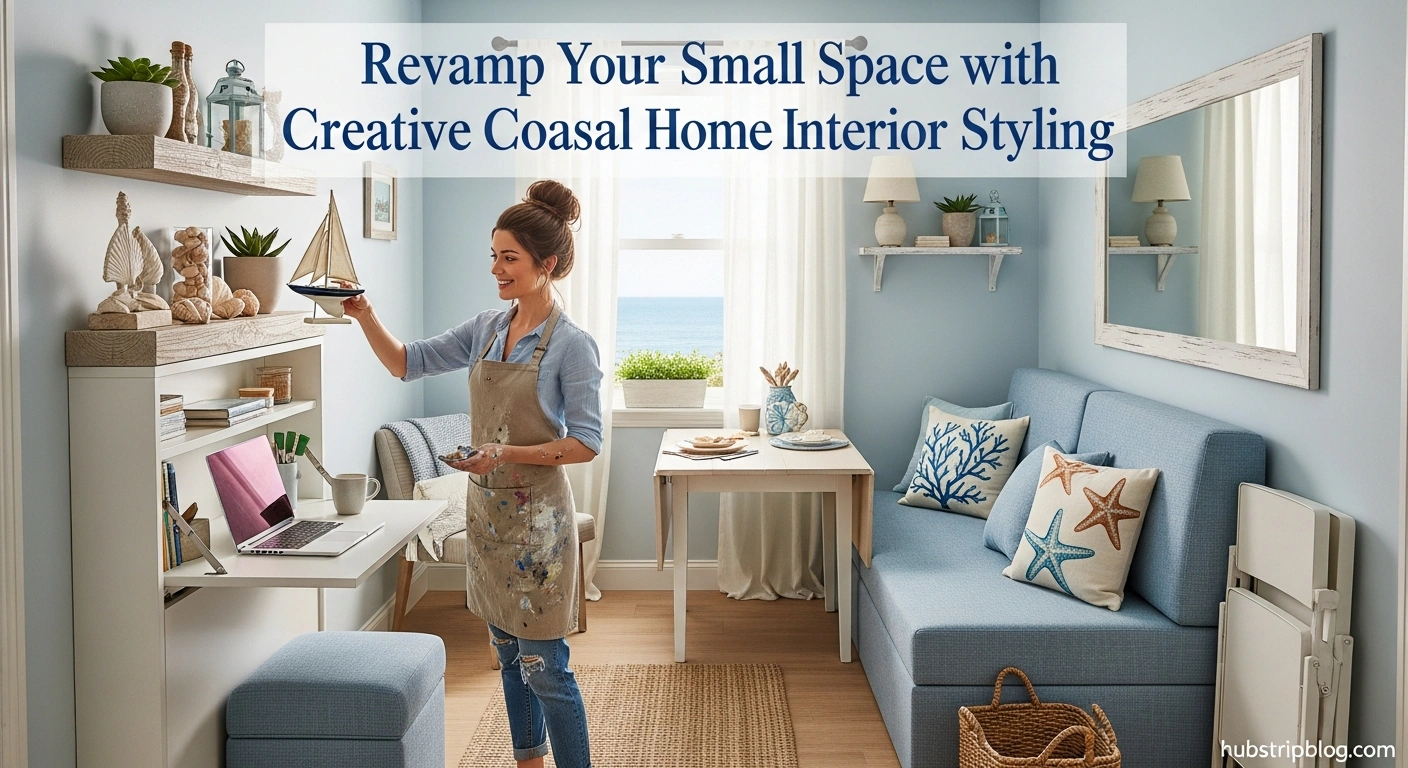
Creative coastal home interior styling isn’t simply about decorating with seashells. It’s about capturing the feeling of being by the sea – the openness, the light, and the connection to nature. This means more than just choosing a few seaside accessories; it’s an intentional design philosophy that focuses on creating a relaxed and inviting atmosphere. The core principles involve light and airy color schemes, natural materials, and a decluttered aesthetic. Achieving a cohesive look requires careful consideration of every detail, from the paint color to the texture of the throws.
Remember, less is often more, especially in smaller spaces. A carefully chosen collection of coastal-inspired pieces will always be more effective than a room crammed with nautical knick-knacks. The goal is to evoke the feeling of the coast, not replicate a souvenir shop. This philosophy helps you avoid clutter, maintain an open feel, and truly embrace the calming nature of coastal design.
Color Palettes: Painting Your Way to the Shore
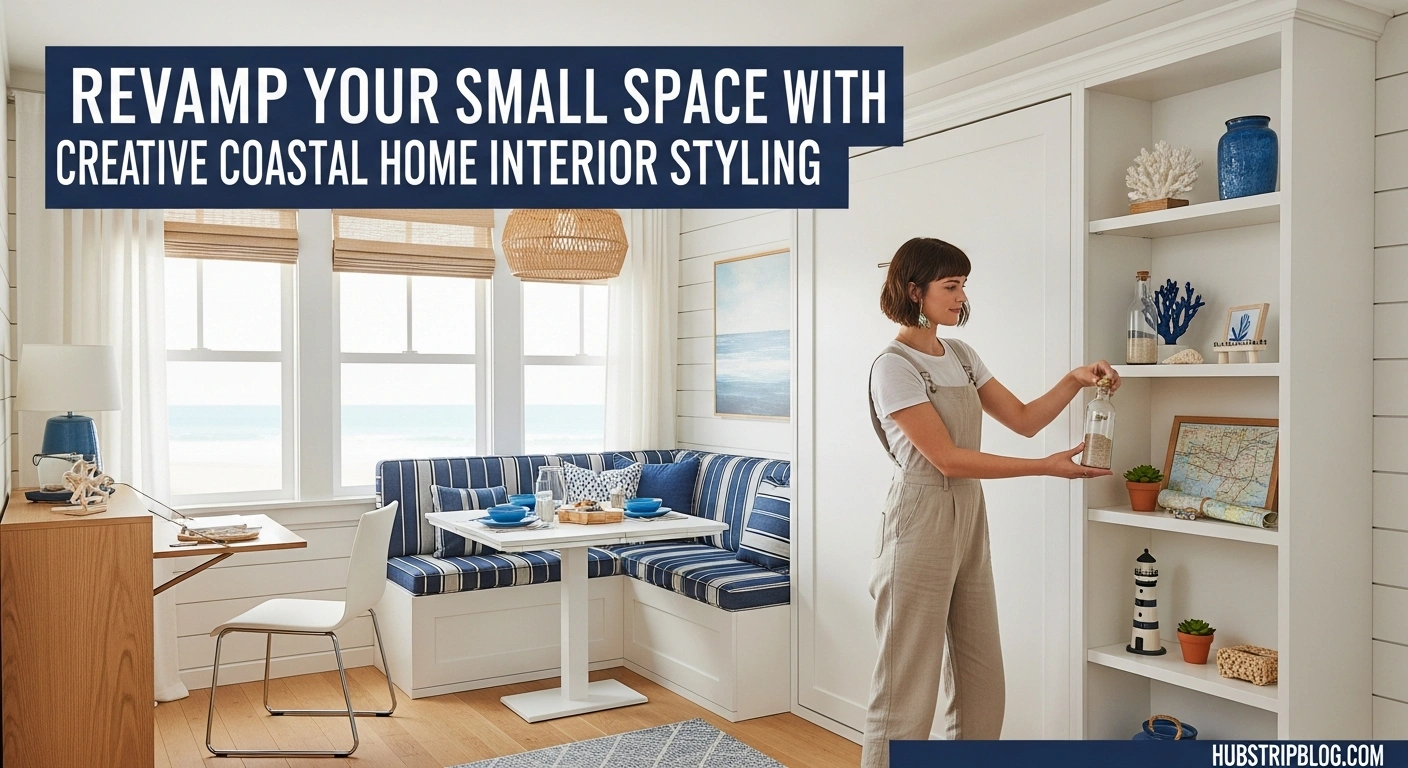
The color palette forms the foundation of any design scheme, and with creative coastal home interior styling, it’s particularly crucial. Think of the colors of the ocean, sand, and sky.
- Whites and Neutrals: These are the building blocks of a coastal aesthetic. Soft whites, creams, and light greys reflect light, making a small space feel larger and brighter. They act as a blank canvas, allowing other colors and textures to shine.
- Blues and Aquas: From the deepest navy to the palest sky blue, these hues evoke the sea and sky. Use them sparingly to add pops of color without overwhelming the space.
- Sandy Beiges and Tans: These earthy tones ground the space and bring warmth. They mimic the natural textures of the beach and provide a sense of comfort.
- Accents of Coral and Seafoam Green: Use these sparingly for pops of color, drawing inspiration from coral reefs and sea glass. Too much can overwhelm, but small touches add personality.
- Consider a Monochromatic Approach: Using varying shades of a single color (e.g., different blues or different whites) can provide a calming and sophisticated look to a small space.
Maximizing Light in Coastal Designs
Light is paramount in coastal interior styling. It contributes significantly to the airy and open feeling associated with this style.
- Natural Light is Key: Maximize natural light by keeping windows clear of heavy drapes. Use sheer curtains or blinds that allow sunlight to filter through while still providing privacy.
- Mirrors are Your Friend: Strategic placement of mirrors will reflect light and create the illusion of more space. Consider a large mirror on a wall or a series of smaller mirrors.
- Light Fixtures: Choose light fixtures that complement the coastal theme. Rattan pendants, glass lamps, and white or silver fixtures can all work well. Ensure adequate lighting throughout the space; avoid dark corners.
- Paint Color Choice: Light paint colors are essential for reflecting light effectively. Avoid dark or heavily saturated colors on walls.
- Light Colored Furniture: Opt for furniture upholstered in light fabrics or with light-colored finishes.
Fabrics & Textures: Bringing the Beach Indoors
Textures play a vital role in creating a layered and inviting coastal interior styling.
- Natural Fibers: Linen, cotton, jute, and seagrass are perfect for adding texture and a natural feel. Use linen for curtains or upholstery, jute for rugs, and seagrass for baskets and accessories.
- Woven Materials: Rattan, wicker, and bamboo evoke a relaxed and beachy vibe. Use them for furniture, baskets, and even light fixtures.
- Knits and Throws: Chunky knit throws and cushions add warmth and comfort. Opt for light colors and textures that complement the coastal theme.
- Sheer Fabrics: Sheer curtains and drapes add an airy and ethereal quality to the space, allowing light to filter through while maintaining privacy.
- Don’t Overdo the Texture: While important, too much texture can make a small space feel busy and cluttered. Choose a few key textures and use them consistently throughout the room.
Incorporating Subtle Nautical Elements
Subtlety is key when incorporating nautical elements. Avoid clichés and focus on refined details to capture the essence of the sea.
- Rope Accents: Use rope for curtain tie-backs, lamps, or even as a decorative element on furniture.
- Seashells and Coral: Display a curated collection of seashells and coral in glass jars or on shelves. Avoid scattering them haphazardly throughout the room.
- Artwork with Coastal Themes: Choose artwork featuring seascapes, sailboats, or other coastal imagery. Ensure the artwork complements the overall color scheme and style of the room.
- Driftwood: Driftwood can be used as a decorative element or even repurposed into furniture.
- Nautical Stripes: Incorporate subtle nautical stripes in cushions, throws, or bedding. Avoid overly bold or repetitive stripes.
Repurposing Found Objects
Giving old and discarded items a new life is a key aspect of sustainable design, and it fits perfectly with the relaxed aesthetic of coastal interior styling.
- Driftwood Mirrors: Use pieces of driftwood to create a unique and rustic mirror frame.
- Seashell Mosaic Art: Create mosaic artwork using seashells and other beach finds.
- Reclaimed Wood Furniture: Use reclaimed wood to build furniture or shelving, adding a touch of rustic charm.
- Vintage Fishing Gear: Repurpose old fishing nets, buoys, or fishing rods as decorative elements. Don’t overdo it – keep it subtle.
- Glass Bottles and Jars: Use glass bottles and jars to display seashells, sand, or other beach-themed items. Can also serve as vases.
Furniture Selection: Prioritizing Function and Form
Furniture choices are crucial in small spaces. You need pieces that are stylish and functional, without overwhelming the room.
- Scale is Key: Choose furniture that is appropriately sized for the space. Avoid oversized pieces that will make the room feel cramped.
- Multi-functional Furniture: Opt for pieces that serve multiple purposes, such as a sofa with storage or a coffee table with drawers.
- Light and Airy Pieces: Choose furniture with light-colored finishes and open designs to maximize the feeling of spaciousness.
- Comfort is Paramount: While style is important, ensure that your furniture is comfortable and inviting.
- Consider Upholstery: Opt for fabrics like linen or cotton blends. Avoid heavy, dark materials that can weigh down the space.
Choosing the Right Sofa
The sofa is a focal point in any living space, making the choice crucial.
- A Sectional is Not Always Ideal: While tempting, sectionals can often overwhelm small spaces. Consider a smaller sofa or loveseat instead.
- Light Colors Reflect Light: Choose a sofa upholstered in a light color to reflect light and create a more open feel.
- Clean Lines: Opt for a sofa with clean lines and a minimalist design to prevent the room from feeling cluttered.
- Sofa with Storage: A sofa with built-in storage can be a lifesaver in a small space, providing a place to stash blankets, pillows, or other items.
- Consider a Sleeper Sofa: If you frequently have guests, a sleeper sofa can be a great option for maximizing space and functionality.
The Importance of Area Rugs
Rugs can define a space and add warmth and texture.
- Size Matters: Choose a rug that is appropriately sized for the room. An oversized rug can make a small space feel even smaller, while a rug that is too small can look out of proportion.
- Natural Fibers are a Good Choice: Jute, sisal, and seagrass rugs are perfect for adding a coastal touch and natural texture.
- Light Colors Brighten the Space: Opt for a rug in a light color to brighten the room and create a sense of spaciousness.
- Pattern Considerations: If you choose a patterned rug, keep the pattern subtle and understated. Avoid overly bold or busy patterns that can overwhelm a small space.
- Layering Rugs Can Add Interest: Consider layering a smaller, patterned rug over a larger, neutral rug to add visual interest and texture.
Storage Solutions: Keeping Your Coastal Retreat Clutter-Free
Clutter is the enemy of a relaxing coastal retreat. Efficient storage solutions are essential for keeping your small space organized and tidy.
- Vertical Storage: Utilize vertical space with shelves, cabinets, and wall-mounted storage solutions.
- Baskets: Woven baskets are a stylish and functional way to store blankets, pillows, and other items.
- Hidden Storage: Look for furniture with hidden storage compartments, such as ottomans with lift-up lids or beds with drawers underneath.
- Floating Shelves: Floating shelves provide a minimalist and stylish way to display decorative items and store books.
- Declutter Regularly: Regularly declutter your space to avoid accumulating unnecessary items.
Smart Space-Saving Tips
Creating a small haven requires smart solutions. Strategic choices can enhance your space and make it feel larger and airier.
- Wall-Mounted Desks: Free up floor space with a wall-mounted desk that can be folded away when not in use.
- Foldable Furniture: Folding chairs and tables can be easily stored away when not needed, maximizing space.
- Sliding Doors: Replace traditional doors with sliding doors to save space and create a more open feel.
- Under-Bed Storage: Utilize the space under your bed with storage bins or drawers.
- Mirrored Closet Doors: Mirrored closet doors not only provide a full-length mirror but also reflect light and create the illusion of more space.
Creating Zones in a Small Space
Even in a small space, it’s important to define different zones for different activities.
- Rugs: Use rugs to delineate different areas, such as a living area and a dining area.
- Furniture Placement: Arrange furniture to create distinct zones. For example, place a sofa and coffee table together to create a living area.
- Color and Lighting: Use different colors and lighting to differentiate between zones. For example, use a brighter light in a work area and a softer light in a relaxation area.
- Screens and Curtains: Use screens or curtains to create privacy and define separate spaces.
- Vertical Elements: Use tall bookshelves or plants to visually separate areas without completely blocking them off.
Accessorizing: Adding the Finishing Touches
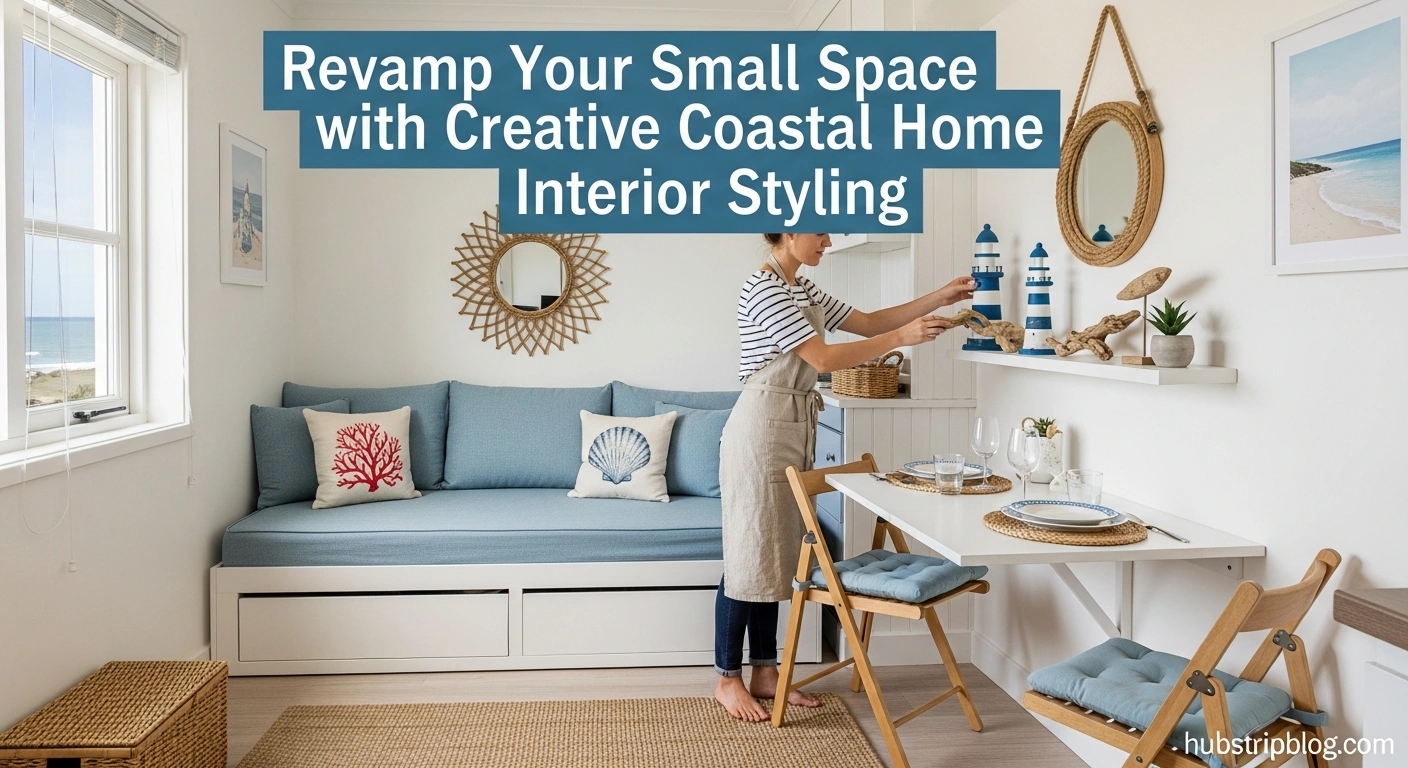
Accessories are the jewels of coastal interior styling, adding personality and charm to your space.
- Coastal-Themed Artwork: Choose artwork featuring seascapes, sailboats, or other coastal imagery.
- Seashells and Coral: Display a curated collection of seashells and coral in glass jars or on shelves.
- Driftwood Accents: Use driftwood as a decorative element or centerpiece.
- Nautical Knots: Incorporate nautical knots as decorative accents.
- Candles and Lanterns: Use candles and lanterns to create a warm and inviting atmosphere. Select scents that evoke the ocean – like sea salt, citrus, or fresh linen.
Choosing the Right Plants
Plants bring life and vibrancy to any space, and choosing the right ones can enhance the coastal interior styling.
- Air Plants: Air plants are low-maintenance and can be displayed in a variety of creative ways. They thrive in humid environments, making them a perfect fit for a coastal theme.
- Succulents: Succulents are drought-tolerant and come in a variety of shapes and colors. They add a touch of natural beauty to any space.
- Palm Trees: Small palm trees can add a tropical touch to your coastal décor
- Sea Grass: While harder to maintain indoors than fake options, sea grass in a pot adds a real, and appropriate, touch of nature.
- Consider Placement: Choose plants that are appropriate for the amount of light available in your space.
- Use Coastal-Themed Planters: Opt for planters made from natural materials, such as terracotta or woven baskets, to complement the coastal theme.
Wall Decor Ideas for Coastal Spaces
Wall decor plays a crucial role in shaping the overall aesthetic of a space.
- Gallery Walls: Create a gallery wall featuring a collection of coastal-themed artwork, photographs, and prints.
- Oversized Mirrors: As mentioned earlier, oversized mirrors are a great way to reflect light and create the illusion of more space.
- Driftwood Art: Create unique and rustic wall art using pieces of driftwood.
- Macrame Hangings: Macrame hangings add a touch of texture and bohemian flair to a coastal space.
- Nautical Maps: Display vintage nautical maps for a touch of history and character.
Sustainable Coastal Living
Creating a coastal interior styling doesn’t have to come at the expense of the environment. Sustainable choices can contribute to a more eco-friendly lifestyle.
- Eco-Friendly Materials: Choose furniture and accessories made from sustainable materials, such as reclaimed wood, bamboo, and recycled materials.
- Organic Fabrics: Opt for fabrics made from organic cotton, linen, or hemp.
- Reclaimed and Repurposed Items: Incorporate reclaimed and repurposed items into your décor to reduce waste and add character.
- Energy-Efficient Lighting: Use energy-efficient lighting, such as LED bulbs, to reduce your carbon footprint.
- Water Conservation: Conserve water by using low-flow showerheads and toilets.
Eco-Friendly Paint Options
Choosing the right paint is essential for both the environment and your health.
- Low-VOC or No-VOC Paints: These paints have low or no volatile organic compounds, which can be harmful to your health and the environment.
- Natural Paints: These paints are made from natural ingredients, such as clay, milk, and plant oils.
- Recycled Paint: Some companies offer paint made from recycled materials.
- Consider the Finish: Choose a finish that is appropriate for the room. For example, a matte finish is good for walls, while a semi-gloss finish is good for trim and doors.
- Proper Disposal: Properly dispose of any unused paint to avoid polluting the environment – many locations have hazardous waste drop-off options.
DIY Coastal Decor
Adding a personal touch to your décor can be incredibly rewarding.
- Seashell Crafts: Create decorative items using seashells, such as picture frames, mirrors, or candle holders.
- Driftwood Projects: Use driftwood to create artwork, furniture, or decorative accents.
- Rope Projects: Incorporate rope into your décor by creating curtain tie-backs, lamps, or decorative knots.
- Painted Mason Jars: Paint mason jars in coastal colors and use them as vases or storage containers.
- Personalized Artwork: Create your own coastal-themed artwork using paint, fabric, or other materials.
Long-Term Maintenance and Care for Coastal Interiors
To ensure your coastal interior styling remains fresh and inviting, regular maintenance and care are essential.
- Regular Cleaning: Dust and vacuum regularly to remove dirt and debris.
- Fabric Care: Clean upholstery and curtains according to the manufacturer’s instructions.
- Wood Care: Clean and polish wood furniture regularly to maintain its luster.
- Prevent Moisture Damage: Ensure proper ventilation to prevent moisture damage, especially in humid environments.
- Sun Protection: Protect your furniture and fabrics from direct sunlight to prevent fading.
Conclusion
Coastal interior styling in a small space isn’t about overwhelming nautical themes; it’s about subtlety, clever space management, and creating a calming atmosphere. By focusing on natural light, serene color palettes, comfortable textures, and smart storage solutions, you can transform even the smallest room into a beautiful coastal retreat. Remember to personalize your space with carefully chosen accessories and don’t be afraid to add DIY touches to make it truly your own. Embrace sustainability, prioritize comfort, and you’ll have a space that not only looks great but also feels like a breath of fresh sea air.