Understanding the Importance of High-Capacity Commercial Kitchen Exhaust Fans
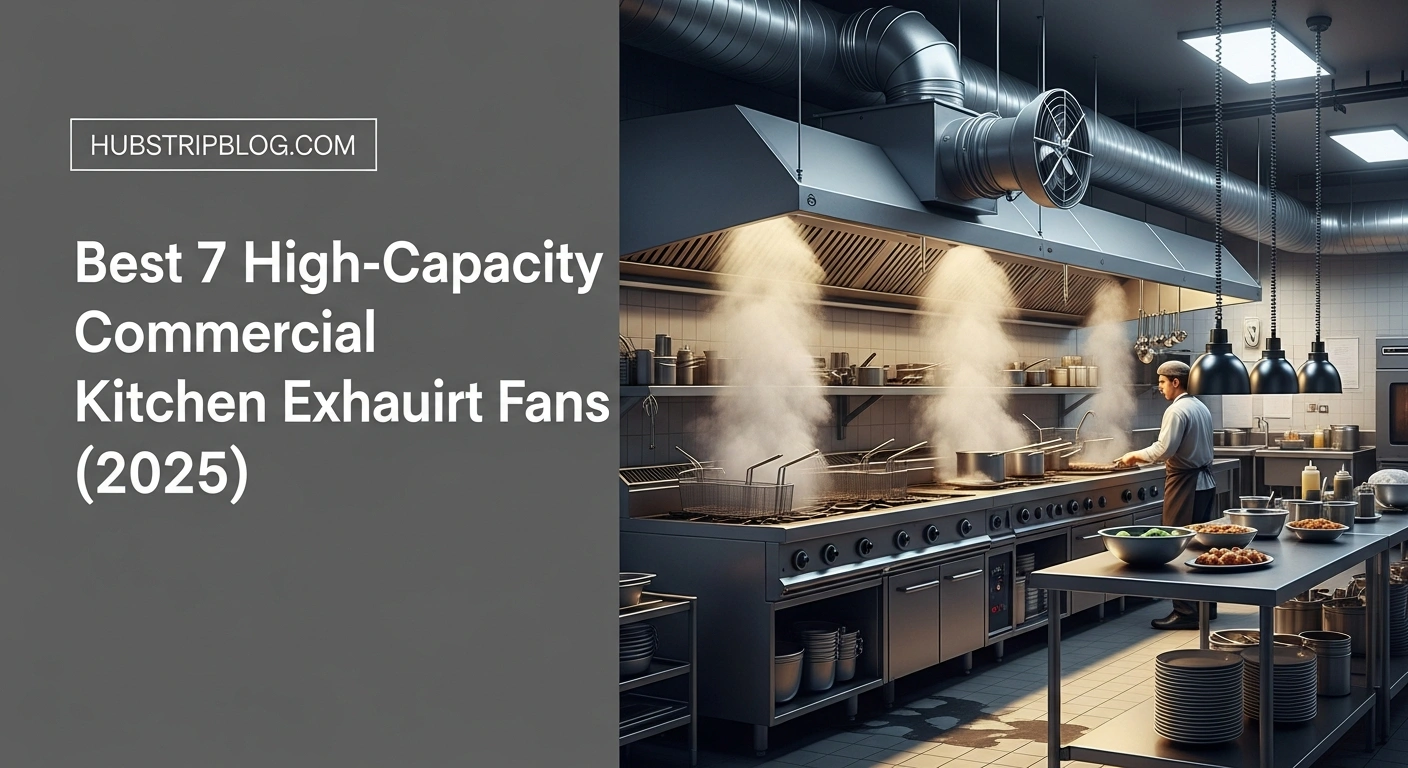
Commercial Kitchen Exhaust Fans – A high-capacity commercial kitchen exhaust fan is designed to handle the demanding ventilation needs of a commercial kitchen. Unlike residential models, these fans are built for continuous operation, removing large volumes of smoke, grease, odors, and heat. These are all key factors in ensuring a safe, comfortable, and legally compliant environment for your kitchen staff.
Without proper ventilation, grease and contaminants can accumulate on surfaces, creating a fire hazard and health risks. Excessive heat can also lead to discomfort and reduced productivity, potentially even affecting the quality of the food being prepared. Furthermore, local and national regulations often mandate specific ventilation standards for commercial kitchens. Investing in a high-capacity commercial kitchen exhaust fan ensures compliance and protects your business from costly fines and legal complications. The initial investment quickly pays for itself by preventing potential fire risks and maintaining a safe kitchen atmosphere. Not to mention, a comfortable work environment leads to happier, more productive employees, who can focus on their craft without being bogged down by oppressive heat or oily fumes.
Choosing the right exhaust fan isn’t just about complying with regulations; it’s about creating a better, safer, and more efficient workplace. It’s about investing in your employees’ well-being and ensuring the long-term success of your culinary operations. It’s about building a foundation for culinary excellence within a space built to promote it. A high-capacity commercial kitchen exhaust fan is an essential part of that foundation.
Top 7 High-Capacity Commercial Kitchen Exhaust Fans for 2025
Predicting the future is never simple, but based on current trends and technological advancements, here are seven high-capacity commercial kitchen exhaust fans poised to lead the market in 2025, along with the reasons why they’re worth considering:
- The “Cyclone Pro” by VentMaster: Known for its robust design and exceptional airflow, the Cyclone Pro boasts a direct-drive motor for reliable, continuous operation. Its advanced filtration system effectively removes grease and odors, making it a top choice for high-volume kitchens. VentMaster is also improving the energy efficiency of this unit, and that will be welcome news for many who may have been on the fence about its operating cost in previous iterations. This model is known for being easy to clean and maintain, an important factor to consider given how frequently exhaust systems need cleaning in commercial kitchens.
- “AirMax Titan” from GreenTech Solutions: This fan stands out for its energy efficiency and eco-friendly features. Using a variable frequency drive (VFD), the AirMax Titan automatically adjusts the fan speed based on kitchen activity, significantly reducing energy consumption. It also integrates with smart building management systems for remote monitoring and control. Expect to see increased demand for GreenTech Solutions, as sustainability becomes more and more of a priority for their customers. The quiet operation of their units will also be a big selling point.
- The “Smoke Eater 9000” by KitchenAire: Designed specifically for kitchens with heavy smoke production, the Smoke Eater 9000 uses a multi-stage filtration system to capture even the smallest particles. Its powerful motor ensures rapid smoke removal, improving air quality and visibility. This fan is well-suited for restaurants specializing in grilled or fried foods. The company makes use of very durable materials, which has always been a hallmark of their design approach. Smoke Eater 9000 is a great choice for high-volume kitchens where they need a reliable, tough workhorse.
- “GreaseGuard Ultra” by HoodTech Systems: With a focus on grease management, the GreaseGuard Ultra features a unique baffle filter design that effectively captures grease and prevents it from clogging ductwork. It is also equipped with a self-cleaning mechanism, reducing maintenance requirements. This model is ideal for kitchens with high grease output, such as those serving fried or sautéed dishes. The robust system HoodTech employs eliminates the need for additional grease traps.
- The “Tempest HV” by Restaurant Ventilation Inc.: The Tempest HV is known for its versatility and adaptability. Its modular design allows for easy customization to fit various kitchen layouts and ventilation needs. It can also be configured with different filter options to address specific air quality concerns. Restaurant Ventilation Inc. offers excellent customer support and is a well-known brand in the commercial kitchen space. This fan features a compact design that is ideal for smaller kitchens.
- “Vortex PowerMax” by AirFlow Dynamics: Boasting an exceptionally powerful motor and optimized blade design, the Vortex PowerMax delivers maximum airflow for rapid heat and odor removal. Its durable construction ensures long-lasting performance even in the most demanding kitchen environments. AirFlow Dynamics has always prioritized minimizing noise in their designs, which is another welcome addition to any kitchen. The easy-to-access components also make maintenance quick and painless.
- The “WhisperWind Elite” by QuietAire Solutions: If noise is a concern, the WhisperWind Elite is a top contender. Engineered for ultra-quiet operation, this fan delivers powerful ventilation without disrupting the kitchen environment. Its advanced sound dampening technology minimizes noise levels, creating a more pleasant working space. This model is a great choice for open-concept kitchens or establishments where noise reduction is a priority. QuietAire Solutions made excellent use of vibration-dampening materials, which will ensure your team can work comfortably and without auditory excess.
These seven high-capacity commercial kitchen exhaust fans represent the pinnacle of ventilation technology in 2025. Each offers unique features and benefits, catering to the diverse needs of commercial kitchens. Carefully consider your specific requirements and priorities when selecting the right exhaust fan for your business.
Factors to Consider When Choosing a High-Capacity Commercial Kitchen Exhaust Fan
Selecting the right high-capacity commercial kitchen exhaust fan requires careful consideration of several key factors. Failure to do so can result in inadequate ventilation, increased operating costs, and potential safety hazards. Here’s a comprehensive overview of the critical aspects to evaluate:
- CFM (Cubic Feet per Minute): CFM measures the volume of air the fan can move per minute. Determining the appropriate CFM for your kitchen is crucial for effective ventilation. This depends on the size of your kitchen, the type of cooking equipment used, and the intensity of cooking activity. Consult with a ventilation specialist to calculate the required CFM based on your specific needs.
- Static Pressure: Static pressure is the resistance to airflow within the ventilation system. Factors such as duct length, filter type, and bends in the ductwork can increase static pressure. Choose a fan that can overcome the static pressure in your system to ensure adequate airflow.
- Motor Type: Commercial kitchen exhaust fans typically use direct-drive or belt-drive motors. Direct-drive motors are more efficient and require less maintenance, while belt-drive motors are more powerful and better suited for high-static pressure applications.
- Filter Type: The filter is the first line of defense against grease and other contaminants. Common filter types include baffle filters, mesh filters, and charcoal filters. Baffle filters are highly effective at capturing grease, while charcoal filters excel at odor removal. Consider the type of cooking you do and the specific contaminants you need to address when selecting a filter type.
- Material and Construction: The fan’s material and construction determine its durability and resistance to corrosion. Stainless steel is a popular choice for commercial kitchen exhaust fans due to its strength, durability, and ease of cleaning.
- Energy Efficiency: Energy efficiency is a crucial factor to consider, as exhaust fans operate for extended periods. Look for fans with energy-efficient motors and features such as variable frequency drives (VFDs) to minimize energy consumption.
- Noise Level: Noise levels can impact the working environment in the kitchen. Choose a fan with a low noise level to minimize distractions and improve employee comfort.
- Maintenance Requirements: Consider the maintenance requirements of the fan, including filter cleaning, motor lubrication, and belt replacement (if applicable). Easy access to components and simple maintenance procedures can save time and money in the long run.
- Compliance with Codes and Regulations: Ensure that the fan meets all applicable local and national codes and regulations. This may include requirements for fire safety, air quality, and noise levels.
- Cost: While cost is a factor, prioritize quality and performance over price. A higher-quality fan may have a higher initial cost, but it will likely provide better performance, last longer, and require less maintenance, ultimately saving you money in the long run, as well as keeping your operations safe and legally compliant.
By carefully considering these factors, you can select a high-capacity commercial kitchen exhaust fan that meets your specific needs and provides reliable, efficient ventilation for your kitchen.
The Role of Professional Installation in Maximizing Fan Performance
Proper installation is paramount for ensuring the optimal performance and longevity of your high-capacity commercial kitchen exhaust fan. Even the most advanced and well-designed fan will underperform if installed incorrectly. Professional installation guarantees that the fan is properly mounted, connected to the ductwork, and wired to the electrical system.
A professional installer will assess your kitchen’s layout, ventilation needs, and existing infrastructure to determine the best location for the fan. They will also ensure that the ductwork is properly sized and configured to maximize airflow and minimize static pressure. Improperly sized or configured ductwork can significantly reduce the fan’s efficiency and increase energy consumption. Furthermore, a certified installer will ensure that the fan meets all applicable codes and regulations, including those related to fire safety and electrical standards. This can protect your business from costly fines and legal liabilities.
Attempting to install a commercial kitchen exhaust fan yourself can be risky, as it involves working with electrical systems and potentially hazardous equipment. Improper wiring or installation can lead to electrical shocks, fire hazards, and equipment damage. Hiring a professional installer is a worthwhile investment that can save you time, money, and potential headaches in the long run. The expertise of a trained professional ensures that your high-capacity commercial kitchen exhaust fan operates at peak performance and meets all safety requirements, providing you with peace of mind. They will also be able to advise you on best practices for maintenance and operation.
Exploring Variable Frequency Drives (VFDs) and their Benefits
A Variable Frequency Drive (VFD) is an electronic device that controls the speed of an electric motor by varying the frequency and voltage supplied to the motor. In the context of high-capacity commercial kitchen exhaust fans, VFDs offer significant benefits in terms of energy efficiency, noise reduction, and fan longevity.
One of the primary advantages of VFDs is their ability to adjust the fan speed based on the actual ventilation needs of the kitchen. During periods of low cooking activity, the VFD can reduce the fan speed, significantly reducing energy consumption. Conventional exhaust fans operate at a fixed speed, regardless of the actual ventilation demand, resulting in wasted energy.
Another benefit of VFDs is noise reduction. By reducing the fan speed during periods of low cooking activity, the VFD can significantly reduce the noise level in the kitchen. This can improve the working environment for kitchen staff and create a more pleasant atmosphere for customers. VFDs can also extend the life of the exhaust fan motor. By reducing the stress on the motor during periods of low demand, the VFD can help to prevent premature wear and tear.
When selecting a high-capacity commercial kitchen exhaust fan, consider models equipped with VFDs to maximize energy efficiency, minimize noise levels, and extend the lifespan of the fan. The initial investment in a VFD will likely be offset by long-term savings in energy costs and maintenance.
Understanding Different Types of Commercial Kitchen Exhaust Fans
Choosing the right type of commercial kitchen exhaust fan is crucial for effective ventilation and a comfortable working environment. Different types of fans are designed for specific applications and offer varying levels of performance and efficiency. Here’s an overview of the most common types of commercial kitchen exhaust fans:
- Upblast Exhaust Fans: Upblast exhaust fans are typically mounted on the roof and discharge air vertically upwards. They are well-suited for kitchens with high heat and grease loads, as they effectively remove these contaminants from the air. Upblast fans are also designed to prevent grease and odors from accumulating on the roof.
- Downblast Exhaust Fans: Downblast exhaust fans are mounted on the wall and discharge air horizontally. They are often used in smaller kitchens or in areas where roof mounting is not feasible. Downblast fans are less effective at removing heat and grease than upblast fans, but they can be a more cost-effective option for certain applications.
- Inline Exhaust Fans: Inline exhaust fans are installed within the ductwork and are used to boost airflow in long or complex duct systems. They are often used in conjunction with other types of exhaust fans to ensure adequate ventilation throughout the kitchen.
- Centrifugal Fans: Centrifugal fans use a rotating impeller to draw air into the fan housing and then discharge it at a higher velocity. They are well-suited for applications that require high static pressure, such as kitchens with long or restrictive duct systems.
- Axial Fans: Axial fans use a propeller-like blade to move air in a straight line. They are typically used for applications that require high airflow but low static pressure, such as general ventilation or spot cooling.
Consider your kitchen’s specific ventilation needs, layout, and duct system when choosing the right type of exhaust fan. Consult with a ventilation specialist to determine the most appropriate fan type for your business because many local restrictions and code requirements apply. The goal is a safe kitchen, efficient ventilation, and a healthy environment for your staff.
Comparing Upblast vs. Downblast: Which is Right for Your Kitchen?
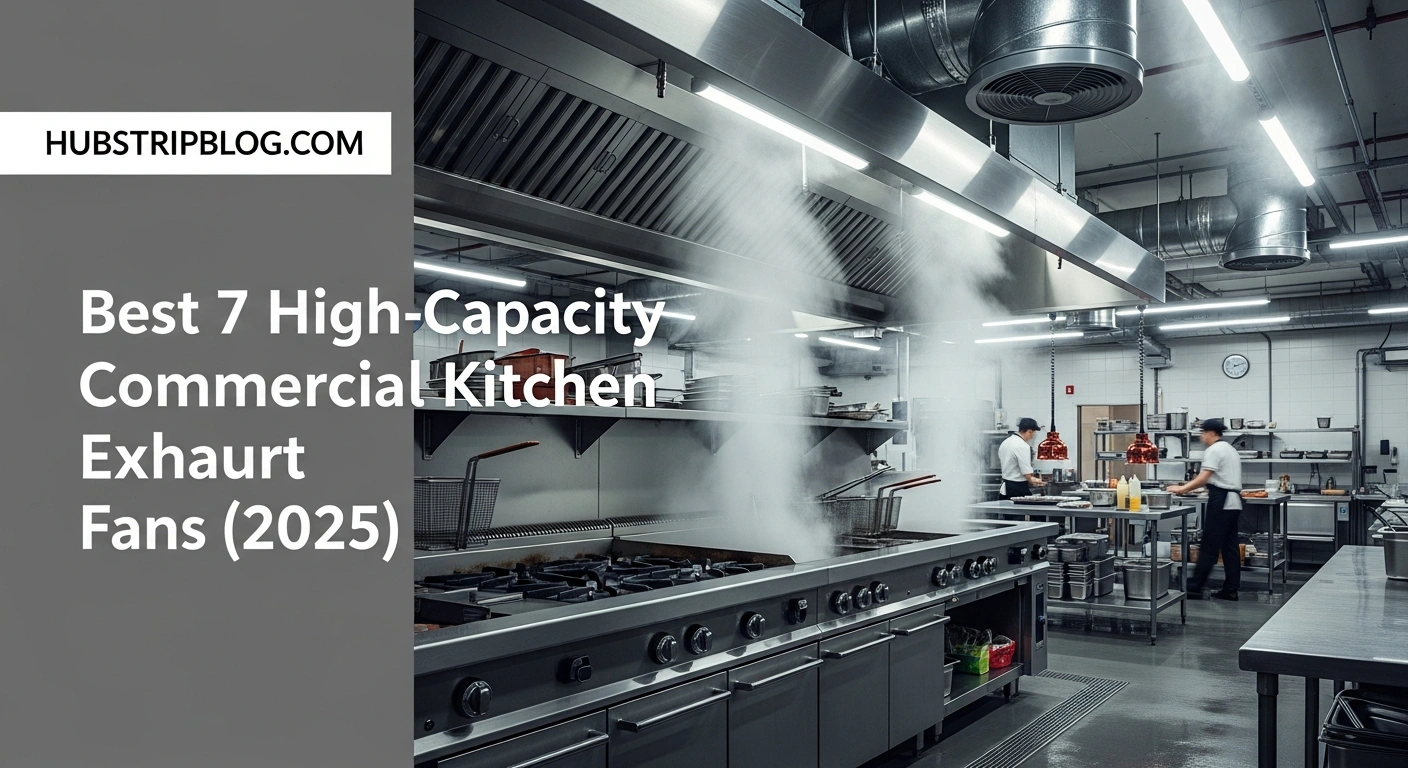
The choice between upblast and downblast exhaust fans hinges on several factors specific to your kitchen’s layout, the volume of cooking, and local regulations. Upblast fans, as the name suggests, expel air vertically upwards and are typically mounted on the roof. This design is particularly effective for kitchens that produce a high volume of smoke, grease, and heat. The upward discharge helps to prevent the recirculation of contaminants back into the building, which is a significant advantage. Upblast fans also tend to be more durable and require less frequent cleaning due to their elevated position.
However, upblast fans can be more expensive to install and maintain than downblast fans. They also require a roof structure that can support their weight and withstand the elements. Additionally, some buildings may not be suitable for upblast fans due to aesthetic concerns or zoning restrictions.
Downblast fans, on the other hand, discharge air horizontally and are typically mounted on an exterior wall. They are a more cost-effective option for smaller kitchens or those with limited roof access. Downblast fans are also easier to install and maintain than upblast fans. However, they are less effective at removing heat and grease, and they can potentially recirculate contaminants back into the building if not properly positioned.
The decision between upblast and downblast fans depends on a careful evaluation of these factors. If your kitchen produces a high volume of smoke, grease, and heat, and you have a suitable roof structure, an upblast fan is likely the better choice. If your kitchen is smaller, your budget is limited, or roof access is restricted, a downblast fan may be a more practical option. It’s always recommended to consult an experienced ventilation professional who can assess your specific needs and provide tailored recommendations.
The Benefits of Adding Make-Up Air Systems
Even the best high-capacity commercial kitchen exhaust fans can struggle to perform optimally without a properly designed make-up air system. A make-up air system is designed to replace the air that is exhausted from the kitchen by the exhaust fan. When the exhaust fan removes air from the kitchen, it creates a negative pressure. This negative pressure can draw air from other areas of the building, such as dining rooms or storage areas. This can lead to uncomfortable drafts, uneven temperatures, and reduced air quality throughout the building.
A make-up air system provides a dedicated source of fresh, conditioned air to replace the exhausted air. This helps to maintain a balanced air pressure in the kitchen and prevent the negative pressure from drawing air from other areas of the building. Make-up air systems can also improve the efficiency of the exhaust fan. Without a make-up air system, the exhaust fan has to work harder to overcome the negative pressure in the kitchen, which can reduce its airflow and increase its energy consumption.
A make-up air system ensures that the high-capacity commercial kitchen exhaust fan operates efficiently and effectively, providing a comfortable and healthy environment for kitchen staff and customers. It is especially useful if the kitchen faces periods of extreme heat or cold, because make-up air can be tempered prior to introducing in to the kitchen, negating the effects of drastic temperature changes.
Maintaining Your High-Capacity Commercial Kitchen Exhaust Fan for Longevity
Regular maintenance is absolutely essential for ensuring the long-term performance and reliability of your high-capacity commercial kitchen exhaust fan. Neglecting maintenance can lead to reduced airflow, increased energy consumption, and potential safety hazards. Here’s a comprehensive guide to maintaining your exhaust fan:
- Filter Cleaning: Clean the filters regularly, typically every one to three months, depending on the intensity of cooking activity. Grease buildup on the filters can restrict airflow and reduce the fan’s efficiency. Wash the filters with hot, soapy water or use a commercial degreaser.
- Duct Cleaning: Clean the ductwork periodically, typically every one to two years, to remove grease and other contaminants. Grease buildup in the ductwork can pose a fire hazard. Hire a professional duct cleaning service to ensure proper cleaning.
- Motor Maintenance: Lubricate the motor bearings as needed, following the manufacturer’s instructions. Over time, the bearings will dry out, which can reduce the motor’s efficiency and lifespan. Inspect the motor for signs of wear or damage, such as cracks or frayed wires.
- Belt Inspection (for Belt-Drive Fans): Inspect the belts regularly for wear or damage. Replace worn or cracked belts. Adjust the belt tension as needed to ensure proper operation.
- Fan Blade Cleaning: Clean the fan blades periodically to remove grease and dirt. Dirty fan blades can reduce airflow and cause the fan to vibrate, damaging the motor bearings.
- Electrical Connections: Inspect the electrical connections regularly to ensure they are tight and secure. Loose connections can cause electrical arcs and potential fire hazards.
- Overall Inspection: Conduct a thorough inspection of the fan and its components at least once a year. Look for signs of wear, damage, or corrosion. Address any issues promptly to prevent further damage.
Document all maintenance activities, including dates, tasks performed, and any parts replaced. This will help you track the fan’s maintenance history and identify potential problems early on.
By following these maintenance guidelines, you can extend the life of your high-capacity commercial kitchen exhaust fan and ensure optimal performance.
DIY vs. Professional Maintenance: Knowing When to Call an Expert
While some maintenance tasks can be performed by your staff, others require the expertise and equipment of a qualified professional. Knowing the difference between DIY maintenance and when to call an expert can save you time, money, and potential headaches.
Simple tasks such as filter cleaning and fan blade cleaning can typically be performed by your staff, following the manufacturer’s instructions. However, more complex tasks such as duct cleaning, motor maintenance, and electrical repairs should be left to professionals. Duct cleaning requires specialized equipment and training to ensure that all grease and contaminants are properly removed. Motor maintenance and electrical repairs involve working with potentially dangerous equipment and should only be performed by qualified technicians.
Attempting to perform these tasks yourself without the proper training or equipment can be risky and could potentially damage the equipment or injure yourself or others. A professional maintenance service will have the necessary tools, expertise, and insurance to perform these tasks safely and effectively. They can also identify potential problems that you might miss and address them before they become major issues.
Establishing a relationship with a reputable HVAC service provider is beneficial. They can provide you with a maintenance schedule, perform regular inspections, and handle all of your exhaust fan maintenance needs. This will ensure that your high-capacity commercial kitchen exhaust fan operates at peak performance and remains in compliance with all applicable codes and regulations.
Addressing Common Problems and Troubleshooting Tips
Even with regular maintenance, high-capacity commercial kitchen exhaust fans can experience problems over time. Knowing how to troubleshoot common issues can help you resolve minor problems quickly and prevent them from escalating into major repairs. Here are some common problems and troubleshooting tips:
- Reduced Airflow: Check the filters for grease buildup and clean them as needed. Inspect the ductwork for obstructions. Verify that the fan motor is operating properly.
- Excessive Noise: Check the fan blades for damage or imbalance. Lubricate the motor bearings. Tighten any loose bolts or screws.
- Motor Overheating: Verify that the fan is properly ventilated. Check the motor windings for shorts or open circuits.
- Fan Not Starting: Check the power supply. Inspect the motor starter. Verify that all safety switches are in the correct position.
- Unusual Odors: Clean the filters and ductwork. Check for leaks in the system.
If you are unable to resolve the problem yourself, contact a qualified HVAC technician for assistance. Attempting to repair complex problems without the proper training or equipment can be dangerous and could potentially void your warranty.
Future Trends in Commercial Kitchen Ventilation
The field of commercial kitchen ventilation is constantly evolving, driven by advancements in technology, growing sustainability concerns, and increasing regulatory requirements. Looking ahead, several key trends are expected to shape the future of high-capacity commercial kitchen exhaust fans.
- Smart Ventilation Systems: Smart ventilation systems use sensors and controls to automatically adjust the fan speed based on real-time cooking activity. These systems can significantly reduce energy consumption and improve air quality.
- Energy-Efficient Technologies: Advancements in motor technology, fan blade design, and filtration systems are leading to more energy-efficient exhaust fans. Variable frequency drives (VFDs) are becoming increasingly common, allowing fans to operate at variable speeds based on demand.
- Sustainability Focus: Demand for sustainable and eco-friendly ventilation solutions continues to grow, as restaurants and other food service establishments aim to reduce their environmental footprint. This includes using fans with energy-efficient motors, recyclable materials, and advanced filtration systems that minimize air pollution.
- Improved Air Quality: Air quality is becoming an increasingly important concern, both for kitchen staff and surrounding communities. Advanced filtration systems are being developed to remove even the smallest particles and odors from the air.
- Noise Reduction Technologies: Noise levels in commercial kitchens can be a significant source of stress for kitchen staff. New technologies such as sound dampening materials and optimized fan blade designs are being developed to minimize noise levels.
- Remote Monitoring and Control: Remote monitoring and control systems allow facility managers to monitor and adjust the fan’s speed, temperature, and other settings from a remote location. This can improve efficiency and reduce maintenance costs.
By staying abreast of these trends, you can make informed decisions about your high-capacity commercial kitchen exhaust fan and ensure that your kitchen is equipped with the most advanced and efficient ventilation technology available.
Conclusion
Investing in the right high-capacity commercial kitchen exhaust fan is a decision that directly impacts the comfort, safety, and efficiency of your kitchen. The models highlighted for 2025 represent the pinnacle of ventilation technology, each designed to tackle the unique challenges presented by the diverse range of commercial kitchens. From the grease-laden environments of bustling burger joints to the smoke-filled atmospheres of barbecue restaurants, there’s a high-capacity fan poised to provide optimal performance.
By carefully weighing the factors discussed, understanding the different types of fans, and prioritizing regular maintenance, you can select a system that not only meets your immediate ventilation needs but also provides long-term value and peace of mind. Remember, a well-ventilated kitchen is a productive kitchen, a safe kitchen, and a kitchen that fosters culinary excellence. Embrace the advancements in ventilation technology and invest in a high-capacity commercial kitchen exhaust fan that will elevate your culinary operations to new heights in 2025 and beyond.