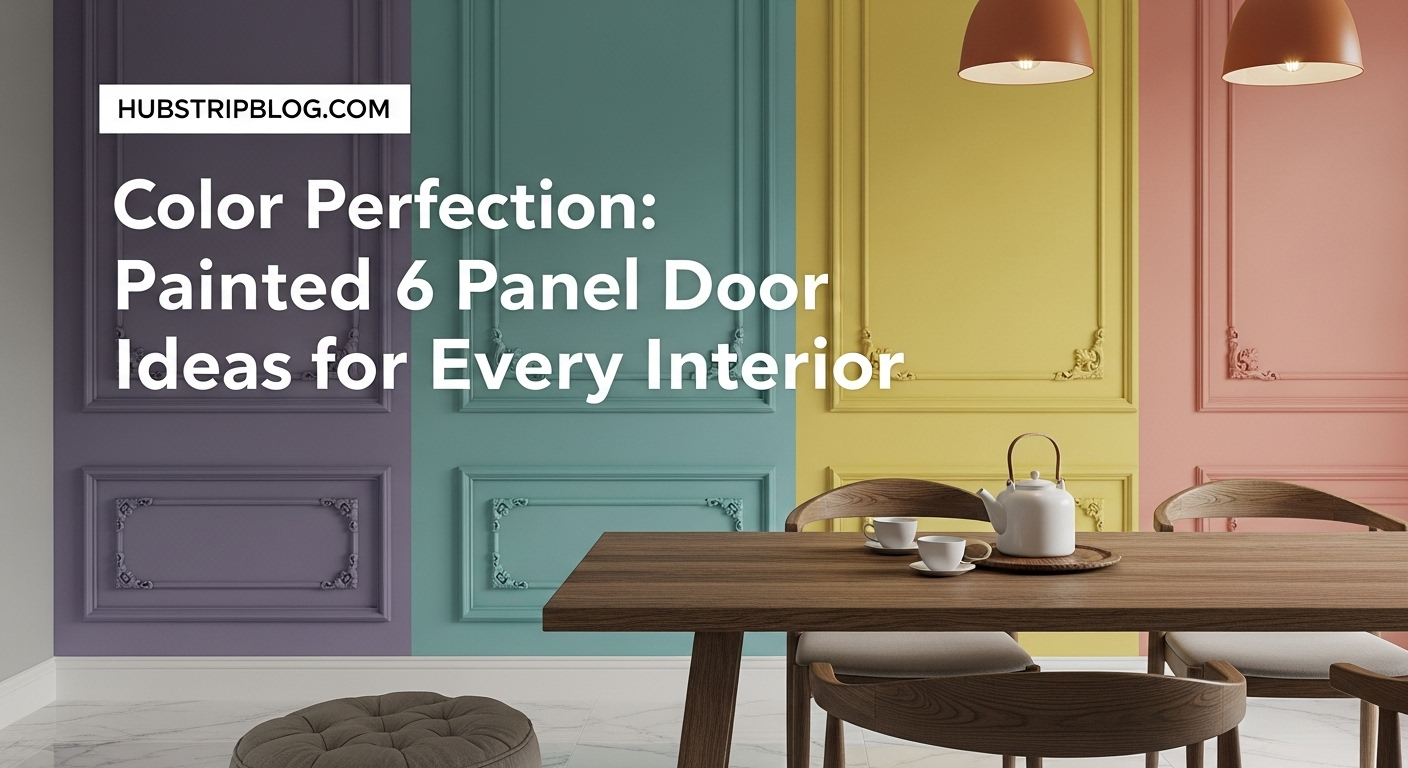
The Enduring Elegance of 6-Panel Interior Doors
Painted 6 Panel Door Ideas for Every Interior – The 6-panel interior door is a timeless classic, characterized by its distinctive six rectangular panels—typically two smaller ones at the top, two larger in the middle, and two smaller at the bottom. This design originated centuries ago, evolving from functional construction to an aesthetic standard found in homes from traditional colonials to modern farmhouses. Its enduring popularity stems from its balanced proportions, structural integrity, and remarkable adaptability.
Unlike flat slab doors, the panels and stiles of a 6-panel door create subtle shadows and highlights, adding depth and visual interest. This architectural detail makes it an ideal candidate for painting, as the play of light can further enhance the chosen color. Whether your home leans towards historical charm or contemporary minimalism, the 6-panel door integrates seamlessly, offering a foundational element for your interior design canvas.
Choosing to paint these doors rather than leaving them in their natural wood finish allows for an unparalleled level of customization. It’s an effective and often affordable way to update outdated doors, inject personality into a room, or tie together disparate design elements. The quest for the perfect painted 6 panel interior door color ideas begins with understanding these doors as more than just a barrier, but as integral components of your home’s narrative.

Unlocking Style: Essential Considerations for Painted 6 Panel Interior Door Color Ideas
Before diving into specific color swatches, it’s crucial to consider several factors that will influence your ultimate choice. The right color doesn’t just look good in isolation; it harmonizes with its surroundings, reflects your personal style, and contributes to the desired atmosphere of your living spaces. Thoughtful selection ensures that your painted 6 panel interior door color ideas truly achieve color perfection.
Understanding Your Home’s Architectural Style
Your home’s architectural style provides a natural starting point for selecting door colors. Different aesthetics lend themselves to particular palettes, helping to maintain cohesion and authenticity. A modern minimalist home will likely benefit from different hues than a charming cottage or a grand Victorian residence.
For traditional and farmhouse styles, classic whites, soft creams, or muted earthy tones often complement the existing wood trim and rustic elements. These colors enhance the warm, inviting atmosphere without overshadowing the home’s inherent character. Conversely, a contemporary or industrial space might embrace bold charcoals, crisp blacks, or even unexpected vibrant colors to create striking contrasts and define clean lines. Coastal homes often gravitate towards blues, greens, and sandy neutrals, echoing the serene environment outside. Aligning your painted 6 panel interior door color ideas with your home’s overarching style ensures a harmonious and well-thought-out design.
The Psychology of Color: Setting the Mood
Colors possess a powerful ability to evoke feelings and influence the atmosphere of a room. Understanding color psychology can guide your choices, allowing you to intentionally set the mood for each space. Whether you desire a tranquil bedroom, an energetic playroom, or a sophisticated study, your door color can contribute significantly.
Warm colors like reds, oranges, and yellows tend to be more stimulating and create a feeling of coziness and energy. They can make a door appear to advance, drawing attention. Cool colors such as blues, greens, and purples are generally calming and expansive, making a room feel larger and more serene. They tend to recede visually. Neutrals (whites, greys, beiges) offer versatility and balance, providing a soothing backdrop that allows other elements to shine. When exploring painted 6 panel interior door color ideas, consider the primary function of the room and the emotional response you wish to elicit.
Coordinating with Existing Decor and Palette
The door doesn’t exist in isolation; it’s an integral part of a larger design scheme. Coordinating your door color with walls, trim, flooring, and furniture is essential for a cohesive look. You have several approaches:
- Matching: Painting the door the same color as the walls for a seamless, understated effect.
- Harmonizing: Choosing a shade that complements the wall color, perhaps a lighter or darker tone of the same hue, or a color from a similar palette.
- Contrasting: Selecting a distinctly different color to make the door a focal point or to add a pop of unexpected interest. This is where bold painted 6 panel interior door color ideas truly shine.
Consider the room’s main color palette—is it monochromatic, analogous, or complementary? A door color can either blend in or stand out, depending on your desired impact. For instance, if your walls are a light grey, a crisp white door will offer a subtle contrast, while a deep navy door will create a dramatic statement. Always bring paint swatches into your home and view them in different lighting conditions before making a final decision.
A Spectrum of Painted 6 Panel Interior Door Color Ideas: From Classic to Contemporary
With foundational considerations in mind, let’s explore a range of painted 6 panel interior door color ideas that can beautifully transform any space. From timeless staples to daring statements, each color family offers unique benefits and aesthetic possibilities for your 6-panel doors.
Timeless Neutrals: The Foundation of Sophistication
Neutral colors are the bedrock of versatile interior design, offering a calm and sophisticated backdrop that never goes out of style. They provide flexibility, allowing other design elements to take center stage, and are incredibly adaptable to various home styles and changing decor trends.
Classic White: The Epitome of Versatility
White doors are undeniably the most popular and enduring choice. A crisp white painted 6 panel interior door offers a fresh, clean, and bright aesthetic that complements virtually any wall color or decor style. It instantly enlarges a space, reflects light, and creates an airy, open feel.
- Pristine & Bright: Classic white brightens hallways and rooms, making them feel more spacious and inviting.
- Universal Compatibility: It pairs effortlessly with bold wall colors, soft pastels, or other neutrals, always looking refined.
- Timeless Appeal: White never goes out of fashion, ensuring your doors remain stylish for years to come.
Variations include warm whites with yellow undertones or cool whites with grey/blue undertones, allowing for subtle customization.
Elegant Greys: Sophisticated and Modern
Grey offers a sophisticated alternative to white, providing a neutral backdrop with more depth and character. The vast spectrum of grey tones, from light silvery hues to deep charcoal, means there’s a perfect grey for every mood and style. Painted 6 panel interior door color ideas featuring grey can be remarkably chic.
- Versatile Tones: Light greys can be airy and modern, while deeper charcoals add drama and grounding stability.
- Modern Edge: Grey doors often lend a contemporary or even industrial feel, especially when paired with clean lines and minimalist decor.
- Cool or Warm: Greys can have cool (blue/green) or warm (brown/beige) undertones, allowing them to harmonize with different room palettes.
A charcoal grey door against light walls creates a striking, elegant contrast, particularly stunning with matte black hardware.
Warm Beiges & Creams: Inviting and Soft
For those seeking a warmer neutral, beige and cream offer softness and an inviting ambiance that white might not always provide. These colors lean towards traditional warmth, yet can be adapted for modern comfort. They avoid starkness, lending a gentle elegance to your interior.
- Gentle Warmth: Beiges and creams create a cozy and welcoming atmosphere, often seen in homes with a traditional, rustic, or natural aesthetic.
- Subtle Richness: They provide a slightly richer alternative to white, without being overwhelming.
- Natural Complement: These hues beautifully complement natural wood tones, earthy palettes, and soft, organic textiles.
Consider a deeper beige painted 6 panel interior door to add an understated depth to a light-colored room, or a creamy off-white for a vintage-inspired look.
Bold & Beautiful: Making a Statement with Color
For homeowners not afraid to make a design statement, bold colors offer an exciting way to imbue personality and drama into a space. A brilliantly colored painted 6 panel interior door can become an instant focal point, transforming an ordinary entryway into a memorable design feature.
Deep Blues & Greens: Calming Luxury and Nature’s Embrace
Deep blues and greens are incredibly versatile, offering both sophistication and a connection to nature. They can evoke feelings of tranquility, luxury, and groundedness, depending on the specific shade and saturation. These colors are increasingly popular for creating a sense of calm and grandeur.
- Serene Blues: Navy, sapphire, or deep teal blues evoke a sense of calm, depth, and sophistication, perfect for bedrooms, studies, or living areas.
- Earthy Greens: Forest green, olive green, or emerald green bring the calming presence of nature indoors, creating a rich and organic feel.
- Luxurious Appeal: Paired with brass or gold hardware, deep blues and greens can lend an opulent and high-end feel.
A painted 6 panel interior door in a rich jewel-toned blue can be a stunning addition to a mostly neutral room, providing a luxurious accent.

Rich Blacks & Charcoals: Dramatic and Modern
For ultimate drama and a strong modernist statement, black and charcoal grey are unparalleled. These colors provide strong contrast and definition, giving a room an immediate sense of gravity and contemporary edge. They act as powerful anchors in interior design.
- Striking Contrast: Black doors create a sharp, dramatic contrast against lighter walls, making them an undeniable focal point.
- Sleek & Modern: Ideal for contemporary, industrial, or minimalist interiors, black doors exude sophistication and clean lines.
- Grounding Effect: Dark doors can help ground a space, providing a strong visual anchor in an otherwise airy or bright room.
A matte black painted 6 panel interior door can be incredibly chic, especially when paired with metallic hardware for a touch of glamour.
Vibrant Hues (e.g., Yellow, Red, Teal): Energetic and Playful Focal Points
For the adventurous decorator, vibrant colors offer an opportunity for true individuality and cheerfulness. A boldly colored door can inject life, energy, and a playful spirit into an otherwise understated space. These are excellent choices for accent doors.
- Sunny Yellows: Bring cheerfulness and energy, brightening up darker corners or adding a playful touch to a child’s room.
- Passionate Reds: Create a sense of excitement and warmth, often used as a powerful statement in entryways or dining rooms.
- Lively Teals/Corals: Offer a fresh, unexpected pop of color, reminiscent of coastal or bohemian styles, perfect for injecting personality.
Such painted 6 panel interior door color ideas serve as artistic expressions, transforming the door into a piece of art itself.
Accent Doors: The Pop of Personality
Using a vibrant or unusually bold color on just one or two interior doors can create an “accent door” effect. This strategy is perfect for those who love color but prefer a more subtle application within their overall home design. It allows for a burst of personality without overwhelming the space. An accent door can highlight a specific room, like a child’s bedroom or a home office, making it stand out as a unique destination within your home.
Matching or Contrasting: A Design Dilemma
When choosing bold colors, the decision to match or contrast becomes even more critical.
- Matching walls: Painting the door the same bold color as the wall can create a dramatic, immersive “color block” effect, making the door disappear into the background in a stylish way.
- Contrasting walls: A bold color on the door that contrasts sharply with the wall color (e.g., a bright yellow door against grey walls) makes the door undeniably the star of the show. This approach requires confidence and careful consideration of the overall palette.
Ultimately, the choice depends on whether you want your door to blend seamlessly or stand out as a deliberate design feature, and how these painted 6 panel interior door color ideas impact the room’s energy.
Subtle Shades: Adding Depth Without Dominating
Not all color statements need to be loud. Subtle shades offer a way to introduce color and depth without overwhelming a space. These hues provide a softer alternative to neutrals while still offering more character than a standard white, making them perfect for creating serene and inviting environments.
Soft Pastels: Gentle, Airy, and Calming
Pastel colors, with their muted saturation, bring a gentle touch of charm and tranquility. They are perfect for creating airy, dreamlike spaces, often associated with nurseries, shabby chic aesthetics, or serene adult bedrooms. Lightness and softness define these delicate choices.
- Soothing Atmosphere: Soft blues, greens, pinks, and lavenders create a peaceful and calming environment, ideal for private spaces.
- Vintage Charm: Pastels can evoke a nostalgic, retro, or cottage-core feel, adding a touch of whimsical elegance.
- Light-Enhancing: Like whites, pastels reflect light beautifully, contributing to an open and bright feel without being stark.
A pale mint green or sky blue painted 6 panel interior door can be incredibly refreshing in a sunlit room, adding a subtle color pop.
Muted Earth Tones: Organic, Grounding, and Rustic Appeal
Muted earth tones draw their inspiration from nature, offering a sophisticated way to incorporate color that feels grounded and organic. These hues—think soft terracotta, sage green, dusty rose, or various shades of taupe—create a very warm and inviting atmosphere. They are excellent for rustic, bohemian, or naturally inspired interiors.
- Natural Harmony: These colors blend seamlessly with natural materials like wood, stone, and linen, fostering a sense of warmth and authenticity.
- Understated Sophistication: Muted tones provide depth and complexity without being overtly bold, perfect for creating a relaxed yet refined space.
- Rooted Feel: They help to ground a room, offering a comforting and stable presence.
A deep sage green or a warm dusty blush painted 6 panel interior door can perfectly complement a room with natural wood furniture and soft, textured fabrics. These painted 6 panel interior door color ideas add character without demanding attention.
Beyond the Brush: Practical Tips for Painting Your 6 Panel Doors
While selecting the perfect color is exciting, the success of your painted 6 panel interior door color ideas hinges significantly on proper execution. A flawless finish not only makes the door look professional but also ensures the longevity of your chosen color, truly bringing “Color Perfection” to life. Ignoring these practical steps can diminish even the most beautiful color choice.

Preparation is Key: Ensuring a Flawless Finish
The adage “preparation is key” holds especially true for painting. A smooth, durable finish begins long before the first coat of paint is applied. Skimping on preparation steps will inevitably lead to a less-than-perfect result, with paint peeling, chipping, or appearing uneven.
- Clean Thoroughly: Remove all dirt, grease, and grime from the door’s surface using a mild detergent and water. Any residue can prevent paint adhesion. Once cleaned, allow ample time for the door to dry completely.
- Light Sanding: Lightly sand the entire door surface with fine-grit sandpaper (180-220 grit). This helps to rough up the surface, providing “tooth” for the paint to adhere to, which is vital for new or previously gloss-painted doors. Don’t forget to sand between coats as well to ensure a silky smooth finish.
- Fill Imperfections: Address any dents, scratches, or holes with wood filler. Once dry, sand the filled areas smooth, ensuring they are flush with the rest of the door. This step is crucial for achieving a factory-smooth look.
- Prime: Always apply a high-quality primer, especially if you’re painting over a dark color with a light one, or if the door is raw wood. Primer creates a uniform base for the paint, improves adhesion, and helps to achieve true color in fewer coats. One to two coats of primer are usually sufficient.
Choosing the Right Paint Type and Sheen
The type of paint and its sheen dramatically affect the final look and durability of your painted 6 panel interior door. This choice is as important as the color itself, influencing how well it holds up to daily wear and tear, and how easy it is to clean.
- Paint Type:
- Latex (Water-based) Paint: The most common choice for interior doors. It offers easy cleanup with water, dries quickly, and maintains its color well. Modern latex paints are highly durable and are available in various sheens.
- Alkyd (Oil-based) Paint: Traditionally favored for its hard, durable finish and excellent leveling properties (minimal brush strokes). However, it has a strong odor, requires mineral spirits for cleanup, and takes longer to dry. Some find its tough finish superior for high-traffic areas.
- Sheen (Gloss Level):
- Semi-Gloss: The most popular choice for interior doors and trim. It’s durable, easy to clean, and provides a subtle shine that helps reflect light and highlight the door’s architectural details.
- Satin: Offers a slightly softer, less reflective finish than semi-gloss, yet still durable and easy to clean. It’s a good compromise for those who want some sheen without a high gloss.
- Eggshell: Features a very low sheen, almost matte, but still washable. It can be a good choice for a more subdued or rustic look, though it might not be as robust as semi-gloss for high-traffic doors.
High-gloss paint, while very durable and reflective, can highlight imperfections, making proper prep even more critical. For most painted 6 panel interior door color ideas, a semi-gloss or satin finish provides the ideal balance of beauty and functionality.
Conclusion
The 6-panel interior door, with its classic design and inherent versatility, offers an extraordinary opportunity for personal expression through paint. From the moment you begin considering painted 6 panel interior door color ideas, you embark on a journey of transformation—one that can redefine the atmosphere and style of your entire home. Whether you opt for the pristine simplicity of white, the sophisticated depth of grey, the dramatic impact of black, or the playful energy of a vibrant hue, the right color choice can turn an ordinary doorway into a captivating focal point.
Remember to consider your home’s architectural style, the mood you wish to create, and how the door will coordinate with existing decor. And, crucially, don’t underestimate the power of thorough preparation and the right paint application. By thoughtfully selecting your colors and diligently executing the painting process, you can achieve true “Color Perfection” for your painted 6 panel interior door color ideas, ensuring that every opening in your home is not just a passage, but a statement of impeccable style and thoughtful design.