Embracing Sustainable Sophistication in 2025
Modern Home Renovation Trends – The drive towards sustainability is no longer a niche concern but a foundational pillar of modern home interior renovation trends for 2025. Homeowners are increasingly conscious of their environmental footprint, seeking designs and materials that not only look good but also do good. This trend redefines luxury through thoughtful choices that benefit both the planet and personal well-being.

Eco-Conscious Materials and Practices
At the forefront of sustainable renovations is the widespread adoption of eco-friendly materials. This move goes beyond recycled content, encompassing materials that are ethically sourced, rapidly renewable, and have a minimal environmental impact throughout their lifecycle. Choosing these materials is a key aspect of modern home interior renovation trends that prioritize a healthier home and planet.
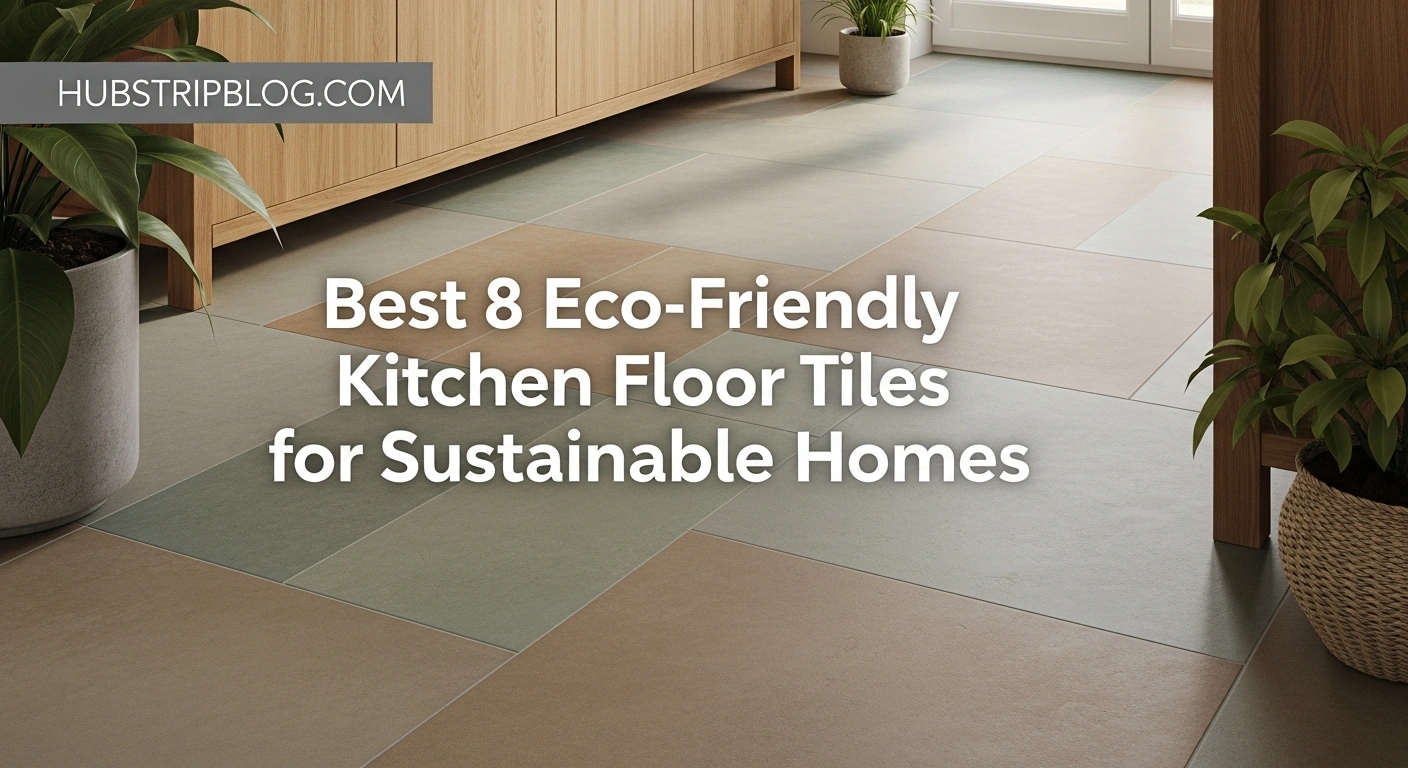
We’re seeing a surge in demand for materials like bamboo flooring, cork, reclaimed wood, and recycled glass countertops. Beyond these, innovations in sustainable material science are introducing options such as mycelium-based insulation and panels made from agricultural waste. These materials not only reduce waste but often bring unique textures and stories into the home. Furthermore, homeowners are looking into low-VOC (volatile organic compound) paints and finishes, ensuring better indoor air quality for their families.
Energy Efficiency Beyond the Basics
Integrating energy-efficient solutions is another critical component of contemporary modern home interior renovation trends. While smart thermostats and LED lighting have become standard, 2025 sees an expansion into more comprehensive energy-saving strategies. The goal is to create homes that are not only comfortable but also highly efficient, significantly reducing utility costs and carbon emissions.
Renovations are now often designed around improved insulation, high-performance windows, and energy-efficient appliances. Beyond the visible, homeowners are investing in advanced HVAC systems, solar panels, and even rainwater harvesting systems. These deeper infrastructural changes ensure that the home operates with optimal efficiency, minimizing its energy demands year-round. Such considerations elevate a renovation from merely aesthetic to strategically sustainable.
Longevity and Timeless Design
A truly sustainable home is one that stands the test of time, both in its durability and its aesthetic appeal. This is a core philosophy permeating modern home interior renovation trends for 2025, moving away from fleeting fads towards enduring elegance. Designing for longevity reduces the need for frequent renovations, saving resources and money in the long run.
This emphasis translates into selecting high-quality, durable materials that can withstand daily wear and tear. Furthermore, the design aesthetic favors classic lines, neutral palettes, and adaptable layouts that won’t quickly go out of style. The focus is on creating spaces that exude a timeless sophistication, allowing homeowners to personalize with easily changeable decor rather than undertaking major structural overhauls. Investing in quality craftsmanship and enduring designs is seen as a wise long-term strategy.
The Art of Smart Living: Tech Integration in Modern Homes
Technology continues to reshape our living environments, evolving from novelty gadgets to seamlessly integrated systems that enhance comfort, security, and convenience. In 2025, modern home interior renovation trends showcase technology not as an add-on, but as an intrinsic part of the home’s design and functionality. The aim is to create intelligent spaces that anticipate needs and simplify daily life.
Seamless Automation and Connectivity
The future of smart homes is about effortless interaction and interconnected systems. Renovations are incorporating advanced home automation that allows for centralized control of lighting, climate, entertainment, and security. These systems are becoming more intuitive, often learning from routine and adapting to occupant preferences.
Imagine waking up to automated blinds gently opening, the coffee machine starting, and your preferred news channel playing softly. These integrated experiences are facilitated by sophisticated networks that communicate seamlessly across devices. Voice control and mobile app management are standard, freeing homeowners from manual adjustments and providing unparalleled convenience. This level of smart integration is quickly becoming a hallmark of cutting-edge modern home interior renovation trends.
Invisible Technology: Design-Led Innovation
A significant shift in modern home interior renovation trends is the move towards “invisible technology.” Rather than overt gadgets, the focus is on discreetly integrating smart features that blend into the home’s aesthetic. This ensures technology enhances the living experience without cluttering or imposing on the interior design.
Examples include speakers built into walls or ceilings, charging stations hidden within countertops, and smart displays disguised as artwork. Wiring is meticulously concealed, creating a clean, minimalist look. Even appliances are becoming smarter and more streamlined, offering advanced functionalities while maintaining a sleek, integrated appearance. The goal is to maintain a serene and uncluttered environment, where technology serves discretely in the background.
Security and Convenience Upgrades
Beyond automation, smart technology is fundamentally transforming home security and personal convenience within modern home interior renovation trends. Advanced security systems offer peace of mind, while innovative features simplify everyday tasks. These upgrades are about creating a home that is both safer and more efficient for its occupants.
Smart door locks, video doorbells, and integrated surveillance systems provide robust security, often with remote monitoring capabilities. For convenience, consider smart kitchen appliances that can preheat ovens or manage grocery lists, or smart laundry systems that optimize cycles. Furthermore, hands-free operation through voice commands or motion sensors is becoming more prevalent, particularly in kitchens and bathrooms, adding a layer of hygiene and ease.
Redefining Spaces: Functional Elegance in Every Room
The individual spaces within a home are being reimagined with an emphasis on multipurpose functionality, spatial efficiency, and thoughtful design. Modern home interior renovation trends for 2025 dictate that every room should serve its primary purpose with enhanced elegance, while also offering flexibility for evolving needs. The goal is to create environments that are both beautiful and incredibly practical.
Kitchens: The Heart of Modern Living
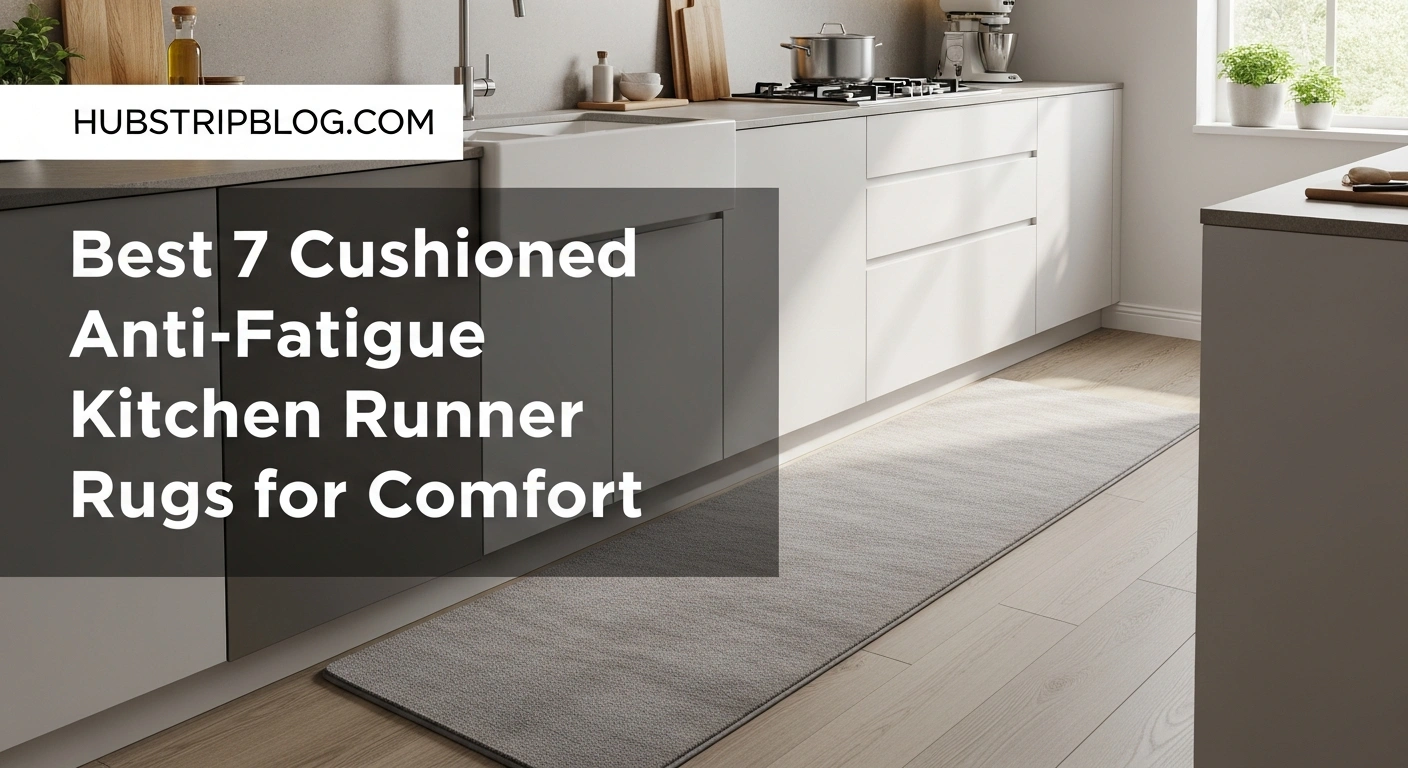
The kitchen remains the undeniable heart of the home, but its role continues to expand beyond just cooking. In 2025, modern home interior renovation trends for kitchens emphasize versatility, open-plan integration, and innovative storage solutions. They are designed to be social hubs, entertainment centers, and highly efficient workspaces all at once.
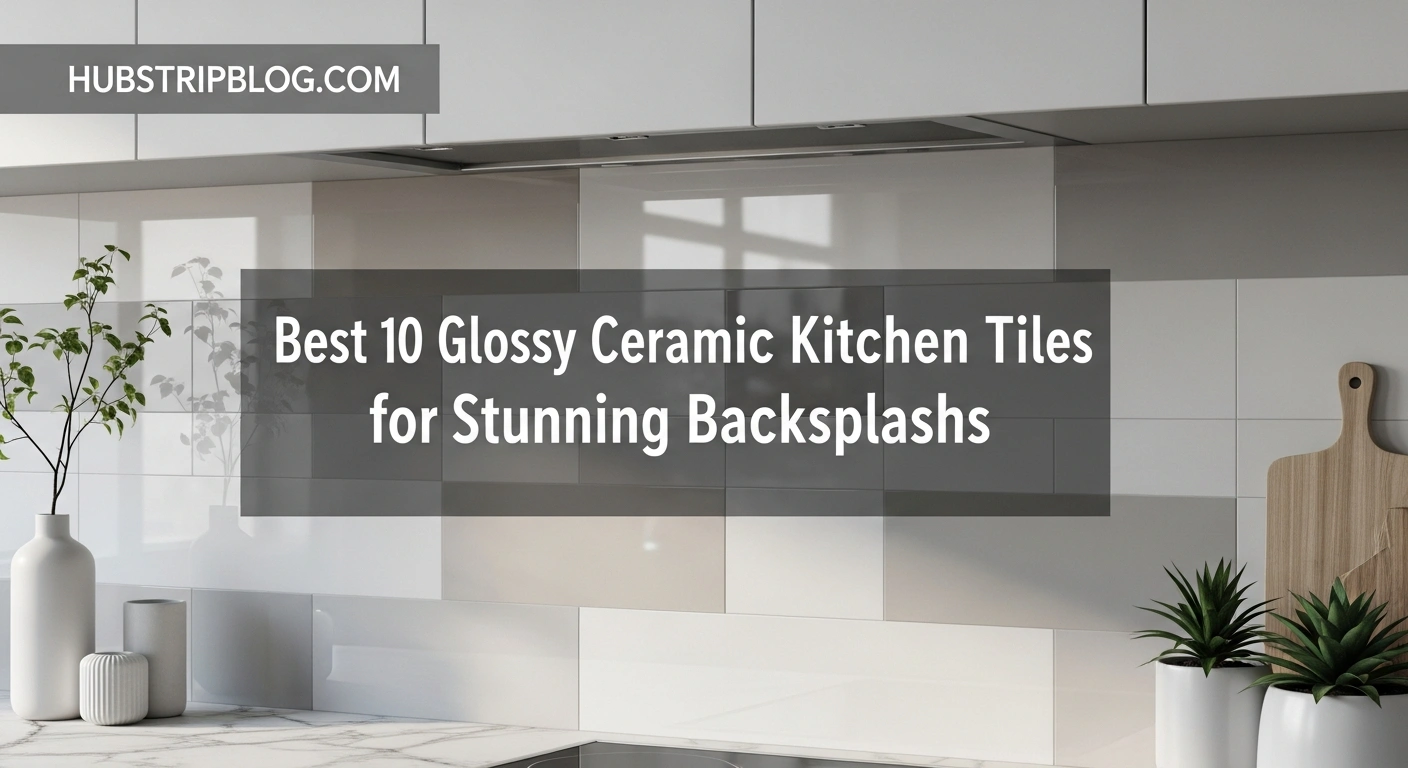
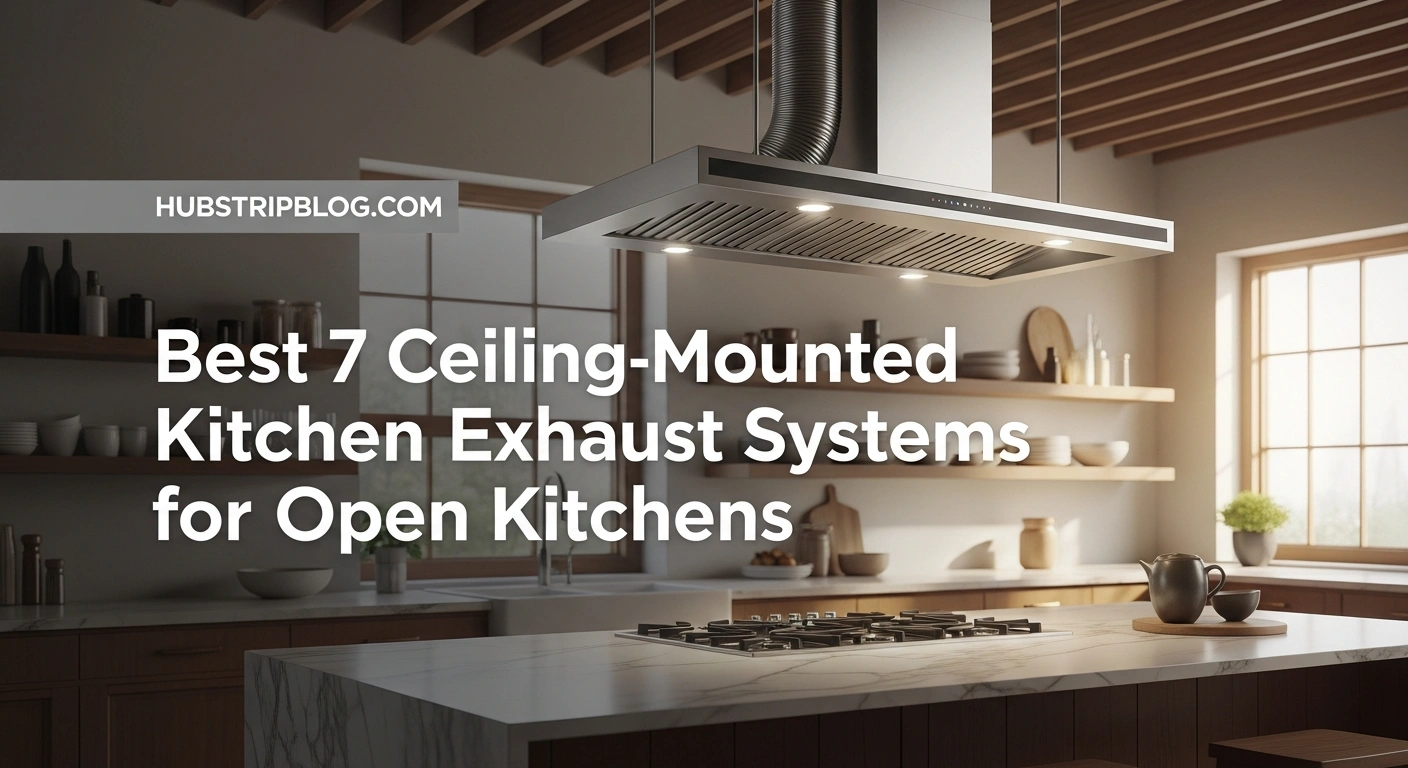
We’re seeing larger, more dynamic islands that incorporate seating, prep areas, and even built-in charging stations. Materials are durable and often natural, such as quartz, granite, or solid wood, combined with sleek, handle-less cabinetry for a minimalist look. Smart appliances that integrate seamlessly with home automation systems are also a key feature, optimizing cooking and cleaning tasks. The modern kitchen is a space for gathering, creating, and living.
Bathrooms: Spa-Like Sanctuaries at Home
Bathrooms are transforming into personal wellness retreats, where functionality meets luxurious comfort. The latest modern home interior renovation trends prioritize creating tranquil, spa-like atmospheres that offer relaxation and rejuvenation. These spaces are no longer just utilitarian; they are havens for self-care.
Walk-in showers with multiple showerheads, rainfall options, and built-in benches are popular. Freestanding tubs, often designed with sculptural elegance, serve as focal points. Natural materials like stone, wood, and concrete are used to evoke a sense of calm and organic warmth. Lighting is layered and often dimmable, allowing for mood customization, from bright task lighting to soft, ambient glows.

Smart Fixtures and Water Conservation
Innovation in bathroom fixtures is a significant aspect of modern home interior renovation trends. Smart toilets offer features like heated seats, bidet functions, and self-cleaning mechanisms, enhancing hygiene and comfort. Faucets with touchless operation or temperature memory settings add convenience and help conserve water.
Beyond smart features, there’s a strong push for water-saving fixtures across the board, including low-flow showerheads and toilets. These technologies not only reduce utility bills but also contribute to environmental sustainability, aligning with broader eco-conscious renovation goals. Efficient use of water is a core tenet of modern, responsible living.
Natural Materials and Textural Richness
The sensory experience of a bathroom is greatly enhanced by the use of natural materials and varied textures. This is a defining characteristic of modern home interior renovation trends in sanitary spaces. Incorporating elements like natural wood vanities, stone or concrete sinks, and even walls textured with natural plaster or tile creates a deeper connection to nature.
These materials bring warmth, depth, and a sense of grounding to the room, transforming it from a cold, functional space to a serene sanctuary. The tactile quality of rough-hewn wood against smooth porcelain, or the cool feel of stone underfoot, contributes significantly to the overall spa-like ambiance. Textural richness invites touch and creates a visually appealing environment.
Living Areas: Versatility and Comfort
Living rooms are evolving to become adaptable spaces that cater to a variety of activities, from quiet relaxation to lively entertainment. Modern home interior renovation trends for these central gathering areas emphasize flexible layouts, comfortable furnishings, and seamless transitions between different functional zones. The aim is to create inviting spaces that can effortlessly adapt to various needs.
Open-plan concepts continue to dominate, but with a renewed focus on defining “zones” within the larger space, perhaps through thoughtful furniture arrangement, area rugs, or subtle changes in flooring. Sectional sofas and modular seating pieces are popular, allowing for reconfigurations as needs change. Integrated shelving and hidden storage keep the space clutter-free, supporting a minimalist aesthetic without sacrificing practicality.
Bedrooms: A Haven of Tranquility and Technology
Bedrooms in 2025 are designed as true sanctuaries for rest and rejuvenation, while also quietly integrating technologies that support well-being. The modern home interior renovation trends for these private spaces prioritize serene aesthetics, optimal comfort, and smart solutions for an enhanced sleep experience.
Soft, muted color palettes, luxurious natural textiles, and thoughtfully designed lighting systems create a calming ambiance. Smart beds with adjustable firmness, sleep-tracking capabilities, and even built-in soundscapes are gaining traction. Discrete charging points located next to beds, and integrated smart lighting that simulates dawn, contribute to a restorative environment. The overall design minimizes visual clutter, promoting peace of mind.
Materializing Modernity: Textures, Tones, and Finishes
The tactile and visual elements of a renovation are crucial in defining its style. For 2025, modern home interior renovation trends are characterized by a sophisticated interplay of natural materials, a serene color palette, and curated personalization through thoughtful accents. This combination creates spaces that are both inviting and impressively chic.
The Dominance of Natural Materials
A deep appreciation for the intrinsic beauty of natural materials is a cornerstone of current modern home interior renovation trends. Wood, stone, concrete, and metal are celebrated in their raw, authentic forms, bringing an organic richness and timeless quality to interiors. These materials provide a grounding effect, connecting residents to the natural world.
Unfinished or minimally treated timbers are favored for flooring, cabinetry, and feature walls, showcasing their unique grains and textures. Large format stone tiles, quartzite countertops, and exposed concrete elements add a sense of robust elegance. Metals, particularly brushed brass, matte black, and aged copper, are used for fixtures and hardware, adding subtle industrial touches without overpowering the natural aesthetic.
A Palette of Serene Neutrals and Earthy Tones
The color palette for modern home interior renovation trends in 2025 leans heavily into serene neutrals and earthy tones. These colors create a calming and sophisticated backdrop, allowing natural materials and textures to shine. This approach emphasizes tranquility and offers longevity in design choices.
Warm beiges, soft greys, creamy whites, and rich taupes form the foundation. These are complemented by deeper, organic hues like sage green, terracotta, muted blues, and charcoal. The aim is to create a cohesive and harmonious environment that feels both expansive and comforting. This palette serves as an excellent canvas for personal expression, easily adaptable with accent colors or artwork.
Bold Accents and Curated Personalization
While serenity and nature lead the general aesthetic, modern home interior renovation trends also embrace deliberate moments of bold accentuation and highly personalized details. These elements are strategically used to add character, depth, and an expression of the homeowner’s unique style. They prevent spaces from feeling monotonous, giving them a distinct voice.
This could manifest as a striking piece of contemporary art, a vibrant area rug, or a carefully chosen piece of sculptural furniture. Unique lighting fixtures often serve as artistic statements, adding a focal point. Hand-crafted items, bespoke finishes, and custom built-ins also contribute to a sense of exclusivity and personality. The emphasis is on quality over quantity, with each accent thoughtfully curated to enhance the design narrative.
Crafting Wellness: Biophilic Design and Mindful Spaces
The concept of the home as a sanctuary for mental and physical well-being is increasingly prominent. Modern home interior renovation trends for 2025 integrate principles of biophilic design and mindfulness, creating environments that actively promote health, reduce stress, and foster a deeper connection to nature. These trends recognize the profound impact our surroundings have on our inner state.
Bringing the Outdoors In
Biophilic design, which seeks to connect occupants with the natural environment, is a powerful force in contemporary renovations. This involves more than just adding houseplants; it’s about incorporating natural elements, patterns, and processes into the architecture and design itself. This trend is a testament to the growing demand for nature-infused modern home interior renovation trends.
Large windows and sliding glass doors create expansive views, blurring the lines between indoor and outdoor spaces. Indoor gardens, living walls, and strategically placed planters bring greenery directly into the living areas. Water features, like small indoor fountains, add soothing sounds and visual interest. The use of natural light, ventilation, and materials further reinforces this connection, fostering a sense of calm and vitality.
Optimizing Natural Light and Air Quality
The clever manipulation of natural light and the prioritization of excellent indoor air quality are fundamental aspects of high-end modern home interior renovation trends. These elements are crucial for both aesthetic appeal and the well-being of the home’s occupants. Maximizing natural light reduces the need for artificial lighting, saving energy and positively impacting mood.
Renovations often involve expanding windows, adding skylights, and designing floor plans that allow light to penetrate deeper into the home. Advanced ventilation systems, including heat recovery ventilators (HRVs) and energy recovery ventilators (ERVs), ensure a constant supply of fresh, filtered air, removing pollutants and allergens. The choice of non-toxic, low-VOC materials further supports healthy indoor air quality, creating a truly breathable home.
Creating Zones for Relaxation and Reflection
Modern homes are increasingly designed with dedicated zones for different activities, particularly those that promote quiet contemplation and relaxation. These mindful spaces are a core element of modern home interior renovation trends, acknowledging the need for moments of calm amidst busy lives. They offer occupants personal havens for unwinding and self-care.
This could be a cozy reading nook tucked away in a corner, a meditation alcove bathed in soft light, or a dedicated home spa area in the bathroom. These zones often feature comfortable seating, warm lighting, natural textures, and minimal distractions. The intentional design of such spaces encourages occupants to slow down, disconnect from external pressures, and reconnect with themselves.
The Future-Forward Home: Adaptability and Personalization
Looking ahead to 2025, the most forward-thinking modern home interior renovation trends emphasize adaptability and deep personalization. Homes are no longer static structures but dynamic environments designed to evolve with their occupants, catering to changing life circumstances and diverse individual needs. This level of flexibility ensures longevity and relevance.
Modular and Multi-Functional Furniture
The demand for versatile living spaces drives the popularity of modular and multi-functional furniture. This trend allows homeowners to reconfigure their spaces easily, adapting to various activities or life stages without necessitating a full renovation. It’s about maximizing flexibility within a stylish framework.
Sectional sofas that can be rearranged, tables that adjust in height or expand in size, and storage units that can be endlessly reconfigured are becoming mainstream. Wall beds, pull-out desks, and integrated display shelves demonstrate how furniture can serve multiple purposes, optimizing spatial efficiency. This modular approach is an intelligent response to the evolving demands of modern living, particularly in urban environments where space is at a premium.

Customization as the New Luxury
In 2025, true luxury in home renovation is defined by the ability to deeply customize spaces to reflect individual tastes, lifestyles, and needs. This goes beyond off-the-shelf solutions, embracing bespoke designs and unique features that truly make a house a home. This level of tailored design is critical in setting apart modern home interior renovation trends.
Homeowners are seeking custom cabinetry designed to their exact specifications, built-in storage solutions that seamlessly integrate with their home’s architecture, and personalized material selections that tell a story. From unique tile patterns in the bathroom to custom-designed lighting installations, every detail is considered an opportunity for personal expression. This focus on bespoke elements ensures that each renovated home is a uniquely tailored masterpiece.
Designing for All Life Stages
A truly future-proof home is one that can accommodate its occupants through all stages of life, from raising a family to aging in place. This inclusive design philosophy is a significant driver behind current modern home interior renovation trends, ensuring homes remain comfortable and practical for decades to come.
This means planning for features like wider doorways, step-free access, reinforced walls for future grab bars, and accessible bathrooms with curbless showers. Smart home technology can also play a crucial role in supporting independent living. Designing with adaptability in mind not only enhances the home’s long-term value but also provides peace of mind, knowing the space will remain functional and welcoming, no matter what the future holds.
Conclusion
The modern home interior renovation trends for 2025 paint a vivid picture of homes that are more intelligent, more sustainable, and more deeply connected to personal well-being than ever before. From the embrace of eco-conscious materials and invisible technology to the creation of adaptable, multi-functional spaces, the emphasis is on a holistic transformation. These trends are not mere stylistic whims; they represent a fundamental shift in how we envision and interact with our living environments, prioritizing longevity, comfort, and a profound sense of place.
As you consider your next renovation project, remember that the future of home design is about creating spaces that are not only aesthetically captivating but also intrinsically good for you and the planet. By integrating these cutting-edge modern home interior renovation trends, you can elevate your home into a truly next-level sanctuary, perfectly poised for 2025 and beyond.