Understanding Your Needs: The Foundation of Choice
Best Flooring Ideas for Interior Renovations – Before diving into specific materials, it’s crucial to understand that the “best” flooring is subjective. What works perfectly for one household might be unsuitable for another. Your selection process should begin with a thorough evaluation of factors unique to your home and lifestyle. These considerations form the bedrock upon which you’ll build your ideal flooring strategy, guiding you towards the best flooring options for home interior renovation that truly fit your needs.

Key Factors to Consider
- Traffic Levels: Is the area high-traffic (hallways, living room, kitchen) or low-traffic (bedrooms)? High-traffic areas demand more durable, wear-resistant materials.
- Moisture Exposure: Bathrooms, kitchens, and basements require flooring that can withstand spills, humidity, and potential leaks.
- Pets and Children: Active pets and young children can be tough on floors. Look for scratch-resistant, easy-to-clean, and durable options.
- Comfort Underfoot: Some floors are softer and warmer than others, which can be a priority in living areas or bedrooms.
- Maintenance Requirements: How much time and effort are you willing to dedicate to cleaning and upkeep?
- Budget: Flooring costs vary significantly. Establish a realistic budget that includes material, installation, and any necessary subfloor preparation.
- Aesthetics and Style: The flooring should complement your home’s overall design theme, whether it’s modern, traditional, rustic, or eclectic.
- Resale Value: Certain flooring types, like hardwood, are generally considered to add significant value to a home.
- Environmental Impact: If sustainability is important, consider eco-friendly and renewable resources.
The Classic Choices: Enduring Appeal and Proven Performance
Sometimes, the tried and true options are the best flooring options for home interior renovation. These classic materials have stood the test of time, revered for their durability, timeless aesthetic, and ability to enhance a home’s value.
Hardwood Flooring: The Epitome of Elegance
Hardwood flooring remains a perennial favorite, synonymous with warmth, elegance, and natural beauty. Its enduring appeal lies in its ability to adapt to various design styles, from traditional to contemporary, making it a strong contender among the best flooring options for home interior renovation.
- Advantages:
- Durability and Longevity: With proper care, hardwood floors can last for decades, often outliving the home itself. They can be refinished multiple times to remove scratches and update their look.
- Timeless Aesthetic: The natural grain and character of wood add unparalleled warmth and sophistication. It never goes out of style.
- Increases Home Value: Hardwood is consistently cited as a feature that significantly enhances a home’s market value and appeal to prospective buyers.
- Hypoallergenic: Unlike carpet, hardwood doesn’t trap dust, pollen, or pet dander, making it a healthier choice for allergy sufferers.
- Disadvantages:
- Cost: Hardwood can be one of the more expensive flooring options, both in terms of material and installation.
- Moisture Sensitivity: It’s prone to warping, swelling, or cupping in high-moisture environments. Not ideal for bathrooms or basements.
- Scratch and Dent Prone: While durable, it can be scratched by pets, furniture, or high heels.
- Maintenance: Requires specific cleaning products and can demand occasional refinishing over its lifespan.
- Types of Hardwood:
- Solid Hardwood: Milled from a single piece of wood, it offers exceptional longevity as it can be sanded and refinished many times.
- Engineered Hardwood: Composed of a thin layer of real wood veneer over a plywood core. It’s more stable in fluctuating humidity and can be installed in more areas, including basements. While it can also be refinished, it usually has fewer opportunities for doing so than solid hardwood.
Ceramic and Porcelain Tile: Versatility and Robustness
For areas demanding high durability, water resistance, and minimal maintenance, ceramic and porcelain tiles are among the best flooring options for home interior renovation. These materials are incredibly versatile, offering an almost endless array of colors, patterns, and sizes.
- Advantages:
- Exceptional Durability: Tiles are extremely hard-wearing, resistant to scratches, dents, and heavy foot traffic.
- Water Resistance: Porcelain tile, in particular, has a very low absorption rate, making it ideal for wet areas like bathrooms, kitchens, and entryways. Ceramic tile also offers good water resistance when properly sealed.
- Low Maintenance: Easy to clean with just a mop and mild cleaner.
- Versatility in Design: Available in an astonishing range of styles, including realistic wood-look or stone-look formats.
- Hygienic: Doesn’t harbor allergens or bacteria.
- Disadvantages:
- Hardness and Coldness: Can feel very hard and cold underfoot, though radiant heating systems can mitigate the latter.
- Grout Maintenance: Grout lines can become discolored or accumulate dirt over time, requiring regular cleaning or sealing.
- Installation Difficulty: Installation can be complex and labor-intensive, often requiring professional expertise.
- Risk of Cracking: While durable, individual tiles can crack or chip if a heavy object is dropped on them, necessitating replacement.
Natural Stone Flooring: Timeless Luxury
Natural stone flooring, including marble, travertine, slate, and granite, brings an unparalleled sense of luxury, uniqueness, and organic beauty to any space. Each slab tells a story, making it a distinctive choice among the best flooring options for home interior renovation.
- Advantages:
- Unique Aesthetic: No two stone tiles are exactly alike, offering a one-of-a-kind look.
- Exceptional Durability: Stone is incredibly strong and long-lasting, capable of withstanding heavy usage when properly maintained.
- Adds Value: Like hardwood, natural stone significantly enhances the perceived value and luxury of a home.
- Cooling Properties: Naturally cool, making it ideal for warmer climates.
- Disadvantages:
- High Cost: Natural stone is one of the most expensive flooring materials, both for the material itself and for professional installation.
- Porosity and Staining: Many types of natural stone are porous and require regular sealing to prevent staining.
- Hardness: Very hard underfoot and can be unforgiving if objects are dropped.
- Weight: Can be very heavy, requiring a sufficiently strong subfloor.
- Maintenance: Can be somewhat high, needing specific cleaners and regular sealing.
Modern Solutions: Innovation Meets Functionality
Beyond the classics, recent advancements in manufacturing have introduced a range of highly functional and aesthetically pleasing modern flooring solutions. These options often address specific needs, combining durability, affordability, and style, making them excellent contenders for the best flooring options for home interior renovation.
Luxury Vinyl Plank (LVP) and Luxury Vinyl Tile (LVT): The All-Rounder
Luxury vinyl flooring has revolutionized the industry, offering incredibly realistic replications of wood and stone at a fraction of the cost. LVP and LVT are arguably among the most versatile and best flooring options for home interior renovation due to their remarkable balance of attributes.
- Advantages:
- Outstanding Water Resistance: Many LVP/LVT products are 100% waterproof, making them ideal for any room, including bathrooms, kitchens, and basements.
- High Durability: Constructed with multiple layers, including a robust wear layer, they resist scratches, dents, and scuffs remarkably well.
- Aesthetic Versatility: Available in an incredibly diverse range of styles, colors, and textures, mimicking the look of real hardwood, stone, or even concrete with surprising realism.
- Affordability: Generally more budget-friendly than hardwood or natural stone.
- Comfort Underfoot: Softer and warmer than tile or stone, offering more comfort and better acoustics.
- Easy Installation: Many options feature click-lock systems, making DIY installation feasible for some.
- Low Maintenance: Easy to clean with regular sweeping and occasional damp mopping.
- Disadvantages:
- Not Natural Material: While realistic, it’s not real wood or stone, which can be a factor for purists.
- Repairability: While durable, deep gouges or damage can be harder to repair seamlessly than, say, refinishing hardwood. Individual planks or tiles may need replacement.
- Environmental Concerns (historically): Older vinyl products sometimes had issues with VOCs, but modern LVP/LVT largely addresses these with low-VOC and phthalate-free options.
Laminate Flooring: Cost-Effective Style
Laminate flooring remains a popular choice for budget-conscious homeowners seeking a durable and attractive flooring solution. It offers a balance of looks and performance that makes it a viable choice among the best flooring options for home interior renovation.
- Advantages:
- Affordability: Significantly less expensive than hardwood or LVP.
- Durability and Scratch Resistance: The wear layer offers good resistance to scratches and impact, making it suitable for active households.
- Wide Range of Styles: Excellent replication of wood, stone, and tile patterns.
- Easy to Install: Many laminate products are designed for DIY-friendly click-lock installation.
- Low Maintenance: Simple to clean with sweeping and damp mopping.
- Disadvantages:
- Moisture Sensitivity: While some newer products offer enhanced water resistance, traditional laminate isn’t waterproof and can swell or warp with excessive moisture. Not ideal for bathrooms.
- Sound: Can sometimes sound hollow underfoot compared to solid materials.
- Repairability: Cannot be refinished like hardwood; damaged planks usually need to be replaced.
- Not Real Wood: The look is printed, not natural, which might be a drawback for certain aesthetics.
Polished Concrete: Industrial Chic and Durability
Once relegated to industrial spaces, polished concrete has emerged as a stylish and incredibly durable flooring option for modern homes. Its minimalist aesthetic and robust nature mark it as a unique entry among the best flooring options for home interior renovation.
- Advantages:
- Extreme Durability: Virtually indestructible, capable of withstanding immense traffic and impact without showing wear.
- Low Maintenance: Requires minimal cleaning and no waxing or special treatments once sealed.
- Modern Aesthetic: Provides a sleek, contemporary, and industrial-chic look.
- Energy Efficient: Excellent thermal mass, meaning it can absorb and retain heat or coolness, making it ideal for radiant floor heating.
- Hypoallergenic: No fibers to trap dust or allergens.
- Disadvantages:
- Hardness: Very hard underfoot, which can be uncomfortable for prolonged standing and unforgiving if items are dropped.
- Coldness: Can feel cold in cooler climates if not paired with radiant heating.
- Installation/Finishing: Requires professional expertise for proper polishing and sealing; not a DIY project.
- Cracking Potential: While rare in well-installed floors, minor cracks can develop over time.

Sustainable and Eco-Friendly Flooring Alternatives
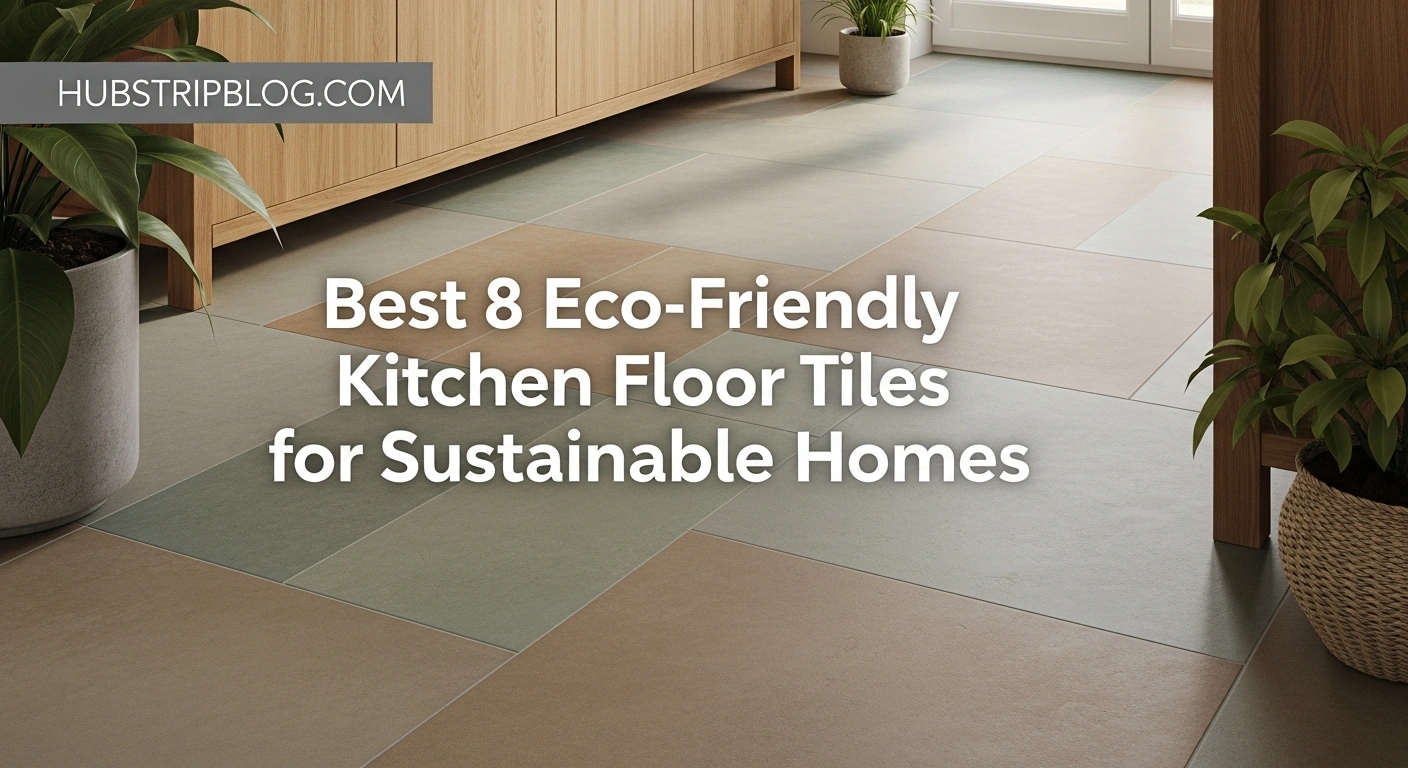
For homeowners prioritizing environmental responsibility, several eco-friendly materials offer beauty, durability, and a smaller carbon footprint. These options are increasingly considered among the best flooring options for home interior renovation for values-driven design.
Bamboo Flooring: Renewable and Resilient
Bamboo is a rapidly renewable resource that offers an attractive and durable alternative to traditional hardwood. It brings a unique, contemporary, yet natural feel to any space.
- Advantages:
- Sustainability: Bamboo is a grass, not a tree, and regenerates much faster than wood, making it a highly sustainable choice.
- Hardness: Many types of bamboo, especially strand-woven, are comparable or even harder than some hardwoods.
- Aesthetic Appeal: Offers a distinct grain pattern and a range of colors, from natural blonde to rich amber.
- Durability: Resistant to dents and scratches (especially strand-woven).
- Disadvantages:
- Moisture Sensitivity: Like hardwood, standard bamboo can be susceptible to moisture damage if not properly sealed or if exposed to excessive humidity.
- Quality Variation: Quality can vary significantly; look for reputable brands and strand-woven varieties for best durability.
- Can Scratch: While hard, it is not impervious to scratching.
Cork Flooring: Softness and Sustainability
Cork flooring is derived from the bark of cork oak trees, which can be harvested without harming the tree itself, making it a truly sustainable option. It offers unique characteristics that set it apart.
- Advantages:
- Eco-Friendly: Highly renewable and biodegradable.
- Soft Underfoot: Exceptionally comfortable and resilient, absorbing impact and reducing fatigue.
- Natural Insulation: Provides excellent thermal and acoustic insulation, helping to keep rooms warmer and quieter.
- Hypoallergenic: Resistant to mold, mildew, and pests.
- Unique Aesthetic: Distinctive, natural patterns that add warmth and character.
- Disadvantages:
- Scratch and Dent Prone: Can be scratched by sharp objects or furniture; heavy furniture can cause permanent indentations.
- Moisture Sensitivity: Requires sealing to prevent water damage and can swell or warp if exposed to excessive moisture.
- Fading: Can fade over time if exposed to direct sunlight.
- Needs Sealing: Regular sealing is often required to maintain its impermeability and durability.
Essential Considerations When Choosing Your Floor
Beyond the material type, several practical aspects warrant careful evaluation. These fine-tune your choice, ensuring the best flooring options for home interior renovation truly meet the demands of each specific area and your overall lifestyle.
Lifestyle and Household Dynamics
Your daily life plays a massive role in determining suitable flooring.
- Pets: Consider scratch-resistant options like LVP, tile, or specific hard-wearing hardwoods. Avoid softwoods or highly polished surfaces that show every mark.
- Children: Durable, easy-to-clean, and spill-resistant floors are paramount. LVP, laminate, and tile are excellent choices.
- Elderly or Mobility Concerns: Softer, non-slip surfaces are beneficial. Cork, LVP, or even low-pile carpet can provide comfort and reduce fall impact.
- High Traffic vs. Low Traffic: Hallways, kitchens, and living rooms will need more robust flooring than guest bedrooms or formal dining rooms.
Room-Specific Requirements
Each room in your home presents unique challenges and opportunities for flooring. Tailoring your selection to these specific needs ensures optimal performance and satisfaction.
Kitchen Flooring: Balancing Function and Style
The kitchen is the heart of the home, a hub of activity, spills, and heavy foot traffic. The best flooring options for home interior renovation in the kitchen must be both durable and elegant.
- Key Needs: Water resistance, durability, ease of cleaning, comfort for standing.
- Recommended Options:
- Ceramic and Porcelain Tile: Excellent for water resistance, durability, and a vast array of styles.
- Luxury Vinyl Plank (LVP): Offers superb water resistance, resilience, and realistic wood or stone looks, often with more comfort underfoot than tile.
- Engineered Hardwood: Can be used with caution and careful sealing, offering warmth and classic appeal, but less resilient to standing water than tile or LVP.
- Polished Concrete: For a modern, extremely durable, and low-maintenance option.
Bathroom Flooring: Moisture is the Main Concern
Bathrooms are ground zero for moisture, humidity, and spills. Waterproofing is non-negotiable.
- Key Needs: Absolute water resistance, slip resistance, hygiene.
- Recommended Options:
- Porcelain Tile: The gold standard for bathrooms due to its extremely low water absorption and durability.
- Luxury Vinyl Plank (LVP) / Luxury Vinyl Tile (LVT): Many products are 100% waterproof, warm underfoot, and offer excellent slip resistance.
- Sheet Vinyl: A traditional, budget-friendly, and completely waterproof option.
- Natural Stone (sealed): Luxurious but requires meticulous sealing and maintenance against moisture.
Living Room and Bedroom Flooring: Comfort and Aesthetics
These spaces prioritize comfort, warmth, and aesthetic appeal, providing a canvass for relaxation and personal expression.
- Key Needs: Comfort, aesthetics, sound absorption, warmth.
- Recommended Options:
- Hardwood (Solid or Engineered): Classic, warm, adds significant value.
- Luxury Vinyl Plank (LVP): Offers the look of wood with added durability, water resistance, and comfort, making it a very strong contender among the best flooring options for home interior renovation for these areas.
- Carpet: Unmatched for softness, warmth, and sound absorption, ideal for bedrooms or cozy living rooms. Offers vast color and texture choices.
- Cork: Provides softness, warmth, and eco-friendliness with good insulation.
Basements and Utility Areas: Practicality and Resilience
Basements are prone to moisture and demand durable, moisture-resistant, and often cost-effective solutions. Utility rooms require practical, robust flooring.
- Key Needs: Moisture resistance, durability, ease of maintenance, potentially insulating.
- Recommended Options:
- Luxury Vinyl Plank (LVP) / Luxury Vinyl Tile (LVT): Excellent for basements due to 100% waterproof options and durability.
- Ceramic/Porcelain Tile: Durable and impervious to water, though can feel cold.
- Polished Concrete: Extremely durable, waterproof, often existing in basements.
- Rubber Flooring: Ideal for utility rooms, gyms, or play areas for its durability, comfort, and shock absorption.
Budgeting for Your Flooring Project
Flooring costs aren’t just about the material. A comprehensive budget should include:
- Material Costs: Varies widely per square foot.
- Installation Costs: Can be significant, especially for complex installations (e.g., custom tile patterns, natural stone). Remember that DIY saves money but requires tools and skill.
- Subfloor Preparation: Crucial for a successful installation. May include leveling, repair, or moisture barriers. Often an overlooked cost.
- Underlayment: Required for some flooring types for comfort, soundproofing, or moisture protection.
- Removal and Disposal of Old Flooring: A potentially messy and tedious task often priced separately.
- Ongoing Maintenance: Some floors require specialized cleaners, sealants, or periodic refinishing.
Finding the best flooring options for home interior renovation within your budget often involves balancing desired aesthetics with practicality and longevity.

Installation: DIY vs. Professional
The complexity of installation varies greatly by material.
- DIY-Friendly: Laminate, click-lock LVP/LVT, and some peel-and-stick vinyl are designed for competent DIYers.
- Professional Required/Recommended: Solid hardwood, natural stone, ceramic/porcelain tile, polished concrete, and glue-down LVP/LVT typically require professional installers for a flawless, long-lasting result. Improper installation can lead to costly problems down the line.
Maintenance and Longevity
Consider the long-term commitment.
- Low Maintenance: Tile, LVP, and polished concrete require minimal effort beyond regular cleaning.
- Moderate Maintenance: Laminate, engineered hardwood, bamboo, and cork benefit from specific cleaning routines and good care.
- Higher Maintenance: Solid hardwood requires periodic refinishing, and natural stone needs regular sealing.
Trends in Flooring: What’s Popular Now
While timelessness is valuable, staying abreast of current trends can inform your decisions. Many of these trends also align with the best flooring options for home interior renovation currently available.
- Wide Plank Flooring: Both in real hardwood and LVP/LVT, wider planks create a more expansive, contemporary feel.
- Light, Natural Wood Tones: Greys, whites, and light natural oak colors are very popular, reflecting a Scandinavian or minimalist aesthetic.
- Matte Finishes: A shift away from high-gloss to more subdued, natural-looking matte finishes for wood and tile.
- Patterned Tiles: Geometric, encaustic, or Moroccan-inspired patterns are big for adding visual interest, particularly in smaller spaces or as accent areas.
- Wood-Look and Stone-Look LVP/LVT: The incredible realism and practical benefits of luxury vinyl continue to make it a dominant trend.
- Sustainable Materials: Growing demand for eco-friendly options like bamboo and cork.
Conclusion
Choosing the best flooring options for home interior renovation is a significant undertaking that profoundly impacts your home’s appearance, comfort, and functionality. As we’ve explored, there’s no single “best” answer, but rather a carefully considered choice based on a confluence of factors unique to your lifestyle, the specific room’s demands, your aesthetic preferences, and your budget.
By thoughtfully evaluating durability, maintenance, water resistance, comfort, environmental impact, and cost for each potential material, you can confidently select flooring that not only looks beautiful but also performs exceptionally for years to come. Whether you lean towards the timeless elegance of hardwood, the bulletproof resilience of porcelain tile, or the modern versatility of luxury vinyl, remember that your floor is the foundation of your home’s style. Step wisely, and let your renovated interiors truly reflect your unique vision.