Embracing the Open Concept: A Modern Design Imperative
Layout Ideas for Spacious Home Renovations – The open concept layout is more than just a trend; it’s a design philosophy that has fundamentally reshaped how we live in our homes. At its core, it involves minimizing the number of interior walls between communal areas like the kitchen, dining room, and living room, creating a large, unified space. This architectural approach, which gained significant traction in the mid-20th century, has seen a resurgence in popularity due to its many advantages.
Historically, homes were built with numerous small, distinct rooms for various functions, reflecting societal norms and utility requirements. However, as lifestyles evolved, particularly with the advent of modern conveniences that moved work and entertainment out of the home, the need for these separate spaces diminished. The open concept addresses a contemporary desire for a home that promotes interaction, simplifies navigation, and offers a grander sense of scale. It’s about breaking down physical barriers to foster social connection and enhance the overall living experience.

The Transformative Power of Open Concept Layout Ideas for Home Renovation
Embarking on a renovation to achieve an open concept space is a journey that promises significant rewards, but it also necessitates careful planning and execution. It’s about more than just tearing down walls; it’s about re-imagining your home’s entire flow and functionality. The best open concept layout ideas for home renovation begin with a clear understanding of your goals, meticulous attention to structural details, and adherence to legal requirements.
Defining Your Open Living Goals
Before any sledgehammer swings, it’s crucial to articulate what you hope to gain from an open concept renovation. Is it primarily for better family interaction, easier entertaining, or simply to bring more natural light into a dim interior? Each goal will subtly influence the design choices and the extent of your renovation.
- Enhanced Connectivity: Do you want to be able to cook while overseeing children playing, or effortlessly converse with guests while preparing a meal? An open layout inherently connects activities.
- Increased Natural Light: Removing interior walls allows light from windows in one area to permeate deeper into the home, brightening previously dark spaces.
- Perceived Spaciousness: Even in smaller homes, an open layout can make the entire area feel significantly larger and less confined.
- Improved Flow: A seamless transition between functions encourages movement and makes a home feel more intuitive and inviting.
- Modern Aesthetic: Open concepts are synonymous with a clean, contemporary look that many homeowners desire.
Consider your daily routines, how you entertain, and what frustrates you about your current layout. These insights will form the foundation for successful open concept layout ideas for home renovation.
Structural Considerations: What Can (and Can’t) Be Moved?
This is arguably the most critical and potentially complex phase of any open concept renovation. Not all walls are created equal. Some walls are purely cosmetic partitions, while others are load-bearing, meaning they support the weight of the floor or roof above. Removing a load-bearing wall without proper structural support can have catastrophic consequences for your home’s integrity.
- Consult Professionals: Always consult with a qualified structural engineer and an architect. They can assess your home’s structure, determine which walls are load-bearing, and design appropriate solutions if a load-bearing wall needs to be removed.
- Beam Installation: If a load-bearing wall is removed, a new support structure, typically a steel or laminated veneer lumber (LVL) beam, will need to be installed in its place. This beam transfers the weight to new or existing supports, often necessitating additional concealed columns within the walls.
- Utilities and Services: Walls often house essential utilities like electrical wiring, plumbing pipes, and HVAC ducts. Rerouting these services can add significant complexity and cost to the renovation. Your architect or contractor will need to plan for these relocations carefully.
- Cost Implications: Structural work, especially beam installation and utility rerouting, can be a major cost factor in an open concept renovation. Be prepared for these expenses in your budget.
Legal and Permitting Essentials
No significant home renovation, especially one involving structural changes or the removal of walls, should proceed without the necessary legal approvals. Skipping this step can lead to fines, forced demolition, difficulty selling your home, and insurance complications.
- Building Permits: Most jurisdictions require a building permit for projects that alter the structural integrity of a home, change the building footprint, or involve extensive electrical or plumbing work.
- Local Building Codes: Your renovation plans must comply with local building codes, which dictate safety standards for everything from structural loads to ventilation and electrical systems.
- Homeowners Association (HOA) Rules: If your home is part of an HOA, you may need to submit your renovation plans for approval before starting any work. HOAs often have specific guidelines regarding exterior changes and sometimes even interior modifications that might affect common elements or shared walls.
- Professional Guidance: Your architect or contractor will typically guide you through the permitting process, preparing the necessary drawings and documentation.
Popular Open Concept Layout Ideas for Home Renovation: Room by Room Transformations
Once the structural and legal groundwork is laid, the exciting part begins: envisioning the actual design. The beauty of open concept layout ideas for home renovation lies in their versatility, allowing for a personalized approach to creating connected, functional, and aesthetically pleasing spaces.
Kitchen-Living-Dining Combination: The Classic Open Trio
The most common and impactful open concept transformation integrates the kitchen, living room, and dining room into one expansive area. This classic trio forms the heart of the home, fostering daily interaction and making entertaining guests a breeze.
- Seamless Flow: This layout encourages conversation and participation, even if individuals are engaged in different activities. Someone cooking can easily chat with family members relaxing in the living area or setting the dining table.
- Maximizing Light: Natural light from windows in any of these zones can now flood the entire space, creating an airy and inviting atmosphere.
- Flexible Furnishings: With fewer walls, you have more freedom in arranging furniture to suit different social occasions or functional needs.
- Visual Continuity: Using consistent flooring and color palettes throughout the combined space reinforces the sense of openness and cohesion.
Expanding Kitchens: Island Integration and Wall Removal
The kitchen is often the focal point of an open concept, transforming from a utilitarian workspace into a central hub for family life and social gatherings. Many open concept layout ideas for home renovation center around opening up the kitchen.
Removing walls between the kitchen and adjacent dining or living areas immediately makes the kitchen feel larger and more connected. This allows the cook to be part of the action, rather than isolated.
The Multi-Functional Kitchen Island
A kitchen island is almost a prerequisite for a well-designed open concept kitchen. It serves multiple purposes and acts as a natural divider without imposing a physical barrier.
- Workstation: Provides additional counter space for food preparation, baking, and cooking.
- Dining Area: Incorporating bar stools creates an informal eating spot for quick meals, homework, or casual conversations.
- Social Hub: Becomes a natural gathering point during parties, allowing guests to mingle without crowding the main cooking zones.
- Storage: Many islands include built-in cabinets, drawers, or open shelving, adding crucial storage in an open kitchen where wall cabinets might be limited.
- Appliance Integration: Can house sinks, stovetops, dishwashers, or wine fridges, further enhancing its utility.
Smart Storage Solutions in Open Kitchens
In an open kitchen, visible clutter can quickly detract from the aesthetic. Smart storage is paramount to maintain a clean and harmonious look.
- Pantry Systems: Walk-in or pull-out pantries keep food items organized and out of sight.
- Integrated Appliances: Hiding dishwashers, refrigerators, and even microwaves behind custom paneling creates a sleek, furniture-like appearance.
- Deep Drawers: For pots, pans, and small appliances, deep drawers offer easy access and keep countertops clear.
- Open Shelving (Used Sparingly): A few well-styled open shelves can add character, but too many can contribute to visual chaos. Focus on decorative items or frequently used, attractive dishes.
- Under-Island Storage: Maximize every inch of space within the kitchen island for storage.
Redefining Living Spaces: Flow and Connectivity
In an open concept, the living area isn’t just a place to watch TV; it’s a dynamic zone that seamlessly connects with other functions. Thoughtful furniture arrangement is key to defining these spaces without walls.
- Furniture Groupings: Use area rugs and furniture orientation to define distinct “rooms” within the larger open space. A sofa facing an entertainment center, flanked by armchairs, clearly delineates a living zone.
- Pathways: Ensure there are clear, unobstructed pathways for movement between the kitchen, dining, and living areas. Avoid placing furniture in high-traffic zones.
- Multi-Functional Furniture: Ottomans with storage, console tables that double as desks, or modular seating can adapt to various needs and keep the space flexible.
- Connection to Outdoors: If possible, integrate large sliding doors or bi-fold doors that open to a patio or deck, further extending the sense of open living.

Dining Redefined: From Formal Rooms to Integrated Zones
The traditional formal dining room is often one of the first casualties in an open concept renovation, but its function is merely integrated, not eliminated.
- Flexible Dining Areas: A dedicated dining table can sit comfortably between the kitchen and living room, serving both casual family meals and more formal entertaining.
- Breakfast Nooks & Banquettes: For smaller spaces or more informal dining, a built-in banquette or a cozy breakfast nook within the kitchen area can provide a charming designated eating spot.
- Extendable Tables: Opt for dining tables that can be extended for larger gatherings, offering flexibility without taking up excessive floor space daily.
Beyond the Main Living Areas: Open Concept in Other Zones
While the kitchen-living-dining combo is most common, the principles of open concept can be applied to other areas of the home to enhance spaciousness and flow.
- Open Entryways: Instead of a cramped foyer, an open entryway that flows directly into the main living space can create an immediate sense of grandeur and welcome.
- Open Staircases: Replacing enclosed stairwells with an open-tread or glass-paneled staircase can dramatically improve light and flow, making the staircase a design feature rather than a barrier.
- Partial Wall Openings: Sometimes, full wall removal isn’t necessary or desirable. Creating large pass-throughs, archways, or partial wall openings (pony walls) can offer a compromise, providing visual connection while retaining some definition.
- Home Office Integration: For those who work from home, integrating a home office niche into an open living area, perhaps defined by a built-in desk or shelving unit, can keep you connected to the household without requiring a completely separate room.
Design Elements to Elevate Your Open Concept Layout
Successfully executing open concept layout ideas for home renovation involves more than just spatial planning; it requires a cohesive interior design strategy to ensure the various zones feel connected yet distinct, and the overall aesthetic is harmonious.
Flooring Continuity: The Unifying Element
One of the most effective ways to create a seamless flow in an open concept space is through consistent flooring.
- Uniform Material: Using the same flooring material—such as hardwood, engineered wood, or large format tiles—across the entire open plan eliminates visual breaks and makes the space feel larger and more cohesive.
- Visual Direction: The direction in which floorboards are laid can subtly guide the eye through the space, enhancing the sense of flow.
- Area Rugs for Zoning: While the primary flooring should be consistent, strategically placed area rugs are invaluable for defining individual zones within the open space. A rug under the dining table clearly marks the dining area, while another in the living room delineates the seating arrangement.
Lighting Strategies: Brightening and Zoning
Lighting plays a critical dual role in an open concept: maximizing overall illumination and defining specific areas.
- Maximize Natural Light: Utilize large windows, sliding doors, and even skylights to flood the space with natural light. Keep window treatments minimal to avoid blocking light.
- Layered Artificial Lighting: A successful lighting scheme combines three types of illumination:
- Ambient Lighting: Provides overall illumination (e.g., recessed lighting, flush-mount fixtures).
- Task Lighting: Focused light for specific activities (e.g., under-cabinet lighting in the kitchen, reading lamps in the living room, pendant lights over an island or dining table).
- Accent Lighting: Highlights architectural features, artwork, or decorative elements (e.g., picture lights, track lighting).
- Pendant Lights for Definition: Elegant pendant lights or a chandelier hung over a kitchen island or dining table not only provide focused task lighting but also serve as a striking visual element that subtly defines that zone.
- Dimmers: Install dimmers on all light fixtures to allow for flexible mood setting, from bright and functional to soft and intimate.
Color Palettes: Harmony and Visual Cohesion
A cohesive color scheme is essential to tie together an open concept space.
- Consistent Base Palette: Use a consistent base color palette, often neutrals like whites, grays, or warm beiges, on the walls throughout the open area. This creates a sense of harmony and expanse.
- Complementary Accents: Introduce accent colors through furniture, artwork, textiles, and decorative accessories to add personality and visual interest, without disrupting the overall flow.
- Contrasting Elements: While consistency is key, carefully chosen contrasting elements, such as a bold accent wall or a dark kitchen island, can break up monotony and add depth without creating visual barriers.
Furniture Selection: Scale, Function, and Arrangement
The success of your open concept layout heavily relies on the furniture you choose and how it’s arranged.
- Appropriate Scale: Select furniture pieces that are proportionate to the size of your open space. Overly large furniture can overwhelm a room, while pieces that are too small might look lost.
- Multi-Functional Pieces: Prioritize furniture that serves more than one purpose, such as storage ottomans, sofa beds, or extendable dining tables, to maximize utility without adding clutter.
- Defining Zones: Arrange furniture to create distinct “rooms” or zones within the larger open plan. For example, a sofa can act as a natural divider between the living area and the kitchen.
- Traffic Flow: Ensure there’s ample space for people to move comfortably between furniture groupings and throughout the open layout.
- Visual Interest: Mix different textures, materials, and shapes to create visual interest and prevent the space from feeling monotonous.
Architectural Details and Defining Zones without Walls
While the goal is to remove walls, clever architectural details can still provide a sense of definition and visual interest without sacrificing openness.
- Half-Walls or Pony Walls: These low walls offer a subtle separation, often used to conceal the back of a sofa or the underside of a kitchen counter, while maintaining visual connectivity.
- Ceiling Variations: A change in ceiling height, the addition of a dropped ceiling panel, or decorative beams can subtly delineate different zones.
- Columns or Pillars: If a load-bearing column is required, integrate it intentionally into the design, perhaps by cladding it in an attractive material or making it part of a larger built-in feature.
- Built-in Shelving or Cabinetry: Custom built-ins can define an area, offer storage, and act as a display for decorative items.
- Screen Partitions (e.g., Slatted Wood or Metal): These semi-transparent dividers offer a sense of separation without completely blocking light or sightlines, adding a layer of architectural detail.
- Changes in Flooring Material (Used Cautiously): While generally advised to maintain consistency, a subtle change in flooring material (e.g., tile in the kitchen transitioning to wood in the living area) can define zones, as long as the transition is smooth and intentional.
Addressing the Challenges of Open Concept Living
While the benefits of an open concept are numerous, it’s also important to acknowledge and plan for potential challenges. A thoughtful approach to these issues can ensure your open living space is as practical as it is beautiful.
Noise Control and Acoustics
One of the most common concerns in open concept homes is the potential for noise to travel freely. The sounds of cooking, conversation, and television can overlap, creating a cacophony.
- Sound-Absorbing Materials: Incorporate materials that absorb sound rather than reflecting it. This includes thick area rugs, heavy drapes, upholstered furniture, acoustic panels (subtly integrated into artwork or ceiling treatments), and even well-placed houseplants.
- Strategic Zoning: Place noisier activities (like the kitchen) away from quieter areas (like a reading nook) if possible, or use furniture arrangement to create some sound buffering.
- High-Quality Appliances: Invest in quiet dishwashers, range hoods, and refrigerators to minimize their impact.
- Smart Home Audio Systems: Multi-zone audio systems can allow different music or sounds in various areas without bleeding into each other excessively.
Odor Management
In an open concept, cooking odors can quickly permeate the entire living space.
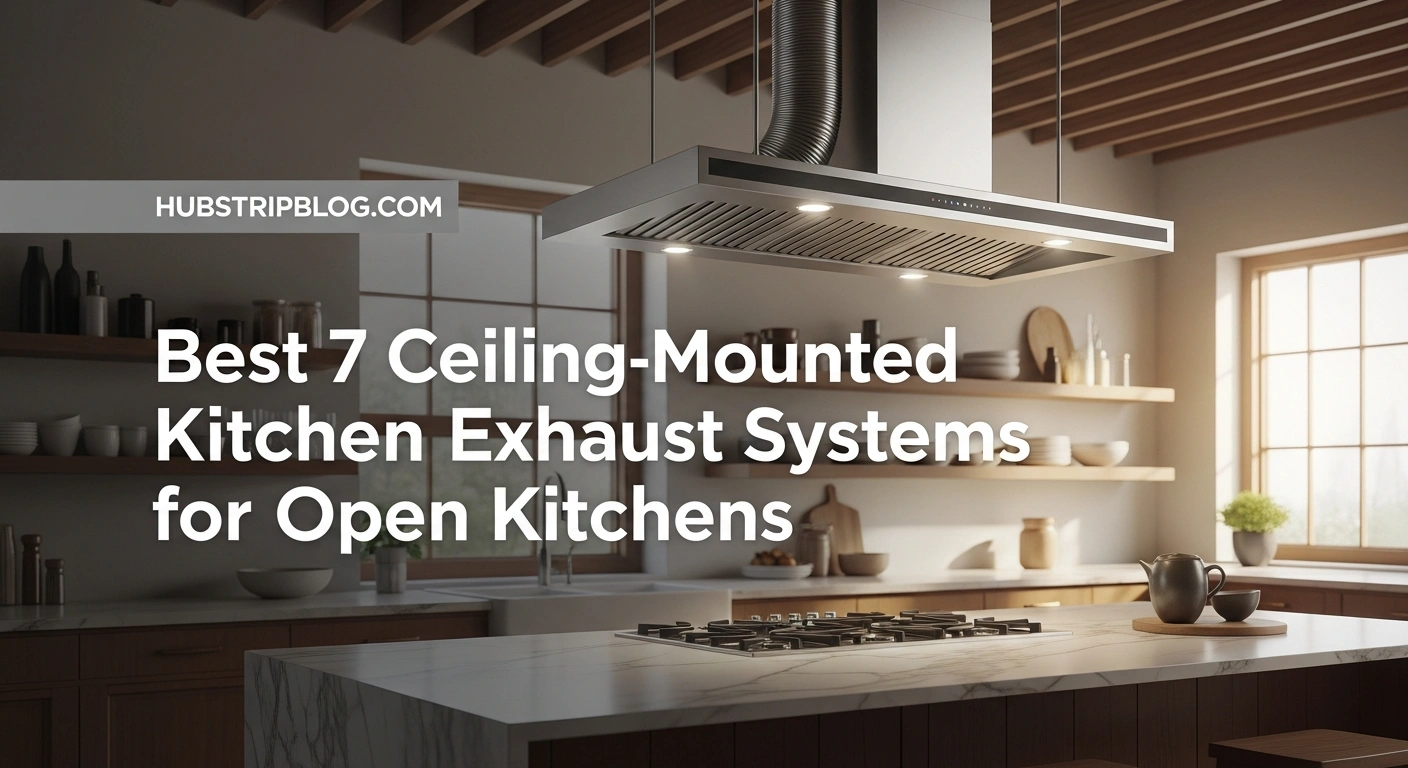
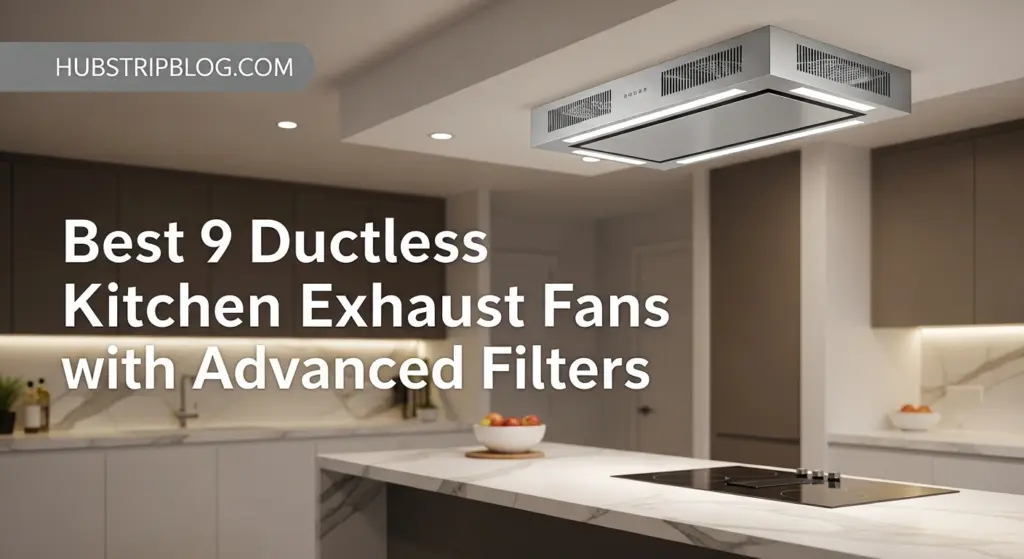
- Powerful Range Hood: A high-quality, properly vented range hood over your stovetop is absolutely indispensable. Ensure it’s adequately sized for your cooking style and the volume of your open space.
- Good Ventilation: Besides the range hood, consider other forms of ventilation, such as exhaust fans in bathrooms and windows that can be opened for cross-ventilation.
- Air Purifiers: Portable or integrated air purifiers can help filter cooking odors and improve overall air quality.

Maintaining Clutter-Free Spaces
With no walls to hide behind, an open concept space demands a higher level of organization. Clutter in one area can quickly make the entire space feel messy.
- Ample Storage: Strategic built-in storage, concealed cabinets, and multi-functional furniture are crucial. Every item should have a designated home.
- Decluttering Habits: Develop strict routines for putting away items immediately after use. Regular decluttering is key to maintaining the visual serenity of an open space.
- Defined Drop Zones: Create specific areas near the entry for keys, mail, and bags to prevent these items from migrating to visible surfaces.
The Need for Defined Personal Spaces
While openness promotes connection, everyone occasionally needs a bit of personal space. A potential pitfall of open concepts is the lack of private retreats.
- Private Nooks: Incorporate small, quieter zones within the open plan, such as a cozy reading corner with an armchair and bookshelf, or a defined desk area.
- Flexibility and Adaptability: Consider how parts of the open space can be temporarily sectioned off using large sliding barn doors, retractable screens, or strategically placed furniture.
- Private Rooms Elsewhere: Ensure bedrooms, bathrooms, and potentially a dedicated home office (if not integrated into the open plan) offer sufficient privacy and separation.
Maximizing Value and Enjoyment in Your Open Concept Home
Investing in open concept layout ideas for home renovation not only transforms your daily living but also offers significant long-term benefits, enhancing both property value and personal enjoyment.
Resale Value and Market Appeal
Open concept homes consistently rank high on buyers’ wish lists. They exude modernity, offer flexibility, and cater to current lifestyle preferences, making them a strong selling point.
- Broad Appeal: Open floor plans appeal to a wide range of buyers, from young families who value connectivity to empty-nesters seeking low-maintenance, airy spaces.
- Modern Aesthetic: A renovated open concept space instantly updates a home’s look and feel, making it appear more contemporary and stylish.
- Perceived Space: The sense of spaciousness created by an open layout can make a home feel larger than its actual square footage, adding to its perceived value.
Lifestyle Enhancement
Beyond monetary value, the greatest return on investment from an open concept renovation is the enhanced quality of life it provides.
- Improved Family Interaction: Open spaces naturally encourage family members to spend more time together, even when engaged in different activities.
- Simplified Entertaining: Hosting gatherings becomes effortless as guests can flow freely, and the host remains connected to the action.
- Sense of Calm and Spaciousness: The abundance of light and unrestricted views can contribute to a feeling of tranquility and reduce a sense of being hemmed in.
- Adaptability: An open layout offers greater flexibility to rearrange furniture, adjust to changing family needs, or host various events without the constraints of fixed walls.
Conclusion
The journey of transforming an enclosed home into an open, inviting sanctuary is one of the most rewarding endeavors in home renovation. By thoroughly exploring open concept layout ideas for home renovation, homeowners can unlock the latent potential within their living spaces, creating environments that are not only aesthetically pleasing but also profoundly functional and conducive to a modern lifestyle. From the careful consideration of structural integrity and legal requirements to the thoughtful integration of design elements and proactive solutions for common challenges, every step in this process contributes to the success of the overarching vision.
An open concept home is more than just a house without walls; it is a meticulously designed ecosystem that promotes connection, celebrates light, and offers an unmatched sense of freedom and spaciousness. It’s an investment in a brighter, more integrated way of living that will bring lasting joy and enhance the value of your home for years to come. With careful planning and the right professional guidance, your dream of an expansive, modern living space can become a beautiful reality, changing the way you experience your home every single day.