Embracing Sustainable Living: Why Eco-Materials Matter for Home Renovation
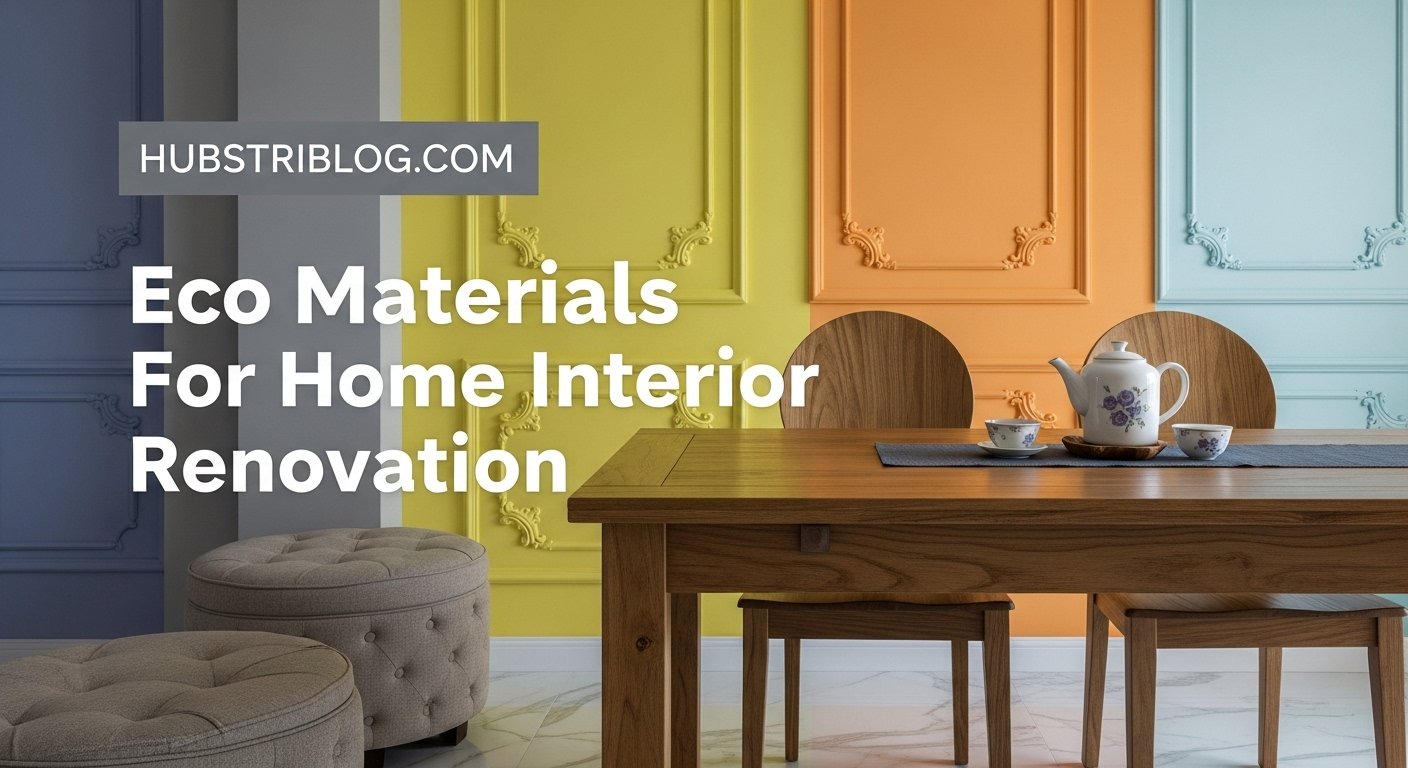
Eco Materials For Home Interior Renovation – The environmental footprint of the building industry is substantial, from the extraction of raw materials to manufacturing, transportation, and eventual disposal. Traditional construction materials often come with a heavy cost: deforestation, extensive energy consumption, water pollution, and the release of volatile organic compounds (VOCs) that can compromise indoor air quality. As awareness of these impacts grows, the demand for alternatives that prioritize planetary health and human well-being has surged. Choosing eco-materials isn’t just a trend; it’s a commitment to a more sustainable future.
Eco-materials are defined by various criteria, including their renewability, recyclability, low embodied energy (the energy consumed by all processes associated with the production of a building, from the mining and processing of natural resources to manufacturing, transport and product delivery), durability, non-toxicity, and ability to improve indoor air quality. Their benefits extend far beyond environmental stewardship, directly impacting the quality of life within your home. They contribute to healthier living spaces by reducing exposure to harmful chemicals, often provide superior thermal and acoustic insulation, and can even contribute to lower utility bills over time. For homes where every choice matters, integrating these materials with space-saving ideas for small home renovations becomes a powerful dual strategy.

The Synergy of Sustainability and Space: Eco-Materials for Small Home Renovations
Small homes demand intelligent design choices, and eco-materials are perfectly poised to meet this need. The innate properties of many sustainable materials—such as their lightweight nature, versatility, and potential for custom fabrication—make them ideal for compact living. When undertaking space-saving ideas for small home renovations, the selection of materials can indirectly but profoundly influence the perception and actual utility of a space. Materials that are durable, multi-functional, and aesthetically pleasing can make small rooms feel larger, work harder, and remain healthy without clutter or compromise.
Consider, for instance, a material like bamboo: it’s incredibly strong, grows rapidly, and can be used for flooring, cabinetry, or wall panels. Its linear grain can visually extend a small room, while its durability means less frequent replacement, reducing waste. Similarly, recycled content materials often offer unique textures and patterns that can add character without requiring additional decorative elements, thus saving space. The key is to think holistically: how can a material serve multiple purposes, contribute to the home’s efficiency, and support your space-saving ideas for small home renovations simultaneously?
Sustainable Flooring Solutions for Compact Living
Flooring is a foundational element in any renovation, and in small spaces, its impact on visual flow and functionality is magnified. Eco-friendly flooring options offer durability, health benefits, and aesthetics that can help create an illusion of spaciousness.
- Bamboo Flooring: A rapidly renewable resource, bamboo is celebrated for its hardness, durability, and distinctive linear grain. When installed in parallel with the longest wall, bamboo planks can visually stretch a narrow room, making it appear more expansive. Its varied finishes mean it can complement diverse interior styles, providing a seamless flow that is essential for
space-saving ideas for small home renovations. - Cork Flooring: Harvested from the bark of cork oak trees without harming the tree, cork is an exceptionally sustainable material. It’s naturally antimicrobial, hypoallergenic, fire-resistant, and an excellent insulator for both temperature and sound. In a small home, cork’s soft underfoot feel and acoustic properties are invaluable, dampening noise in open-plan living areas where sound can easily echo. Its unique texture adds warmth and character, reducing the need for additional rugs that can visually break up a floor space.
- Reclaimed Wood: Utilizing wood salvaged from old barns, factories, or demolished buildings not only saves trees but also imbues your home with unparalleled character and history. Reclaimed wood flooring can be refinished to suit any aesthetic, from rustic to refined. In
space-saving ideas for small home renovations, consider using reclaimed wood planks not just on the floor, but perhaps as an accent wall or custom built-in furniture, creating visual interest and functionality without consuming extra floor area. - Linoleum (Natural): Unlike synthetic vinyl, natural linoleum is made from biodegradable materials like linseed oil, cork dust, wood flour, and natural resins. It’s incredibly durable, hygienic, and comes in a vast array of colors and patterns. Its resilience and ease of maintenance make it perfect for high-traffic areas in small homes, and its ability to be cut into custom shapes allows for creative zone definition without physical barriers—a clever trick for
space-saving ideas for small home renovations.
Eco-Friendly Walls and Partitions: Maximizing Vertical Space
Walls in small homes are more than just structural elements; they are canvases for design and prime real estate for vertical space-saving ideas for small home renovations. Eco-friendly wall treatments and partitions can enhance air quality, provide insulation, and contribute to an expansive feel.
- Low-VOC Paints & Finishes: Volatile Organic Compounds (VOCs) found in traditional paints can off-gas harmful chemicals into your home for years. Low-VOC or zero-VOC paints are a vital choice for healthier indoor air. Opt for light, neutral colors, which reflect more light and make small rooms feel brighter and larger. Strategic use of a single accent wall in a deeper, calming shade can add depth without enclosing the space.
- Clay Plasters: Made from natural clays, sand, and plant fibers, clay plasters are breathable, non-toxic, and help regulate indoor humidity. Their soft, earthy textures create a serene, grounded atmosphere that can be particularly appealing in
space-saving ideas for small home renovations. They naturally absorb odors and pollutants, contributing to superior air quality. - Acoustic Paneling (Recycled/Natural Fibers): In open-concept small homes, sound can travel unimpeded, leading to noise disruptions. Acoustic panels made from recycled PET felt, natural wood fibers, or cork can significantly improve sound quality without taking up valuable floor space. These panels can be artfully integrated onto walls or ceilings, providing both sound dampening and visual interest. They are an elegant solution for creating quiet zones or improving privacy in multi-functional rooms.
- Cork Wall Tiles: Beyond flooring, cork can be used as beautiful and functional wall tiles. They offer excellent thermal and acoustic insulation properties, making a small room more comfortable and quieter. Furthermore, cork walls can double as giant pinboards, perfect for organizing notes, artwork, or to-do lists, thus freeing up desk or shelf space—a smart application for
space-saving ideas for small home renovations.
Innovative Eco-Insulation for Small Spaces
Efficient insulation is crucial for maintaining comfortable temperatures and reducing energy consumption, especially in smaller homes where temperature fluctuations can be more noticeable. Eco-friendly insulation options deliver superior performance without compromising indoor air quality or demanding excessive bulk.
- Denim Insulation (Recycled): Made from recycled post-consumer denim and cotton scraps, this insulation is an excellent, non-toxic alternative to traditional fiberglass. It offers good R-value (a measure of thermal resistance), superior sound absorption, and is free of formaldehyde. For
space-saving ideas for small home renovations, its less irritating nature makes it easier to work with in tight spaces, allowing for precise cuts and installations that maintain efficiency without taking up extra wall cavity space. - Sheep’s Wool Insulation: A natural, renewable, and biodegradable material, sheep’s wool insulation is breathable, fire-resistant, and helps regulate humidity levels within a home. It’s highly effective at insulating and poses no health risks during installation. Its flexibility allows it to fit snugly into awkwardly shaped cavities, maximizing the use of every available inch behind walls for superior thermal performance.
- Cellulose Insulation (Recycled Paper): Made primarily from recycled newspaper treated with fire retardants, cellulose is an environmentally friendly and cost-effective insulation choice. It’s excellent for filling irregular cavities and significantly reduces air leakage, which is paramount for energy efficiency in small homes. Its dense composition also makes it an effective sound barrier, a welcome feature for
space-saving ideas for small home renovationswhere spaces are often multi-functional and open.
Crafting Clever Storage & Multi-Functional Design with Eco-Materials
In small home renovations, storage is not just about stashing items; it’s about intelligent integration, seamless flow, and making every piece of furniture or fixture work harder. Eco-materials are perfect for custom-built, multi-functional design elements that are central to effective space-saving ideas for small home renovations.

Built-In Solutions with Sustainable Wood and Composites
Custom cabinetry, shelving, and furniture are game-changers in small spaces, eliminating awkward gaps and maximizing every vertical and horizontal inch. Utilizing sustainable materials ensures these solutions are both efficient and environmentally responsible.
- FSC-Certified Plywood/Timber: Wood certified by the Forest Stewardship Council (FSC) ensures that the timber comes from responsibly managed forests. This wood is ideal for building custom shelving units, integrated bench seating with hidden storage, murphy beds, or pull-out desks. Its strength and versatility allow for complex, space-efficient designs that are central to
space-saving ideas for small home renovations. For example, a custom wall unit crafted from FSC-certified plywood can house a bookshelf, a fold-down desk, and discreet cabinets, all within a single footprint. - Bamboo Plywood/Panels: Lighter yet incredibly strong, bamboo plywood is an excellent choice for custom cabinetry, drawer fronts, and even integrated furniture pieces. Its distinct grain adds a touch of modern sophistication. Imagine custom bamboo kitchen cabinets that extend to the ceiling, providing maximum storage, or a sleek bamboo panel that cleverly conceals a built-in ironing board. These solutions exemplify how
space-saving ideas for small home renovationscan be both elegant and eco-conscious. - Recycled Plastic Lumber (for specific applications): While not typically used for interior aesthetics, recycled plastic lumber can be invaluable in specific, high-moisture or utility areas where durability and water resistance are key. Think about custom shelving in a small laundry nook or a compact mudroom bench with shoe storage that can withstand spills. This material offers a robust, low-maintenance, and eco-friendly alternative where traditional wood might fail, enhancing the longevity of your
space-saving ideas for small home renovations.
Transforming Spaces with Eco-Friendly Furniture and Fixtures
Beyond built-ins, the choice of movable furniture and essential fixtures can dramatically influence the functionality and perceived size of a small home. Eco-friendly options often bring an inherent lightness, adaptability, and cleaner aesthetic.
- Modular Furniture (Reclaimed/FSC materials): Furniture designed in modules can be reconfigured to suit different needs, a cornerstone of
space-saving ideas for small home renovations. A sofa made from recycled fabric and FSC-certified wood can transform into a guest bed or separate seating units. Dining tables made from reclaimed wood can feature extension leaves that tuck away when not needed, maximizing floor space for daily living. - Biocomposite Panels: These panels, made from natural fibers like hemp or flax combined with bio-resins, offer a lightweight yet strong alternative to traditional wood panels. They can be used for cabinet doors, desk surfaces, or custom room dividers that are easy to move or reconfigure. Their lightness makes them ideal for innovative, flexible designs that characterize modern
space-saving ideas for small home renovations. - Water-Saving Fixtures (Low-flow, compact designs): In small bathrooms and kitchens, every inch counts. Eco-friendly fixtures often integrate compact designs with water-saving technology. Low-flow toilets and showerheads reduce water consumption, while wall-mounted sinks and compact, energy-efficient dishwashers free up floor space and counter space, respectively. These fixtures are not only sustainable but also inherently aligned with
space-saving ideas for small home renovations.
Vertical Gardening & Green Walls for Compact Homes
Living walls and vertical gardens are brilliant space-saving ideas for small home renovations that bring nature indoors, improve air quality, and add aesthetic appeal without consuming precious floor area. Utilizing recycled materials for their construction enhances their eco-credentials.
DIY vertical gardens can be crafted from repurposed plastic bottles, old pallets, or simple trellises with terracotta pots. They provide space for herbs, small vegetables, or ornamental plants, turning a blank wall into a vibrant, oxygen-producing feature. Beyond beauty, a green wall naturally purifies the air, reduces indoor temperatures, and can even offer a sense of privacy in a tight urban setting. This sustainable approach blends biophilic design with maximum utility.
Clever Lighting & Smart Home Integration
Effective lighting and smart technology are pivotal space-saving ideas for small home renovations because they eliminate clutter and enhance functionality, making small spaces feel larger and more adaptable.
LED lighting is vastly more energy-efficient and has a longer lifespan than traditional bulbs. Its compact size allows for installation in strategic, space-saving locations like under cabinets, within shelving units, or as slim, recessed fixtures that disappear into the ceiling. Smart home systems, while seemingly unrelated to physical space, actually contribute to space-saving ideas for small home renovations by eliminating the need for multiple bulky switches, wires, and controls. A single app or voice command can manage lighting zones, temperature, and even blinds, creating a streamlined, uncluttered environment. Automated systems can also optimize energy usage, further enhancing the eco-friendly aspect of your renovation.
Beyond Materials: Holistic Approaches to Sustainable Small Home Renovation
While the choice of eco-materials is fundamental, a truly sustainable and space-efficient renovation for a small home extends beyond individual product selections. It encompasses the entire design philosophy, construction practices, and long-term implications of your choices. Embracing a holistic approach ensures that every aspect of your project contributes to a healthier planet and a more livable home, perfectly aligned with space-saving ideas for small home renovations.
Design Principles for Maximizing Small Spaces with Eco-Consciousness
Thoughtful design is the backbone of any successful small home renovation. Integrating eco-consciousness into these principles amplifies their impact.
- Open Concept Layouts: Removing non-load-bearing walls and creating open living areas is a classic
space-saving idea for small home renovations. When doing this, specify eco-friendly, non-toxic demolition and construction practices. Ensure that any new integrated elements, like a kitchen island that doubles as a dining table, are made from sustainable materials. This seamless flow, supported by homogeneous eco-flooring, visually expands the space and encourages natural light penetration. - Strategic Color Palettes: As mentioned earlier, light-colored, low-VOC paints are essential for making small rooms feel larger and brighter. But consider natural pigments or paints with a matte finish, which absorb light more subtly, creating a soft diffusion rather than harsh reflections. A continuous color palette throughout an open-plan small home further enhances the illusion of space, preventing visual breaks.
- Natural Light Optimization: Maximizing natural light reduces the need for artificial lighting, saving energy and making rooms feel more expansive. Consider installing light tubes (solar tubes) in interior rooms without windows, or strategically placed mirrors to bounce light around. Window treatments made from sustainable fabrics that can be fully retracted or are very sheer will allow maximum light entry without compromising on style. This is a passive yet powerful
space-saving idea for small home renovationsas it opens up the visual space.

The Role of Certification and Sourcing in Eco-Renovations
To genuinely ensure your materials are eco-friendly, understanding certifications and sourcing practices is crucial. This due diligence guarantees that your space-saving ideas for small home renovations are truly sustainable.
- FSC, Greenguard, Cradle to Cradle: These are just a few of the many certifications that guide consumers towards responsible choices.
FSC (Forest Stewardship Council)certifies that wood products come from forests managed in an environmentally and socially responsible way.Greenguard Certificationensures that products meet stringent chemical emissions limits, contributing to healthier indoor air.Cradle to Cradle Certifiedproducts are assessed for material health, material reutilization, renewable energy use, water stewardship, and social fairness.
Look for these labels when selecting materials to confidently buy products aligned with your eco-conscious goals.
- Local Sourcing: Sourcing materials locally reduces the carbon footprint associated with transportation. It also supports local economies and often allows for a better understanding of the material’s origin and manufacturing process. Inquire with local suppliers about sustainably harvested timber, reclaimed materials from your region, or natural paints and finishes made nearby. This personalized approach to
space-saving ideas for small home renovationsconnects you directly to the environmental impact. - Upcycling & DIY: Perhaps the most sustainable approach is to reuse what you already have or repurpose existing items. Old doors can become unique tabletops, dresser drawers can be transformed into wall-mounted shelves, and forgotten furniture can be given a new life with a coat of eco-friendly paint. Upcycling not only saves money and resources but also leads to truly unique, character-filled pieces that can be custom-fitted into your small home, embodying the resourceful spirit of
space-saving ideas for small home renovations.
Conclusion
Embarking on a home interior renovation is a significant undertaking, and for those living in smaller spaces, the challenge is often amplified by the need for clever design and efficient utilization. However, by strategically integrating eco materials for home interior renovation with thoughtful space-saving ideas for small home renovations, homeowners can create living environments that are not only aesthetically pleasing and highly functional but also deeply respectful of our planet.
From the quiet comfort of cork flooring to the practical elegance of bamboo cabinetry, and from the air-purifying benefits of clay plaster to the seamless convenience of smart lighting, the possibilities are vast and exciting. Each eco-conscious choice, whether it’s a rapidly renewable resource or a repurposed piece of reclaimed timber, contributes to a healthier indoor environment, reduces your carbon footprint, and often offers superior durability and performance. It’s a testament to the fact that living sustainably does not mean compromising on comfort or style, even in the most compact of homes. Embrace these innovative solutions to transform your small space into a sustainable sanctuary designed for modern living.