The Philosophy of Small Space Design: Maximizing Every Inch
Small Space Remodeling Ideas That Inspire – Designing for a small space isn’t about compromise; it’s about optimization. The core philosophy revolves around efficiency, functionality, and creating an illusion of grandeur. Every decision, from the layout of a room to the choice of a light fixture, must contribute to making the space feel larger, live larger, and serve multiple purposes. It’s a highly intentional approach that demands creativity and precision.
One of the foundational small home interior remodeling ideas is to embrace multi-functionality. Furniture and fixtures should work harder in a compact environment, often serving two or more roles. Think beyond single-purpose items and consider how each element can enhance the versatility of your home. This mindset shifts the focus from simply cramming things in, to curating a space where every item earns its place.
Furthermore, thoughtful planning is paramount. Before any demolition begins, a comprehensive plan detailing every aspect of the remodel is crucial. This includes precise measurements, potential layouts, material selections, and detailed storage solutions. A well-executed plan prevents costly mistakes and ensures that the final outcome aligns perfectly with your vision for an efficient, beautiful small home.
Decluttering, arguably, is the very first step in any successful small home remodel. Before even considering new layouts or finishes, a thorough purge of unnecessary items liberates significant space. This process not only makes room for new design elements but also helps in envisioning the true potential of your compact living area, setting the stage for genuinely impactful small home interior remodeling ideas.

Kitchen Transformations: Culinary Hubs in Compact Footprints
The kitchen, often considered the heart of the home, can feel particularly challenging in a small footprint. However, with the right small home interior remodeling ideas, even the most compact kitchen can become a highly efficient and aesthetically pleasing culinary hub. The key is to blend smart design with innovative storage and visual tricks that trick the eye into perceiving more space.
Smart Layouts for Efficiency
Choosing the right layout is the cornerstone of a functional small kitchen. For narrow spaces, a galley kitchen design, with two parallel countertops or a single wall layout, maximizes work surface and storage while maintaining a clear traffic path. This linear approach is inherently efficient and reduces the need for large turning radii.
L-shaped kitchens are ideal for corners, offering continuous countertop space and creating a natural work triangle between the sink, stove, and refrigerator. This layout can often accommodate a small dining nook or island, adding versatility. Carefully considering the placement of these major appliances is critical for smooth workflow in any compact kitchen.
For slightly larger small kitchens, or those that open into other living areas, a U-shaped kitchen can provide the most counter and storage space. However, this layout requires careful planning to avoid feeling claustrophobic. Ensuring adequate spacing between counters and incorporating corner solutions is essential. Ergonomics play a vital role – everything should be within easy reach, minimizing unnecessary movement.
Storage Solutions That Disappear
Maximizing storage without overwhelming the space is a hallmark of effective small home interior remodeling ideas for kitchens. The aim is to make storage blend in or even disappear, maintaining a clean, uncluttered aesthetic. Vertical space is your best friend when horizontal square footage is limited.
Floor-to-ceiling cabinetry utilizes every available inch, drawing the eye upwards and enhancing the illusion of height. Inside, specialized inserts like pull-out pantries, carousels for corner cabinets, and shallow drawers for spices can keep everything organized and accessible. Toe-kick drawers, built into the base of lower cabinets, offer surprising extra storage for infrequently used flat items.
Another clever tactic is to integrate appliances seamlessly. Panel-ready refrigerators and dishwashers can be fitted with custom cabinet fronts, making them blend in with the surrounding cabinetry. Microwave drawers or hidden appliance garages keep countertops clear. Even magnetic knife strips mounted on the backsplash or inside a cabinet door save precious counter and drawer space.
Open shelving, strategically used, can also contribute to an airy feel. While full upper cabinets can sometimes feel heavy, a few well-placed open shelves can display attractive dishes or frequently used items, breaking up solid blocks of cabinetry and adding personality. However, remember to keep these shelves neat to avoid a cluttered look.
Visual Tricks to Expand Space
Beyond clever layouts and storage, visual strategies are key among small home interior remodeling ideas to make a compact kitchen feel larger. The right choices in color, materials, and lighting can dramatically alter perception.
Light paint colors on walls and ceilings – whites, creams, light grays – reflect light, making the space feel brighter and more open. A monochromatic scheme, using varying shades of the same light color, can create a seamless look that prevents the eye from stopping at distinct boundaries.
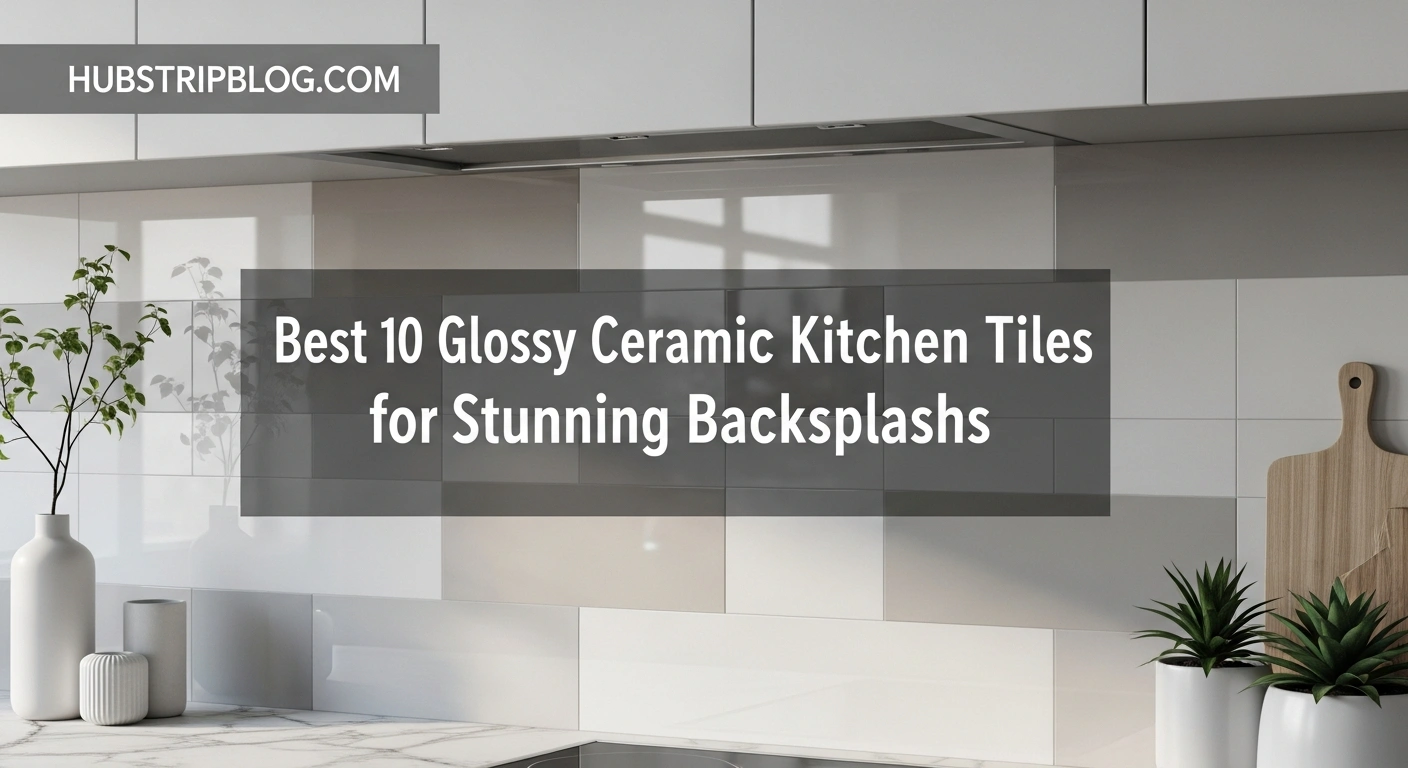
Reflective surfaces like stainless steel appliances, polished chrome fixtures, and glossy tiles or backsplashes bounce light around the room, enhancing brightness and giving an expansive feel. A mirror strategically placed can also work wonders, visually doubling the space.
Consider minimizing bulky upper cabinetry in favor of creative alternatives. Some homeowners opt for a single run of lower cabinetry with open shelving or a beautiful piece of art above, giving the upper half of the room a less restricted feel. If upper cabinets are necessary, choosing glass fronts can lighten their visual weight.
Bathroom Brilliance: Spa-Like Retreats in Miniature
Transforming a small bathroom into a functional, beautiful, and even spa-like retreat requires innovative small home interior remodeling ideas. The goal is to maximize every square inch, integrate smart storage, and use visual strategies to create an illusion of spaciousness and tranquility.
Optimizing Fixtures and Layout
The selection and placement of fixtures are critical in a small bathroom. Wall-mounted toilets and sinks save precious floor space, making the room feel larger and much easier to clean. Their plumbing is hidden within the wall, contributing to a clean, minimalist aesthetic.
A corner sink can be a brilliant solution for awkward layouts, freeing up crucial space along a wall or near a doorway. For showers, consider replacing a bulky tub with a walk-in shower stall, especially one with a clear glass enclosure. This allows light to flow through, visually extending the room and preventing the space from feeling cut off.
When space is extremely tight, a wet room concept where the entire bathroom floor is waterproofed and sloped towards a drain can eliminate the need for a separate shower enclosure altogether, creating a truly open feel. For doors, sliding barn doors or pocket doors that disappear into the wall are far superior to traditional swing doors, which eat into valuable floor space.
Storage Without the Clutter
Clutter is the enemy of small bathrooms, making effective storage paramount. Ingenious small home interior remodeling ideas focus on integrating storage seamlessly so it doesn’t disrupt the visual flow.
Recessed medicine cabinets are a classic for a reason; they utilize the empty space between wall studs, providing storage that doesn’t protrude into the room. Similarly, recessed niche shelving built directly into the shower wall offers convenient storage for toiletries without bulky caddies or shelves.
Floating vanities not only look contemporary but also free up floor space underneath, contributing to an open and airy feel. Choose vanities with ample drawer space or custom built-ins designed to hold specific items. Below-sink storage can also be optimized with pull-out trays and dividers.
Above the toilet, consider a shallow cabinet or open shelves for extra towels or decorative items. Over-the-door hooks or a simple ladder shelf can also provide vertical storage without a large footprint. The key is to keep only essentials on display, tucking everything else neatly away.
Illuminating Small Bathrooms
Thoughtful lighting is crucial for transforming a small bathroom from merely functional to truly inviting. Small home interior remodeling ideas for lighting should focus on layering and maximizing luminescence.
Start with a bright overhead light, perhaps a flush-mount fixture or recessed lighting, to provide general ambient illumination. Supplement this with task lighting around the mirror, such as sconces mounted on either side or a strip light above. This prevents shadows and ensures good lighting for grooming.
If possible, maximize natural light with larger windows or skylights. If privacy is an issue, consider frosted glass or top-down/bottom-up shades. A backlit mirror can add a luxurious glow and act as both task and ambient lighting, creating a soft, spa-like atmosphere. Dimmers are a must, allowing you to adjust the mood from functional brightness to a relaxing glow.
Material Choices for an Open Feel
The materials chosen for a small bathroom play a significant role in how spacious it feels. Small home interior remodeling ideas should gravitate towards choices that promote an open, clean aesthetic.
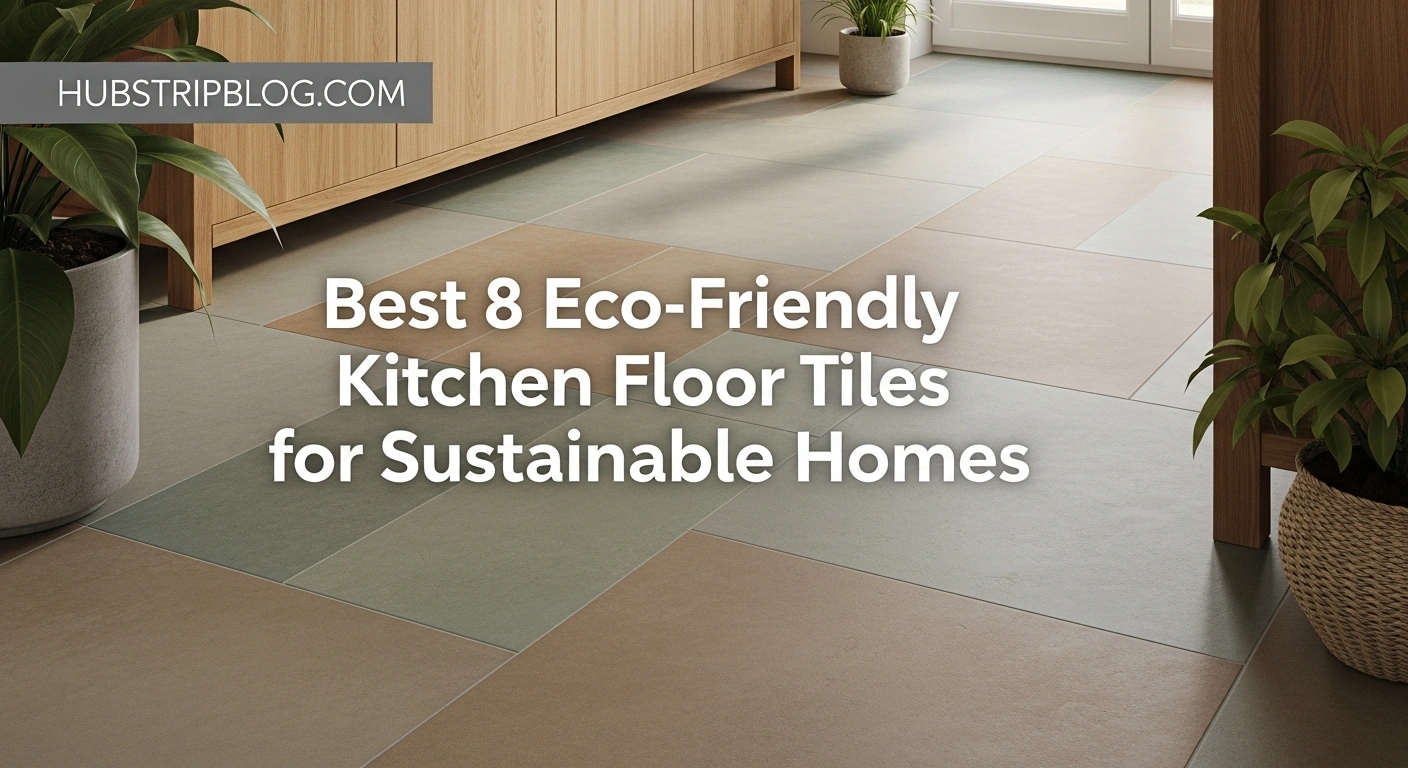
Large format tiles for both floors and walls minimize grout lines, creating a more seamless and expansive look. Running the same tile from the floor up onto the shower walls can also visually expand the space. Light-colored tiles, such as whites, grays, or soft blues, are always a safe bet as they reflect light and make the room feel larger.
Continuous flooring throughout the bathroom, and even into adjacent spaces if possible, eliminates visual breaks and helps the room flow. Avoid patterns that are too busy or small, which can make a space feel cluttered.
A clear glass shower enclosure is perhaps the most impactful choice for visually opening up a small bathroom. Unlike frosted glass or shower curtains, it allows the eye to see all the way to the back wall, making the room seem much deeper. For hardware and fixtures, polished chrome or brushed nickel can add a touch of sparkle while blending in seamlessly.
Living and Sleeping Quarters: Masterful Adaptability
The living room and bedroom are often the core personal spaces in a home. In small homes, these areas require particularly clever small home interior remodeling ideas to ensure they are both comfortable and highly adaptable. The focus shifts to furniture that works harder, zoning that defines purpose, and utilizing vertical space effectively.
Multi-Functional Furniture: The Chameleon of Small Spaces
In a small living or sleeping area, every piece of furniture should earn its keep. Multi-functional furniture is an absolute game-changer, allowing spaces to transform effortlessly.
Sofa beds or futons are perfect for living rooms that double as guest rooms. For bedrooms, a Murphy bed that folds neatly into a wall cabinet can free up significant floor space during the day, allowing the room to serve as an office or yoga studio. Some even come with integrated desks or shelving.
Storage ottomans or benches are versatile pieces that provide seating, a footrest, and hidden storage for blankets, books, or magazines. Coffee tables that lift or expand can transition from a casual surface to a dining table or work desk in an instant. Look for convertible tables that seat two but can extend to six.
Built-in furniture is another excellent strategy. Custom shelves, benches with storage underneath, or even an integrated workspace can be designed to fit the exact dimensions of your space, eliminating wasted gaps and providing tailored solutions. This makes them appear less like individual pieces and more like part of the architectural fabric.

Creating Zones with Purpose
Even in a single, open-concept small room, it’s possible to create distinct zones that serve different purposes. This helps in defining areas without the need for physical walls, which would only make the space feel smaller.
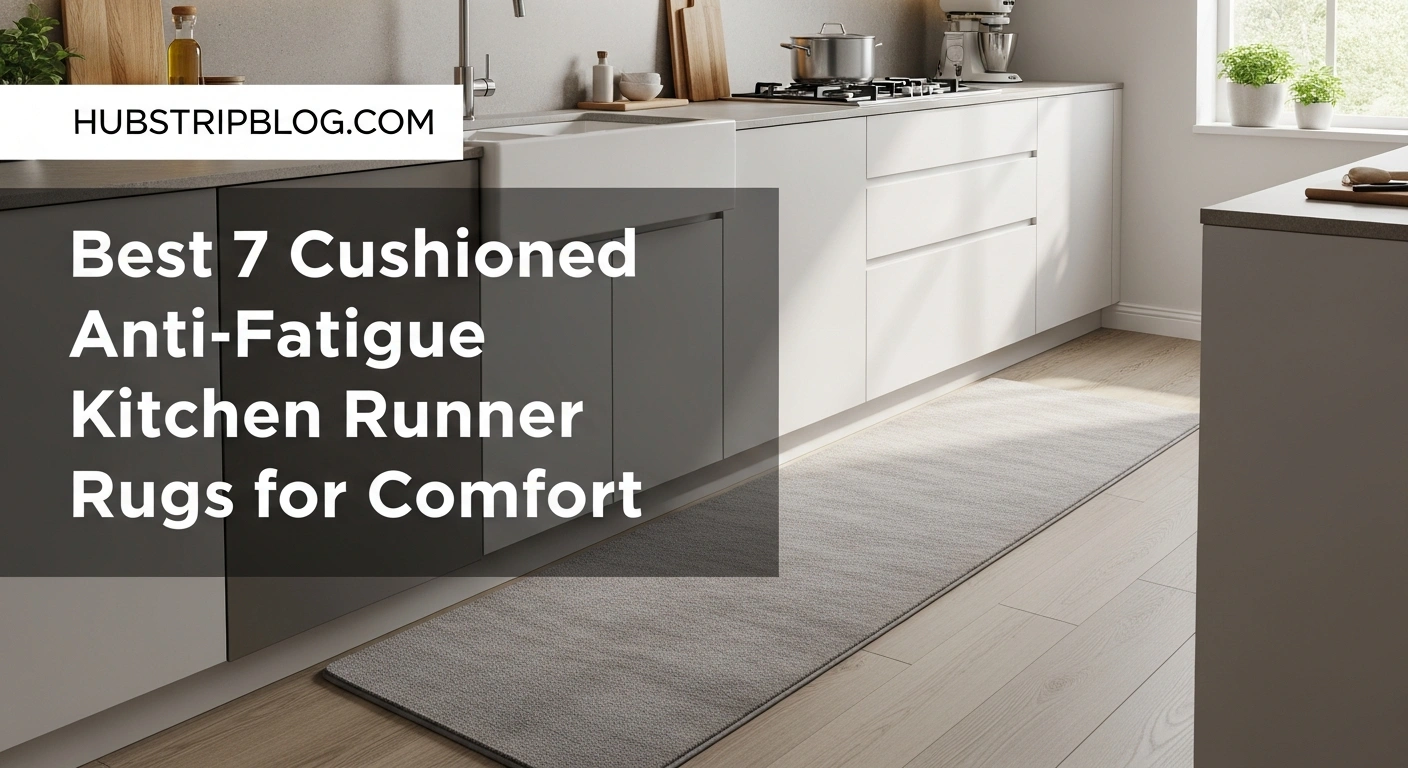
Area rugs are perhaps the simplest and most effective way to delineate different functions within an open plan. A large rug can define the living area, while a smaller one might mark a reading nook or a home office corner. The choice of rug – color, pattern, texture – can also influence the mood and cohesion of each zone.
Shelving units or open bookcases can act as non-permanent room dividers. They provide separation without blocking light or making the room feel enclosed. These can also be dual-sided, providing storage or display space for both zones.
Strategic lighting is also crucial for zone creation. A pendant light over a dining area, a floor lamp next to a reading chair, or task lighting in a workspace clearly signals the function of each area, even if it’s within the same room. Dimmers allow you to adjust the ambiance for different activities.
Verticality: Tapping into Underutilized Space
When horizontal space is limited, the only way to go is up. Utilizing vertical space is one of the most impactful small home interior remodeling ideas for any compact room, transforming walls and ceilings into valuable real estate.
Floating shelves are perfect for displaying books, decor, or plants without taking up floor space. When installed from floor to ceiling, they draw the eye upwards, enhancing the perception of height. Similarly, floor-to-ceiling bookshelves or storage units can house an incredible amount of items, making the most of every available inch.
In bedrooms, consider a loft bed or an elevated platform bed with storage or even a workspace underneath. This effectively doubles the functional space in a small bedroom. Custom built-ins designed to surround a window or doorway can turn otherwise dead space into functional storage or a cozy reading nook.
Hooks on walls or the backs of doors, pegboards for tools or accessories, and wall-mounted desks or folding tables all contribute to keeping the floor clear and maintaining an open feel. Every vertical surface should be scrutinized for its potential to hold, display, or support.
Lighting Strategies to Enhance Depth and Mood
Lighting is not just about illumination; it’s about creating atmosphere, defining space, and making rooms feel larger. In small living and sleeping quarters, small home interior remodeling ideas for lighting are critical for both functionality and aesthetic appeal.
Implement layered lighting to create depth and visual interest. This involves using a combination of ambient (general), task (for specific activities), and accent (to highlight features) lighting. For ambient light, recessed ceiling lights or a central flush-mount fixture work well.
Task lighting is essential in areas like a reading nook (floor lamp), a desk (table lamp), or above a kitchen counter (under-cabinet lights). Accent lighting, such as picture lights or spotlights on artwork, draws attention to specific features, making the room feel curated rather than simply filled.
Dimmers are non-negotiable in small spaces. They allow you to control the intensity of light, transitioning from bright and functional during the day to soft and cozy in the evening, adapting the room’s mood to various activities.
Maximizing natural light should always be a priority. Keep window treatments minimal and light-colored to allow as much daylight as possible to flood the space. Strategic placement of mirrors opposite windows can also amplify natural light and visually expand the room.
The Power of Details: Materials, Colors, and Personal Touches
While large-scale transformations are crucial, it’s often the subtle details that truly make a small space shine. The careful selection of materials, colors, and personal touches can profoundly influence the perceived size, mood, and overall appeal of your home, rounding out your small home interior remodeling ideas.
Strategic Color Palettes
Color has an incredible power to alter perception. For small spaces, the general rule of thumb is to opt for light, neutral color palettes. Whites, creams, light grays, and soft pastels reflect light, making walls recede and creating an airy, expansive feel.
A monochromatic scheme, using varying shades and textures of a single light color, can create a seamless flow throughout the entire home. This prevents the eye from stopping at color changes, contributing to a sense of continuity and openness.
While an all-white space is elegant, don’t shy away from incorporating a carefully chosen accent wall. This can add depth and personality without overwhelming the space, especially if the accent color is a cool tone (like blues or greens) which tend to recede visually. Darker accent walls can also work if balanced by abundant natural light and otherwise light decor.
Reflective and Transparent Materials
Materials that reflect light or allow it to pass through are invaluable among small home interior remodeling ideas for expanding visually.
Mirrors, large or strategically placed, are perhaps the most effective tool. A floor-to-ceiling mirror can double the perceived size of a room, while mirrors opposite windows will bounce natural light around and enhance views. Mirrored furniture can also add sparkle without feeling heavy.
Glass and acrylic elements, such as glass tabletops, acrylic chairs, or glass shower enclosures, maintain an open sightline. Their transparency prevents them from visually “blocking” the space, allowing light and views to pass through unimpeded. This creates a sense of lightness and modernity.
Polished surfaces like high-gloss lacquered cabinets, polished marble, or stainless steel appliances also reflect light, adding brightness and a touch of sophistication. Be mindful, however, of overusing highly reflective surfaces, as this can sometimes feel overwhelming or cold.
Texture and Pattern for Interest
To prevent light and minimalist spaces from feeling bland, introduce texture and subtle pattern. These elements add depth and visual interest without cluttering the space.
Layering textures through textiles like throw blankets, pillows, rugs, and upholstery can add warmth and tactile richness. Think about a chunky knit throw on a sleek sofa, or a soft linen curtain against a smooth wall. These contrasts engage the senses and make a room feel more inviting.
For patterns, opt for subtle or large-scale designs rather than busy, small prints. A large geometric pattern on a rug, a textured wallpaper on an accent wall, or a simple stripe can add character without making the space feel cramped. Avoid strong, contrasting patterns that clash, as these can make a room feel smaller and chaotic.
Personalization Through Art and Decor
Even in a small space, personalization is key to making it feel like home. The trick is to apply the “less is more” principle, curating pieces that truly resonate. Rather than many small items, opt for a few well-chosen, larger pieces of art or decor.
A single, impactful piece of art on a main wall can become a focal point, drawing the eye and adding personality without clutter. Consider vertical galleries with smaller frames if you have ample wall space, but ensure they are arranged cohesively.
When it comes to decor, choose items that are meaningful or serve a purpose. A beautiful plant adds life, a unique vase can add sculptural interest, and a collection of carefully selected books can express character. Avoid excessive knick-knacks that can quickly make a small space feel messy and claustrophobic. Each item should contribute to the overall aesthetic and feel of the room.
Maximizing Natural Light: The Ultimate Space Expander
Natural light is a precious commodity in any home, but it’s an absolute game-changer in small spaces. Abundant natural light dramatically alters the perception of size, mood, and even cleanliness. Incorporating strategies to maximize it is one of the most powerful small home interior remodeling ideas.
Window Treatments That Don’t Impede
The right window treatments can enhance natural light, while the wrong ones can actively block it. The goal is to choose options that offer privacy and light control without visually shrinking the window or the room.
Sheer curtains are excellent for filtering harsh light while maintaining brightness and allowing a view. They add a soft, elegant touch without heavy visual weight. Blinds or Roman shades that can be fully pulled up and out of the way during the day provide flexibility.
Consider top-down/bottom-up shades for specific needs, allowing you to let light in from the top while maintaining privacy at eye level. Mount curtain rods several inches wider than the window frame and closer to the ceiling than the top of the window. This allows curtains to be pulled completely clear of the window when open, and creates an illusion of taller windows and higher ceilings.
Strategic Mirror Placement
Mirrors don’t just reflect; they amplify light and views, effectively extending the perception of space. This makes them a critical component of small home interior remodeling ideas focused on light.
The most effective placement is to hang a large mirror directly opposite a window. This will not only reflect the natural light back into the room, making it much brighter, but also reflect the outdoor view, bringing a sense of nature and expansiveness indoors.
Even if not directly opposite a window, a large mirror on any wall will bounce existing light around, combating dark corners. Consider a gallery wall of smaller, well-placed mirrors to create an interesting feature that also brightens the space. Mirrored furniture surfaces, like dressers or coffee tables, can also subtly contribute to this effect.
Openings and Passageways
Remodeling plans for small homes should carefully consider how light and sightlines travel between rooms. Enlarging or optimizing openings can have a significant impact.
Wider doorways or archways instead of standard single doors can create a more open flow between spaces, allowing light to penetrate deeper. If a doorway isn’t structurally necessary, consider removing it entirely to create a continuous space.
Pocket doors or barn doors are excellent small home interior remodeling ideas for door solutions. Unlike traditional swing doors, they don’t require any floor space to operate, making entries and exits feel less restrictive and allowing adjacent spaces to feel more connected when the doors are open. This also maximizes wall space that would otherwise be blocked by an open door.
Consider internal windows or cut-outs between rooms that don’t absolutely require full privacy. For example, a pass-through opening between a small kitchen and a dining area can allow light to travel between the two spaces, making both feel larger and more connected.
Professional Guidance: Elevating Your Small Home Remodel
While many small home interior remodeling ideas can be tackled by a motivated DIY enthusiast, for truly transformative results and peace of mind, professional guidance is invaluable. Experts bring not only skills but also a crucial perspective honed by experience in maximizing challenging spaces.
The Value of an Experienced Designer
An experienced interior designer, especially one specializing in small spaces, can be an incredibly valuable asset. They see possibilities you might miss and have a deep understanding of scale, proportion, and flow.
A designer acts as a master planner, helping you refine your vision and translate it into a feasible blueprint. They can assist with space planning, ensuring every inch is utilized efficiently, and suggest custom solutions tailored precisely to your needs. This often includes custom built-ins, specialized furniture, and innovative storage strategies that off-the-shelf options simply can’t provide.
Furthermore, designers have expertise in material selection, guiding you towards choices that are durable, beautiful, and visually expansive for small areas. They also manage the delicate balance of color, texture, and lighting to create a cohesive and inspiring aesthetic. Their network of contractors and suppliers can also be a significant advantage.
Finding the Right Contractor
Once the design is finalized, finding the right contractor is paramount. For a small home remodel, it’s particularly important to find a contractor with experience in similar projects and an appreciation for the nuances of compact spaces.
Look for contractors with a strong portfolio showcasing small home interior remodeling ideas they’ve brought to life. Check references thoroughly and ensure they are licensed and insured. Clear communication is key; choose someone who is responsive, transparent about timelines and costs, and willing to discuss options and potential challenges.
A good contractor understands that small spaces often require meticulous work and problem-solving, rather than simply moving walls. They should be able to execute the designer’s plans with precision and offer practical solutions during the build phase.

Planning and Budgeting: The Blueprint for Success
Thorough planning and meticulous budgeting are the bedrock of any successful remodel, especially for small homes where efficiency is paramount. Before any work begins, dedicate significant time to this phase.
Develop a detailed project plan that outlines every step, from design to demolition, construction, and final finishes. This helps to manage expectations and ensures a logical progression of work. Create a comprehensive budget that includes not just materials and labor, but also contingency funds (typically 10-20% of the total budget) for unexpected issues. This prevents financial stress during the project.
Prioritize your list of small home interior remodeling ideas based on impact and budget. Decide which elements are non-negotiable and where you can be flexible. For instance, investing in custom storage or crucial layout changes might take precedence over purely aesthetic upgrades if your budget is tight.
Navigating Permits and Regulations
Before embarking on any significant remodel, understand the local permits and regulations that apply. Most structural changes, plumbing work, electrical upgrades, and even some non-structural changes will require permits from your local municipality.
Ignoring these regulations can lead to fines, stop-work orders, or even necessitate costly re-work. Your contractor or designer should be knowledgeable about local requirements and can often assist with the permit application process. This step, while sometimes tedious, is crucial for ensuring the safety, legality, and long-term value of your small home remodel.
Conclusion
Remodeling a small home interior is far more than just fitting things into a confined space; it’s an art form that transforms limitations into opportunities for ingenious design and highly personalized living. As we’ve explored, the most successful small home interior remodeling ideas are rooted in a philosophy of thoughtful intention, multi-functionality, and a relentless pursuit of maximizing every square inch.
From revolutionary kitchen layouts and spa-like bathroom retreats to adaptive living and sleeping quarters, the goal is always to create a home that feels significantly larger, more efficient, and undeniably inspiring. Through strategic use of color, light-enhancing materials, brilliant storage solutions, and the powerful embrace of natural light, even the smallest spaces can achieve monumental impact. By combining clever design with professional execution, your compact home can transcend its size, becoming a vibrant testament to smart living – a space that truly inspires.