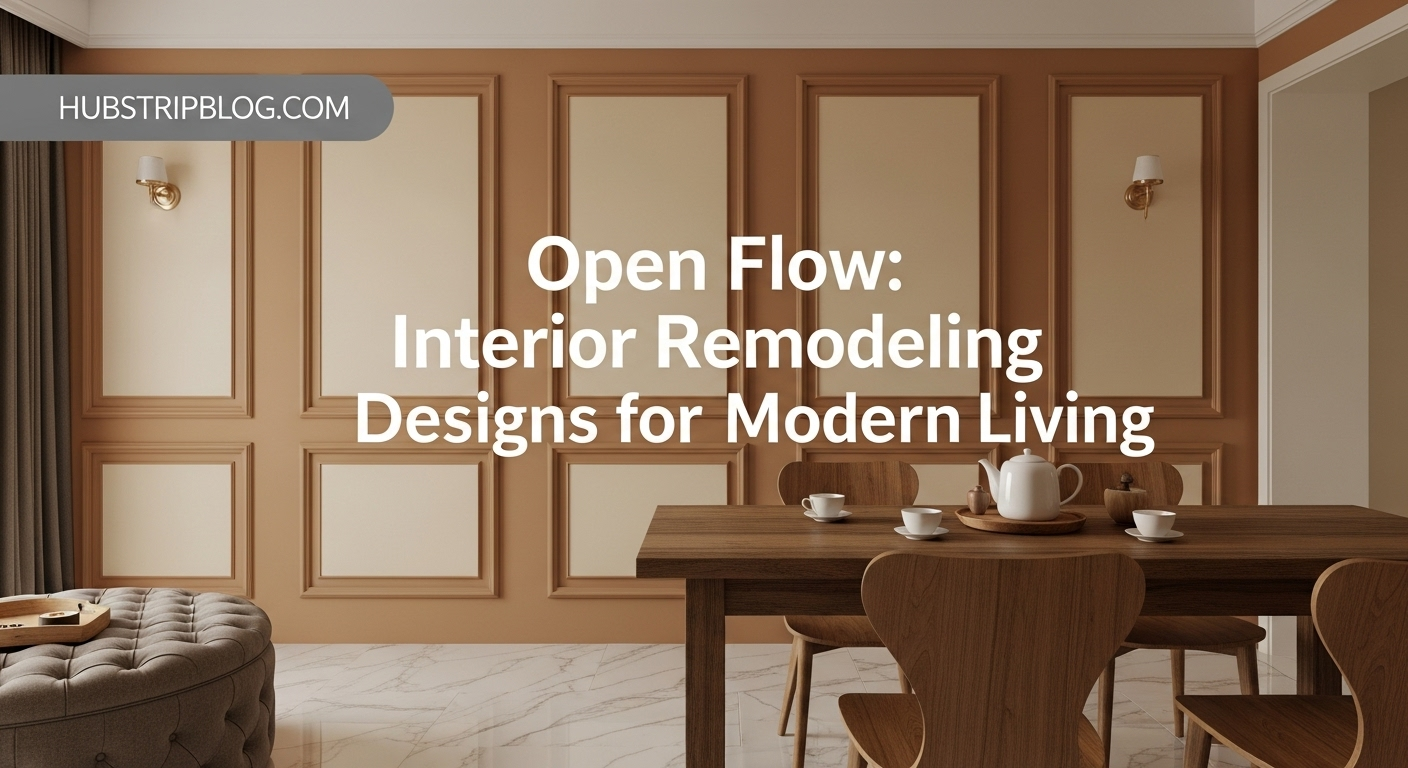
The Evolution of Living Spaces: Embracing Fluidity
Interior Remodeling Designs – The trajectory of residential architecture has always mirrored societal changes, and the shift towards open concept home interior remodeling designs is a profound testament to our evolving priorities. Historically, homes were a collection of distinct, formal rooms – parlors for guests, separate dining rooms for meals, and secluded kitchens for utilitarian tasks. This compartmentalized structure reflected a more rigid social order and specific household roles. However, as lifestyles became more informal, family dynamics changed, and the desire for efficiency and connection grew, the walls began to come down, both literally and figuratively.
Today, the modern home is a hub of activity: a workspace, a social gathering point, a place for relaxation, and a sanctuary. This multifaceted demand necessitates spaces that can adapt and flow, rather than confining activities to isolated boxes. The appeal of open flow is rooted deeply in our current human experience, prioritizing community within the home and flexibility in space utilization.

From Formal Rooms to Fluid Areas
The traditional house plan, with its distinct living room, dining room, and kitchen, served its purpose for generations. These divisions often created a hierarchical flow, moving from one defined space to the next. However, this structure also led to a sense of disconnect, particularly during social gatherings where guests might feel isolated from the host who was preparing food in a separate kitchen.
The modern paradigm actively seeks to dismantle these barriers. Open concept home interior remodeling designs transform these isolated zones into interconnected environments where daily activities can overlap and flow seamlessly. A single, expansive area can simultaneously accommodate cooking, dining, conversation, and relaxation, reflecting a more integrated lifestyle. This fluidity not only enhances domestic convenience but also fosters a stronger sense of togetherness.
The Appeal of Connectedness
At its heart, the drive towards open concept living is about connection. In a world where families might spend less quality time together due due to demanding schedules, the home becomes a vital space for fostering interaction. By removing walls, open concept home interior remodeling designs inherently encourage communication and shared experiences.
Imagine a parent preparing dinner in a kitchen that opens directly into the family room, allowing them to engage with children doing homework or a partner relaxing. Or envision a dinner party where guests can easily mingle between the kitchen, dining, and living areas without feeling confined. This sense of communal living isn’t just about sharing space; it’s about sharing moments, making the home a truly interactive and responsive environment for all who inhabit it.
Unpacking the Benefits of Open Concept Designs
The allure of open concept home interior remodeling designs extends far beyond mere aesthetics. This design philosophy delivers a tangible improvement in quality of life, transforming mundane living spaces into vibrant, dynamic hubs. Understanding these multifaceted benefits is crucial for anyone considering such a significant home transformation.
Maximizing Space and Light
One of the most immediate and striking advantages of an open concept layout is the illusion and actualization of greater space. By eliminating interior walls, the uninterrupted line of sight dramatically expands a room’s perceived size, making even modest homes feel much larger and more grand. This is particularly beneficial in urban environments or smaller homes where square footage is a premium.
Furthermore, the demolition of walls allows natural light to penetrate deeper into the home. Light from windows in one area can now flood into adjacent spaces that might have previously been dark and enclosed. This not only creates a brighter, more inviting atmosphere but can also reduce the reliance on artificial lighting during the day, contributing to energy efficiency. A well-lit space feels more welcoming, energetic, and visually appealing, enhancing mood and overall well-being.
Enhanced Social Interaction and Family Dynamics
The very essence of open concept home interior remodeling designs is built upon fostering connection. In a world where digital distractions can often isolate individuals even within the same household, an open layout actively encourages togetherness. Families can spend more quality time together, even when engaged in different activities.
Imagine a scenario where children are playing in the living room, while a parent prepares a meal in the kitchen, and another family member works at a dining room table. All are physically present in the same large space, sharing anecdotes, offering assistance, and simply enjoying each other’s company without the barrier of walls. This continuous flow facilitates smoother communication, allowing for easier supervision of children, more impromptu conversations, and a general feeling of shared life experiences, which significantly strengthens family bonds.
Increased Home Value and Market Appeal
Investing in open concept home interior remodeling designs is not just an investment in lifestyle; it’s often a smart financial decision that can significantly boost your property’s market value. Modern buyers consistently rank open concept layouts as a top desired feature due to their contemporary aesthetic and practical benefits. Homes with fluid, open spaces are perceived as more versatile, spacious, and easier to furnish.
When potential buyers walk into an open concept home, they are immediately struck by a sense of spaciousness and light, which evokes a positive emotional response. The ease of visualizing their own furniture and lifestyle within such a flexible space makes the property more appealing and memorable. This strong market demand means that homes boasting well-executed open concept designs typically sell faster and often command a higher price, making the remodeling investment a worthwhile expenditure for both immediate enjoyment and future return.
Key Considerations Before Embarking on Your Open Concept Renovation
While the dream of an expansive, light-filled open concept home interior remodeling design is alluring, the reality of achieving it involves careful planning and a thorough understanding of potential challenges. Before any sledgehammers come out, several critical factors must be meticulously evaluated to ensure a successful, safe, and code-compliant transformation. Skipping these preliminary steps can lead to costly mistakes, structural issues, or even legal complications.
Structural Integrity and Load-Bearing Walls
The most crucial step in any open concept remodel is identifying and assessing load-bearing walls. Not every wall can simply be removed. Load-bearing walls support the weight of the levels above (and potentially the roof), distributing that weight down to the foundation. Removing one without proper support can lead to catastrophic structural failure, including sagging floors, cracked walls, and even a partial collapse of the house.
Engaging a licensed structural engineer is non-negotiable. They will review your home’s blueprints, conduct on-site inspections, and determine which walls are load-bearing. If a load-bearing wall needs to be removed, the engineer will design a suitable replacement support system, typically involving steel beams (I-beams) or heavy-duty lumber headers, often supported by new columns or reinforced pilasters. This structural work is foundational and must be executed precisely according to professional specifications.
Budgeting and Project Scope
An open concept home interior remodeling design can range from a minor wall removal to a complete overhaul of an entire floor, and the costs vary dramatically. Transparency in budgeting from the outset is vital. Key cost components include:
- Demolition: Labor for taking down walls and removing debris.
- Structural Support: Engineer’s fees, materials (beams, columns), and installation.
- HVAC and Electrical Relocation: Walls often contain electrical wiring, plumbing pipes, and HVAC ducts. These will need to be rerouted, which can be complex and expensive.
- Flooring: Creating a seamless floor often means extending existing flooring or installing new flooring throughout the enlarged space. This can be a significant cost, especially for high-quality materials.
- Finishing Work: Drywall, paint, trim, and potentially new cabinetry or countertops if the kitchen is part of the open space.
- Permits: Necessary for structural and often electrical/plumbing work.
- Contingency Fund: Always allocate an additional 10-20% of your budget for unforeseen issues, which are common in remodeling projects, especially in older homes.
Defining the exact scope of work early on helps in accurately estimating costs and avoiding budget overruns.
Understanding Building Codes and Permits
Any significant remodeling, particularly involving structural changes, electrical work, plumbing, or major layout alterations, will almost certainly require building permits from your local municipality. These permits ensure that your project adheres to safety standards, zoning regulations, and specific building codes. Ignoring this step can lead to fines, forced reconstruction, issues with home insurance, and difficulty selling your home in the future.
Your contractor or architect should be well-versed in local building codes and can guide you through the permitting process. This typically involves submitting detailed plans, undergoing inspections at various stages of the project, and receiving final approval. While it might seem like a bureaucratic hurdle, proper permitting protects both the homeowner and the future integrity of the property, ensuring your open concept home interior remodeling designs are safe and legally compliant.
Design Principles for Seamless Open Flow: Crafting Your Vision
Once the structural integrity and practical considerations are addressed, the exciting part of crafting your open concept home interior remodeling designs begins. The key to a successful open layout isn’t just about removing walls; it’s about intelligently designing the new, expansive space to feel cohesive, functional, and aesthetically pleasing. This requires a thoughtful application of various design principles that help define areas without resorting to physical barriers.
Defining Zones and Functionality
In an open concept space, the absence of walls means you need to create “invisible” boundaries that delineate different functional zones – for example, a living area, dining area, and kitchen. This can be achieved through clever design choices:
- Area Rugs: A large rug can ground a seating arrangement, visually separating it from the rest of the room.
- Furniture Groupings: Arranging sofas, chairs, and tables to face each other or a central point naturally defines a conversational area.
- Half-Walls or Low Shelving: A strategically placed console table, a low-profile buffet, or a purpose-built half-wall can offer a subtle visual break while maintaining flow.
- Changes in Ceiling Height or Treatment: A dropped ceiling over a dining area or a different texture can subtly distinguish it.
- Partial Dividers: Think about decorative screens, slatted wood walls, or large potted plants that introduce a soft division without fully closing off space.
- Built-in Cabinetry: Low built-in units can serve as both storage and a gentle room divider.
The goal is to provide enough definition so each area feels distinct and purposeful, without sacrificing the overall sense of openness.
Harmonizing Materials and Finishes
A unified aesthetic is paramount in open concept home interior remodeling designs. Disparate materials and finishes can make an open space feel disjointed and chaotic. Instead, aim for a cohesive palette that flows effortlessly from one zone to another.
Flooring Transitions and Uniformity
One of the most impactful decisions for continuity is flooring. Ideally, a single type of flooring material should extend throughout the entire open space. This creates an unbroken visual expanse that significantly enhances the feeling of fluidity and size. Hardwood, laminate, or large-format tile are excellent choices for their durability and consistent appearance.
If different flooring materials are necessary (e.g., tile in the kitchen, wood in the living area), then thoughtful transitions are crucial. Use a complementary material, or choose contrasting textures and patterns that still fall within a similar color family to avoid jarring visual stops. A seamless transition rather than an abrupt change is always preferred.
Color Palettes and Cohesive Aesthetics
Color plays a vital role in unifying an open layout. Opt for a consistent or complementary color palette across all zones. Choosing a dominant neutral color for walls (grays, whites, creams, light beiges) provides a serene backdrop that allows other elements to stand out. You can then introduce accent colors through furniture, artwork, and decorative accessories to add personality and define individual zones without breaking the overall harmony.
The aesthetic style should also be cohesive. Whether you prefer modern minimalist, industrial chic, or farmhouse rustic, ensure that furniture pieces, lighting fixtures, and decor elements across all zones align with the chosen style. This consistency prevents the space from feeling like a random collection of items and instead presents a unified, well-thought-out design.
Strategic Lighting for Ambiance and Function
Lighting in an open concept home needs to be multifaceted, serving both functional and ambient purposes across different zones. Relying on a single overhead light for a large open space will lead to unevenly lit, uncomfortable areas.
- Layered Lighting: Combine general ambient lighting (recessed lights, ceiling fixtures) with task lighting (pendants over a kitchen island, desk lamps, reading lamps) and accent lighting (picture lights, cove lighting) to create depth and warmth.
- Zone-Specific Lighting: Use different types of fixtures or light temperatures to subtly define zones. For instance, brighter, cooler task lighting in the kitchen while warmer, dimmer lighting creates a relaxed atmosphere in the living area.
- Dimmers: Install dimmers on most light fixtures to give you flexibility in adjusting the mood and intensity of light based on the time of day, occasion, or activity.
- Natural Light Optimization: Maximize natural light with minimal window treatments or sheer fabrics. Ensure that new structural elements don’t block existing windows.
Effective lighting can visually separate areas, highlight architectural features, and create a welcoming atmosphere that adapts to various needs throughout the day and evening.
Furniture Placement: The Art of Division without Walls
Furniture is your most powerful tool for defining zones in an open concept space without building new walls. Thoughtful arrangement can create intimacy and function within the expansive layout.
- Anchor Furniture: Large pieces like sofas or area rugs can act as anchors for specific zones. For example, a sectional sofa can clearly delineate the living area.
- Back-to-Back Furniture: Placing the back of a sofa against the front of a console table or a dining buffet effectively creates a soft barrier between the living and dining areas.
- Vertical Elements: Tall bookshelves, open shelving units, or even large plants can provide visual segmentation while allowing light and sightlines to remain largely open.
- Pathways: Ensure that furniture arrangement allows for clear and unobstructed pathways, maintaining the open flow. Avoid blocking the natural circulation patterns through the space.
- Scale and Proportion: Choose furniture that is appropriate for the scale of the larger open space. Oversized pieces can overwhelm, while too many small, disconnected pieces can make the area feel cluttered.
The goal is to create distinct functional areas that still feel connected and contribute to the overall spaciousness of the open concept home interior remodeling designs.

Acoustics in Open Spaces: Managing Sound
A common and often overlooked challenge in open concept layouts is acoustics. Without walls to absorb or block sound, noises can travel freely and echo, leading to a loud environment that lacks intimacy. This can be particularly disruptive for conversations, watching TV, or working from home. Addressing acoustics proactively is crucial.
- Soft Furnishings: Incorporate plenty of rugs, curtains, upholstered furniture, and throw pillows. These soft materials absorb sound waves, reducing echo and reverberation.
- Acoustic Panels/Art: Discreet decorative acoustic panels or strategically placed textured artwork can help dampen sound without compromising aesthetics.
- Ceiling Treatments: Consider acoustic ceiling tiles or spray-on acoustic materials, especially in larger open spaces.
- Strategic Noise Sources: Place louder appliances or entertainment systems thoughtfully to minimize disruption.
- Zoning with Sound: Use area rugs and furniture arrangements to create “quiet zones” within the larger space, even if they aren’t fully enclosed.
By integrating sound-absorbing elements, you can significantly improve the comfort and livability of your open concept space, ensuring that its fluidity is a blessing, not a curse.
Popular Open Concept Home Interior Remodeling Designs and Integrations
The concept of open flow is incredibly versatile, adapting to various architectural styles and personal preferences. When considering open concept home interior remodeling designs, it’s helpful to explore some of the most popular and impactful configurations that homeowners are embracing to modernize their environments and enhance daily living. These designs often focus on blending traditionally separate functions into harmonious, interconnected spaces.
Kitchen-Living-Dining Combinations
Undoubtedly the most popular incarnation of open concept living, this design merges the kitchen, dining area, and living room into a single, expansive great room. This configuration is at the heart of modern family life and entertaining. The kitchen, often with a large island, becomes a central hub where cooking and social interaction seamlessly converge.
- The Island as a Focal Point: A kitchen island can serve multiple functions – prep space, casual dining area, and a visual buffer between the kitchen and other zones. It encourages guests to gather around, making meal preparation a communal activity.
- Seamless Sightlines: From the kitchen, one can oversee kids playing in the living room or engage in conversations with guests at the dining table, fostering a genuine sense of togetherness.
- Versatile Entertainment: This layout is ideal for hosting, allowing guests to flow freely between food, drinks, and conversation zones without feeling segregated.
This combination fundamentally transforms the way families interact and entertain, making the home feel more spacious, inclusive, and modern.
Master Suites with Open En-Suite Bathrooms
While open concept typically refers to communal living areas, the principle extends to private zones as well, particularly in luxury master suites. This design trend sees master bedrooms flowing into their en-suite bathrooms, often separated only by partial walls, glass partitions, or artistic architectural elements rather than solid doors.
- Spa-Like Ambiance: Removing walls between the sleeping area and the bathing zone creates a luxurious, spa-like feel, making the entire suite feel more expansive and indulgent.
- Natural Light and Views: Windows in the bathroom can now contribute lighting and views to the bedroom, enhancing the overall brightness and connection to the outside.
- Thoughtful Zoning: Privacy is still maintained through careful placement of elements like the toilet in a separate water closet, and often the shower enclosure remains glass-enclosed. Freestanding tubs or double vanities might be integrated into the open flow.
- Cohesive Design: Consistent flooring, materials, and color palettes flow from the bedroom into the bathroom, reinforcing the sense of an integrated haven.
This design choice elevates the master suite into a truly opulent and restful sanctuary, blurring the lines between sleep and self-care.
Integrating Outdoor Spaces
True open flow isn’t limited by the interior walls but extends to seamlessly blend indoor and outdoor living. Modern open concept home interior remodeling designs frequently incorporate large structural openings to connect interior spaces with patios, decks, or gardens.
- Large Sliding or Bifold Doors: These doors can retract almost entirely, creating an expansive opening that blurs the boundary between inside and out. This is particularly appealing for warmer climates or homes designed for extensive outdoor entertaining.
- Covered Patios/Decks: Extending the living space onto a covered patio or deck, often with similar flooring or design elements, creates an “outdoor room” that feels like an extension of the indoor open concept.
- Outdoor Kitchens/Dining Areas: Matching the functionality of an indoor open concept, an outdoor kitchen or dining setup further enhances the seamless flow, offering additional areas for cooking and entertaining al fresco.
- Biophilic Design: Integrating natural elements like plants, water features, and outdoor views into the indoor design enhances well-being and strengthens the connection to nature.
This integration doubles the usable living space and allows homeowners to fully embrace their surroundings, enriching their daily experience and offering unparalleled versatility for gatherings.
Smart Home Technology and Open Living
The rise of open concept home interior remodeling designs goes hand-in-hand with advancements in smart home technology. These systems are perfectly suited for managing the interconnectedness and multi-functionality of open spaces.
- Integrated Lighting Control: Smart lighting systems allow you to control different lighting zones with a single command, adjust brightness and color temperature, and set scenes for various activities (e.g., “dinner party,” “movie night”).
- Climate Control Zones: Smart HVAC systems with zoned heating and cooling can efficiently manage the climate in different parts of a large open space, ensuring comfort without wasting energy.
- Whole-Home Audio: Sonos, Google Home, or Amazon Echo multi-room audio systems allow music to flow continuously throughout the open concept areas or be confined to specific zones as desired.
- Voice Control and Automation: Centralized smart hubs allow you to control lights, temperature, music, and even window blinds with voice commands or automated schedules, simplifying lifestyle management in an expansive setting.
- Security and Monitoring: Integrated security cameras and sensors provide comprehensive monitoring of large common areas, enhancing peace of mind.
By thoughtfully integrating smart home technology, the fluid nature of open concept living becomes even more intuitive and convenient, offering a truly modern and responsive living experience.
Overcoming Challenges in Open Concept Designs
While the benefits of open concept home interior remodeling designs are compelling, it’s crucial to acknowledge and address the inherent challenges that can arise with such a significant transformation. Proactively planning for these potential issues ensures that the open flow enhances, rather than detracts from, your daily living experience.
Noise Management Solutions
As previously mentioned, the lack of walls in an open concept layout means sound travels without obstruction, leading to potential noise issues. Loud conversations, a blaring television, cooking noises, or even the hum of a dishwasher can become amplified and disruptive throughout the entire space.
Effective noise management involves a multi-pronged approach:
- Strategic Placement of Zones: Consider placing quieter zones (like a reading nook) further away from common noise sources (kitchen, TV).
- Sound-Absorbing Materials: Incorporate soft furnishings such as large area rugs, heavy curtains, upholstered furniture, and wall tapestries. These materials effectively absorb sound waves, reducing echo.
- Acoustic Paneling: Modern acoustic panels are available in various decorative forms that can be integrated subtly into the design, providing significant sound dampening.
- Insulation: Ensure any remaining walls (even those not removed) and ceilings are properly insulated to help absorb sound.
- Appliance Choice: When purchasing new kitchen appliances, prioritize models known for quiet operation (e.g., dishwashers with low decibel ratings).
- Architectural Features: Consider incorporating slatted wood screens or open shelving units that, while maintaining visual flow, can also slightly diffuse sound.
By consciously designing with acoustics in mind, you can mitigate the noise challenges and create a more tranquil, comfortable open environment.
Maintaining Clutter Control
One of the less glamorous realities of open concept home interior remodeling designs is that any clutter is immediately visible from almost every angle. Without the ability to simply shut a door on a messy kitchen or a disorganized living room, maintaining tidiness becomes paramount.
Effective clutter control requires intentional storage solutions:
- Built-in Cabinetry: Maximize storage with custom built-ins along walls or cleverly integrated into half-walls and islands. Floor-to-ceiling cabinets can offer vast storage without visually eating into the main space.
- Multi-functional Furniture: Opt for ottomans with storage, coffee tables with drawers, or benches with hidable compartments.
- Dedicated Storage Zones: Designate specific areas for specific items. For instance, a “landing zone” near the entrance for keys, mail, and bags, or a pantry for kitchen overflow.
- Concealed Storage: Utilize closed cabinetry in the kitchen to hide small appliances and cookware, keeping countertops clear.
- Vertical Storage: Use tall, narrow shelving or wall-mounted units to draw the eye upward and keep floor space clear.
- Minimalist Approach: Embrace a more minimalist lifestyle by regularly decluttering and only keeping items that are truly functional or bring joy.
Thoughtful storage is the secret weapon to an aesthetically pleasing and highly functional open concept home, ensuring its beauty isn’t overshadowed by everyday chaos.
Personalization vs. Cohesion
Achieving a balance between individual expression and overall design cohesion can be a subtle challenge in open concept home interior remodeling designs. Each family member might have distinct tastes or needs, but a unified space requires a certain degree of visual harmony. Excessive variety can lead to a disjointed, chaotic feeling, while too much uniformity can make the home feel impersonal.
Here’s how to strike that balance:
- Core Neutral Palette: Establish a consistent base color palette for walls and major furniture pieces (sofas, large rugs). This creates a unifying backdrop.
- Accent Colors and Textures: Introduce individual personality through accent colors, artwork, decorative objects, and different textures. These can vary slightly between zones, allowing for personal touches without disrupting the overall flow.
- Thematic Cohesion: If there’s a particular style (e.g., modern Scandinavian, bohemian), ensure that the selected decor elements, even if sourced individually, align with that overarching theme.
- Curated Collections: Rather than displaying every single item, curate collections and rotate them. This allows for personalization without overwhelming the space.
- Defined Personal Zones: While the communal areas are open, individual bedrooms or a home office can still offer opportunities for complete personalization, providing an outlet for more eclectic tastes.
By designing with an intentional blend of unity and individual expression, your open concept home can feel both integrated and deeply reflective of the unique personalities within it.
The Future of Open Flow Living: Adaptability and Sustainability
As we look ahead, the evolution of open concept home interior remodeling designs is poised to continue, driven by changing societal values, technological advancements, and a renewed focus on environmental responsibility. The future of open flow living isn’t just about maximizing space; it’s about optimizing it for dynamic lifestyles, ensuring longevity, and treading lightly on the planet.
Flexible Layouts for Evolving Lifestyles
The modern family and individual journey through various life stages, from young professionals to growing families to empty nesters, each demanding different spatial needs. The future of open concept will lean heavily into adaptability, creating truly flexible layouts that can evolve without the need for constant, major renovations.
- Modular Systems: Expect to see more modular furniture and built-in systems that can be reconfigured or moved to redefine zones as needed.
- Moveable Walls and Partitions: Innovations in sliding pocket doors, bifold walls, or even automated partition systems will allow homeowners to dynamically open or close off sections of a larger space, offering instant privacy or expanded social areas.
- Multi-functional Rooms: Design will increasingly focus on spaces that can serve multiple purposes throughout the day—a dining area transforming into a workspace, or a living room section becoming a temporary guest bedroom.
- Tech-Integrated Flexibility: Smart home systems will play a crucial role in adapting spaces, controlling lighting, sound, and visual displays to match the current function of a flexible zone.
These flexible layouts will empower homeowners to custom-tailor their environment to their immediate needs, making their homes truly responsive and future-proof.

Sustainable Materials and Energy Efficiency
Environmental consciousness is no longer a niche concern but a mainstream imperative. Future open concept home interior remodeling designs will intrinsically weave sustainability into every decision, from material selection to energy consumption.
- Eco-Friendly Materials: A shift towards locally sourced, recycled, rapidly renewable (like bamboo or cork), and non-toxic materials will dominate. Low-VOC (Volatile Organic Compound) paints, natural insulations, and reclaimed wood will become standard.
- Smart Energy Management: Advanced smart thermostats, energy-efficient windows, and integrated solar solutions will be crucial. Open concepts, with their emphasis on natural light, inherently support reduced energy consumption for lighting.
- Bioclimatic Design: Homes will be increasingly designed to respond to their local climate, optimizing natural ventilation, solar gain in winter, and shading in summer to minimize reliance on artificial heating and cooling.
- Water Conservation: Low-flow fixtures, greywater recycling systems, and drought-resistant landscaping for integrated outdoor spaces will be key components.
Sustainable design in open concept homes will not only reduce environmental impact but also lead to healthier indoor environments and lower utility bills for homeowners.
Wellness-Centric Design
Beyond aesthetics and functionality, the future of open concept home interior remodeling designs will prioritize wellness. Homes will be designed as environments that actively support the physical, mental, and emotional health of their occupants.
- Biophilic Design: Integration of nature in design will deepen, with more use of indoor plants, natural light and views, natural materials, and patterns mimicking those found in nature. This connection to the natural world has proven benefits for stress reduction and mood enhancement.
- Optimized Indoor Air Quality: Advanced ventilation systems, air purification technologies, and the exclusive use of non-toxic building materials will ensure pristine indoor air, crucial for health.
- Comfort and Ergonomics: Furniture and layouts will be designed with human comfort and ergonomics in mind, promoting healthy postures and relaxation.
- Mindfulness Zones: Even within open layouts, small, dedicated “mindfulness zones” for meditation, reading, or quiet reflection may emerge, offering a sense of calm amidst the openness.
Ultimately, the open concept home of the future will be a dynamic, adaptable, and healthy sanctuary, a testament to how intelligent design can profoundly enhance our quality of life.
Conclusion
The journey through the intricate world of open concept home interior remodeling designs reveals far more than just a trend; it’s a fundamental shift in how we envision and utilize our most private spaces. From the historical evolution of rigid, compartmentalized rooms to the modern embrace of fluidity and connectivity, open flow living has proven itself to be an enduring and highly desirable architectural paradigm. The benefits are clear: maximized space and natural light, enhanced social interaction, increased home value, and a palpable sense of modern elegance.
While embarking on such a transformation requires careful consideration of structural integrity, budgeting, and local building codes, the rewards far outweigh the challenges. Through thoughtful design principles—defining zones with furniture and rugs, harmonizing materials and colors, leveraging strategic lighting, and intelligently managing acoustics—homeowners can craft spaces that are both beautiful and incredibly functional. Popular integrations, from combined kitchen-living areas to seamless indoor-outdoor connections and smart home technologies, further elevate the experience, making everyday living more intuitive and enjoyable. Despite potential hurdles like noise and clutter, proactive planning and smart solutions ensure a harmonious outcome.
Looking ahead, the future of open flow living promises even greater adaptability, sustainability, and a deeper focus on personal well-being. Open concept home interior remodeling designs are not merely about aesthetics; they are about curating an environment that supports dynamic lifestyles, fosters connection, and promotes a sense of expansive comfort. As our lives continue to evolve, so too will our homes, with open concepts standing as a timeless testament to our desire for spaces that truly reflect and enhance modern living.