The Core Principle: Understanding Flow in Modern Interiors
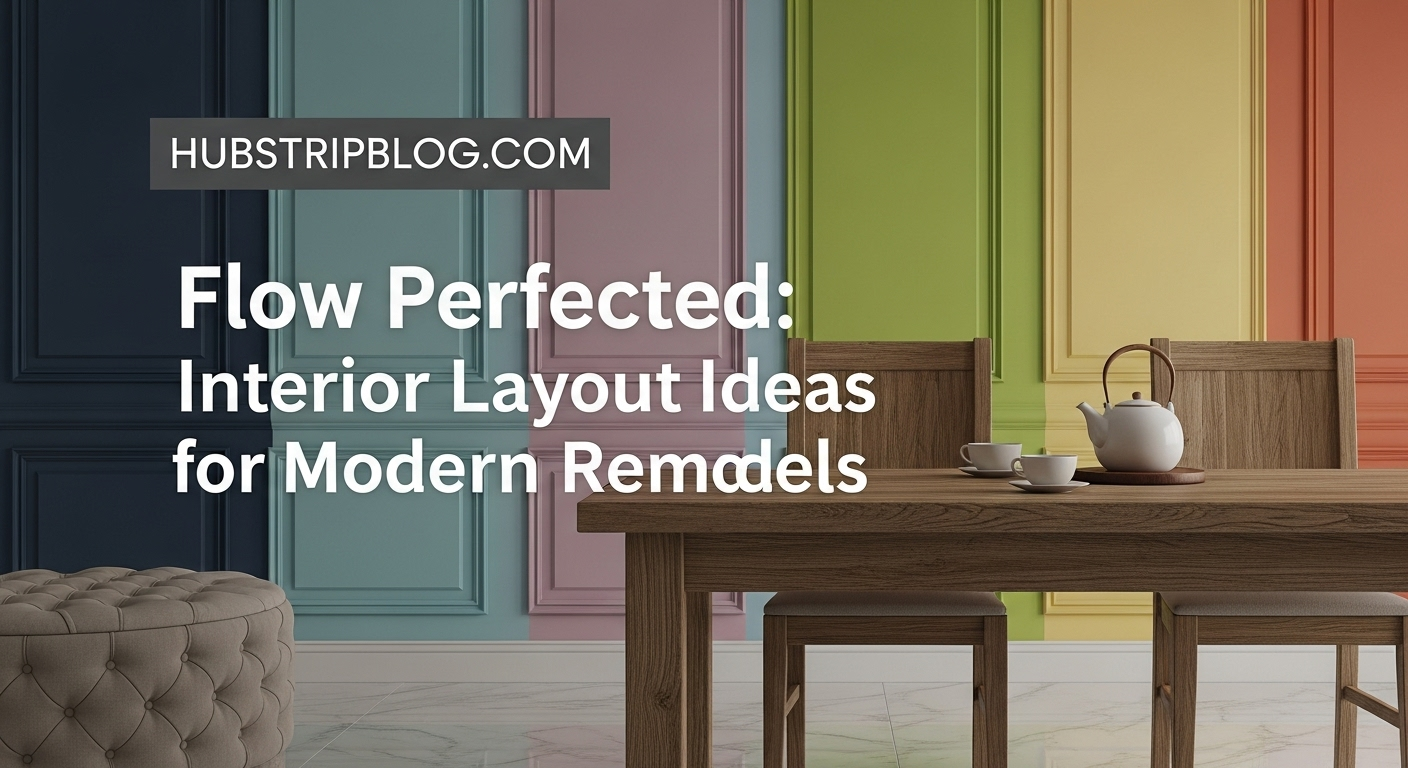
Interior Layout Ideas – The concept of “flow” in interior design is far more intricate than simply unobstructed movement. It encompasses the visual journey, the emotional experience, and the practical functionality of a space. In modern remodels, understanding and optimizing this flow is paramount to creating a home that feels intuitive, expansive, and genuinely livable. It’s the silent conductor orchestrating comfort and efficiency.

Defining Interior Flow: More Than Just Movement
Interior flow refers to the ease and naturalness with which a person moves through a space, both physically and visually. It considers the pathways, sightlines, and transitions between different areas. A home with good flow feels open and welcoming; there are no awkward dead ends or confusing congested zones. It’s about designing an experience that feels fluid and logical, allowing activities to unfold organically without impediment. This holistic approach ensures every design decision contributes to a cohesive living experience.
The Impact of Poor Layout on Daily Living
A poorly conceived layout can significantly detract from daily life, leading to frustration, inefficiency, and a general sense of unease. Imagine constantly navigating an obstacle course in your own home, squeezing past furniture, or enduring perpetually dark corners in spaces where light is desperately needed. Such layouts often result in underutilized rooms, chaotic entries, or a kitchen that feels cramped and isolated from the social hub. These common issues highlight why exploring layout redesign ideas for home remodeling is not just an aesthetic choice, but a practical necessity for improving quality of life. Inefficient spaces can also make cleaning and maintenance more challenging, adding to daily stress rather than alleviating it.
Why Layout Redesign is Crucial for Modern Homes
Modern life demands flexibility, connectivity, and spaces that adapt to multiple functions. Traditional, compartmentalized layouts often fall short of meeting these demands. Layout redesign is crucial because it allows homes to evolve with their inhabitants, supporting open communication, seamless entertaining, and quiet contemplation. It’s about creating spatial relationships that enhance natural light, improve ventilation, and foster a sense of openness. By actively seeking layout redesign ideas for home remodeling, homeowners are essentially future-proofing their properties, ensuring they remain relevant, comfortable, and efficient for years to come. It’s an investment in both present enjoyment and future value.
Foundational Layout Redesign Ideas for Home Remodeling: Starting with the Blueprint
When contemplating a major home remodel, the most impactful changes often occur at the structural level. These foundational updates fundamentally alter the home’s character and functionality, setting the stage for all subsequent design choices. Strategic planning at this stage can unlock a home’s full potential, offering unparalleled improvements in space utilization and overall livability. Embracing comprehensive layout redesign ideas for home remodeling at the outset ensures that the core structure supports a modern lifestyle.
Open-Concept Living: The Enduring Appeal and Smart Implementations
Open-concept living remains a cornerstone of modern interior design, known for its ability to foster connectivity and create a sense of spaciousness. By combining traditional separate rooms like the kitchen, dining, and living areas into one contiguous space, homes feel larger, brighter, and more conducive to social interaction. This flexibility allows for effortless transitions between cooking, dining, and relaxation, making it ideal for entertaining and daily family life. However, successful open-concept layouts require thoughtful planning to avoid a vast, undefined space that lacks intimacy.
Zoning Strategies within Open Layouts
To prevent an open-concept space from feeling chaotic or indistinct, effective zoning strategies are essential. This involves visually and functionally segmenting areas without actual walls. Techniques include using area rugs to define individual zones, varying ceiling heights, or incorporating half-walls and oversized furniture pieces as subtle dividers. Bookshelves, console tables, or even changes in flooring materials can also delineate specific functions, creating distinct areas within the larger open plan while maintaining visual flow. Thoughtful lighting design, with different fixtures for different zones, further enhances this separation.
The Role of Kitchen Islands and Peninsulas
In open-concept kitchens, islands and peninsulas are pivotal for both function and definition. They serve as crucial workstations, offering additional counter space, storage, and often seating for casual dining or social interaction. Beyond utility, they act as natural dividers, creating a clear boundary between the kitchen and adjacent living or dining areas without fully enclosing the space. The design of the island or peninsula, including its shape, size, and material, significantly influences the overall aesthetic and flow of the integrated space. They can become focal points, grounding the layout.
Reimagining Room Usage: Beyond Traditional Boundaries
Modern living often blurs the lines between traditional room functions. A dining room might double as a home office, or a spare bedroom could serve as a media room and guest suite. Rethinking how each space is used is a key component of effective layout redesign ideas for home remodeling. This involves identifying underutilized areas and envisioning how they can better serve the household’s current needs. It could mean knocking down a non-load-bearing wall to expand a living room or creating a flex space that adapts to different activities. This adaptability ensures maximum utility from every square foot.
Optimizing Circulation Paths: Preventing Bottlenecks
Efficient circulation paths are fundamental to good interior flow. These are the routes people naturally take to move between rooms and within a single space. Identifying and eliminating bottlenecks—areas where two or more paths converge inconveniently, causing congestion—is crucial. This might involve widening doorways, relocating a partition, or reconsidering the placement of furniture. Clear, intuitive pathways enhance comfort and efficiency, making a home feel more spacious and less cluttered. A well-designed circulation path guides occupants smoothly without conscious effort.
Strategic Layout Redesign Ideas for Home Remodeling: Room-by-Room Breakdown
A successful modern remodel involves meticulous attention to individual rooms while maintaining a cohesive overall flow. Each space presents unique challenges and opportunities for enhancement. Focusing on specific areas with targeted layout redesign ideas for home remodeling can unlock their full potential, ensuring every part of the house contributes to an elevated living experience. This granular approach guarantees that both individual function and inter-room connectivity are optimized.
Kitchens: The Heart of the Home Reimagined
The kitchen has evolved from a purely utilitarian space into the true heart of most modern homes, a central hub for cooking, dining, socializing, and even working. Consequently, its layout is paramount to a home’s overall functionality and appeal. Modern kitchen remodels prioritize openess, efficiency, and integration with adjacent living areas. Thoughtful consideration of workflow and gathering points is essential.
The Work Triangle Evolution
Traditionally, kitchen design revolved around the “work triangle” connecting the sink, refrigerator, and range. While this principle still holds value, modern kitchens often expand upon it to accommodate multiple cooks and diverse activities. This might involve creating multiple work zones—a prepping station, a cooking zone, and a cleanup zone—each with its own dedicated appliances and counter space. The focus shifts from a rigid triangle to flexible, ergonomic zones that support fluid movement and collaborative cooking. Smart appliance placement within these zones is key to efficiency.
Integrating Dining and Social Zones
In contemporary kitchens, the integration of dining and social zones is a common and highly desired feature. This can be achieved through oversized kitchen islands with ample seating, banquette dining areas built into the layout, or seamless transitions to an adjacent dining room or open-concept living space. The goal is to make the kitchen a welcoming place where family and friends can gather, whether for a quick meal, a prolonged dinner party, or simply to chat while the host prepares food. These integrated zones promote interaction and prevent the cook from being isolated.
Living Areas: Fostering Connection and Comfort
Living areas, whether formal or informal, are where families relax, entertain guests, and engage in shared activities. The layout of these spaces should balance comfort with functionality, encouraging interaction while providing options for individual pursuits. A well-designed living room layout enhances both the visual appeal and the practical utility of the space, making it truly livable. Smart furniture choices are essential for maximizing the potential of these crucial areas.
Arranging Furniture for Optimal Interaction
Furniture arrangement is critical in defining living area flow and fostering interaction. Seating should be positioned to encourage conversation, typically facing each other or arranged in a U-shape around a focal point like a fireplace or media console. Ensure there are clear pathways through the room, avoiding furniture that obstructs movement. Consider scale and proportion when selecting pieces, making sure they fit the room without overwhelming it or looking too sparse. Small side tables and ottomans can add flexibility and convenience.
Incorporating Multi-functional Zones
Modern living often requires living areas to serve multiple purposes. Incorporating multi-functional zones within a larger living space can maximize its utility. This might involve a designated reading nook with a comfortable armchair and a small table, a built-in desk area for a home office, or a media zone with a large screen and ample seating. Using modular furniture, room dividers, or clever storage solutions can help define these zones without sacrificing the overall open feel. The key is to create distinct areas that seamlessly coexist.
Bedrooms: Sanctuary and Functionality
Bedrooms are private sanctuaries, and their layout should prioritize comfort, tranquility, and personal storage. A well-designed bedroom promotes relaxation and offers practical solutions for daily routines. Strategic layout redesign ideas for home remodeling for bedrooms focus on maximizing space, optimizing light, and crafting a serene atmosphere tailored to individual needs. The arrangement of furniture plays a key role in achieving these goals.
Maximizing Space in Master Suites
Master suites often demand a layout that accommodates not just a sleeping area but also ample storage, a seating area, and sometimes even a small workspace. Maximizing space can involve incorporating built-in wardrobes, utilizing wall-mounted shelving, or considering a bed with integrated storage. Careful placement of the bed, which is usually the largest piece of furniture, is crucial for creating open pathways and ensuring access to closets and windows. Consider adding a small chaise lounge or a pair of chairs if space permits, transforming the suite into a private retreat.

Designing Guest Rooms and Home Offices
For guest rooms and home offices, flexibility is often key. A layout that can adapt to both functions is highly valuable. This might involve a Murphy bed or a sofa bed that can be tucked away when not in use, freeing up space for a desk and office equipment. Built-in cabinetry can provide both storage for office supplies and discreetly hide guest necessities. Ensuring good lighting and a comfortable chair is paramount for a productive workspace, while a thoughtful layout makes visitors feel welcome.
Bathrooms: Spa-Like Retreats and Efficiency
Bathrooms, regardless of their size, should be havens of cleanliness, functionality, and relaxation. Modern bathroom remodels often focus on maximizing perceived space, enhancing luxury components, and improving overall efficiency. Thoughtful layout redesign ideas for home remodeling for bathrooms can transform even the smallest space into a highly functional and aesthetically pleasing environment. Prioritizing smart storage solutions is also essential to maintain a clutter-free look.
Enlarging Small Bathrooms Creatively
Even compact bathrooms can feel more spacious with clever layout redesigns. This might involve choosing a wall-mounted toilet and vanity to free up floor space, installing a corner sink, or replacing a bulky tub with a sleek walk-in shower featuring a glass enclosure. Strategic mirror placement can also create an illusion of depth and reflect light, making the room feel larger and brighter. Lighter color palettes and efficient lighting further contribute to an open feel. Recessed shelves or niches can provide storage without encroaching on space.
Double Vanities and Walk-in Showers
For master bathrooms, incorporating double vanities and spacious walk-in showers are popular layout redesign ideas for home remodeling that enhance both luxury and practicality. A double vanity allows two people to get ready simultaneously, reducing morning congestion. Walk-in showers, often with bench seating or multiple showerheads, offer a spa-like experience and can make a bathroom feel more modern and open, especially when enclosed with frameless glass. Ensuring adequate space around these features is crucial for comfortable use and good flow.
Entrances and Hallways: Making a Grand First Impression
The entryways and hallways of a home are often overlooked, yet they play a critical role in setting the tone and guiding movement. They are the initial touchpoints for guests and the daily transition zones for residents. Smart layout redesign ideas for home remodeling for these areas can significantly improve first impressions and overall home functionality. They provide an opportunity to introduce the home’s aesthetic.
Welcoming Foyers and Mudrooms
A well-designed foyer creates a welcoming first impression, offering a graceful transition from the outside world. It should have space for visitors to remove coats and shoes, perhaps with a bench and a mirror. For everyday family use, a mudroom—either integrated into the foyer or as a separate space—is invaluable. It provides dedicated storage for coats, bags, shoes, and sports equipment, preventing clutter from spreading into the main living areas. Good organization in these spaces is paramount to maintaining tidiness throughout the home.
Widening and Brightening Hallways
Narrow, dark hallways can feel claustrophobic and disrupt a home’s flow. Widening a hallway, even by a few inches, can make a significant difference. If structural changes are not feasible, strategic lighting, light-colored paint, and large mirrors can create an illusion of greater spaciousness and brightness. Eliminating unnecessary doors or creating arched openings can also improve visual flow, making hallways less like tunnels and more like integral parts of the home’s design. Recessed lighting or wall sconces can add warmth and an inviting glow.
Advanced Layout Redesign Ideas for Home Remodeling: Enhancing Functionality and Aesthetics
Beyond basic spatial adjustments, advanced layout redesign ideas for home remodeling delve into optimizing elements that enhance both the daily functionality and the long-term aesthetic appeal of a home. These ideas consider how natural elements, technology, and clever storage can be seamlessly integrated into the structural design, creating a truly sophisticated and efficient living environment. This holistic approach ensures every aspect of the remodel contributes to a superior outcome.
Leveraging Natural Light and Views
Natural light and outdoor views are invaluable assets that can dramatically transform an interior. A well-planned layout maximizes these elements, making spaces feel larger, brighter, and more connected to the outdoors. Harnessing natural light reduces the need for artificial lighting during the day, contributing to energy efficiency and a healthier indoor environment. Thoughtful design can frame picturesque views, turning them into living art.
Strategic Window and Door Placement
The placement of windows and doors is one of the most impactful layout redesign ideas for home remodeling. Strategically placed large windows, sliding glass doors, or French doors can flood rooms with natural light and offer expansive views, blurring the lines between indoor and outdoor living. When considering a layout redesign, evaluate how new openings can optimize light entry, cross-ventilation, and access to exterior spaces like patios or gardens. Position windows to capture desirable views and block less appealing ones.
Skylights and Light Tunnels
For interior rooms or areas that lack direct access to exterior walls, skylights and light tunnels offer brilliant solutions for introducing natural light. Skylights can dramatically brighten a room from above, creating a unique overhead perspective. Light tunnels, or solar tubes, are excellent for smaller spaces like hallways, bathrooms, or closets, channeling daylight from the roof through reflective pipes into the room below. These installations are highly effective in bringing warmth and vibrancy to previously dark corners of the home.
Integrating Smart Home Technology Seamlessly
Modern homeowners increasingly desire integrated smart home technology, not as an afterthought, but as an intrinsic part of the home’s design. Plan for the placement of smart lighting controls, climate sensors, built-in speakers, and networking infrastructure during the layout redesign phase. This ensures that devices are discreetly integrated, wiring is hidden, and systems are optimized for convenience and efficiency without cluttering the aesthetic. Pre-wiring during a remodel is significantly easier and more cost-effective than attempting to retrofit later.
Storage Solutions as Design Elements
Effective storage is crucial for maintaining a clutter-free and organized home, yet it is often overlooked in layout planning. In modern remodels, storage is elevated from a mere functional necessity to an integral design element. Thoughtful integration of storage can enhance aesthetics, define spaces, and improve daily functionality. Custom solutions often blend seamlessly with the architectural style of the home.
Built-in Cabinetry and Nooks
Built-in cabinetry, shelving, and recessed nooks are sophisticated layout redesign ideas for home remodeling for maximizing storage without encroaching on floor space. These custom solutions can be designed to match the specific aesthetic of the home, providing seamless storage for books, media, collections, or household necessities. Think about built-in benches with storage underneath, wall-to-wall library shelving, or recessed display niches that add character and utility simultaneously. They provide a sleek, integrated look.
Closet Systems and Utility Rooms
Optimizing closet systems is vital for bedroom and entryway functionality. Custom closet organizers, including specialized racks, shelves, and drawers, ensure every item has its place, improving organization and making rooms feel tidier. For larger homes, a dedicated utility room or pantry can consolidate laundry facilities, cleaning supplies, and bulk storage, keeping these functional items out of sight from main living areas. These dedicated spaces are invaluable for maintaining order and boosting efficiency.
Considering Future Needs and Adaptability
A truly successful layout redesign anticipates future needs and offers a degree of adaptability. While it’s impossible to predict every life change, designing with flexibility in mind can save significant effort and cost down the line. This might involve creating a flex room that can easily convert from an office to a nursery or guest room, or designing accessible bathrooms on the main floor. Choosing modular elements or non-load-bearing walls for potential future alterations can add significant value and longevity to your remodel. Consider how the home might evolve with a growing family or aging in place.

The Design Process: From Concept to Reality for Layout Redesign Ideas for Home Remodeling
Embarking on a comprehensive layout redesign for your home remodel is an exciting, yet complex journey. It requires careful planning, informed decision-making, and often, professional guidance. Understanding the key stages of this process ensures a smoother execution and a result that truly reflects your vision and lifestyle. Each step is crucial for transforming initial layout redesign ideas for home remodeling into a tangible, beautiful outcome.
Assessing Your Current Layout and Lifestyle Needs
The first step in any layout redesign is a thorough assessment of your existing home and, crucially, your current and future lifestyle needs.
- Identify Pain Points: What aspects of your current layout cause frustration? (e.g., cramped kitchen, dark entryway, lack of privacy).
- Analyze Daily Routines: How do you and your family move through the home daily? Where do bottlenecks occur? What activities are essential?
- Envision Ideal Living: What does your ideal home environment look like? Do you entertain frequently? Work from home? Need space for hobbies?
- Consider Future Growth: Plan for potential family changes, aging in place requirements, or evolving professional needs. This initial deep dive forms the foundation for all subsequent design decisions, translating abstract desires into concrete requirements for your layout redesign ideas for home remodeling.
Working with Professionals: Architects and Interior Designers
While inspired layout redesign ideas for home remodeling can originate anywhere, translating them into a feasible and structurally sound plan often requires the expertise of professionals.
- Architects: Essential for structural changes, permitting, and ensuring the integrity of your home. They understand how walls can be removed, where new openings can be created, and the implications of such changes.
- Interior Designers: Focus on the aesthetics, functionality, and flow within the redesigned spaces. They can help with space planning, material selection, lighting design, and furniture arrangement to maximize the impact of your new layout. Collaborating with both can ensure a holistic approach that balances structural integrity with functional beauty.
Budgeting and Phasing Your Remodel
A significant layout redesign is a substantial investment, making careful budgeting and, potentially, phasing crucial.
- Detailed Budget: Work with your professionals and contractors to establish a comprehensive budget that includes architectural fees, construction costs, materials, finishes, and a contingency fund (typically 10-20% of the total budget).
- Value Engineering: Discuss options for achieving your desired outcome within budget constraints. Sometimes minor adjustments to the plan can lead to significant cost savings.
- Phased Approach: For larger, more complex remodels or budget limitations, consider breaking the project into phases. For instance, you might tackle the kitchen and living room in phase one, and bedrooms or bathrooms in a later phase. This allows for a more manageable financial and logistical undertaking, ensuring your layout redesign ideas for home remodeling can come to life without undue financial strain. A clear timeline and project management plan also contribute to a smoother process.
Conclusion
The journey of home remodeling is an unparalleled opportunity to sculpt a living space that truly resonates with your contemporary lifestyle and aspirations. At its heart, the most transformative changes stem from a thoughtful and strategic approach to its layout. By embracing innovative layout redesign ideas for home remodeling, homeowners are not merely updating surfaces; they are redefining their daily experience, enhancing connectivity, optimizing natural light, and creating environments that are both beautiful and profoundly functional.
From the foundational shifts of open-concept designs to the meticulous optimization of individual rooms like kitchens and bathrooms, every decision contributes to the overarching goal of perfected flow. Leveraging professional expertise, meticulously planning for every detail, and even anticipating future needs ensures that your investment yields a home that is adaptable, efficient, and endlessly enjoyable. Ultimately, a well-executed layout redesign elevates a house from a mere structure to a harmonious sanctuary, a place where flow is perfected and modern living truly flourishes.