Decoding the Design DNA: What Defines Modern and Traditional Styles?
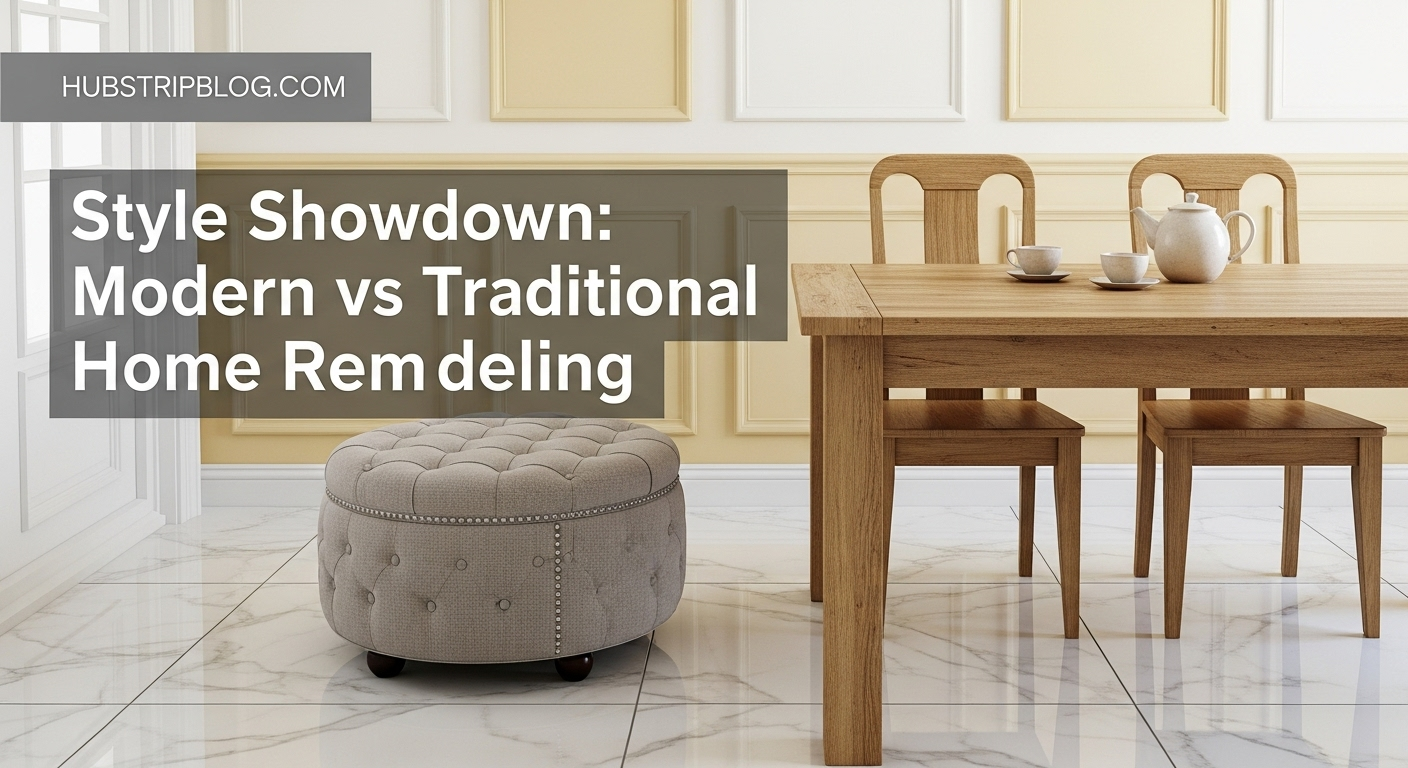
Modern vs Traditional Home Remodeling – Before you can choose a side, it’s crucial to understand the core principles of each contender. While often used interchangeably, “modern” and “contemporary” are distinct, with modern design referring to a specific historical period (roughly the early to mid-20th century). Traditional design, conversely, draws inspiration from a rich tapestry of 18th and 19th-century European styles.
At its heart, modern design is a celebration of simplicity. It champions the idea of “form follows function,” where every element has a purpose and unnecessary ornamentation is stripped away. This philosophy results in spaces that feel open, airy, and intentional. Its counterpart, traditional design, is a tribute to history and artistry. It embraces classic elegance, detailed craftsmanship, and a sense of enduring comfort. These spaces are often layered, textured, and filled with pieces that tell a story.

The Aesthetic Deep Dive: A Head-to-Head Comparison
To truly grasp the differences in the modern vs traditional home interior remodeling debate, we must examine their key characteristics. This is where the core identity of each style is revealed, from the overall philosophy down to the smallest details in hardware and trim. Understanding these building blocks will empower you to identify which aesthetic resonates most deeply with you.
The Kitchen: Streamlined Function vs. Ornate Warmth
In a modern kitchen, the emphasis is on efficiency, simplicity, and the seamless integration of technology. Cabinetry is typically flat-paneled, often handleless, with finishes like matte lacquer, stainless steel, or natural wood veneers. Surfaces are sleek and uninterrupted—think quartz or polished concrete countertops paired with minimalist hardware. Open layouts connect the kitchen to adjoining spaces, reinforcing a sense of flow and openness. Lighting is often recessed or linear, enhancing the clean architectural lines.
A traditional kitchen, on the other hand, celebrates craftsmanship and timeless charm. Cabinetry often features raised panels, decorative molding, and warm wood finishes such as oak, cherry, or mahogany. Countertops might be marble or granite, chosen for their natural veining and classic appeal. Fixtures are detailed—bronze or brass handles, ornate faucets, and statement chandeliers or pendant lights. Where modern kitchens hide their appliances, traditional ones often integrate them as part of the design, blending nostalgia with functionality.
The Living Room: Minimal Expression vs. Layered Comfort
A modern living room feels airy and uncluttered. The furniture features low profiles and geometric shapes, arranged with ample negative space to encourage visual breathing room. Neutral tones dominate, punctuated by bold art or statement pieces that add character without overwhelming. Large windows, often left unadorned or dressed in sheer fabrics, emphasize the connection to the outdoors. Every piece serves a purpose—nothing is superfluous.
Conversely, a traditional living room invites you to linger. Plush sofas, layered textiles, patterned rugs, and accent pillows contribute to a sense of warmth and abundance. Furniture pieces often feature carved wood, turned legs, or rolled arms, exuding timeless elegance. Windows are dressed in rich drapery, sometimes with valances or tassels. Accessories such as framed portraits, gilded mirrors, or antique vases tell a story, blending sentiment with sophistication.
The Bathroom: Spa-Like Serenity vs. Classic Elegance
In a modern bathroom, serenity is achieved through simplicity and precision. Frameless glass showers, floating vanities, and minimal hardware create a sleek and spacious feel. Materials like porcelain, stone, or microcement maintain visual continuity. Lighting tends to be soft and diffused, often concealed within architectural elements to highlight clean forms. The aesthetic leans toward a tranquil spa-like experience—calm, quiet, and restorative.
A traditional bathroom evokes the luxury of a bygone era. Think clawfoot tubs, pedestal sinks, and marble countertops paired with polished nickel or antique brass fixtures. Tile patterns such as herringbone or checkerboard floors add character, while wall sconces and mirrors with ornate frames introduce an old-world charm. The design is layered and romantic, where function meets nostalgia in an elegant equilibrium.
Material Selection: Purity vs. Personality
Modern interiors favor pure materials used honestly—glass, concrete, metal, and wood are celebrated for their natural beauty and clean finishes. Ornamentation is minimal; the materials themselves provide texture and interest. The beauty lies in precision and restraint.
Traditional design, by contrast, revels in personality and ornamentation. Carved wood, patterned textiles, and richly grained stone lend visual depth. Layered materials—damask fabrics, silk curtains, or Persian rugs—contribute to a tactile richness that modern design intentionally avoids.
The Emotional Experience: Calm Precision vs. Nostalgic Warmth
Perhaps the most profound distinction between modern and traditional interiors lies not just in their appearance, but in their emotional resonance. A modern space feels liberating, peaceful, and meditative—a physical reflection of order, clarity, and purpose. It celebrates the art of restraint, where every line, every surface, and every empty space serves intention. It invites mindfulness and simplicity, encouraging its inhabitants to slow down and breathe amid the chaos of daily life.
A traditional home, however, wraps you in a sense of belonging and familiarity the moment you step inside. It tells stories through heirlooms, colors, and patterns—each element whispering a connection to the past. It feels timeless because it carries the weight of memory and craftsmanship. Every carved detail, every textured fabric, and every warm hue reflects continuity and care.
Both styles have enduring appeal, and the true beauty of modern vs traditional home interior remodeling lies in understanding how to balance them. Many contemporary homes now embrace a “transitional” approach—combining modern simplicity with traditional warmth—to achieve harmony between past and present. This fusion allows homeowners to enjoy clean lines and openness without losing the character and soul that make a space feel like home.
The Heart of the Home: The Kitchen
The kitchen is often the centerpiece of a renovation—the space where design meets daily ritual, and functionality meets emotion. And here, the contrast between modern and traditional styles is striking.
Modern Kitchen: Picture flat-panel or slab-door cabinetry in high-gloss white, sleek wood grain, or bold lacquered hues that instantly command attention. Hardware is minimal or completely absent, replaced by integrated channels or push-to-open systems that preserve the kitchen’s seamless look. Countertops are typically quartz, porcelain, or polished concrete with crisp, square edges that reinforce geometric precision. Appliances vanish into cabinetry, lighting is recessed and intentional, and the overall effect is sculptural, clean, and effortless—like a gallery designed for culinary creativity.
Traditional Kitchen: Now envision raised-panel or shaker-style cabinets adorned with decorative trim and crown molding, often painted in creams, sage greens, or rich walnut tones. Hardware—brass, bronze, or polished nickel—adds a tactile, handcrafted charm. Countertops are natural stone like marble or granite, with classic profiles such as ogee or bullnose that emphasize craftsmanship. A decorative range hood becomes a centerpiece, and a kitchen island might resemble a beloved heirloom table, grounding the room with character and warmth.
Sanctuary and Serenity: The Living Room & Bathroom
These personal sanctuaries reveal the most intimate expressions of design philosophy—a conversation between minimalist calm and cozy comfort.
Modern Living Room & Bathroom: The living room unfolds as an open-concept expanse of serenity. Furniture is low-profile, emphasizing linear beauty and functional simplicity. Natural materials like leather, stone, and wood add understated texture, while neutral tones—soft grays, sand, and warm whites—allow light to flow uninterrupted. In the bathroom, you’ll find floating vanities, wall-mounted faucets, and large-format tiles with minimal grout lines, creating a spa-like retreat that evokes stillness and control. Frameless glass showers and matte black or brushed steel fixtures enhance the atmosphere of quiet sophistication.
Traditional Living Room & Bathroom: In contrast, the traditional living room invites conversation and comfort. Sofas and armchairs, adorned with rolled arms and intricate upholstery—think florals, damask, or velvet—anchor the room in warmth. Wood furniture with carved details and layered lighting from chandeliers and sconces enhance the nostalgic charm. The bathroom continues this sentiment with pedestal sinks, clawfoot tubs, and decorative vanities resembling antique furniture. Fixtures gleam in polished chrome or aged brass, while patterned tiles or beadboard paneling add richness and familiarity.
Materials and Finishes: Industrial vs. Natural
The soul of any design lies in its materials—the textures you touch, the surfaces you see, and the finishes that define the atmosphere.
Modern Materials: This style embraces the honesty of materials in their rawest form. Expect polished concrete floors, stainless steel appliances, large panes of glass, and accents in chrome or matte black. Natural woods are often left untreated or finished simply to highlight their organic grain. Glass, metal, and stone combine to create a sense of lightness and precision, reflecting light and expanding space.
Traditional Materials: Here, the emphasis shifts to depth, warmth, and authenticity. Rich hardwoods like oak, cherry, and mahogany bring grounded beauty. Natural stones—travertine, slate, and marble—introduce subtle variations that only time can perfect. Metals carry the charm of patina, and fabrics—silk, velvet, brocade, and wool—enrich the home with tactile luxury. Every surface tells a story of craftsmanship, age, and heritage.

Beyond the Look: Functionality, Lifestyle, and Cost
A successful renovation transcends surface beauty. It’s not merely about the visual appeal of a style—it’s about how that style supports your life. The modern vs traditional home interior remodeling decision influences how you move, feel, and connect within your space.
Modern interiors often favor open layouts, hidden storage, and minimal maintenance—ideal for fast-paced, contemporary lifestyles. Traditional designs, while requiring more upkeep, offer a sense of permanence and layered personality that evolves beautifully with time.
Ultimately, choosing between the two—or blending them—means designing a home that not only looks right but feels right, functions effortlessly, and resonates deeply with who you are and how you live every day.
Lifestyle and Functionality: Which Style Fits Your Life?
Your daily habits, routines, and personal values should be the compass that guides your design choices. A home, after all, is more than architecture and furniture—it’s a reflection of how you live, rest, and connect.
A modern home is ideal for those who crave order, simplicity, and effortless living. The “less is more” philosophy creates not only visual calm but also practical ease—fewer objects to dust, fewer corners to clutter, and a layout that feels open and breathable. Smooth surfaces, concealed storage, and built-in solutions keep visual noise to a minimum. For families who love togetherness, modern open-concept layouts foster connection, allowing conversation to flow freely from kitchen to dining to living room. These spaces are designed for flexibility—perfect for entertaining guests one evening and relaxing quietly the next.
Technology, too, plays a starring role in modern living. Integrated smart home systems allow homeowners to control lighting, climate, and even appliances with a tap or voice command. For the forward-thinking individual who values efficiency and innovation, the modern aesthetic is as functional as it is beautiful.
A traditional home, on the other hand, is for those who find comfort in warmth, familiarity, and story. It’s a space that embraces personality and invites reflection. Collectors, book lovers, and sentimentalists will feel at home among its curated displays of art, heirlooms, and handcrafted details. Traditional interiors celebrate individuality; every shelf and surface can hold meaning, every room a different mood.
The layout of a traditional home also favors intimacy and privacy. Defined rooms—each with its own function and atmosphere—create a sense of rhythm and separation that suits families who value boundaries between spaces. It’s a “more is more” philosophy, where plush furnishings, layered textiles, and ambient lighting converge to create a retreat from the fast-paced world outside.
Both lifestyles hold distinct charms: the modern home as a sanctuary of clarity and innovation, and the traditional home as a refuge of comfort and memory. The right choice isn’t about trend—it’s about how you wish to live within your walls every day.
The Financial Factor: Budgeting for Your Remodel
Every remodeling dream must eventually meet a practical reality: the budget. And while both modern and traditional styles can be adapted to fit various price points, the design philosophy of each influences where your money goes.
It’s a common misconception that one style is inherently more expensive than the other. In truth, costs depend on the materials, the complexity of craftsmanship, and the level of customization involved. A high-end, meticulously designed modern kitchen with bespoke cabinetry and integrated smart features can easily outprice a mid-range traditional space. Conversely, a richly detailed traditional renovation with custom millwork and imported marble can surpass a minimalist modern one.
Cost Considerations for Modern Remodeling
Potentially Higher Costs:
Creating a seamless, minimalist look requires precision. Custom, high-gloss, handleless cabinetry demands exact manufacturing. Expansive windows, hidden storage, and flush finishes require skilled labor to achieve those perfect, uninterrupted lines. Add in smart technology, automated lighting, and bespoke glass or concrete features, and the total investment can climb quickly. The payoff, however, is a space that feels refined, efficient, and timelessly sophisticated.
Potential Savings:
On the other hand, modern design’s focus on simplicity and restraint can reduce costs. The absence of ornate trim, decorative moldings, and complex detailing can significantly cut labor time and material expenses. A neutral color palette and an emphasis on texture rather than embellishment also mean fewer finishes to coordinate—streamlining the process and keeping the budget under control.
Budgeting for Traditional Charm
- Potentially Higher Costs: The biggest cost driver in traditional design is often craftsmanship. Intricate millwork, crown molding, custom built-ins, and detailed cabinetry require skilled carpenters and significant labor hours. High-quality natural materials like solid hardwood, marble, and granite are also typically more expensive than some modern alternatives.
- Potential Savings: There is a vast market for traditional-style fixtures, furniture, and finishes at various price points, offering more flexibility for “off-the-shelf” solutions. You can also mix in vintage or antique finds, which can sometimes be more affordable than new, custom pieces.

Making the Choice: How to Find Your Perfect Style (Or Blend Them!)
After weighing the aesthetics, functionality, and costs, you may find yourself leaning strongly one way. Or, you might feel torn, appreciating elements from both worlds. The good news is that you don’t have to pledge allegiance to a single doctrine. The most beautiful homes are often the ones that reflect the unique personality of their owners.
Consider your home’s existing architecture. A mid-century ranch naturally lends itself to a modern renovation, while a Victorian or Colonial home is a perfect canvas for a traditional design. Working with your home’s bones, rather than against them, often yields the most harmonious and cost-effective results.
If you find yourself loving both, explore the world of Transitional Design. This popular style is the perfect bridge between modern and traditional. It blends the comfort and classicism of traditional design with the clean profiles and minimalist mindset of modernism. It’s a curated, sophisticated balance—think a traditional sofa with clean lines, or a kitchen with shaker cabinets (traditional) but no upper cabinets and a waterfall island (modern). This approach offers the best of both worlds, creating a space that is both timeless and current.
Conclusion: Your Home, Your Story
In the end, the style showdown of modern vs traditional home interior remodeling has no single winner. The victor is the style that speaks to you, complements your lifestyle, and transforms your house into a place you are thrilled to call home. Whether you choose the sleek, forward-facing elegance of modern design or the comforting, timeless embrace of the traditional, the goal is the same: to create a space that is a true reflection of you.
Your home is the backdrop for your life’s most precious moments. It should be a source of joy, comfort, and inspiration. By understanding the core DNA of each design style, you are now equipped to make an informed decision and embark on your remodeling journey with confidence. The final verdict isn’t about which style is better, but which style is better for you. Now, it’s time to start writing your home’s next chapter.