Understanding the Essence of Modern Interior Design
Modern Interior Design Styles – Before diving into the specific styles, it’s crucial to understand what “modern design” truly means. Often used interchangeably with “contemporary design,” the two terms are technically distinct. Modern design refers to a specific historical period—the early to mid-20th century. Born from the modernist movement, it was a rebellion against the ornate and heavily decorated styles of the past.
The philosophy of modern design is rooted in the German Bauhaus school of design and the Scandinavian emphasis on simplicity and function. Its core tenet is “form follows function,” meaning that the purpose of an object or space should dictate its design. This results in an aesthetic defined by clean lines, simple geometric forms, a lack of fussy ornamentation, and a celebration of natural materials.

The Definitive Guide: Top 10 Modern Home Interior design Styles
While rooted in a specific era, the principles of modern design have evolved and branched into numerous substyles. Each of these modern home interior design styles offers a unique interpretation of simplicity and intentional living. Let’s explore the ten most influential and popular styles shaping contemporary homes today.
1. Classic Minimalism: The Art of “Less is More”
Minimalism is perhaps the purest expression of modern design principles. It’s more than an aesthetic; it’s a philosophy centered on living with only the essentials to create a serene, uncluttered, and highly functional environment.
Core Philosophy
The minimalist mantra, “less is more,” popularized by architect Ludwig Mies van der Rohe, is about stripping away the superfluous to reveal the beauty of form and space. Every item in a minimalist home has a purpose and a place, contributing to a sense of calm and order. It’s about intentionality, not deprivation.
Key Characteristics
- Uncluttered Spaces: A clean, open floor plan is paramount. Surfaces are clear, and storage is cleverly integrated and hidden.
- Simplicity in Form: Furniture and objects feature clean, geometric lines and simple shapes without any elaborate detailing.
- Monochromatic Color Palette: The palette is typically anchored in neutrals like white, beige, grey, and black, creating a cohesive and tranquil backdrop.
- Focus on Functionality: Every piece of furniture and decor serves a practical purpose.
Color Palette and Materials
Minimalism relies on a restrained palette to create its signature serene atmosphere. White is often the dominant color, used to maximize natural light and create a sense of spaciousness. Materials are honest and often raw, including concrete, light woods like maple and birch, stainless steel, and glass. Texture is introduced subtly through linen textiles or a simple wool rug to prevent the space from feeling cold.
Who It’s For
This style is ideal for individuals who find calm in order, appreciate quality over quantity, and desire a home that serves as a peaceful retreat from the chaos of the outside world.
2. Scandinavian: Functional, Cozy, and Light-Filled
Hailing from the Nordic countries of Denmark, Norway, Sweden, Finland, and Iceland, Scandinavian design is globally adored for its ability to be simultaneously minimalist and incredibly warm and inviting. It’s a style deeply connected to nature and the concept of “hygge”—a Danish word for a feeling of cozy contentment.
Core Philosophy
Scandinavian design emerged in the 1950s, prioritizing functionality, affordability, and a connection to the natural world. It aims to create bright, airy, and practical homes that promote well-being and make the most of limited natural daylight during the long Nordic winters.
Key Characteristics
- Emphasis on Natural Light: Large, uncovered windows are a hallmark, allowing as much daylight as possible to flood the space.
- Muted, Light Color Palette: Walls are typically painted in shades of white, soft grey, or pale blues to enhance brightness. Contrasting pops of black are common.
- Natural Materials: Light-colored woods like ash, pine, and beech are used extensively in flooring and furniture.
- Cozy Textiles: Warmth is added through layers of texture—think wool throws, sheepskin rugs, and linen cushions.
- Functional, Simple Furniture: Pieces are well-crafted, featuring clean lines and often clever, space-saving designs.
- Greenery: Houseplants are essential for bringing life and a touch of nature indoors.
Color Palette and Materials
The Scandi palette is light and airy, dominated by whites, creams, and cool greys. Accent colors are often either subtle pastels or bold, graphic pops of black. Materials celebrate nature: light wood, wool, felt, leather, and ceramics.
Who It’s For
Perfect for families, nature lovers, and anyone who wants their home to feel bright, functional, and effortlessly comfortable. It’s one of the most accessible and livable modern home interior design styles.
3. Mid-Century Modern: Organic Shapes and Timeless Appeal
Mid-Century Modern (MCM) refers to the design style that was prominent from roughly the mid-1940s to the late 1960s. It is characterized by its optimistic and futuristic feel, blending clean, simple lines with organic shapes to create iconic and timeless pieces that remain highly coveted today.
Core Philosophy
MCM design sought to bring modernism to the post-war American suburbs. It celebrated new materials and technologies while maintaining a deep connection to nature. The style emphasizes creating a seamless flow between indoor and outdoor living, with an aesthetic that is both functional and visually striking.
Key Characteristics
- Clean Lines and Organic Curves: A combination of straight, geometric lines and soft, organic shapes is central to the MCM look.
- Minimal Ornamentation: The beauty of the materials and the form of the furniture itself provide the decoration.
- Juxtaposition of Materials: MCM designers famously mixed natural materials like wood with man-made ones like plastic, vinyl, and glass.
- Iconic Furniture: This era produced legendary pieces like the Eames Lounge Chair, the Noguchi coffee table, and the Saarinen Tulip Table.
- Connection to Nature: Large windows, sliding glass doors, and indoor planters are used to blur the lines between inside and out.
Color Palette and Materials
The MCM palette can range from the earthy tones of the 1950s—olive green, pumpkin orange, and mustard yellow—to the brighter, more saturated hues of the 1960s. These are often balanced with a warm wood background. Teak, walnut, and rosewood are the signature woods of the era, prized for their rich tones and beautiful grain.
Who It’s For
Admirers of vintage aesthetics, design history buffs, and those who appreciate furniture as functional art will be drawn to the timeless appeal of Mid-Century Modern.
4. Industrial: Raw, Edgy, and Authentic
Inspired by the look of old factories, warehouses, and industrial spaces, this design style celebrates raw, unfinished elements and a utilitarian aesthetic. It’s about stripping a space back to its structural bones and finding beauty in the imperfect.
Core Philosophy
Industrial design embraces a “no-frills” approach. It exposes what other styles try to conceal, such as brick walls, ductwork, and concrete floors. The style is built on the idea that urban, utilitarian spaces can be comfortable, stylish, and full of character.
Key Characteristics
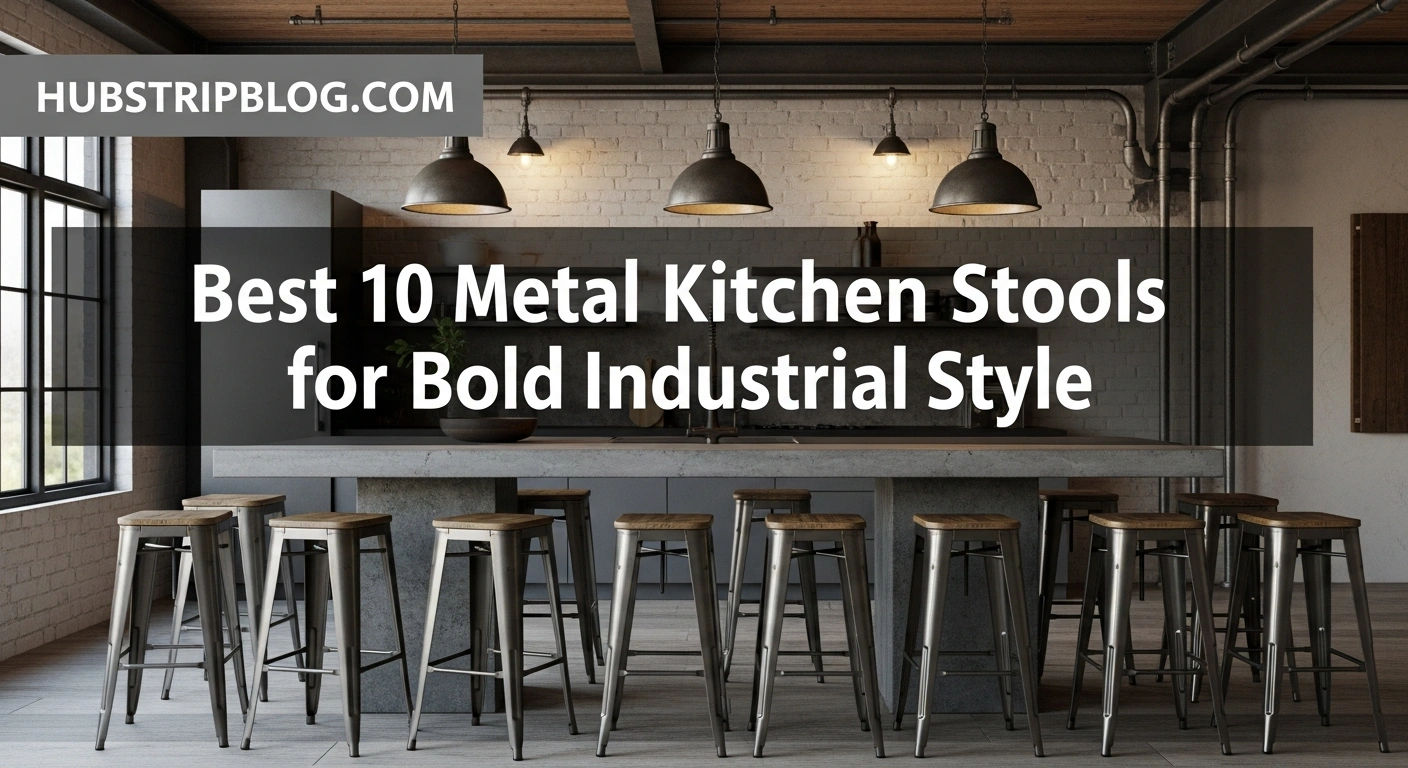
- Exposed Structural Elements: Exposed brick walls, steel beams, wooden rafters, and visible pipes are defining features.
- Open-Concept Layouts: True to its warehouse origins, the style favors large, open floor plans with high ceilings.
- Raw and Unfinished Materials: Materials are left in their natural state—weathered wood, unfinished concrete, and rustic metal.
- Neutral Color Scheme: The palette is typically masculine and moody, built on greys, blacks, browns, and whites.
- Vintage and Salvaged Objects: Furniture and decor often include salvaged factory components, vintage light fixtures, and repurposed pieces.
Color Palette and Materials
The color scheme is muted and derived from the materials themselves. Think the deep red of brick, the cool grey of concrete, the black of steel, and the warm brown of aged wood. Distressed wood, patinated metal (like steel and iron), concrete, and brick are the cornerstones of this style. Softness is introduced through leather upholstery and simple, textured rugs.
Who It’s For
Ideal for those living in lofts or converted industrial spaces, and for anyone who appreciates a raw, edgy aesthetic that is full of history and character.

5. Japandi: The Harmonious Blend of East and West
Japandi is one of the newest and most popular hybrid modern home interior design styles. As its name suggests, it’s a fusion of Japanese minimalism and Scandinavian functionality. It combines the sleek, modern lines of Scandi design with the elegant, functional simplicity of the Japanese aesthetic.
Core Philosophy
Japandi is built on shared principles from both cultures: a deep respect for craftsmanship, a love for natural materials, and an appreciation for simplicity and function. It merges the Japanese concept of “wabi-sabi”—finding beauty in imperfection—with the Scandinavian concept of “hygge.” The result is a style that is minimalist yet warm, and sophisticated yet uncluttered.
Key Characteristics
- Clean Lines and Functional Furniture: Combines the sleekness of Scandinavian furniture with the low-profile, elegant forms of Japanese pieces.
- Muted and Contrasting Colors: The bright, light palette of Scandi design is enriched with the deeper, earthier tones of the Japanese palette.
- Natural Materials and Textures: A heavy emphasis on natural materials like light and dark woods, bamboo, rattan, and paper.
- Decluttered and Intentional Spaces: True to its minimalist roots, every object has a purpose and is thoughtfully placed.
- Handmade and Imperfect Decor: Celebrates craftsmanship with items like handmade ceramics, textured textiles, and simple artwork.
Color Palette and Materials
The palette is a beautiful balance of cool and warm neutrals. It might feature Scandinavian light grey and white alongside Japanese-inspired rich earth tones, charcoal grey, and indigo blue. The mixing of woods is key: light Scandi woods (like oak) are often paired with darker Japanese woods (like walnut).
Who It’s For
Perfect for those who love the simplicity of minimalism but crave more warmth and character. It suits individuals who appreciate craftsmanship, sustainability, and a calm, Zen-like atmosphere.
6. Bohemian (Boho): Free-Spirited, Eclectic, and Personal
Bohemian, or “Boho,” design is the antithesis of minimalism. It’s a vibrant, eclectic, and free-spirited style that embraces a “more is more” philosophy. It’s about mixing colors, patterns, and textures from around the world to create a space that is deeply personal and unconventional.
Core Philosophy
The core of Boho design is self-expression. There are no strict rules. It’s about creating a comfortable, lived-in space that tells your story through a curated collection of objects, textiles, and art that you love. It draws inspiration from a nomadic, artistic lifestyle.
Key Characteristics
- Layering of Textures and Patterns: A rich mix of materials and patterns is central to the look. Think macramé, crochet, fringe, and globally-inspired prints like ikat and paisley.
- Eclectic Mix of Furniture: Furniture is often vintage, second-hand, or collected over time, with no need for a matching set. Low-level seating like floor cushions and poufs is common.
- Saturated, Earthy Colors: While there are no strict color rules, Boho palettes often feature warm, earthy tones like terracotta and brown, mixed with jewel tones like amethyst purple or sapphire blue.
- Abundance of Plants: Greenery is non-negotiable in a Boho space. Hanging plants, large potted trees, and trailing vines bring life and vibrancy.
- Global Accents: Decor includes items from travels, such as Moroccan lanterns, Persian rugs, and handmade textiles.
Color Palette and Materials
The palette is rich and diverse. It starts with a warm, neutral base and is layered with a rainbow of colors. Natural, raw materials are key: rattan, wicker, jute, wood, and cotton form the foundation, providing a canvas for the more colorful and patterned elements.
Who It’s For
Creatives, travelers, and free spirits who want a home that feels vibrant, personal, and completely unique. It’s for those who aren’t afraid of color and pattern.
7. Transitional: The Best of Both Worlds
Transitional design is a masterful blend of traditional and modern aesthetics. It creates a timeless, enduring look by pairing the comfort and elegance of traditional design with the clean lines and simplicity of modern style.
Core Philosophy
The goal of transitional design is to create a space that feels both classic and fresh, elegant yet comfortable. It avoids the ornate nature of purely traditional design and the coldness that can sometimes be associated with strict modernism, striking a perfect balance in between.
Key Characteristics
- Neutral Color Palette: Spaces are often grounded in soothing neutrals like taupe, vanilla, and grey, creating a clean and serene backdrop.
- Curved and Straight Lines: It combines the straight lines of modern furniture with the softer, more rounded silhouettes of traditional pieces.
- Minimal Accessories: Decor is kept simple and intentional. The focus is on a few impactful pieces of art or accessories rather than a collection of small items.
- Textural Play: Interest is created through a mix of textures, such as a plush velvet sofa, a metal coffee table, and a sisal rug.
Color Palette and Materials
The color palette is sophisticated and restrained, focusing on shades of grey, beige, off-white, and tan. Depth is added with dark accents like espresso brown or black. Materials are a mix of traditional and modern: wood, glass, steel, lacquer, and luxurious fabrics like suede, chenille, and leather.
Who It’s For
This style is for those who find traditional design too stuffy and modern design too stark. It appeals to people who want a home that is elegant, sophisticated, and will not go out of style.
8. Coastal / Hamptons: Relaxed, Airy, and Chic
Inspired by the beach, Coastal design aims to create a light, airy, and relaxed atmosphere reminiscent of a seaside retreat. The Hamptons style is a more luxurious and sophisticated interpretation of this, blending coastal comfort with high-end finishes.
Core Philosophy
The goal is to evoke the feeling of being by the ocean. This is achieved through a light color palette, natural materials, and an emphasis on comfort and natural light. It’s about creating a serene escape from the everyday.
Key Characteristics
- Light and Bright Color Palette: A foundation of crisp white is layered with various shades of blue and green, inspired by the sea and sky.
- Abundant Natural Light: Large windows, often left bare or with sheer curtains, are essential to create an open and airy feel.
- Natural Textures: Materials like jute, sisal, rattan, and weathered wood are used to add texture and a rustic, beachy feel.
- Comfortable, Casual Furniture: Think slipcovered sofas, wicker chairs, and simple wood furniture, often painted white.
- Nautical and Natural Decor: Accessories are subtle and inspired by the sea—shells, coral, driftwood, and marine-themed art.
Color Palette and Materials
The palette is a direct reflection of the coast: sandy beiges, crisp whites, and a spectrum of blues. Materials are light and natural. Linen and cotton textiles, light-toned woods, wicker, and jute are staples of this calming style.
Who It’s For
Perfect for anyone who loves the ocean and wants to bring a sense of peace, relaxation, and casual elegance into their home.
9. Modern Farmhouse: Rustic Charm Meets Modern Simplicity
Made wildly popular by designers like Joanna Gaines, Modern Farmhouse is a style that blends the cozy, rustic charm of traditional farmhouse design with the clean lines, neutral palette, and contemporary touches of modern design.
Core Philosophy
Modern Farmhouse is all about creating a comfortable, practical, and inviting space that feels both contemporary and full of character. It takes the nostalgia of country living and updates it for the 21st century, focusing on comfort, practicality, and a clean aesthetic.
Key Characteristics
- Neutral Color Palette: A backdrop of white, cream, and grey is common, accented with black for a modern, graphic contrast.
- Natural Wood Elements: Exposed wood beams, wide-plank wood floors, and reclaimed wood furniture add warmth and rustic texture.
- Shiplap and Paneling: Shiplap walls are a signature element, adding textural interest to the neutral walls.
- Industrial Touches: Sleek metal light fixtures, often in matte black, and industrial-style hardware provide a modern edge.
- Cozy, Comfortable Furniture: Large, comfortable sofas and practical, sturdy furniture are key to the inviting feel.
Color Palette and Materials
The style is built on a neutral color scheme. The primary materials are a mix of rustic and modern: reclaimed wood, galvanized steel, shiplap, and wrought iron are paired with smooth, modern surfaces and cozy textiles like cotton and linen.
Who It’s For
Ideal for families and individuals who want a home that feels warm, inviting, and lived-in, but with a fresh, clean, and contemporary feel.
10. Art Deco Revival: Glamour, Geometry, and Luxury
While classic Art Deco originated in the 1920s, its glamorous and bold aesthetic is experiencing a major revival in contemporary interiors. The modern interpretation is a bit more restrained but retains all the luxury, drama, and sophistication of the original.
Core Philosophy
Art Deco is a celebration of opulence, technological progress, and glamour. The modern revival focuses on bringing that sense of luxury and bold design into the home in a way that feels curated and contemporary, rather than like a stage set.
Key Characteristics
- Bold Geometric Patterns: Strong geometric shapes are fundamental, seen in wallpaper, tile floors, and furniture inlays. Sunbursts, chevrons, and stepped forms are iconic.
- Rich, Saturated Colors: The palette is deep and dramatic, featuring jewel tones like emerald green, sapphire blue, and deep burgundy.
- Luxurious Materials: Lavish materials are at the forefront—velvet, brass, chrome, lacquer, and exotic woods.
- Sleek, Symmetrical Furniture: Furniture pieces are large in scale, with streamlined silhouettes and often featuring curved edges.
- Statement Lighting: Ornate, sculptural light fixtures in brass or chrome act as the jewelry of the room.
Color Palette and Materials
The palette is unapologetically bold. Deep jewel tones are often paired with black, cream, and metallic accents (gold and silver). The materials scream luxury: polished marble, high-shine lacquer, plush velvet, and gleaming brass.
Who It’s For
For the bold and glamorous at heart. This style is perfect for those who want to make a dramatic statement and create a home that feels elegant, sophisticated, and full of personality.
How to Choose the Right Modern Style for Your Home
With so many incredible modern home interior design styles to choose from, selecting the right one can feel daunting. The key is to look inward and consider your own lifestyle, personality, and the bones of your home.

Assess Your Lifestyle and Personality
Are you a minimalist who craves order, or a maximalist who loves color and collections? Do you host large gatherings or prefer quiet nights in? Your home should support your lifestyle. A family with young children might gravitate towards the durability and comfort of Modern Farmhouse, while a city-dweller in a loft might embrace the Industrial style.
Analyze Your Existing Architecture
While you can adapt any style to any home, some styles naturally complement certain architectural features. High ceilings and large windows are a perfect canvas for Industrial or Scandinavian design. A home with classic character might be a great fit for a Transitional look. Let your home’s inherent features guide your decision.
The Art of Blending Styles
Remember, you don’t have to commit to just one style. Many of the most interesting and personal homes are a thoughtful mix of two or three complementary styles. A Scandinavian base can be warmed up with Bohemian textiles (Scandi-Boho), or a Minimalist space can be given character with a few Mid-Century Modern statement pieces. The goal is to create a space that feels uniquely you.
Conclusion: Crafting Your Personal Sanctuary
The world of modern home interior design styles is rich, diverse, and full of possibilities. From the stark simplicity of Minimalism to the glamorous opulence of Art Deco Revival, there is a style that can perfectly capture your vision and enhance your daily life. These styles are not rigid rulebooks but rather frameworks to inspire and guide you.
Ultimately, the best design for your home is one that feels authentic to you. It’s about creating a functional, comfortable, and beautiful sanctuary that reflects your personality and supports your lifestyle. By understanding the core principles of these top modern styles, you are well-equipped to begin the exciting journey of transforming your house into a place you are truly proud to call home.