The Philosophy of Minimalist Design: Beyond Bare Walls
Minimalist Design Ideas – Minimalism in interior design is often misunderstood as an aesthetic of deprivation. In reality, it is a philosophy of abundance—an abundance of space, light, and mental clarity. It’s about making conscious choices to live with less, but to make that “less” incredibly meaningful and beautiful. The core philosophy behind all successful minimalist home interior design ideas is intentionality.
Every single item in a minimalist home has a purpose. It either serves a functional role or brings you genuine joy. There is no room for “filler” decor, impulse buys, or objects kept out of obligation. This deliberate curation process forces you to evaluate what is truly important, extending beyond your possessions into other areas of your life. The goal is to create a visual silence that allows your mind to rest and recharge, free from the overstimulation of a cluttered environment.

The Core Principles of Minimalist Aesthetics
Before diving into specific ideas, it’s essential to understand the foundational pillars upon which minimalist design is built. These principles work in harmony to create the signature serene and sophisticated look. They are the grammar of the minimalist language, allowing for personal expression within a structured framework.
The Power of a Neutral Color Palette
Color is one of the most powerful tools in interior design, capable of instantly setting a mood. Minimalism harnesses this power by leaning heavily on a neutral color palette. This doesn’t mean your home has to be entirely white. It’s about creating a cohesive and calming backdrop with shades of white, beige, light gray, taupe, and other soft, earthy tones.
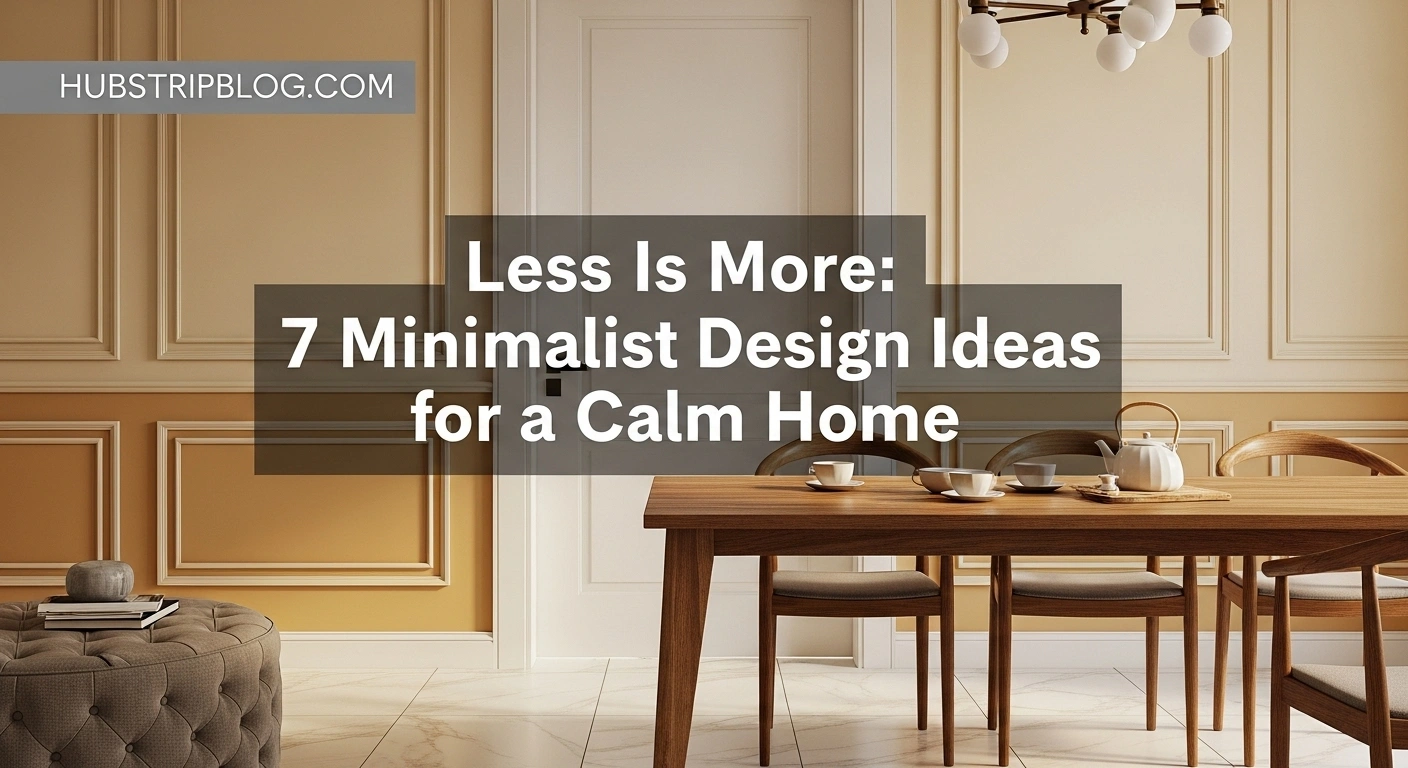
A neutral base makes a room feel larger, brighter, and more open. It reflects natural light beautifully, enhancing the sense of space. Interest and warmth are introduced not through loud colors, but through subtle variations in tone and, most importantly, through texture. A wall painted in a warm greige can feel entirely different from a cool, crisp white, yet both serve the minimalist goal of creating a peaceful canvas.
Emphasis on Natural Light and Open Space
In minimalist design, light is not just for illumination; it is a design element in itself. The goal is to maximize the flow of natural light throughout the space. This means forgoing heavy, ornate drapery in favor of sheer, lightweight curtains, simple blinds, or even bare windows if privacy allows.
Unobstructed windows connect the interior with the outdoors, blurring the lines and creating a sense of expansiveness. This connection is further enhanced by creating an open floor plan where possible, or at least a clear line of sight from one room to another. Removing non-essential walls or even just arranging furniture to create clear pathways can dramatically improve the flow and feeling of a home.
Quality Over Quantity: Investing in Key Pieces
The minimalist mantra of “less is more” is perfectly embodied in the principle of quality over quantity. This is perhaps the most sustainable and rewarding aspect of the philosophy. Instead of filling a room with cheap, disposable furniture, the focus shifts to investing in a few key pieces that are built to last, timeless in design, and perfectly functional.
A single, beautifully crafted sofa is worth more than a collection of mismatched, temporary seating. A solid wood dining table becomes a family heirloom rather than a placeholder. This approach not only results in a more cohesive and elegant space but also promotes a more conscious form of consumerism. Cherishing fewer, better things is a cornerstone of refined and mature minimalist home interior design ideas.
7 Minimalist Design Ideas for a Calm Home
With the foundational principles in mind, we can now explore specific, actionable ideas to transform your home into a minimalist sanctuary. Each of these concepts can be adapted to your personal style and the unique architecture of your space, proving that minimalism is a flexible and deeply personal journey.
1. The Art of Strategic Decluttering
Before any design element can be introduced, the canvas must be cleared. Decluttering is the non-negotiable first step in any minimalist transformation. It is more than just tidying up; it is a process of conscious elimination, of asking yourself what you truly need, use, and love.
Start room by room, or even category by category, using a method like Marie Kondo’s “KonMari,” which encourages you to keep only those items that “spark joy.” Be ruthless with items that are broken, unused, or kept out of a sense of guilt. The physical act of letting go of excess possessions is incredibly liberating and creates the literal and metaphorical space needed for a calmer life.
The ‘One In, One Out’ Rule
Maintaining a clutter-free space is an ongoing practice, not a one-time fix. To prevent clutter from creeping back in, adopt the ‘one in, one out’ rule. For every new item you bring into your home—be it a piece of clothing, a book, or a kitchen gadget—an old item must leave. This simple habit forces you to be a more mindful consumer and maintains the equilibrium you worked so hard to achieve.
Creating Smart Storage Solutions
Minimalism does not mean you have to live without possessions. It simply means that your possessions should not be on constant display. Smart storage is the minimalist’s best friend. The goal is to have a designated, hidden place for everything, so that surfaces can remain clear and uncluttered.
Invest in furniture with built-in storage, such as an ottoman with a hidden compartment, a bed with drawers underneath, or a sleek, floor-to-ceiling cabinet that blends seamlessly with the wall. By concealing the necessary clutter of daily life, you preserve the visual tranquility of the space. This is a crucial practical element within the broader spectrum of minimalist home interior design ideas.
2. Mastering the Monochromatic and Tonal Palette
Building on the principle of a neutral base, a sophisticated minimalist approach involves mastering monochromatic or tonal color schemes. This technique creates a serene and cohesive look that is visually restful.
A monochromatic scheme uses different tints, shades, and tones of a single color. For example, a living room could be decorated in various shades of gray, from a pale, misty gray on the walls to a deep charcoal on the sofa, with medium gray accent pillows. This creates incredible depth and sophistication without overwhelming the senses.
A tonal scheme uses a selection of different colors that all share a similar level of lightness or saturation. Think of a palette of soft, muted pastels or a collection of deep, moody jewel tones. The key is that no single color shouts for attention, allowing them to blend together in a harmonious composition.
3. Embracing Texture for Warmth and Depth
One of the most common critiques of minimalist design is that it can feel cold or sterile. The antidote to this is texture. In a space with a limited color palette, texture does the heavy lifting, adding warmth, depth, and tactile interest. It is what makes a minimalist room feel inviting and livable.
Think about how different materials feel to the touch and how they interact with light. The rough-hewn surface of a wooden coffee table, the soft plushness of a wool rug underfoot, the cool smoothness of a marble countertop, and the nubby weave of a linen throw pillow all contribute to a rich sensory experience.
Natural Materials
Prioritizing natural materials is a hallmark of high-end minimalist design. They bring an organic, grounding quality to a space, connecting us to the natural world. Incorporate elements like:
- Wood: In flooring, furniture, or decorative objects. Finishes can range from light, Scandinavian-style ash or birch to richer, warmer walnut.
- Stone: Marble, travertine, or slate can be used for countertops, flooring, or accent tables, adding an element of timeless, earthy elegance.
- Natural Fibers: Cotton, linen, wool, and jute are perfect for textiles, from curtains and bedding to rugs and upholstery.
Layering Textiles
Just as you layer clothing for warmth and style, you can layer textiles in a room to create a cozy and inviting atmosphere. Place a soft sheepskin throw over a sleek leather chair. Arrange a few cushions with different weaves—perhaps a chunky knit and a smooth velvet—on a simple linen sofa. A woven jute rug layered with a smaller, softer wool rug can define a seating area and add immense textural appeal. This careful layering is a nuanced skill that elevates simple minimalist home interior design ideas into something truly special.

4. Furniture as Functional Sculpture
In a minimalist home, where every item is carefully chosen, furniture transcends its purely functional role. Each piece should be considered a work of functional sculpture. It must not only serve its purpose flawlessly but also possess a beautiful form and clean lines that contribute to the overall aesthetic.
Look for furniture with simple, geometric shapes and an absence of fussy ornamentation. The focus should be on the material, the craftsmanship, and the silhouette. A chair is not just a place to sit; it is an object that occupies space, and its form should be pleasing to the eye from every angle. Think of iconic pieces like the Eames Lounge Chair or Isamu Noguchi’s coffee table—they are celebrated for an elegance that lies in their perfect fusion of form and function.
When arranging furniture, give each piece room to breathe. Crowding furniture together creates visual chaos. By leaving ample space around your key pieces, you highlight their design and allow them to make a statement, much like a sculpture in a gallery.
5. Intentional Decor: Every Object Tells a Story
Minimalism is not about a complete lack of decoration. It is about intentional decoration. Instead of filling shelves and walls with an assortment of small, disconnected trinkets, a minimalist approach favors a few significant items that have personal meaning or strong artistic merit.
Resist the urge to create a cluttered “gallery wall” of small frames. Instead, invest in one large, impactful piece of art that can serve as the focal point for an entire room. This not only makes a stronger statement but also creates a more serene and focused visual experience. The empty wall space around the artwork becomes just as important as the art itself.
The same principle applies to decorative objects. A single, beautifully shaped ceramic vase on a console table is more powerful than a dozen smaller items. Choose objects that tell a story—a piece of pottery from your travels, a sculpture by a local artist you admire, or a hand-carved wooden bowl that is a family heirloom. These pieces infuse the space with personality and soul, proving that minimalist home interior design ideas can be deeply personal and warm.
6. Harnessing the Power of Negative Space
In art and design, negative space—the empty space around and between objects—is a critical compositional element. In minimalist interiors, it is the silent hero. It is the visual pause, the breathing room that gives our eyes a place to rest and prevents a space from feeling overwhelming.
Many people have an instinct to fill every empty corner and cover every blank wall. Minimalism challenges this instinct, asking us to appreciate the beauty of emptiness. By strategically leaving areas open, you create a sense of balance and calm.
Negative space also serves to highlight the objects you have chosen to display. A single, elegant floor lamp standing alone in a corner becomes a sculptural statement precisely because of the empty space surrounding it. A beautifully designed sofa is better appreciated when it isn’t crammed against other furniture. Learning to see and use negative space is a key step in mastering the art of minimalist composition.
7. Integrating Biophilic Design Elements
Biophilic design is a concept based on the idea that humans have an innate tendency to seek connections with nature. Integrating natural elements into our indoor environments has been shown to reduce stress, improve cognitive function, and enhance creativity and well-being. This philosophy aligns perfectly with the minimalist goal of creating a calm and restorative home.
The easiest way to introduce biophilic design is with houseplants. A few well-placed plants can bring life, color, and organic form into a minimalist space. Choose plants with interesting sculptural shapes, such as a Fiddle Leaf Fig, a Snake Plant, or a Monstera. Ensure their pots are simple, made of natural materials like terracotta or ceramic, to align with the overall aesthetic.
Beyond plants, biophilic design can be incorporated by maximizing views of the outdoors, using natural materials like wood and stone, and choosing artwork that depicts natural landscapes. This connection to the natural world provides a grounding, calming influence that perfectly complements the principles of minimalism.

Maintaining Your Minimalist Sanctuary
Creating a minimalist home is a meaningful accomplishment—a declaration of clarity in a world that constantly demands more. But sustaining that serenity is an ongoing discipline. The true challenge begins once the renovation is complete and daily life resumes. The forces of consumer culture, sentimentality, and simple habit will continually conspire to reintroduce clutter into your sanctuary. Maintaining minimalism, therefore, is less about restriction and more about cultivating awareness and intentionality.
Be a conscious curator, not a collector. Before making any new purchase, pause and ask yourself: Does this add genuine value? Does it have a purpose—or a place? Does it harmonize with the aesthetic and emotional atmosphere of my home? This mindful pause creates distance between desire and decision. By choosing only what serves your space and your spirit, you preserve the quiet balance that minimalism promises.
Practice gentle daily restoration. Spend ten to fifteen minutes each evening returning objects to their rightful places—folding a blanket, wiping down a counter, or clearing a surface. This simple ritual transforms maintenance into mindfulness. It’s not about perfection; it’s about closure. Ending the day with a visually calm environment helps reset your mind and ensures you awaken to order, not chaos.
Honor the rhythm of renewal. Once or twice a year, reassess your belongings with fresh eyes. What was once meaningful may now feel like noise. Letting go is not loss—it’s an act of refinement. A minimalist home is not a static stage set; it’s a living organism that should grow and breathe with you. As your needs evolve, so too should your surroundings.
When practiced consistently, these habits don’t just preserve the beauty of your minimalist home—they protect your peace of mind, transforming your living space into a sanctuary that reflects who you are and how intentionally you choose to live.
Conclusion
The journey towards a minimalist home is more than an interior design project; it is an exercise in mindfulness and intentional living. By embracing the ethos of “Less is More,” you are consciously choosing calm over chaos, quality over quantity, and purpose over possession. The seven minimalist home interior design ideas outlined here—from strategic decluttering and mastering a neutral palette to appreciating functional sculpture and negative space—are not rigid rules but flexible guidelines to help you create a space that is a true reflection of your desire for a more peaceful life.
Ultimately, a minimalist home is your personal sanctuary, a space meticulously curated to support your well-being and clear your mind. It stands as a quiet rebellion against the noise of the outside world, proving that in simplicity, we can find the greatest elegance and the most profound sense of peace.