The Unmistakable DNA of Industrial Design
Industrial Design Styles – Before diving into its many variations, it’s essential to understand the core principles that form the foundation of the industrial look. These elements are the common threads that weave through all its sub-styles, providing the signature urban edge. At its heart, this aesthetic is about stripping away the superfluous and celebrating the skeleton of a space.
The philosophy is rooted in functionality. Every element serves a purpose or proudly displays its history of use. It’s an approach that values authenticity over ornamentation, creating an environment that feels both grounded and expansive. Understanding these fundamentals is the key to successfully adapting any of the diverse industrial home interior design themes to your own space.

Raw and Exposed Materials
The most defining feature of industrial design is its honest use of materials. Surfaces are often left in their raw, natural state. Think of the gritty texture of an exposed brick wall, the cool, smooth surface of a poured concrete floor, and the unpolished grain of reclaimed wood. These materials tell a story of construction and time.
Structural Honesty
Rather than concealing the inner workings of a building, industrial design puts them on full display. Exposed ductwork, electrical conduits, plumbing pipes, and structural steel or wooden beams are not hidden but celebrated as architectural features. This transparency adds visual complexity and a sense of raw, mechanical beauty.
An Open-Concept Philosophy
Originating from vast factory floors and lofts, industrial design thrives in open-concept layouts. The absence of traditional dividing walls creates a sense of spaciousness and freedom. Furniture is often used to delineate different functional zones, such as living, dining, and kitchen areas, within one large, cohesive space.
A Neutral and Muted Color Palette
The color scheme is typically drawn from the materials themselves. A base of neutral tones like gray, black, white, and brown dominates. This creates a calm, sophisticated backdrop that allows the textures of the materials and the forms of the furniture to take center stage. Pops of color are used sparingly, often through art, textiles, or a single statement piece.
Urban Edge: 8 Industrial Design Styles That Exude Character
While the core principles provide a strong foundation, the true magic happens in the interpretation. The industrial aesthetic is not monolithic; it’s a wonderfully flexible framework that can be blended with other styles to create unique, personalized spaces. Exploring these different industrial home interior design themes allows you to tailor the look to your specific taste and lifestyle.
From the warm and cozy to the sleek and modern, these eight variations showcase the incredible range of this enduring style. Each one maintains the signature urban edge while introducing new textures, forms, and philosophies to the mix.
1. The Raw and Authentic: Classic Industrial
This is the quintessential industrial style, the one that comes to mind when you picture a New York City loft. It’s unapologetically raw, gritty, and true to its factory-floor origins. The Classic Industrial theme is about minimal intervention, preserving and highlighting the original character of the space as much as possible.
Key Characteristics
The look is defined by vast, open spaces with high ceilings and large, often unadorned, crittall-style windows that flood the interior with natural light. Materials are the star: weathered brick walls, cracked concrete floors, and visible steel support beams are non-negotiable elements. The color palette is strictly neutral and monochromatic, dominated by shades of gray and the natural tones of brick and wood.
Achieving the Look
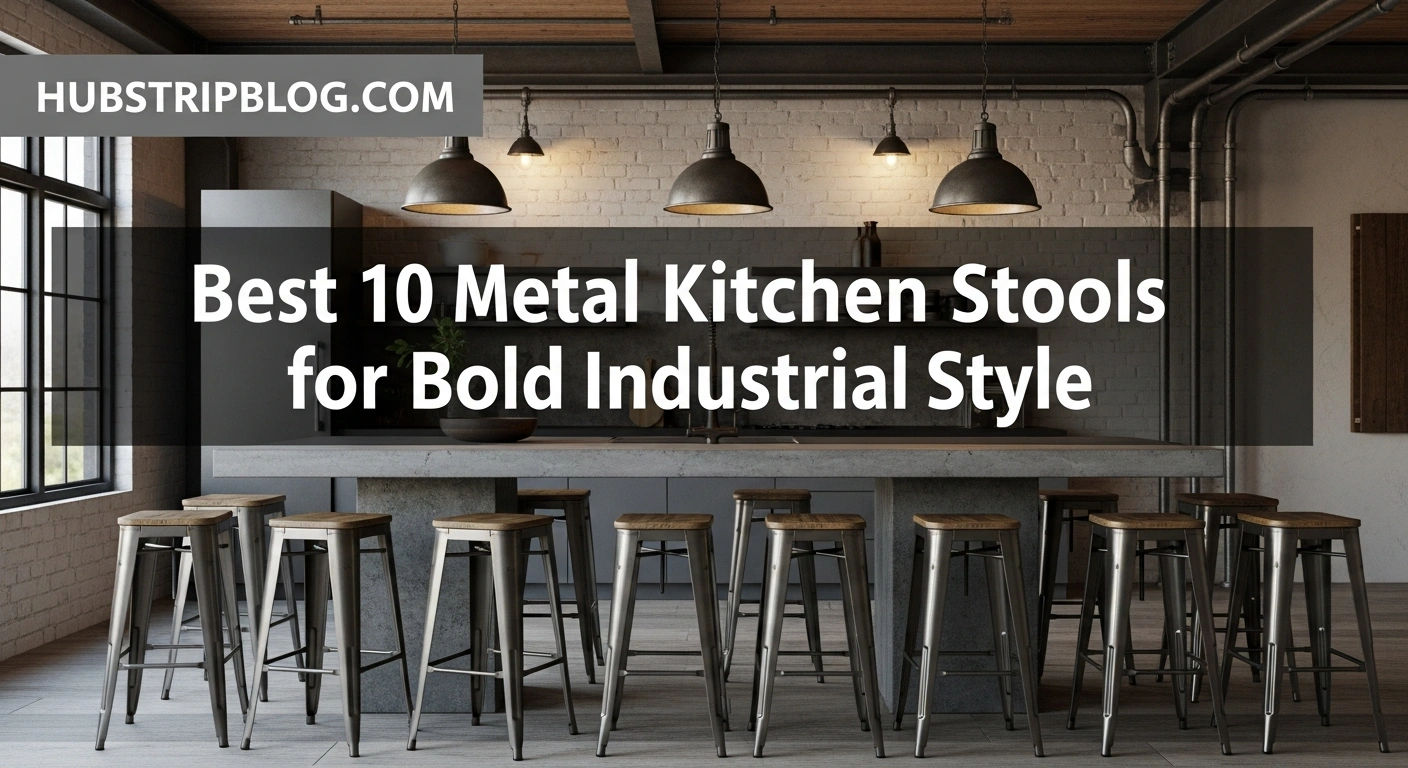
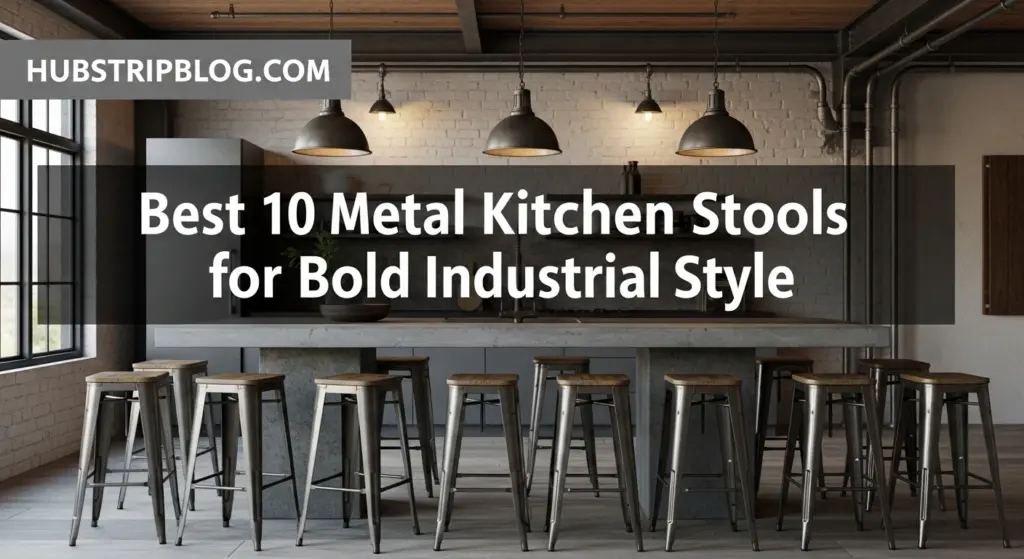
Furniture in this style is functional and robust, often featuring distressed leather, raw metal frames, and unpolished wood. Think of a large, comfortable Chesterfield sofa, a coffee table made from an old factory cart, and metal bar stools tucked under a concrete kitchen island. Lighting is key, with bare Edison bulbs, metal cage pendants, and large factory-style dome lights hanging from exposed conduit. The goal is to create a space that feels lived-in, authentic, and connected to its history.
2. The Clean and Cozy: Scandinavian Industrial (Scandustrial)
One of the most popular hybrid industrial home interior design themes is the “Scandustrial” look. This style marries the raw, edgy elements of industrial design with the warmth, minimalism, and light-filled simplicity of Scandinavian principles. It’s the perfect balance between urban grit and cozy comfort.
Key Characteristics
Scandustrial design softens the traditional industrial edge. While you’ll still find exposed brick or concrete, they are often painted white to brighten the space and create a cleaner backdrop. The emphasis shifts to natural light, simplicity, and a sense of calm. The color palette incorporates the classic industrial neutrals but adds softer tones like light grays, whites, and natural wood finishes.
Achieving the Look
The key is to balance textures. Pair a cool concrete floor with a warm, plush area rug. Juxtapose a black metal-framed coffee table with a soft, light-colored fabric sofa. Introduce plenty of light-toned wood, like pine or birch, through furniture, flooring, or shelving. Incorporate cozy textiles like wool throws and linen cushions. Add touches of nature with an abundance of indoor plants to bring life and color into the space. The result is an industrial home that feels inviting, airy, and effortlessly stylish.
3. The Warm and Weathered: Rustic Industrial
Rustic Industrial design pulls inspiration from old farmhouses and country barns, blending it seamlessly with the urban factory aesthetic. This theme celebrates the beauty of aged, weathered materials and handcrafted quality, creating a space that feels both robust and incredibly welcoming. It’s a style with a story to tell.
Key Characteristics
This look is all about texture and warmth. The star material is reclaimed and weathered wood, often with visible knots, saw marks, and imperfections. This is paired with dark metals like wrought iron or aged steel. While exposed brick is common, the overall feel is less about the cityscape and more about a historic countryside workshop.

Achieving the Look
Choose furniture that feels solid and time-worn. A large, reclaimed wood dining table with a cast-iron base is a perfect centerpiece. Look for pieces with a handmade feel. Incorporate natural textiles like leather, burlap, and canvas. The color palette leans warmer, with deep browns, warm grays, and touches of forest green or navy. Lighting often includes pulley-system pendants and fixtures made from repurposed materials like mason jars or metal pipes. The final space should feel grounded, historic, and deeply comfortable.
4. The Sleek and Sophisticated: Modern Industrial
For those who love clean lines and a minimalist approach, the Modern Industrial theme offers a refined take on the urban aesthetic. It strips back the grit and clutter, focusing on form, shape, and the interplay between smooth, modern finishes and raw industrial textures. It’s sharp, intentional, and highly sophisticated.
Key Characteristics
This style emphasizes a clean, uncluttered look. Open spaces are paramount, but the focus is on creating a sense of order and precision. The color palette is typically more controlled and monochromatic, with heavy use of black, white, and various shades of gray. While you might have a feature wall of exposed brick or a polished concrete floor, the other surfaces are often smooth and refined.
Achieving the Look
Furniture is key to a Modern Industrial space. Opt for pieces with sleek silhouettes, minimalist forms, and a clear geometric quality. Think of a low-profile sofa with clean lines, a monolithic concrete coffee table, and streamlined, handleless kitchen cabinetry. Metal finishes are often matte black or polished stainless steel rather than rusted or aged. Lighting is sculptural and deliberate, such as track lighting or minimalist pendant fixtures. The goal is a highly curated space that feels both powerful and serene.
5. The Free-Spirited and Eclectic: Bohemian Industrial
Bohemian Industrial is a vibrant, personality-packed fusion that proves industrial spaces don’t have to be stark or neutral. This theme injects the free-spirited, eclectic, and well-traveled vibe of Boho design into the raw, structural shell of an industrial interior. It’s a celebration of individuality.
Key Characteristics
This look is defined by its layered, collected-over-time feel. The industrial backdrop of brick and concrete becomes a canvas for a rich tapestry of textures, patterns, and colors. The strict rules of other styles are thrown out in favor of personal expression. It’s about mixing and matching with confidence.
Achieving the Look
Soften the hard industrial surfaces with an abundance of textiles. Layer Persian or Moroccan rugs, pile cushions and throws with different patterns (like Kilim and macramé) on a leather sofa, and hang large-scale textile art. Populate the space with a diverse collection of furniture from different eras and styles. Introduce a jungle of houseplants in various pots to add life and organic shape. The lighting can be eclectic, mixing industrial metal pendants with beaded chandeliers or paper lanterns. The resulting space is warm, inviting, and a true reflection of its owner’s story.
6. The Fantastical and Mechanical: Steampunk Industrial
Steampunk Industrial is one of the more niche but visually stunning industrial home interior design themes. It draws inspiration from 19th-century industrial steam-powered machinery and Victorian-era science fiction. It’s a theatrical and imaginative style that turns a home into a work of art.
Key Characteristics
This theme is all about celebrating the mechanics of the industrial age. Think gears, cogs, gauges, and copper piping. The color palette is rich and warm, dominated by copper, brass, bronze, and dark wood tones. Leather, often in dark button-tufted styles, is a key material. The overall atmosphere is one of a Victorian inventor’s workshop or the inside of a fantastical machine.
Achieving the Look
Lighting is a major component. Look for fixtures made from exposed pipes, complete with pressure gauges and valve handles, and use antique-style Edison filament bulbs to cast a warm glow. Furniture often has intricate mechanical details and is made from dark, polished wood and ornate metal. Decorate with vintage maps, old scientific illustrations, globes, and curiosities. While it can be a full-blown theme, you can also incorporate Steampunk elements more subtly through unique light fixtures, clocks, or decorative objects to add a touch of mechanical fantasy to a classic industrial space.
7. The Polished and Upscale: Refined Industrial
Refined Industrial, sometimes called “Industrial Chic,” takes the raw elements of the style and gives them a polished, luxurious finish. This theme is for those who love the industrial concept but prefer a more elegant and comfortable execution. It’s less about the factory and more about the upscale urban penthouse.
Key Characteristics
This style is about elevating the core industrial materials. Concrete floors are polished to a high sheen, brick walls might be carefully restored and sealed, and metal finishes are more likely to be brushed brass or sleek chrome than rusted steel. The open-plan layout is retained, but the space feels more intentional and less “found.”
Achieving the Look
Invest in high-quality, comfortable furniture with a sophisticated profile. Think plush velvet sofas, marble-topped coffee tables with delicate metal legs, and designer lighting fixtures. While the architectural shell is industrial, the furnishings and finishes are luxurious. The key is the contrast: the softness of a velvet couch against a rough brick wall, the gleam of a brass lamp against a concrete column. This juxtaposition creates a dynamic and visually interesting space that feels both edgy and opulent.
8. The Breezy and Bright: Coastal Industrial
An unexpected but delightful pairing, Coastal Industrial blends the light, airy, and natural feel of a beach house with the structural bones of an urban loft. This theme swaps the dark, moody atmosphere of classic industrial for a breezy, relaxed vibe. It proves that industrial home interior design themes can be surprisingly bright and serene.
Key Characteristics
The core of this style is a lightened color palette. Exposed brick is often whitewashed, and the dominant colors are white, sandy beige, and soft shades of blue and green. Natural materials are essential, with a focus on light-toned woods (like bleached oak), rattan, jute, and linen, which soften the hard industrial elements.
Achieving the Look
Pair a rustic wooden dining table with sleek metal chairs. Lay a large jute rug over a polished concrete floor. Use light, breezy linen curtains on large industrial windows. The furniture should feel relaxed and comfortable. Decorate with subtle coastal nods like driftwood, art depicting seascapes, or blue-and-white patterned textiles. The metal elements common in industrial design, like pendant lights or shelving, can be finished in a brushed nickel or even a soft white to maintain the airy feel. The result is a unique, relaxed space that feels like a seaside retreat in the heart of the city.
Key Elements to Master Your Industrial Interior
Regardless of which specific theme you gravitate towards, there are common building blocks that need to be expertly handled to create a successful industrial interior. Mastering these elements will ensure your space feels cohesive, functional, and stylish.
Materiality and Texture: The Soul of the Style
The heart of any industrial design is its honest and tactile material palette. The interplay of different textures is what creates depth, character, and visual interest.
Exposed Brick and Concrete
These are the quintessential surfaces of industrial design. An exposed brick wall provides immediate warmth, color, and a grid-like texture. Concrete can be used for floors, countertops, or feature walls, offering a cool, minimalist, and incredibly durable surface. Don’t be afraid of imperfections; they add to the authenticity.
Metal Accents: From Steel to Copper
Metal is the connective tissue of the industrial look. Blackened steel or iron is a classic choice for window frames, furniture legs, and shelving. Stainless steel adds a more modern, commercial kitchen vibe. For a warmer, more sophisticated or Steampunk touch, introduce copper or brass through lighting, faucets, or decorative objects.
Reclaimed Wood’s Warmth
To prevent an industrial space from feeling cold or sterile, the warmth of wood is essential. Reclaimed wood, sourced from old barns or factories, is ideal as it comes with a built-in history and patina. Use it for flooring, tabletops, open shelving, or even a feature wall to balance the cooler tones of metal and concrete.
Lighting: The Functional Showpiece
In a style that celebrates function, lighting is more than just illumination; it’s a primary design feature. The fixtures themselves are often mechanical and sculptural.
- Pendant Lights: Large metal dome pendants, often seen in factories or warehouses, are perfect over a kitchen island or dining table.
- Edison Bulbs: The warm glow and visible filament of Edison-style bulbs are a hallmark of the style. Use them in clusters, as single bare bulbs, or within simple cage fixtures.
- Track Lighting: Highly functional and versatile, track lighting is a practical choice that aligns with the utilitarian ethos of the design, allowing you to direct light exactly where it’s needed.

Furniture: Form Meets Function
Furniture in an industrial space should feel purposeful and well-built. It often combines materials like wood and metal and prioritizes durability and simple, strong lines.
- Seating: Look for sofas and armchairs with simple forms, often upholstered in durable materials like leather or hard-wearing canvas. A classic leather Chesterfield sofa is a timeless choice.
- Tables: Coffee tables and dining tables often feature a thick wooden top on a sturdy metal base. Pieces repurposed from industrial settings, like a workbench or a factory cart, add immense character.
- Storage: Open shelving is a popular choice, using metal pipes or brackets and wooden planks. Think of metal lockers, apothecary cabinets, or wire baskets for an authentic storage solution.
Avoiding Common Pitfalls in Industrial Design
While stunning when done right, industrial design can be tricky to execute. A few common missteps can leave a space feeling cold, unwelcoming, or a bit like a cliché.
A primary risk is creating a space that feels too cold or sterile. With so many hard surfaces like concrete and metal, it’s crucial to intentionally introduce softness and warmth. Use area rugs, comfortable textiles, wood, and plenty of plants to balance the hardscape.
Another challenge is scale and proportion, especially in large, open-plan lofts. Furniture that looks normal in a regular-sized room can feel lost and tiny in a vast space. Choose pieces with substantial scale and use large rugs to anchor different living zones and prevent them from feeling like they are floating.
Finally, avoid the “theme park” effect. It’s easy to go overboard and create a caricature of an industrial space. The best industrial home interior design themes feel authentic and personal. Don’t be afraid to mix in pieces that you love, even if they aren’t strictly “industrial.” A home should reflect you, not just a design style.
Conclusion: Crafting Your Personal Urban Sanctuary
The industrial aesthetic is far more than just exposed brick and Edison bulbs. It is a rich and adaptable design language that celebrates history, function, and the beauty of raw materials. Its enduring appeal lies in its honesty and its ability to serve as a powerful backdrop for personal expression.
By understanding the core principles and exploring the spectrum of industrial home interior design themes—from the cozy warmth of Scandustrial to the polished elegance of Industrial Chic—you can move beyond the stereotype. The true goal is to find the perfect blend of urban edge and personal comfort. Use these styles as a guide, mix and match elements, and don’t be afraid to experiment. In doing so, you can craft an industrial-inspired home that not only exudes character but is a true and authentic reflection of you.