Understanding the New Nordic Soul
Scandinavian Interior Design Trends – Before diving into the specific trends, it’s crucial to understand the philosophical shift occurring within Scandinavian design. The clean lines and uncluttered spaces remain, but they are now infused with a greater sense of warmth and individuality. The aesthetic is becoming softer, more organic, and more attuned to the nuances of modern life.
This evolution is a direct response to a global desire for homes that serve as true havens. The emphasis is on creating environments that support mental and physical well-being. The scandinavian home interior design trends for 2025 are a testament to this, proving that minimalism can be cozy, simplicity can be soulful, and functionality can be beautiful.

The Evolving Philosophies: Hygge and Lagom Reimagined
At the heart of Scandinavian living are the concepts of hygge and lagom. These philosophies are more relevant than ever, but they too are being reinterpreted for a contemporary audience. They provide the foundational ‘why’ behind the emerging ‘what’ of the design trends.
From Cozy Comfort to Holistic Well-being (Hygge 2.0)
For years, hygge was globally understood as the art of coziness—think candles, chunky knit blankets, and a warm cup of tea. While these elements are still cherished, the 2025 interpretation of hygge expands into a more holistic concept of well-being. It’s about creating an atmosphere that promotes mindfulness and contentment in every aspect.
This new hygge is about the quality of light, the feel of natural materials underfoot, and the sense of calm that comes from a thoughtfully organized space. It’s about designing a home that actively reduces stress and fosters connection, whether it’s a comfortable nook for reading or a kitchen designed for shared meals.
The Art of ‘Just Right’ in a Modern World (Lagom’s Relevance)
Lagom, the Swedish principle of “not too much, not too little,” is the perfect antidote to the modern culture of excess. This philosophy of moderation and balance is a driving force behind the growing emphasis on sustainability and mindful consumption in Scandinavian design.
In 2025, lagom translates to investing in fewer, better things. It’s about choosing pieces with timeless appeal and superior craftsmanship that will last a lifetime, rather than chasing short-lived trends. This principle encourages a curated home where every object has a purpose and a story, contributing to a sense of balanced, intentional living.
Integrating Nature: The Biophilic Heartbeat
The profound Nordic respect for nature has always been a cornerstone of its design. Now, this connection is being amplified through the principles of biophilic design—the practice of connecting people and nature within our built environments.
This goes beyond simply adding a few houseplants. It involves maximizing natural light, using organic materials and patterns, and creating a seamless flow between indoor and outdoor spaces. The goal is to craft interiors that feel alive, restorative, and deeply rooted in the natural world, reflecting a core element of the scandinavian home interior design trends.
Top 6 Scandinavian Home Interior Design Trends for 2025
With this evolved philosophy in mind, we can explore the six key trends that are set to define Scandinavian interiors in the coming year. These trends are interconnected, each contributing to a home that is at once modern, timeless, comfortable, and conscious.
1. Reimagined Neutrality: Earth Tones and Muted Hues
The era of the all-white Scandinavian interior is gracefully making way for a richer, more complex color palette. While brightness and light remain paramount, the new neutrals are warmer, more grounded, and drawn directly from the natural landscape.
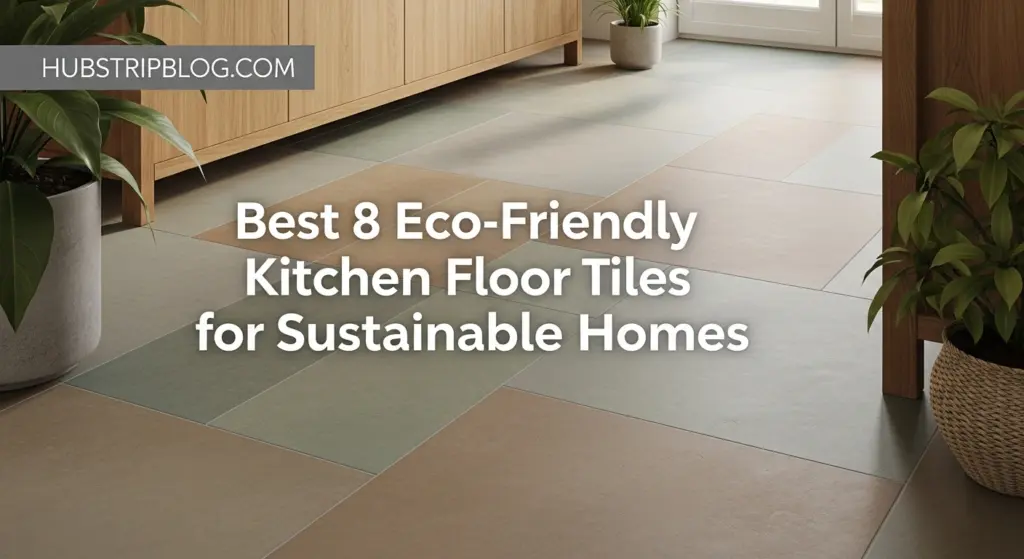
Think of the soft beige of a sandy shore, the gentle gray-green of lichen on stone, or the warm terracotta of aged clay. These earthy tones create a soothing and inviting atmosphere that feels both sophisticated and deeply comforting. They provide a perfect backdrop for natural materials and allow for a more layered and nuanced design.
Moving Beyond Stark White
The shift is away from crisp, cool whites towards creamier, more complex off-whites, beiges, and greiges (a mix of grey and beige). These warmer hues prevent spaces from feeling sterile and add a subtle depth. They pair beautifully with both light and dark woods, enhancing the natural grain and texture of the materials.
Deep, muted colors are also making a significant appearance, used strategically as accent walls or on cabinetry. Think dusty blues, sage greens, and even rich, earthy browns. These colors add a touch of drama and intimacy without overwhelming the serene Scandi aesthetic. The key is their muted, desaturated quality, which keeps them feeling calm and natural.
The Role of Strategic Color Pops
While the overall palette is neutral, 2025 sees the return of subtle, considered pops of color. These are not bright, primary colors, but rather sophisticated, warm accents. A piece of upholstery in a burnt orange, a cushion in a deep mustard yellow, or artwork featuring a rich burgundy can add a layer of personality and visual interest.
This approach aligns with the lagom principle—just enough color to make an impact without disrupting the overall harmony. It’s a confident evolution that shows how the scandinavian home interior design trends are maturing, embracing a more expressive yet equally balanced approach to color.
2. Textural Depth: Celebrating Natural and Imperfect Materials
If color is the new language of warmth, texture is its soul. In 2025, Scandinavian design is placing a huge emphasis on tactile surfaces that engage the senses and add a layer of richness to minimalist spaces. The focus is on natural, honest materials that tell a story.
This trend is about creating a sensory experience. It’s the feeling of raw linen, the roughness of a plaster wall, the smoothness of tumbled stone, and the warmth of unfinished wood. By layering these different textures, designers create spaces that feel dynamic and inviting, encouraging you to touch and connect with your surroundings.
Wood, Wool, and Beyond
Wood remains the quintessential Scandinavian material, but the trend is moving towards variety. While light woods like ash and pale oak are still popular, darker, richer tones like smoked oak and walnut are being introduced to add contrast and a sense of grounding. Unfinished or lightly oiled finishes that celebrate the wood’s natural grain and imperfections are preferred over highly polished surfaces.
Alongside wood, textiles play a crucial role. Bouclé, with its looped, fleecy texture, continues to dominate upholstery for sofas and armchairs, adding instant softness and a sculptural quality. Heavy wools, chunky knits, and soft linens are layered through throws, cushions, and curtains to create a cocooning effect. These natural fibers add visual weight and undeniable comfort.
Tactile Surfaces and Finishes
The celebration of texture extends to walls and surfaces. Limewash or textured plaster finishes are gaining popularity over flat paint, providing a subtle, cloud-like movement and a chalky, matte finish that beautifully diffuses light. This nod to traditional craftsmanship adds a layer of authenticity and history to a modern space.
In kitchens and bathrooms, materials like travertine, quartzite, and zellige tiles are chosen for their natural variations and tactile qualities. The beauty lies in their imperfection—the subtle changes in color and texture that make each piece unique. This embraces the Japanese philosophy of wabi-sabi, the appreciation of beauty in imperfection, which is becoming increasingly intertwined with modern Scandinavian design.

3. Fluid Forms and Organic Silhouettes
The straight, clean lines traditionally associated with Scandinavian modernism are being softened. The latest scandinavian home interior design trends favor organic shapes, curved lines, and fluid silhouettes that mimic the forms found in nature.
This shift creates a more relaxed and welcoming environment. Curves introduce a sense of movement and grace, breaking up the rigidity of a room and encouraging a more natural flow. From furniture to architectural details, these softer shapes contribute to a feeling of ease and comfort.
The Curved Sofa Revolution
The most prominent example of this trend is the rise of the curved sofa. These sculptural, often modular, pieces serve as the centerpiece of a living room, promoting conversation and creating a cozy, enveloping feel. Their rounded forms feel less formal and more inviting than their linear counterparts.
This trend extends to other furniture as well. Dining tables with rounded edges, coffee tables with amoebic shapes, and armchairs with soft, enveloping curves are becoming staples. These pieces not only look beautiful but are also more user-friendly, with no sharp corners to bump into.
Sculptural Lighting and Decor as Art
Lighting is no longer just a functional element; it’s a key decorative feature. Pendant lights with organic, cloud-like forms, table lamps with sculptural ceramic bases, and floor lamps with gracefully arching stems act as pieces of art within the room. Materials like rice paper, fabric, and frosted glass are used to create a soft, diffused glow that enhances the tranquil atmosphere.
Decorative objects also embrace this organic aesthetic. Vases with irregular, handmade shapes, mirrors with soft, rounded corners, and abstract sculptures all contribute to the fluid, artistic feel of the space. Each piece is chosen to add a touch of personality and a sense of gentle movement.
4. Conscious Curation: The Surge of Sustainable and Vintage Pieces
Sustainability is no longer a niche concern; it is a central pillar of the scandinavian home interior design trends for 2025. This is driven by the Nordic values of respecting nature and building for longevity. The focus is on making conscious, ethical choices that are kind to the planet.
This translates into a design approach that values quality over quantity and timelessness over trendiness. It’s about creating a home that is filled with meaningful objects that are built to last, reducing waste and fostering a deeper connection to the items we live with.
The Beauty of Pre-Loved Items
There is a growing appreciation for vintage and antique furniture. A classic mid-century Danish armchair, a well-worn pine dining table, or a set of vintage ceramics brings a sense of history, character, and soul to a modern interior. These pieces tell a story and their patina of age adds a layer of warmth that new items often lack.
Mixing vintage finds with contemporary pieces creates a home that feels collected and personal rather than staged. It’s a sustainable choice that prevents furniture from ending up in landfills and supports a circular economy. It also ensures your home is unique and reflects your individual taste.
Investing in Quality Craftsmanship
The other side of the sustainability coin is investing in new pieces that are made to stand the test of time. This means choosing furniture and decor from brands that prioritize ethical production, sustainable materials, and high-quality craftsmanship.
Look for items made from FSC-certified wood, recycled materials, or natural, renewable fibers. The mindset is to “buy once, buy well.” A beautifully crafted wooden dining chair or a hand-knotted wool rug is an investment that will bring joy for decades, making it a far more sustainable choice than disposable, mass-produced alternatives.
5. Warmth and Wellness: The Rise of Biophilic Minimalism
While minimalism remains a core tenet, the 2025 version is warmer, softer, and more focused on human well-being. This is Biophilic Minimalism, an approach that combines the “less is more” philosophy with a deep integration of natural elements to create spaces that are both calming and life-enhancing.
The goal is to design a home that functions as a personal sanctuary, a place to recharge and disconnect from the stresses of the outside world. It’s a more an emotional and psychological approach to minimalism, where the focus is on how a space feels, not just how it looks.
Embracing “Wabi-Sabi” Imperfections
A key part of this warmer minimalism is the acceptance of imperfection. Instead of striving for a flawless, sterile environment, this trend embraces the small flaws and signs of age that make a space feel authentic and lived-in. A piece of handmade pottery, a wrinkled linen throw, or the natural grain of a wooden floor are all celebrated.
This wabi-sabi influence adds character and soul, preventing the minimalist aesthetic from feeling cold or unapproachable. It’s a reminder that a home is for living in, not just for looking at.
The Importance of Natural Light and Greenery
Maximizing natural light is fundamental. This means keeping window treatments simple and sheer, using mirrors to reflect light, and arranging furniture to avoid blocking windows. A light-filled space is proven to boost mood and energy levels.
Houseplants are more important than ever, not just as decorative accessories but as vital, air-purifying members of the household. Large statement plants like a Fiddle Leaf Fig or a collection of smaller plants grouped together create a connection to the outdoors and add a vibrant touch of life to the neutral color palette.
6. Hygge-Tech: Seamlessly Integrated Smart Homes
In a world saturated with technology, the Scandinavian approach is not to reject it, but to integrate it seamlessly and thoughtfully. Hygge-Tech is about leveraging smart home technology to enhance comfort, convenience, and well-being without disrupting the serene aesthetic.
The technology should be invisible or so beautifully designed that it blends in with the decor. The focus is on human-centric applications that make life easier and more pleasant, reinforcing the home’s role as a sanctuary.
Invisible and Discreet Technology
This means hiding wires, using speakers that double as art or shelving (like those from Sonos x Ikea), and choosing smart devices with minimalist designs. A smart thermostat, for example, should have a clean, intuitive interface that doesn’t scream for attention. Charging stations can be concealed within drawers or stylish boxes.
The goal is to enjoy the benefits of technology without the visual clutter. The home should feel calm and uncluttered, with the tech working quietly in the background to support a comfortable lifestyle.
Human-Centric Lighting Systems
One of the most powerful applications of hygge-tech is in smart lighting. Advanced systems can now mimic the natural progression of daylight, with cool, bright light in the morning to help you wake up and warm, dim light in the evening to help you wind down. This is known as circadian rhythm lighting, and it can have a significant positive impact on sleep patterns and overall well-being.
Being able to control the color temperature and intensity of light with a simple voice command or app allows you to create the perfect hygge atmosphere for any activity, whether it’s reading, cooking, or relaxing with family.

How to Weave These Trends into Your Home
Adopting the new scandinavian home interior design trends doesn’t require a complete overhaul. You can incorporate these ideas gradually to create a space that feels contemporary yet timeless.
- Start with Color and Texture: Repaint a room in a warm, earthy neutral like a soft greige or sage green. Introduce new textures through cushions, throws, and rugs in materials like bouclé, wool, or linen.
- Soften the Edges: Swap a sharp-cornered coffee table for a round one, or add a mirror with an organic, irregular shape. These small changes can have a big impact on the overall feel of a room.
- Go Vintage: Visit a local flea market or online marketplace to find a unique vintage piece. A mid-century side table or a classic vase can add instant character and history.
- Bring Nature In: Add a statement plant to a neglected corner or create a small herb garden on your kitchen windowsill. Pay attention to maximizing the natural light you have.
- Curate and Declutter: Embrace the lagom philosophy by decluttering your space. Keep only what you truly love and need, and invest in one high-quality, beautifully crafted item rather than several cheaper ones.
- Upgrade Your Lighting: Consider swapping out a harsh overhead light for a sculptural pendant that gives off a soft, diffused glow. Installing dimmer switches is an easy way to gain more control over the mood of your space.
Conclusion
The evolution of Scandinavian design for 2025 is a beautiful reflection of our changing priorities. It’s a move towards a more conscious, comfortable, and personalized way of living. By embracing warmer colors, richer textures, organic forms, and sustainable practices, this timeless style proves its enduring relevance. It shows us that a home can be both a minimalist retreat and a warm, soulful sanctuary.
Ultimately, these emerging scandinavian home interior design trends are not just about aesthetics; they are about creating a supportive backdrop for a well-lived life. They encourage us to slow down, connect with nature, and find joy in the simple, beautiful things that surround us. This is the new Nordic bliss—a design philosophy that is as good for the soul as it is for the eyes.