
The Importance of Heat-Resistant Kitchen Wall Tiles
Heat-Resistant Kitchen Wall Tiles – The kitchen environment, particularly during heavy cooking sessions, exposes wall tiles to extreme temperatures. Choosing tiles that aren’t heat-resistant can lead to a host of problems. Cracking, discoloration, and even structural damage are potential consequences of inadequate tile selection. Beyond the aesthetic implications, such damage can create unsanitary conditions, harboring bacteria and making thorough cleaning difficult. Heat-resistant kitchen wall tiles provide a protective barrier, preventing these issues and ensuring a safe and hygienic cooking space. More than just practicality, selecting proper tiles is an investment in your health!
Moreover, the right tiles significantly impact the kitchen’s overall aesthetics. A well-chosen backsplash not only complements the cabinets and countertops but also elevates the entire kitchen design. Selecting heat-resistant options doesn’t mean sacrificing style; a wide array of colors, patterns, and textures are available, allowing you to create a beautiful and functional kitchen that reflects your personal style. Consider things like grout color, tile size, and the overall theme of your kitchen when selecting the perfect tile to enhance your culinary space.
Top 8 Heat-Resistant Kitchen Wall Tiles for Heavy Cooking
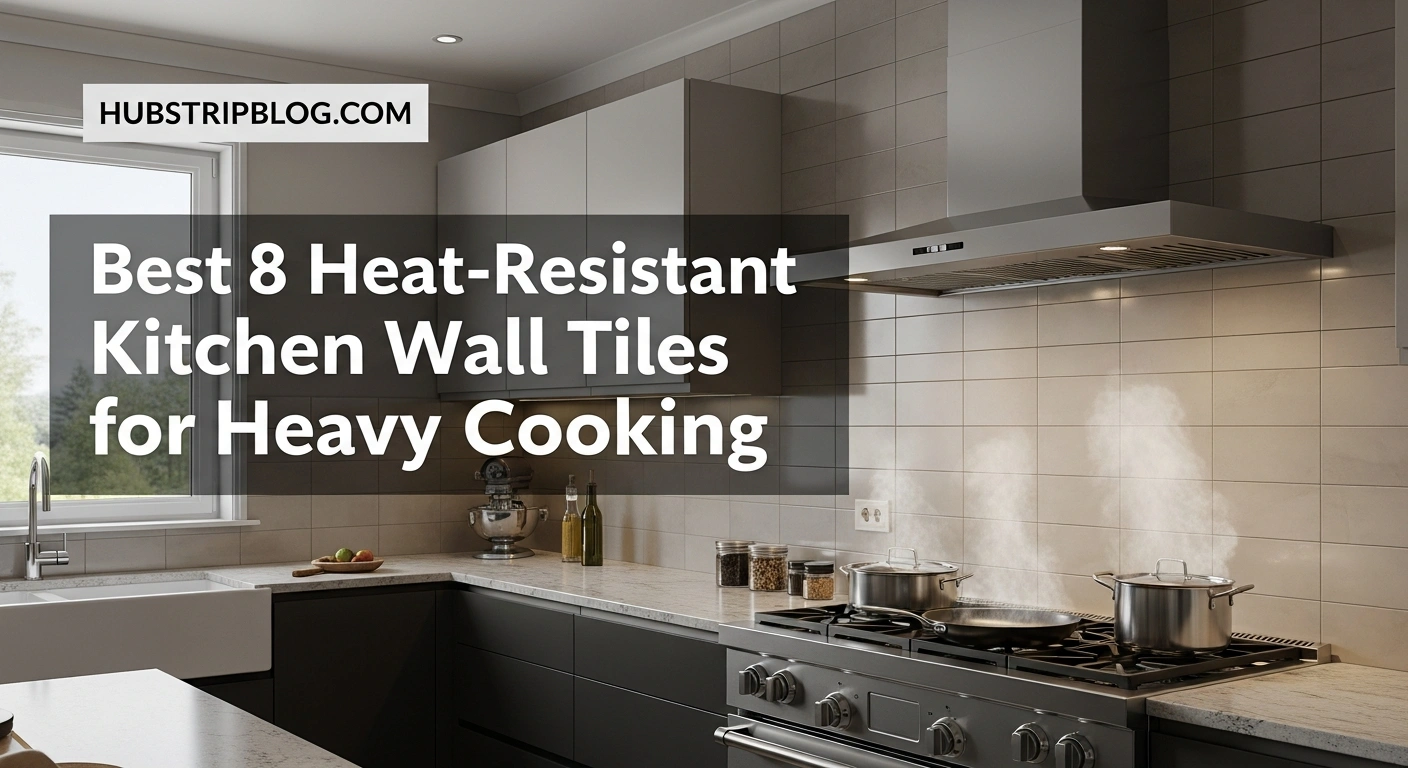
Here’s a comprehensive rundown of the top 8 heat-resistant kitchen wall tiles ideal for kitchens that see constant action. We’ll break down each type, highlighting its pros and cons, and outlining why it excels in demanding cooking environments.
1. Ceramic Tiles: The Timeless Classic
Ceramic tiles are a popular and economical choice for kitchen walls. Known for their durability and versatility, ceramic tiles offer excellent heat resistance, making them a suitable option for backsplashes and other areas exposed to high temperatures. They’re also relatively easy to clean and maintain, a significant advantage in a busy kitchen. The sheer range of colors, sizes, and patterns available in ceramic tiles allows for endless design possibilities, catering to diverse aesthetic preferences.
However, it’s important to choose the right type of ceramic tile. Not all ceramic tiles are created equal. Look for tiles with a high PEI (Porcelain Enamel Institute) rating, indicating their resistance to abrasion and wear. Also, consider the glaze. Glossy glazes are easier to clean but can show scratches more easily, while matte glazes offer a more subtle look but may require more effort to keep clean. Proper installation is also essential to ensure the tiles’ longevity and prevent moisture penetration. Furthermore, while generally heat-resistant, avoid abrupt temperature changes which can still cause cracking over time.
Overall, ceramic tiles represent a solid, dependable choice for the practical cook. With proper selection and installation, they can provide years of reliable service and aesthetic appeal. Ensure you source your tile from a reputable manufacturer to guarantee quality and performance. Look for tiles specifically labeled as suitable for kitchen use, as these will typically have the properties needed to withstand the rigors of a cooking environment.
2. Porcelain Tiles: The Durable Upgrade
Porcelain tiles are a denser and more durable type of ceramic tile. Made from finer clay and fired at higher temperatures, porcelain tiles are exceptionally resistant to heat, stains, and water damage. This makes them an excellent choice for kitchens that endure heavy cooking, as they can withstand even the most intense heat and spills without showing wear. Their low porosity prevents the absorption of liquids, making them highly resistant to staining and bacterial growth.
Porcelain offers a considerable upgrade in durability compared to standard ceramic. This increased resistance translates into a longer lifespan and reduced maintenance. While typically more expensive than ceramic, the superior performance and longevity of porcelain often justify the higher upfront cost. They are also available in a vast range of styles, including those that mimic natural stone, wood, or concrete, offering a luxurious and sophisticated look without the associated maintenance challenges.
One consideration with porcelain tiles is their density, which can make them more challenging to cut and install. It’s often recommended to hire a professional installer with experience working with porcelain to ensure a proper and lasting installation. Additionally, while porcelain is highly durable, it can still be chipped or cracked by heavy impact. However, these instances are relatively rare under normal kitchen conditions. In the long run, porcelain brings a level of endurance and aesthetic versatility unmatched by many other tiling materials, making it a smart investment for heavy-duty cooking spaces.
3. Glass Tiles: The Modern Statement
Glass tiles offer a contemporary and stylish look for kitchen walls, coupled with excellent heat resistance. The non-porous nature of glass makes it incredibly easy to clean and resistant to stains, a significant advantage in a kitchen prone to splatters and spills. Glass tiles reflect light, creating a bright and airy feel in the kitchen, which can be particularly beneficial in smaller spaces. They are available in a wide array of colors, sizes, and finishes, including mosaic patterns, allowing for stunning design flexibility.
While glass tiles are remarkably heat-resistant, it’s crucial to choose tempered glass specifically designed for kitchen use. Standard glass may not withstand the extreme temperatures found near stovetops. Tempered glass is much stronger and less prone to cracking or shattering under heat stress. The reflective surface of glass tiles can also amplify the perceived brightness of a kitchen, which may be a positive or negative depending on your personal preference and the existing lighting conditions.
Installation of glass tiles requires precision and care. Due to their translucent nature, the adhesive used underneath can be visible if not applied evenly. It’s usually best practice to use a white or clear thin-set mortar specifically designed for glass tiles. Also, consider the potential for scratches. While glass is relatively durable, it can be scratched by abrasive cleaners or sharp objects; avoid using harsh chemicals and opt for gentle cleaning solutions. Despite these considerations, glass tiles offer an undeniably chic and practical solution for heat-resistant kitchen walls, adding a touch of elegance and modernity to any cooking space.
4. Stone Tiles: The Natural Elegance
Natural stone tiles, such as granite, slate, and travertine, bring a timeless elegance and natural beauty to the kitchen. Granite, in particular, is highly valued for its exceptional heat resistance and durability. Stone tiles can withstand high temperatures without cracking or discoloration, making them a superb choice for backsplashes behind stoves and cooktops. The unique variations in color and pattern found in natural stone add character and visual interest to any kitchen design, creating a warm and inviting atmosphere.
However, natural stone tiles require more maintenance than ceramic or porcelain options. They are porous and can absorb liquids if not properly sealed. Sealing the tiles regularly (typically every 1-2 years) is essential to prevent staining and water damage. The type of sealer used is also important; consult with a stone specialist to determine the appropriate sealer for your specific type of stone. Also, be mindful of acidic spills, such as lemon juice or vinegar, which can etch the surface of some stone tiles.
The cost of natural stone tiles is generally higher than that of other materials like ceramic or glass. Installation can also be more labor-intensive, requiring specialized tools and expertise. However, the enduring appeal and inherent beauty of natural stone make it a worthwhile investment for those seeking a high-end and sophisticated kitchen design. Consider lighter shades of stone to maximize light reflection and create a brighter space; darker stones can be dramatic but may require additional lighting. Stone brings a touch of the outdoors inside, creating a connection to nature that adds warmth and elegance to your cooking environment.
5. Metal Tiles: The Industrial Chic
Metal tiles offer a distinct industrial-chic aesthetic, bringing a modern and edgy vibe to the kitchen. Stainless steel tiles are a popular choice for their excellent heat resistance, durability, and sleek appearance. They are also easy to clean and naturally hygienic, making them ideal for a kitchen environment. Metal tiles can be used as a full backsplash or as decorative accents, adding a unique touch to the overall design.
While metal tiles are heat-resistant, it’s important to choose solid metal tiles rather than metal-coated options. Metal-coated tiles may not withstand high temperatures as effectively and can potentially peel or delaminate over time. Stainless steel is the most popular choice due to its resistance to corrosion and staining. Also, consider the finish of the metal. Brushed or matte finishes are more forgiving in terms of showing fingerprints and scratches, while polished finishes offer a more reflective and high-gloss look.
Installation of metal tiles can require specialized tools and techniques, particularly when cutting around outlets and fixtures. Professional installation is often recommended to ensure a seamless and aesthetically pleasing result. Metal tiles can be pricier than ceramic or porcelain, but their unique look and durability make them a worthwhile consideration for those seeking a modern and industrial-inspired kitchen design. Be mindful of sharp edges, especially on smaller tiles, during installation and cleaning. Overall, metal tiling provides a durable and stylish solution for kitchens with a contemporary vision.
6. Cement Tiles: The Bold Statement
Cement tiles, also known as encaustic tiles, are handmade tiles that offer a bold and vibrant look for kitchen walls. Their unique patterns and colors are created using different layers of pigmented cement, resulting in a distinctive and eye-catching appearance. Cement tiles are surprisingly heat-resistant, particularly when properly sealed, making them suitable for backsplashes and other areas exposed to high temperatures. Their matte finish provides a non-slip surface and a more subdued aesthetic compared to glossy tiles.
However, cement tiles require specific care and maintenance. They are porous and must be sealed regularly to prevent staining and water damage. Sealing should be done immediately after installation and periodically thereafter, typically every 1-2 years. It’s crucial to use a penetrating sealer specifically designed for cement tiles. Avoid using harsh chemicals or abrasive cleaners, as these can damage the surface of the tiles.
Cement tiles are generally more expensive than ceramic or porcelain tiles due to their handmade nature and intricate designs. Installation can also be more labor-intensive, requiring a level surface and precise alignment. Despite these considerations, cement tiles offer a unique and artistic touch to the kitchen, adding personality and character to the space. They are particularly well-suited for kitchens with a Bohemian, vintage, or eclectic design style. The inherent variations in color and pattern in each tile add to their charm and uniqueness, making them a distinctive and beautiful choice for expressive homeowners.
7. Quarry Tiles: The Rugged Choice
Quarry tiles are made from natural clay and shale, fired at very high temperatures, resulting in a dense and durable tile. They are extremely heat-resistant, making them an excellent choice for kitchen backsplashes and areas near the stove. Quarry tiles are also slip-resistant, making them a safer option for kitchens that experience spills and moisture. Their natural, earthy tones and textured surface add a rustic and traditional charm to the kitchen.
Quarry tiles are available in a limited range of colors and patterns compared to other tile options. They typically come in shades of red, brown, and gray, reflecting the natural colors of the clay and shale from which they are made. However, their natural, unglazed finish provides a unique and timeless aesthetic. While they are inherently durable, quarry tiles can be porous and may require sealing to prevent staining and water damage, particularly in areas prone to spills.
Installation of quarry tiles can be straightforward, similar to ceramic or porcelain tiles. However, due to their density, they may require more powerful tools for cutting. Regular cleaning with mild soap and water is usually sufficient to maintain their appearance. Avoid using harsh chemicals or abrasive cleaners, as these can damage the surface. Quarry tiles offer a rugged and durable solution for kitchens that prioritize functionality and a natural aesthetic. They evoke a sense of warmth and tradition, creating a cozy and inviting cooking space.
8. Specialty Heat-Resistant Tiles: The Modern Innovations
Beyond the traditional tile materials, there are specialized heat-resistant kitchen wall tiles designed for extreme cooking environments. These innovative tiles often incorporate advanced materials and technologies to provide superior heat resistance, durability, and ease of maintenance. Examples include tiles with coatings that reflect heat, or tiles constructed from composite materials that can withstand extreme temperature fluctuations.
The cost of these specialty tiles can be higher than that of standard tile options, but the added benefits can justify the investment for those who prioritize performance and longevity. These tiles often feature unique designs and textures, offering a modern and sophisticated look for the kitchen. They may also incorporate features such as antimicrobial properties or stain-resistant coatings, further enhancing their functionality and hygiene.
When considering specialty heat-resistant tiles, it’s essential to research the manufacturer and product specifications carefully. Look for tiles that have been tested and certified by reputable organizations to ensure they meet the claimed performance standards. Installation may require specific techniques or adhesives, so it’s important to consult with a professional installer. Specialty tiles represent the cutting edge of kitchen design, offering a blend of performance and aesthetics that can transform any cooking space into a high-performance culinary haven.
Factors to Consider When Choosing Heat-Resistant Kitchen Wall Tiles
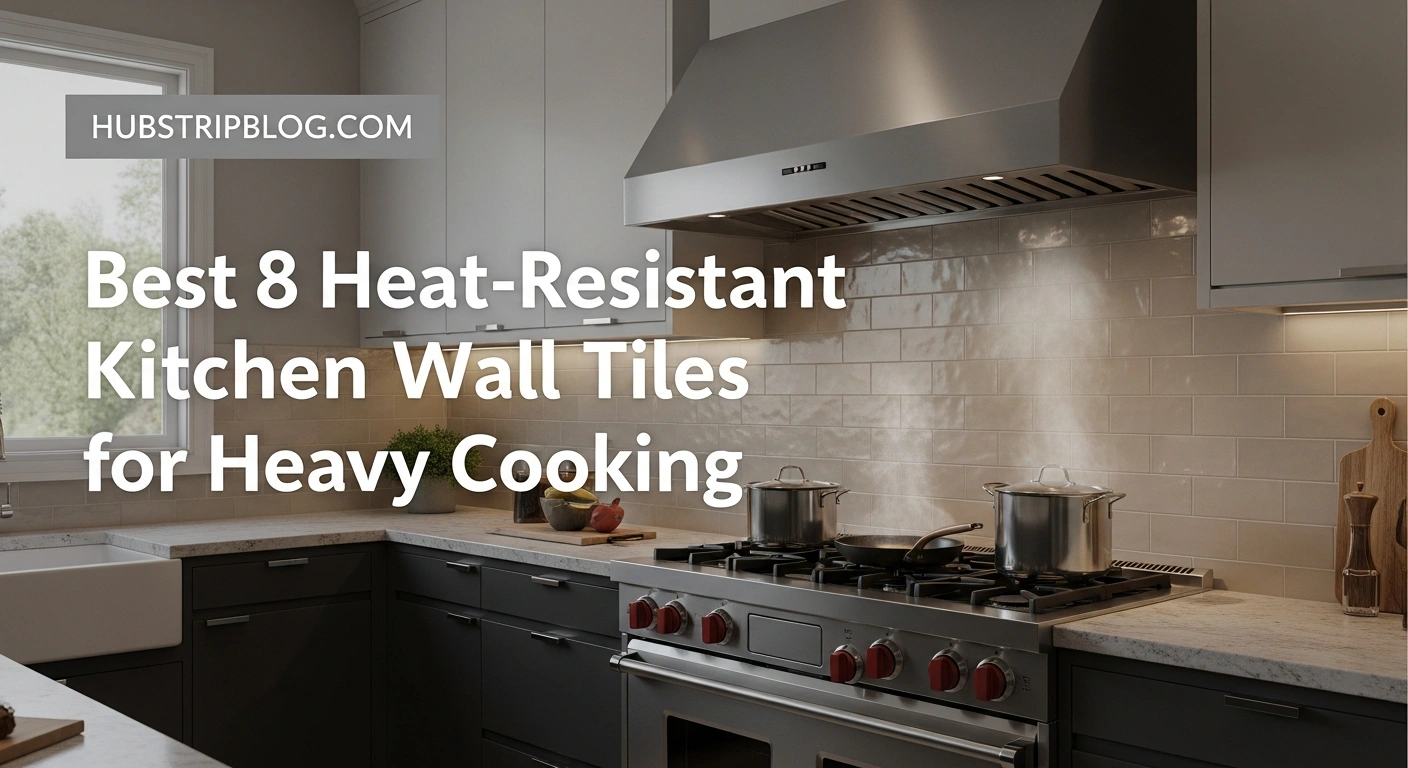
Selecting the right heat-resistant kitchen wall tiles involves more than just choosing a visually appealing option. Several critical factors must be considered to ensure the tiles meet your specific needs and provide lasting performance in a heavy cooking environment. These factors include heat resistance, durability, ease of cleaning, aesthetics, and budget.
Heat Resistance and Thermal Shock
The primary consideration, of course, is heat resistance. Look for tiles that are specifically rated for high-temperature environments. Check the manufacturer’s specifications for maximum operating temperature. Even more important is the tile’s resistance to thermal shock, the ability to withstand rapid temperature changes without cracking or breaking. Tiles near the stovetop are frequently exposed to sudden bursts of heat, so thermal shock resistance is crucial.
A common metric for measuring a tile’s heat resistance is its coefficient of thermal expansion (CTE). A lower CTE indicates that the tile expands and contracts less with temperature changes, reducing the risk of cracking. Porcelain and natural stone tiles like granite generally have excellent heat resistance and thermal shock properties. Glass tiles should be specifically tempered for kitchen use to ensure they can withstand high temperatures.
Testing tile samples by exposing them to heat is never a bad idea. Obviously, you won’t have access to the extreme heat from heavy cooking, but you can use a lighter or heat gun. If a tile cracks from these tests, you can bet it’s not going to last long in your kitchen.
Durability and Resistance to Stains and Scratches
Durability is paramount, especially in a busy kitchen. Choose tiles that are resistant to scratches, chips, and impacts. Porcelain tiles are known for their exceptional durability, while ceramic tiles offer good durability at a more affordable price point. Natural stone tiles like granite are also very durable but may require sealing to prevent staining. Metal tiles are generally durable but can be susceptible to scratches.
Stain resistance is also crucial, as kitchen walls are prone to splatters and spills. Non-porous tiles like porcelain and glass are highly stain-resistant. Ceramic tiles with a glossy glaze are also easy to clean and resistant to stains. Natural stone tiles require sealing to prevent staining. Consider the type of food you typically cook and choose tiles that are resistant to the types of stains you’re most likely to encounter.
Look for tiles with a PEI (Porcelain Enamel Institute) rating to assess their resistance to abrasion and wear. A higher PEI rating indicates greater durability. Also, consider the grout used between the tiles. Choose a grout that is stain-resistant and easy to clean, or consider using epoxy grout, which is highly resistant to stains and chemicals.
Ease of Cleaning and Maintenance
Ease of cleaning and maintenance is a practical concern, especially for busy cooks. Choose tiles with a smooth, non-porous surface that is easy to wipe down. Glossy finishes are generally easier to clean than matte finishes. Avoid tiles with intricate textures or patterns that can trap dirt and grime.
Non-porous tiles like porcelain and glass are the easiest to clean. Ceramic tiles with a glazed finish are also relatively easy to clean. Natural stone tiles require sealing to prevent staining and may require special cleaning products. Metal tiles can be cleaned with mild soap and water. Always follow the manufacturer’s recommendations for cleaning and maintenance.
Regular cleaning is essential to maintain the appearance and hygiene of your kitchen wall tiles. Wipe down tiles after cooking to remove splatters and spills. Use a mild detergent and a soft cloth or sponge for general cleaning. Avoid using abrasive cleaners or scouring pads, as these can scratch the surface of the tiles.
Aesthetic Considerations and Design Compatibility
While functionality is critical, aesthetics should not be overlooked. Choose tiles that complement your overall kitchen design and reflect your personal style. Consider the color, pattern, size, and texture of the tiles.
The color of the tiles can significantly impact the overall feel of the kitchen. Lighter colors can make the kitchen feel brighter and more spacious, while darker colors can create a more dramatic and intimate atmosphere. Consider the existing colors of your cabinets, countertops, and flooring when choosing tile colors.
Patterns can add visual interest and personality to the kitchen. Consider using a bold pattern for a backsplash to create a focal point, or opt for a more subtle pattern for a cohesive look. The size of the tiles can also impact the overall design. Larger tiles can make a small kitchen feel more spacious, while smaller tiles can add detail and texture.
Budget and Cost-Effectiveness
Finally, consider your budget and choose tiles that offer the best value for your money. Prices for heat-resistant kitchen wall tiles can vary widely depending on the material, size, and design. Set a budget before you start shopping and stick to it.
Ceramic tiles are generally the most affordable option, while natural stone tiles and specialty tiles can be more expensive. Consider the long-term costs of maintenance and replacement when evaluating the cost-effectiveness of different tile options. Investing in durable, high-quality tiles can save you money in the long run by reducing the need for repairs and replacements.
Also, consider the cost of installation. Some tiles require specialized tools and techniques, which can increase the installation cost. Get quotes from multiple installers to ensure you’re getting a fair price, and ask for recommendations from friends or family.
Installation Tips for Heat-Resistant Kitchen Wall Tiles
Proper installation is crucial to ensure the longevity and performance of your heat-resistant kitchen wall tiles. Whether you’re a seasoned DIYer or hiring a professional, these tips will help guarantee a successful installation.
Preparing the Surface
Proper surface preparation is essential for a long-lasting tile installation. Ensure the wall is clean, dry, and free of any loose paint, wallpaper, or debris. Repair any cracks or holes in the wall before starting the tile installation. Use a level to ensure the wall is flat and even.Uneven surfaces can lead to cracked or unevenly adhered tiles.
Prime the wall with a bonding primer to improve adhesion between the tile and the wall. Priming is particularly important for non-porous surfaces like painted walls or drywall. Allow the primer to dry completely before proceeding with the tile installation. Always follow the manufacturer’s instructions for surface preparation.
For backsplashes, consider installing a moisture barrier behind the tiles. This will help protect the wall from moisture damage caused by splatters and spills. A moisture barrier is particularly important in areas prone to high humidity.
Choosing the Right Adhesive
Selecting the appropriate adhesive is critical for a strong and durable bond. Choose a thin-set mortar specifically designed for the type of tile you’re using. For porcelain tiles, use a polymer-modified thin-set mortar for improved adhesion. For glass tiles, use a white or clear thin-set mortar to prevent the adhesive from showing through the glass.
Mix the thin-set mortar according to the manufacturer’s instructions. Use a mixing paddle and a drill to ensure the mortar is thoroughly mixed and free of lumps. Allow the mortar to slake (rest) for 5-10 minutes before using it.
Apply the thin-set mortar to the wall using a notched trowel. The size of the notches should match the size of the tiles. Hold the trowel at a 45-degree angle and apply the mortar evenly over the surface. Work in small sections to prevent the mortar from drying out.
Cutting and Laying the Tiles
Precise cutting and alignment are essential for a professional-looking tile installation. Use a wet saw for cutting tiles, especially porcelain and stone. Make clean, accurate cuts to ensure a seamless fit.
Start laying the tiles from the center of the wall and work your way outwards. This will ensure that the tiles are evenly spaced and symmetrical. Use tile spacers to maintain consistent grout lines. Press each tile firmly into the thin-set mortar and twist slightly to ensure good adhesion.
Check the level of the tiles frequently to ensure they are flat and even. Use a rubber mallet to gently tap the tiles into place. Remove any excess thin-set mortar from the surface of the tiles with a damp sponge.
Grouting and Sealing
Grouting and sealing are the final steps in the tile installation process. Allow the thin-set mortar to dry completely before grouting, typically 24-48 hours. Choose a grout color that complements the tiles and your overall kitchen design.
Mix the grout according to the manufacturer’s instructions. Apply the grout to the tile surface using a grout float. Press the grout into the grout lines, ensuring they are completely filled. Remove any excess grout from the surface of the tiles with a damp sponge.
Allow the grout to cure for the recommended time, typically 24-72 hours. Seal the grout lines with a grout sealer to prevent staining and water damage. Apply several coats of sealer, allowing each coat to dry completely before applying the next.
Maintaining Your Heat-Resistant Kitchen Wall Tiles
Proper maintenance is essential to keep your heat-resistant kitchen wall tiles looking their best for years to come. Regular cleaning, stain prevention, and occasional repairs will help extend the lifespan and beauty of your tiles.
Regular Cleaning Practices
Regular cleaning is critical to prevent the buildup of dirt, grime, and stains. Wipe down the tiles after cooking to remove splatters and spills. Use a mild detergent and a soft cloth or sponge for general cleaning. Avoid using abrasive cleaners or scouring pads, as these can scratch the surface of the tiles.
For stubborn stains, try using a baking soda paste. Mix baking soda with water to form a paste and apply it to the stain. Let it sit for a few minutes, then scrub gently with a soft cloth or sponge. Rinse thoroughly with water.
To clean grout lines, use a grout brush and a grout cleaner. You can also make your own grout cleaner by mixing equal parts baking soda and vinegar. Apply the cleaner to the grout lines, let it sit for a few minutes, then scrub with the grout brush. Rinse thoroughly with water.
Preventing Stains and Damage
Preventing stains and damage is easier than trying to repair them later. Wipe up spills immediately to prevent staining. Use cutting boards to protect the countertop from scratches. Avoid placing hot pots and pans directly on the countertop.
Seal natural stone tiles regularly to prevent staining and water damage. Apply a penetrating sealer every 1-2 years, depending on the type of stone. Use a sealant specifically designed for natural stone.
Avoid using harsh chemicals or abrasive cleaners, as these can damage the surface of the tiles. Always follow the manufacturer’s recommendations for cleaning and maintenance. Consider coating or sealant options if you’re using something that’s typically porus. If you fail to seal a cement based tile, it’ll be as absorbent as a sponge.
Addressing Cracks and Chips
Even with proper care, tiles can sometimes crack or chip. Addressing cracks and chips promptly will prevent further damage and maintain the appearance of your kitchen.
For small chips, you can use a tile repair kit. These kits typically include a color-matched epoxy filler that can be used to fill the chip and restore the tile’s surface. Follow the manufacturer’s instructions carefully.
For larger cracks or chips, you may need to replace the entire tile. Remove the damaged tile carefully using a grout saw and a chisel. Clean the area and apply new thin-set mortar. Install the new tile and grout as described in the installation tips section.
Conclusion
Choosing the right heat-resistant kitchen wall tiles is a vital decision for any homeowner who enjoys heavy cooking. Selecting the appropriate type of tile ensures durability, safety, and aesthetic appeal. By understanding the properties of various materials, considering factors like heat resistance, durability, and ease of maintenance, and following proper installation and maintenance practices, you can create a kitchen that can withstand the rigors of passionate cooking for years to come.
From the timeless elegance of ceramic and porcelain to the natural beauty of stone and the modern appeal of glass and metal, there’s a perfect tile to suit every style and budget. Weigh the pros and cons of each option, consider your personal preferences and cooking habits, and make an informed decision that reflects your unique taste and needs. A well-chosen backsplash not only protects your walls but also enhances the overall aesthetic of your kitchen, creating a functional and beautiful space where culinary creativity can flourish.
